Caleb Wright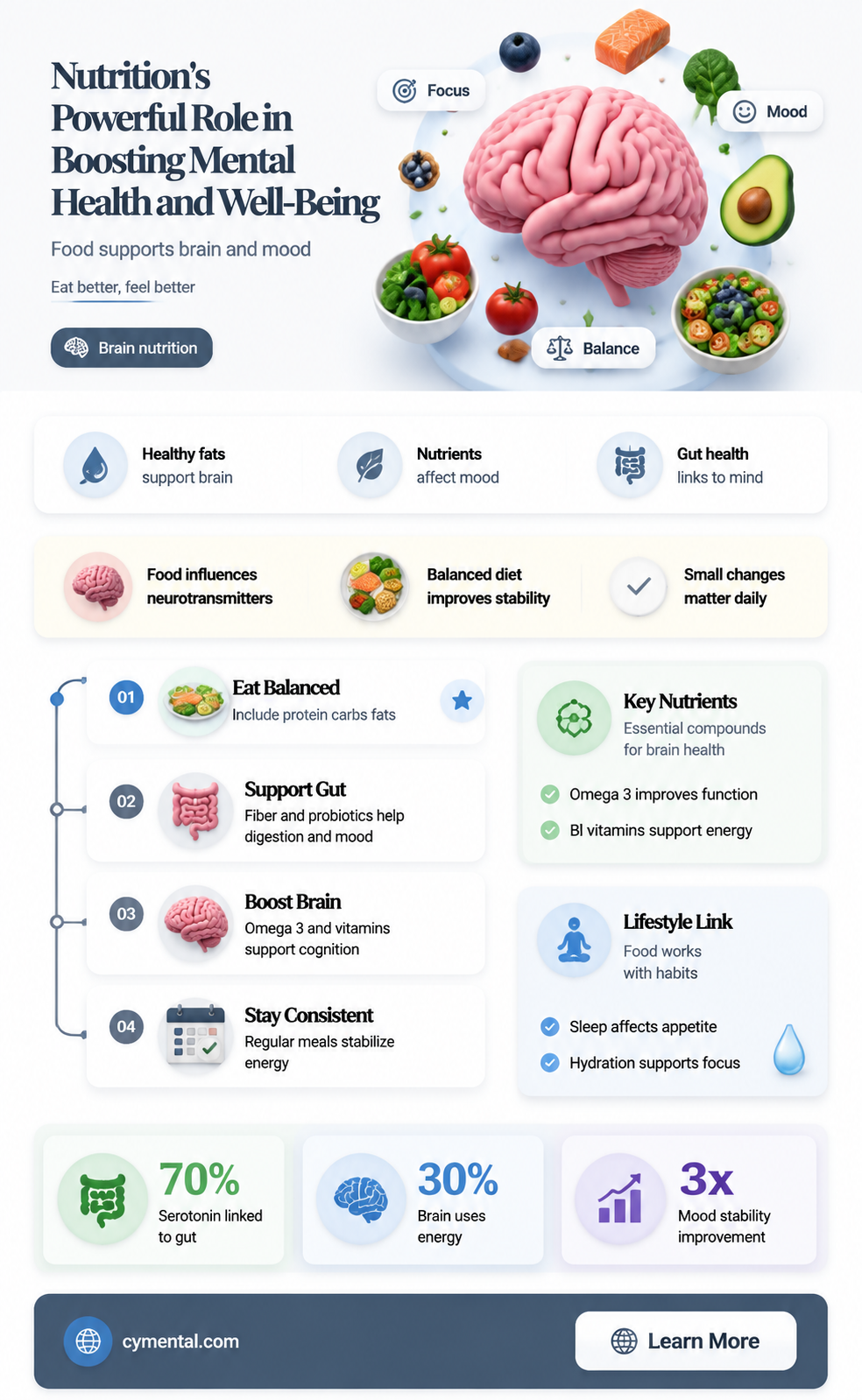
Nutrition plays a pivotal role in supporting mental health by influencing brain function, mood regulation, and overall well-being. A balanced diet rich in essential nutrients, such as omega-3 fatty acids, vitamins (B, D, and E), minerals (magnesium, zinc), and antioxidants, can enhance neurotransmitter production, reduce inflammation, and protect against oxidative stress—all of which are critical for maintaining mental clarity and emotional stability. For instance, foods like fatty fish, leafy greens, nuts, seeds, and whole grains have been linked to lower rates of depression and anxiety. Conversely, diets high in processed foods, sugar, and unhealthy fats can exacerbate mental health issues by promoting inflammation and disrupting gut-brain communication. By prioritizing nutrient-dense foods and mindful eating habits, individuals can harness the power of nutrition to bolster resilience, improve mood, and support long-term mental health.
Explore related products




What You'll Learn
- Omega-3s and Brain Function: Fatty acids reduce inflammation, support neuron health, and improve mood and cognition
- Gut-Brain Axis: Healthy gut microbiome influences serotonin production, reducing anxiety and depression symptoms
- Vitamins for Mood: Deficiencies in B vitamins, D, and magnesium link to increased mental health risks
- Sugar and Mental Health: High sugar intake spikes stress hormones, worsens anxiety, and disrupts mood stability
- Hydration and Cognition: Dehydration impairs focus, memory, and mood; proper hydration supports mental clarity

Omega-3s and Brain Function: Fatty acids reduce inflammation, support neuron health, and improve mood and cognition
Omega-3 fatty acids, particularly EPA (eicosapentaenoic acid) and DHA (docosahexaenoic acid), are foundational for brain health, yet most diets fall short of optimal intake. Adults typically require 250–500 mg combined EPA/DHA daily, but studies suggest up to 2,000 mg may be beneficial for cognitive and mood support. These fats compose 40% of neuronal membranes, enhancing cell flexibility and communication—critical for learning and memory. Without adequate levels, the brain relies on inferior fats, compromising structure and function. For instance, a 2019 meta-analysis in *Translational Psychiatry* linked higher omega-3 consumption to reduced symptoms of depression, particularly in populations with low baseline intake.
Inflammation, a silent saboteur of mental health, is mitigated by omega-3s through their conversion into anti-inflammatory molecules called resolvins. Chronic inflammation disrupts neurotransmitter balance and impairs neurogenesis, contributing to anxiety and cognitive decline. Research in *The Journal of Nutritional Biochemistry* demonstrates that EPA specifically reduces pro-inflammatory cytokines, offering a protective effect. Practical tip: Pair omega-3 supplements with a meal containing healthy fats (e.g., avocado or nuts) to enhance absorption, as these fats require dietary lipids for optimal bioavailability.
Neuron health hinges on myelination—the fatty sheath insulating nerve fibers—and DHA is its primary building block. Without sufficient DHA, signals between neurons slow, affecting focus, decision-making, and emotional regulation. Pregnant individuals and children under 2 are particularly vulnerable, as DHA is critical for brain development. The American Pregnancy Association recommends at least 200 mg DHA daily during pregnancy, often requiring supplementation since dietary sources like fatty fish may be limited due to mercury concerns. For children, fortified foods (e.g., omega-3-enriched eggs) or age-appropriate supplements can bridge the gap.
Mood and cognition benefit directly from omega-3s’ role in neurotransmitter synthesis. EPA boosts serotonin and dopamine production, while DHA supports the fluidity of synaptic membranes, facilitating faster signal transmission. A 2020 study in *Nutritional Neuroscience* found that adolescents with higher omega-3 levels exhibited better working memory and lower cortisol (stress hormone) levels. To maximize benefits, prioritize food sources like salmon, mackerel, or algae-based supplements for vegetarians. Caution: Avoid exceeding 3,000 mg daily without medical supervision, as high doses may interact with blood thinners or increase bleeding risk.
Incorporating omega-3s into daily routines need not be daunting. For adults, two servings of fatty fish weekly (e.g., 3 oz salmon) provide roughly 500 mg EPA/DHA. Vegetarians can opt for 1 tablespoon of flaxseed (ground for better absorption) or chia seeds daily, though these contain ALA, a less efficient precursor to EPA/DHA. Supplements offer convenience but vary widely in quality—choose molecularly distilled, third-party tested brands to avoid contaminants. Pairing omega-3s with a balanced diet rich in antioxidants (berries, spinach) amplifies their anti-inflammatory effects, creating a synergistic boost for brain health. Small, consistent changes yield profound long-term benefits, making omega-3s a cornerstone of nutritional psychiatry.
Boost Your Mental Health: The Role of B Vitamins Explained
You may want to see also
Explore related products


Gut-Brain Axis: Healthy gut microbiome influences serotonin production, reducing anxiety and depression symptoms
The gut-brain axis is a bidirectional communication network linking the central nervous system with the gastrointestinal tract, and it plays a pivotal role in mental health. At the heart of this connection is the gut microbiome, a complex ecosystem of microorganisms that influences brain chemistry, particularly serotonin production. Approximately 90% of serotonin, a neurotransmitter regulating mood, is synthesized in the gut. A balanced microbiome supports this process, while dysbiosis—an imbalance in gut bacteria—can disrupt it, exacerbating anxiety and depression symptoms.
To nurture a healthy gut microbiome, focus on prebiotic and probiotic-rich foods. Prebiotics, found in garlic, onions, and bananas, act as food for beneficial bacteria, promoting their growth. Probiotics, abundant in fermented foods like yogurt, kefir, and sauerkraut, introduce live beneficial bacteria into the gut. For instance, a daily serving of fermented dairy or a tablespoon of kimchi can help maintain microbial diversity. Additionally, consider incorporating fiber-rich foods such as whole grains, legumes, and vegetables, as fiber fuels the production of short-chain fatty acids, which have anti-inflammatory effects on the brain.
While diet is a cornerstone, lifestyle factors also impact the gut-brain axis. Chronic stress, inadequate sleep, and a sedentary lifestyle can disrupt gut health. Practices like mindfulness meditation, regular physical activity, and prioritizing 7–9 hours of sleep per night can mitigate these effects. For example, a 30-minute daily walk or yoga session not only reduces stress but also enhances gut motility, supporting microbial balance. Combining these habits with a nutrient-dense diet creates a synergistic effect, optimizing both gut and mental health.
For those seeking targeted interventions, supplements like psyllium husk (10–20 grams daily) or specific probiotic strains (e.g., *Lactobacillus* and *Bifidobacterium*) can be beneficial, especially in cases of severe dysbiosis. However, consult a healthcare provider before starting any regimen, as individual needs vary. The takeaway is clear: a healthy gut microbiome is not just about digestion—it’s a powerful lever for improving mental well-being. By prioritizing gut health through diet and lifestyle, you can directly influence serotonin production and, in turn, reduce symptoms of anxiety and depression.
Neurologists and Mental Health: Unlocking Treatment Options for Illness
You may want to see also
Explore related products





Vitamins for Mood: Deficiencies in B vitamins, D, and magnesium link to increased mental health risks
Nutrient deficiencies can silently undermine mental well-being, with B vitamins, vitamin D, and magnesium emerging as key players. Research consistently links low levels of these nutrients to heightened risks of depression, anxiety, and cognitive decline. For instance, a deficiency in vitamin B12, crucial for nerve function and DNA synthesis, has been associated with symptoms of depression and fatigue. Similarly, inadequate magnesium, which regulates neurotransmitter function, can exacerbate stress and anxiety. Addressing these deficiencies through diet or supplementation may offer a foundational step in supporting mental health.
Consider the role of vitamin D, often dubbed the “sunshine vitamin,” in mood regulation. Studies show that individuals with low vitamin D levels are more likely to experience depressive symptoms, particularly in regions with limited sunlight. The recommended daily intake for adults is 600–800 IU, though those at risk of deficiency may require higher doses, up to 2,000 IU, under medical supervision. Incorporating fatty fish, fortified foods, and sunlight exposure can help maintain optimal levels, but supplementation is often necessary, especially during winter months or for those with limited sun exposure.
B vitamins, particularly B6, B9 (folate), and B12, are essential for producing neurotransmitters like serotonin and dopamine, which regulate mood. A deficiency in these vitamins can disrupt this process, leading to mood disorders. For example, low folate levels are linked to treatment-resistant depression. Adults should aim for 1.3–2.4 mcg of B12, 1.3–1.7 mg of B6, and 400 mcg of folate daily. Dietary sources include leafy greens, legumes, eggs, and fortified cereals, but supplementation may be necessary for those with dietary restrictions or malabsorption issues.
Magnesium’s role in mental health is often overlooked, yet it is critical for brain function and stress response. Chronic stress depletes magnesium levels, creating a vicious cycle that can worsen anxiety and depression. The recommended daily intake for adults is 310–420 mg, depending on age and sex. Foods like nuts, seeds, whole grains, and leafy greens are rich in magnesium, but supplementation with forms like magnesium glycinate or threonate may be beneficial for those with proven deficiencies. Pairing magnesium with vitamin B6 can enhance its absorption and efficacy.
Practical steps to address these deficiencies include regular blood testing to monitor nutrient levels, especially for those with symptoms of mental health issues. Combining dietary changes with targeted supplementation, under professional guidance, can yield significant improvements. For instance, a multivitamin containing B vitamins, vitamin D, and magnesium can serve as a convenient starting point. However, it’s crucial to avoid self-diagnosis and consult a healthcare provider to tailor interventions to individual needs. By prioritizing these nutrients, individuals can take a proactive approach to safeguarding their mental health.
Deleting Social Media: A Path to Improved Mental Well-being?
You may want to see also
Explore related products


Sugar and Mental Health: High sugar intake spikes stress hormones, worsens anxiety, and disrupts mood stability
Excessive sugar consumption isn’t just a culprit in physical health issues like obesity and diabetes—it’s a silent saboteur of mental well-being. Research shows that high sugar intake triggers a rapid spike in blood glucose levels, followed by a sharp crash. This rollercoaster effect disrupts neurotransmitter balance, particularly serotonin, a key regulator of mood and stress. For instance, a study published in *Scientific Reports* found that men consuming more than 67 grams of sugar daily (roughly 17 teaspoons) were 23% more likely to develop anxiety or depression over five years compared to those consuming less than 40 grams.
Consider the mechanism: when you consume sugary foods, your body releases cortisol, the stress hormone, in response to the sudden glucose surge. Over time, chronic elevation of cortisol impairs the hypothalamic-pituitary-adrenal (HPA) axis, the body’s central stress response system. This dysregulation exacerbates anxiety symptoms and reduces emotional resilience. For adolescents, whose brains are still developing, the impact is particularly pronounced. A 2019 study in *Preventive Medicine Reports* linked higher sugar intake in teens to increased symptoms of depression, likely due to its interference with brain plasticity and dopamine pathways.
Practical steps to mitigate these effects include monitoring added sugars, which should not exceed 25 grams (6 teaspoons) daily for women and 36 grams (9 teaspoons) for men, according to the American Heart Association. Start by replacing sugary snacks with complex carbohydrates like whole grains, which release glucose slowly, preventing spikes. Pairing carbohydrates with protein and healthy fats (e.g., apple slices with almond butter) stabilizes blood sugar levels and reduces cortisol release. For those with pre-existing anxiety, a 2020 study in *Nutritional Neuroscience* suggests that reducing sugar intake by 50% over four weeks can lead to measurable improvements in mood and stress tolerance.
However, cutting sugar isn’t just about willpower—it’s about awareness. Hidden sugars lurk in seemingly healthy foods like yogurt, granola bars, and sauces. Reading labels is critical; ingredients like high-fructose corn syrup, cane sugar, and dextrose signal high sugar content. For families, modeling mindful eating habits is key. A 2021 study in *Pediatrics* found that children whose parents limited sugary snacks at home had lower rates of emotional dysregulation, highlighting the intergenerational impact of dietary choices.
In conclusion, the link between sugar and mental health is undeniable, but actionable. By understanding the biological mechanisms and adopting targeted dietary changes, individuals can reduce stress hormone spikes, alleviate anxiety, and restore mood stability. Small, consistent adjustments—like swapping soda for sparkling water or choosing dark chocolate over milk chocolate—accumulate into significant mental health benefits. Prioritizing sugar awareness isn’t just a dietary choice; it’s a strategy for emotional resilience.
Mental Health's Impact on Skin Aging: Unveiling the Mind-Face Connection
You may want to see also
Explore related products


Hydration and Cognition: Dehydration impairs focus, memory, and mood; proper hydration supports mental clarity
Even a 2% loss of body weight due to dehydration can impair cognitive performance, affecting attention, short-term memory, and mood. This subtle yet significant impact is often overlooked, yet it underscores the critical role hydration plays in maintaining mental clarity. Studies show that dehydration can lead to increased feelings of anxiety, fatigue, and difficulty in concentrating, even in healthy adults. For children and older adults, who are more susceptible to fluid imbalances, the effects can be even more pronounced, potentially exacerbating cognitive decline or developmental challenges.
To combat these effects, aim to drink at least 8–10 cups (64–80 ounces) of water daily, adjusting for factors like physical activity, climate, and health conditions. A practical tip is to monitor urine color—a pale yellow hue indicates adequate hydration, while darker shades signal the need for more fluids. Incorporating water-rich foods like cucumbers, watermelon, and oranges can also contribute to daily fluid intake. For those who struggle to drink plain water, infusing it with herbs, fruits, or a splash of citrus can make hydration more appealing without adding excessive sugar.
Comparing hydrated and dehydrated states reveals stark differences in cognitive function. In one study, dehydrated participants performed 13% worse on cognitive tasks compared to their hydrated counterparts. This highlights how something as simple as maintaining fluid balance can significantly enhance focus, memory, and overall mental performance. Athletes and students, in particular, can benefit from this insight, as even mild dehydration during training or exams can hinder their ability to perform at their best.
A persuasive argument for prioritizing hydration lies in its immediate and long-term benefits. Proper hydration not only sharpens cognitive abilities but also supports emotional well-being by stabilizing mood. Chronic dehydration, on the other hand, can contribute to persistent mental fog and irritability, which may be mistaken for other underlying issues. By making hydration a daily habit, individuals can proactively safeguard their mental health, ensuring they operate at peak cognitive capacity. Start small—carry a reusable water bottle, set reminders, and make hydration a non-negotiable part of your routine.
Moving Out: A Mental Health Boost or Added Stress?
You may want to see also
Frequently asked questions
Nutrition directly influences mental health by affecting brain function, mood regulation, and stress response. Nutrients like omega-3 fatty acids, vitamins (B, D, and E), and minerals (magnesium, zinc) support neurotransmitter production and reduce inflammation, which can alleviate symptoms of depression, anxiety, and cognitive decline.
Yes, foods rich in complex carbohydrates (whole grains), protein (eggs, fish), healthy fats (avocado, nuts), and antioxidants (berries, leafy greens) can stabilize blood sugar, boost serotonin levels, and reduce oxidative stress, promoting better mood and lower anxiety.
Absolutely. The gut-brain axis connects gut health to mental health. Probiotics (yogurt, kefir) and fiber-rich foods (fruits, vegetables) support a healthy gut microbiome, which produces neurotransmitters like serotonin and GABA, influencing mood, stress, and mental clarity.
A balanced diet focusing on anti-inflammatory foods (fatty fish, turmeric), omega-3s, and adequate hydration can reduce inflammation and support brain health. Limiting processed foods, sugar, and alcohol, which can worsen depression symptoms, is also crucial for mental health improvement.