Ava Ramirez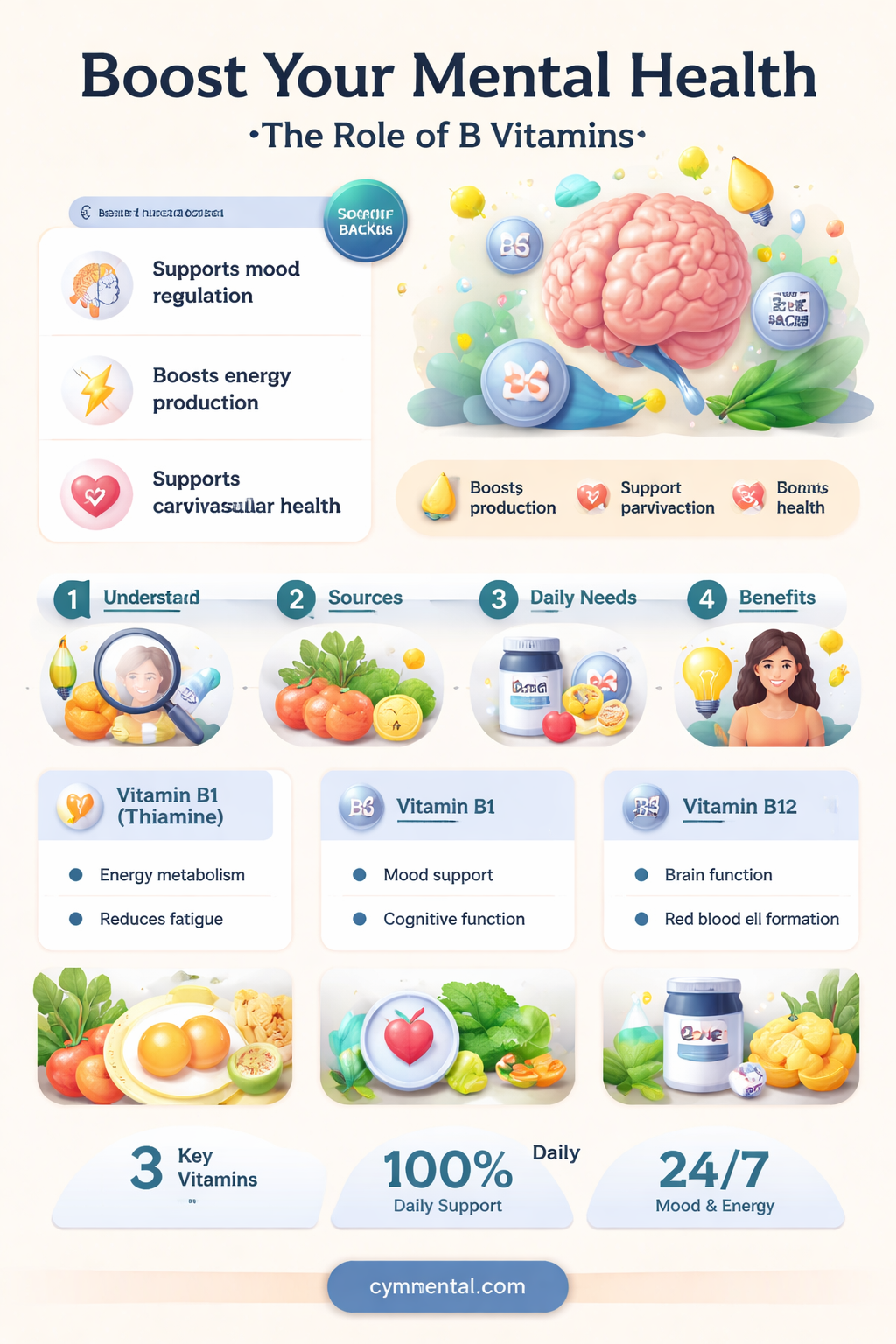
B vitamins, a group of essential nutrients that play a crucial role in maintaining overall health, have garnered significant attention for their potential impact on mental well-being. Often referred to as the brain vitamins, B vitamins, including B6, B9 (folate), and B12, are involved in various neurological processes such as neurotransmitter synthesis, DNA repair, and energy metabolism. Research suggests that deficiencies in these vitamins may contribute to mental health issues like depression, anxiety, and cognitive decline, while adequate intake could support mood regulation, stress resilience, and cognitive function. As such, exploring the relationship between B vitamins and mental health offers valuable insights into potential dietary interventions for enhancing psychological well-being.
| Characteristics | Values |
|---|---|
| Role in Brain Function | B vitamins (especially B6, B9, and B12) are essential for neurotransmitter synthesis (e.g., serotonin, dopamine) and myelination, supporting cognitive function and mood regulation. |
| Impact on Mood | Deficiencies in B vitamins, particularly B6, B9 (folate), and B12, have been linked to depression, anxiety, and irritability. Supplementation may improve mood in deficient individuals. |
| Cognitive Performance | B vitamins, especially B12 and folate, play a role in reducing homocysteine levels, which are associated with cognitive decline. Adequate intake may support memory and focus. |
| Stress Reduction | B vitamins, particularly B5 (pantothenic acid) and B6, are involved in adrenal gland function and stress response. They may help reduce stress and fatigue. |
| Energy Metabolism | B vitamins are crucial for converting food into energy, which indirectly supports mental clarity and reduces mental fatigue. |
| Evidence from Studies | Research is mixed; some studies show benefits in mood and cognitive function, especially in deficient populations, while others find no significant effects in individuals with adequate B vitamin levels. |
| Population-Specific Benefits | Older adults, pregnant women, vegetarians/vegans, and those with malabsorption issues may benefit more from B vitamin supplementation due to higher risk of deficiency. |
| Potential Side Effects | Generally safe when taken within recommended doses, but high doses of certain B vitamins (e.g., B6) can cause nerve damage or other adverse effects. |
| Recommended Sources | Natural sources include leafy greens, whole grains, legumes, eggs, dairy, meat, and fish. Supplements are available for those with dietary restrictions or deficiencies. |
| Conclusion | B vitamins are important for mental health, particularly in preventing deficiencies. However, their effectiveness as a standalone treatment for mental health issues is not universally supported by evidence. |
Explore related products
![NatureWise Vitamin B Complex for Women and Men - with Folic Acid Biotin B1 B2 B3 B6 B12 - Support Cellular Energy & Mental Clarity - Gluten & Dairy Free, Non-GMO - 60 Softgels[2-Month Supply]](https://m.media-amazon.com/images/I/71xmk3fvnoL._AC_UL320_.jpg)


What You'll Learn

B Vitamins and Mood Regulation
B vitamins play a crucial role in brain function, and their impact on mood regulation is a topic of growing interest. These essential nutrients act as coenzymes in various metabolic pathways, including those involved in the production of neurotransmitters like serotonin, dopamine, and gamma-aminobutyric acid (GABA). Serotonin, often referred to as the "feel-good" neurotransmitter, is particularly noteworthy, as its deficiency is linked to depression and anxiety. Studies suggest that adequate B vitamin levels, especially B6, B9 (folate), and B12, are necessary for the synthesis of these mood-regulating chemicals. For instance, a deficiency in B12 can lead to symptoms such as irritability, fatigue, and even depression, highlighting the direct connection between B vitamins and emotional well-being.
To harness the mood-regulating benefits of B vitamins, it’s essential to understand the recommended daily intake and dietary sources. Adults generally require 1.3–2.4 mcg of B12, 400 mcg of folate, and 1.3–1.7 mg of B6 daily. Natural sources include leafy greens, legumes, eggs, dairy, and fortified cereals. However, certain populations, such as older adults, vegetarians, and those with malabsorption issues, may struggle to meet these needs through diet alone. In such cases, supplementation can be beneficial, but caution is advised. High doses of B6 (above 100 mg/day) can cause nerve damage, while excessive folate intake may mask a B12 deficiency. Consulting a healthcare provider before starting supplements is crucial to avoid adverse effects.
A comparative analysis of B vitamins reveals their unique contributions to mood regulation. B6, for example, is vital for converting tryptophan into serotonin, while folate and B12 are critical for the methylation cycle, which supports neurotransmitter production and brain health. Research has shown that individuals with depression often have lower levels of these vitamins, and supplementation can improve symptoms in some cases. A 2019 study published in *Psychiatry Research* found that B vitamin complex supplementation significantly reduced stress and improved mood in young adults. However, results vary, and B vitamins are not a standalone treatment for mental health disorders but rather a supportive measure.
Practical tips for optimizing B vitamin intake include pairing dietary sources with vitamin C-rich foods to enhance absorption and avoiding excessive alcohol consumption, which can deplete B vitamin stores. For those considering supplements, methylated forms of B12 (methylcobalamin) and folate (methylfolate) are often better absorbed, particularly for individuals with genetic variations like MTHFR mutations. Additionally, combining B vitamins with a balanced diet and lifestyle changes, such as regular exercise and stress management, can maximize their mood-regulating effects. By addressing deficiencies and supporting neurotransmitter function, B vitamins offer a valuable tool in the pursuit of mental well-being.
Supporting Loved Ones: A Guide to Accessing Mental Health Assistance
You may want to see also
Explore related products





Cognitive Function and B Vitamins
B vitamins play a crucial role in maintaining brain health and cognitive function, particularly in older adults. Research indicates that deficiencies in vitamins B6, B9 (folate), and B12 are linked to cognitive decline, including memory loss and reduced executive function. For instance, a study published in the *American Journal of Clinical Nutrition* found that higher blood levels of these vitamins were associated with better cognitive performance in individuals over 65. To support brain health, adults should aim for the recommended daily intake: 1.3–1.7 mg of B6, 400 mcg of folate, and 2.4 mcg of B12. Incorporating foods like leafy greens, eggs, and fortified cereals can help meet these needs, though supplements may be necessary for those with dietary restrictions or absorption issues.
While B vitamins are essential for cognitive function, their effectiveness depends on individual factors such as age, diet, and genetic predisposition. For example, older adults and vegetarians are at higher risk of B12 deficiency due to reduced dietary intake or absorption issues. Supplementation can be beneficial in these cases, but it’s important to consult a healthcare provider to determine the appropriate dosage. Excessive intake of certain B vitamins, particularly through supplements, can lead to imbalances or adverse effects. For instance, high doses of B6 (above 100 mg/day) have been linked to nerve damage. A balanced approach, combining dietary sources with targeted supplementation, is key to optimizing cognitive benefits without risks.
The mechanism behind B vitamins’ impact on cognitive function lies in their role in neurotransmitter synthesis and homocysteine regulation. Vitamins B6, B9, and B12 are cofactors in the production of serotonin, dopamine, and norepinephrine, which are critical for mood, memory, and focus. Additionally, these vitamins help metabolize homocysteine, an amino acid that, when elevated, is associated with cognitive impairment and neurodegenerative diseases. A meta-analysis in *Neurology* highlighted that B vitamin supplementation significantly reduced homocysteine levels, particularly in individuals with mild cognitive impairment. This suggests that maintaining adequate B vitamin levels may slow cognitive decline and support overall brain health.
Practical tips for integrating B vitamins into your routine include prioritizing whole foods rich in these nutrients, such as salmon, beans, and dairy products. For those considering supplements, opt for methylated forms of B9 (methylfolate) and B12 (methylcobalamin), which are more bioavailable, especially for individuals with genetic variations like MTHFR mutations. Pairing B vitamins with a balanced diet and lifestyle factors like regular exercise and mental stimulation can amplify their cognitive benefits. Monitoring your intake and regularly assessing your levels through blood tests ensures you’re meeting your needs without overdoing it. By taking a proactive approach, you can harness the power of B vitamins to support long-term cognitive vitality.
Moving Out: A Mental Health Boost or Added Stress?
You may want to see also
Explore related products


Stress Reduction with B Vitamins
B vitamins play a crucial role in maintaining brain health and function, and their impact on stress reduction is a topic of growing interest. Research suggests that B vitamins, particularly B6, B9 (folate), and B12, are essential for the production of neurotransmitters like serotonin and dopamine, which regulate mood and stress responses. A deficiency in these vitamins can lead to increased anxiety, irritability, and fatigue, making stress management more challenging. For instance, a study published in the *Journal of Psychopharmacology* found that participants with higher B vitamin levels reported lower stress levels and improved cognitive performance.
To harness the stress-reducing benefits of B vitamins, consider incorporating them into your daily routine through diet or supplementation. Foods rich in B vitamins include leafy greens, whole grains, eggs, dairy, and lean meats. However, for those with dietary restrictions or increased needs, supplements can be a practical solution. The recommended daily intake varies by age and gender: adults typically require 1.3–2.4 mg of B6, 400 mcg of B9, and 2.4 mcg of B12. It’s important to consult a healthcare provider before starting any supplement regimen, especially if you’re pregnant, nursing, or have underlying health conditions.
One practical tip for stress reduction is to pair B vitamin intake with stress-management techniques like mindfulness or exercise. For example, taking a B-complex supplement in the morning alongside a 10-minute meditation session can enhance both mental clarity and emotional resilience. Additionally, combining B vitamins with vitamin D and magnesium may amplify their stress-relieving effects, as these nutrients work synergistically to support nervous system function. Always opt for high-quality supplements with bioavailable forms, such as methylcobalamin (B12) and methylfolate (B9), for optimal absorption.
Comparatively, while other stress-relief methods like herbal teas or aromatherapy focus on symptom management, B vitamins address the root cause by supporting neurotransmitter production and energy metabolism. This makes them a valuable long-term strategy for managing chronic stress. However, it’s worth noting that B vitamins are not a standalone solution; they work best as part of a holistic approach that includes a balanced diet, regular physical activity, and adequate sleep. For individuals under prolonged stress, monitoring B vitamin levels through blood tests can help identify deficiencies and guide personalized supplementation.
In conclusion, B vitamins are a powerful tool for stress reduction, particularly when integrated into a comprehensive wellness plan. By understanding their role in brain health and implementing practical strategies for intake, individuals can enhance their ability to cope with stress effectively. Whether through diet, supplements, or a combination of both, prioritizing B vitamins can lead to improved mood, energy, and overall mental resilience.
Exploring 5-MeO-DMT's Potential for Mentally Ill Homeless Populations
You may want to see also
Explore related products


B Vitamins in Depression Management
Depression, a pervasive mental health condition, affects millions globally, with symptoms ranging from persistent sadness to profound fatigue. Emerging research suggests that B vitamins, particularly B6, B9 (folate), and B12, may play a pivotal role in managing these symptoms. These vitamins are essential cofactors in the synthesis of neurotransmitters like serotonin and dopamine, which regulate mood and emotional well-being. Studies indicate that deficiencies in these vitamins are more common among individuals with depression, highlighting their potential as adjunctive treatments.
Consider the following practical steps for incorporating B vitamins into depression management: adults aged 19 and older should aim for 1.3–2.4 mg of B6 daily, 400 mcg of B9, and 2.4 mcg of B12. These can be obtained through diet—foods like leafy greens, legumes, and fortified cereals—or supplements. However, supplementation should be approached cautiously, especially for those on medications like antidepressants, as high doses of B6 may interfere with drug efficacy. Consulting a healthcare provider is essential to tailor dosage and avoid adverse interactions.
A comparative analysis of studies reveals that B vitamins alone are not a cure for depression but can significantly enhance the effectiveness of traditional treatments. For instance, a 2019 meta-analysis published in *Psychotherapy and Psychosomatics* found that folate supplementation improved the response to antidepressants in patients with low baseline folate levels. Similarly, B12 deficiency, often overlooked, has been linked to depressive symptoms, particularly in older adults. Addressing these deficiencies through targeted supplementation can yield measurable improvements in mood and energy levels.
To maximize the mental health benefits of B vitamins, combine supplementation with lifestyle adjustments. Regular physical activity, adequate sleep, and a balanced diet rich in whole foods can amplify their effects. For those with severe deficiencies, intramuscular B12 injections may be more effective than oral supplements. Monitoring progress through periodic blood tests ensures optimal levels are maintained. While B vitamins are not a standalone solution, their role in depression management is increasingly supported by evidence, offering a valuable tool in the holistic treatment of this complex condition.
Mental Distractions: Unlocking Higher Pain Tolerance Through Cognitive Shifts
You may want to see also
Explore related products


Memory Enhancement and B Vitamins
B vitamins, particularly B6, B9 (folate), and B12, play a crucial role in brain health by supporting neurotransmitter synthesis and reducing homocysteine levels, a marker linked to cognitive decline. Studies suggest that adequate intake of these vitamins may improve memory, especially in older adults with mild cognitive impairment. For instance, a daily dose of 500 mcg of vitamin B12, 400 mcg of folate, and 2 mg of vitamin B6 has been associated with slower rates of brain atrophy and better memory retention in clinical trials. However, these benefits are most pronounced in individuals with existing deficiencies, highlighting the importance of targeted supplementation.
To harness the memory-enhancing potential of B vitamins, consider incorporating them into your daily routine through both diet and supplements. Foods rich in B vitamins include leafy greens, eggs, dairy, and fortified cereals. For those over 50, who are at higher risk of B12 deficiency due to reduced absorption, a sublingual B12 supplement (1000 mcg daily) may be more effective than oral tablets. Pairing B vitamins with a balanced diet and regular cognitive exercises, such as puzzles or language learning, can maximize their impact on memory function.
While B vitamins show promise for memory enhancement, their effectiveness varies based on age, baseline nutrient levels, and overall health. Young adults with sufficient B vitamin intake may not experience significant cognitive benefits from supplementation. Conversely, older adults or those with dietary restrictions (e.g., vegans) are more likely to see improvements. Always consult a healthcare provider before starting high-dose supplements, as excessive intake of certain B vitamins, like B6, can lead to nerve damage when consumed above 100 mg daily.
A comparative analysis of B vitamins versus other memory-enhancing strategies reveals their role as a foundational, rather than standalone, solution. While omega-3 fatty acids and antioxidants like vitamin E also support brain health, B vitamins address specific metabolic pathways critical for memory. Combining these nutrients with lifestyle changes, such as regular physical activity and adequate sleep, creates a synergistic effect. For example, a study found that participants who combined B vitamin supplementation with aerobic exercise demonstrated greater memory improvement than those using either approach alone.
In practical terms, memory enhancement with B vitamins requires a tailored approach. Start by assessing your current intake through a blood test to identify deficiencies. If supplementation is necessary, opt for methylated forms of B vitamins (e.g., methylfolate and methylcobalamin), which are more bioavailable, especially for individuals with genetic variations like MTHFR mutations. Track your cognitive progress over 3–6 months using memory apps or recall exercises to gauge effectiveness. Remember, B vitamins are not a quick fix but a long-term investment in brain health.
Police Assistance for Mentally Ill Neighbors: Options and Limitations
You may want to see also
Frequently asked questions
Yes, B vitamins, particularly B6, B9 (folate), and B12, play a role in producing neurotransmitters like serotonin and dopamine, which regulate mood. Deficiencies in these vitamins have been linked to depression, and supplementation may help improve mood in those with deficiencies.
B vitamins, especially B6, B9, and B12, support brain health by reducing levels of homocysteine, an amino acid linked to cognitive decline. Adequate intake may help maintain memory and cognitive function, particularly in older adults.
B vitamins, such as B5 (pantothenic acid) and B6, are involved in adrenal gland function and the production of stress hormones. While they may support the body’s response to stress, evidence for directly reducing anxiety is limited and varies by individual.
B vitamins, particularly B1 (thiamine), B2 (riboflavin), and B3 (niacin), are essential for energy metabolism. They help convert food into energy, which can improve mental clarity and reduce fatigue, especially in those with deficiencies.
B vitamins, especially B9 and B12, may help slow age-related cognitive decline by reducing homocysteine levels and supporting brain health. However, their effectiveness varies, and supplementation is most beneficial for those with deficiencies.