Madison Cole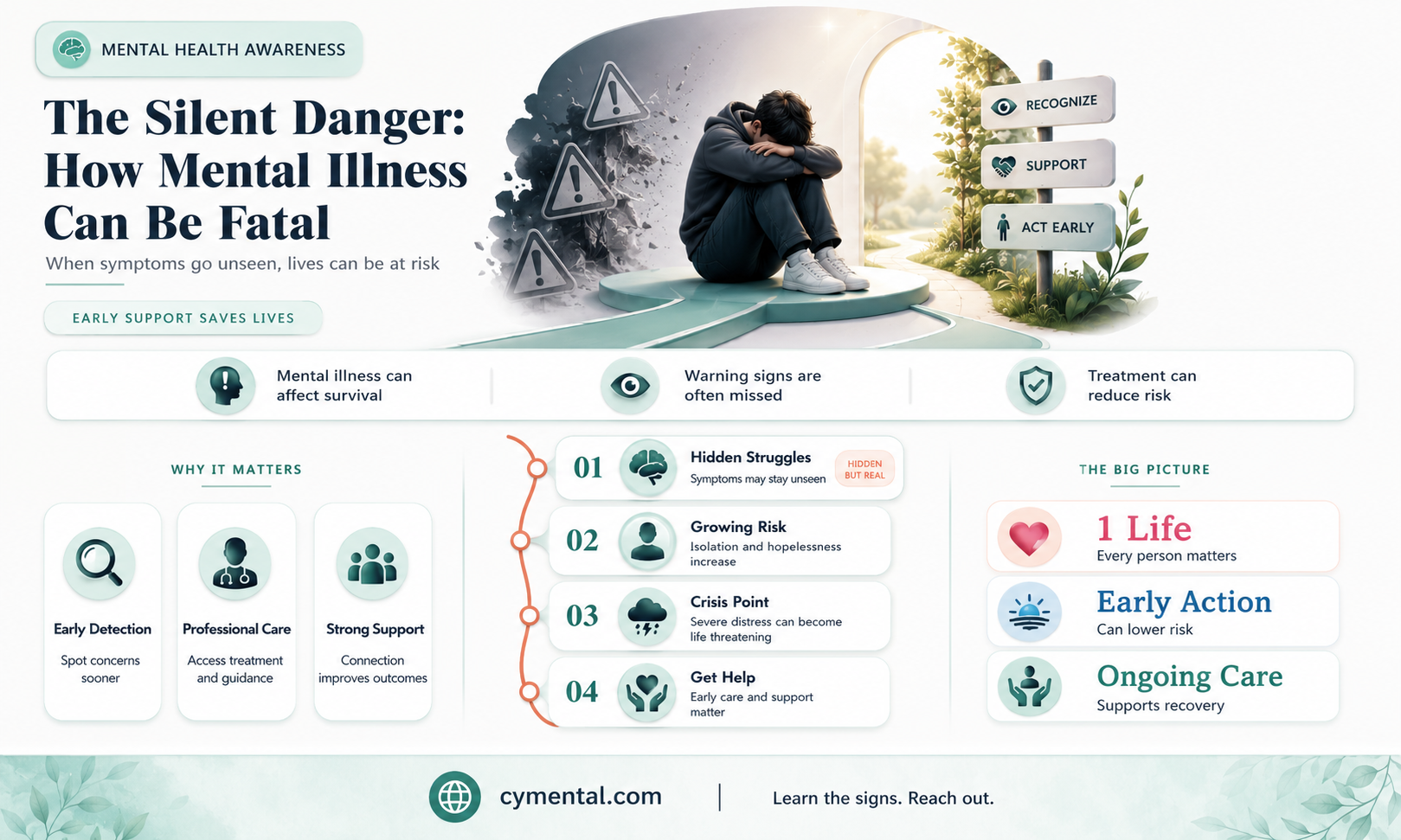
Mental illness can have severe and potentially life-threatening consequences if left untreated or poorly managed. While mental health conditions themselves may not directly cause death, they can significantly impact a person's physical health, behavior, and decision-making abilities, leading to situations where their life may be at risk. For example, individuals with severe depression may experience suicidal thoughts or behaviors, while those with schizophrenia may have impaired judgment that could lead to dangerous situations. Additionally, mental illness can exacerbate existing physical health conditions, such as heart disease or diabetes, and can lead to unhealthy behaviors like substance abuse or neglect of personal care, further increasing the risk of mortality. It is crucial to recognize the seriousness of mental illness and the importance of seeking appropriate treatment and support to prevent these tragic outcomes.
| Characteristics | Values |
|---|---|
| Definition | Mental illness refers to a wide range of mental health conditions that affect one's thinking, feeling, and behavior. |
| Types | Depression, anxiety disorders, schizophrenia, bipolar disorder, obsessive-compulsive disorder (OCD), post-traumatic stress disorder (PTSD), eating disorders, etc. |
| Symptoms | Symptoms vary depending on the type of mental illness but can include persistent sadness, anxiety, hallucinations, delusions, changes in appetite, sleep disturbances, and difficulty concentrating. |
| Causes | Mental illness can be caused by a combination of genetic, environmental, and psychological factors. Trauma, stress, substance abuse, and family history can contribute to the development of mental health conditions. |
| Diagnosis | Diagnosis is typically made by a mental health professional through a combination of interviews, questionnaires, and observation. |
| Treatment | Treatment options include psychotherapy (talk therapy), medication, lifestyle changes, and in some cases, hospitalization. |
| Prognosis | The prognosis varies depending on the type and severity of the mental illness. With proper treatment, many people can manage their symptoms and lead fulfilling lives. |
| Complications | Untreated mental illness can lead to complications such as substance abuse, social isolation, and an increased risk of suicide. |
| Prevention | Prevention strategies include promoting mental health awareness, reducing stigma, and providing access to early intervention and treatment services. |
| Impact on Society | Mental illness affects not only individuals but also their families, communities, and society as a whole. It can lead to increased healthcare costs, lost productivity, and strained social relationships. |
| Research | Ongoing research is focused on understanding the underlying causes of mental illness, developing more effective treatments, and improving mental health services. |
| Support | Support for individuals with mental illness includes mental health hotlines, support groups, and online resources. |
| Stigma | Stigma surrounding mental illness can prevent individuals from seeking help and can lead to discrimination and social exclusion. |
| Cultural Perspectives | Cultural perspectives on mental illness vary widely, with some cultures viewing it as a spiritual or moral issue rather than a medical condition. |
| Legal and Ethical Issues | Legal and ethical issues surrounding mental illness include questions about involuntary treatment, the right to refuse treatment, and the confidentiality of mental health records. |
What You'll Learn
- Suicide: Mental illness can lead to suicidal thoughts and behaviors, resulting in self-harm or death
- Self-harm: Individuals may engage in self-injurious behaviors as a coping mechanism, which can become fatal
- Eating disorders: Conditions like anorexia nervosa or bulimia can cause severe physical health issues, including malnutrition and organ failure
- Substance abuse: Mental illness may drive individuals to substance abuse, increasing the risk of overdose and death
- Psychosis: In severe cases, psychotic episodes can lead to dangerous behaviors, putting the individual or others at risk

Suicide: Mental illness can lead to suicidal thoughts and behaviors, resulting in self-harm or death
Suicide is a critical and often misunderstood consequence of mental illness. While many people are aware that mental health conditions can lead to suicidal thoughts, the gravity of these thoughts and the potential for fatal outcomes are not always fully recognized. Suicidal ideation can stem from a variety of mental illnesses, including depression, anxiety, bipolar disorder, and schizophrenia, among others. These conditions can distort a person's perception of reality, leading them to believe that suicide is the only solution to their problems.
One of the most dangerous aspects of suicidal thoughts is that they can quickly escalate into suicidal behaviors. This progression can be rapid, with individuals moving from passive thoughts of suicide to active planning and attempts within a short period. Risk factors for suicide include a history of mental illness, substance abuse, previous suicide attempts, and certain life events such as the loss of a loved one or significant social isolation. Understanding these risk factors is crucial for identifying individuals who may be at higher risk and providing them with the necessary support and interventions.
Preventing suicide requires a multifaceted approach that includes both individual and societal efforts. On an individual level, seeking professional help, maintaining a support network, and practicing self-care can be vital in managing mental health conditions and reducing the risk of suicide. Societally, reducing the stigma associated with mental illness, increasing access to mental health services, and implementing suicide prevention programs can help to lower suicide rates. It is also important to recognize the warning signs of suicide, such as talking about wanting to die, making plans to end one's life, or giving away possessions, and to take these signs seriously by encouraging the individual to seek help immediately.
In conclusion, suicide is a serious and potentially fatal consequence of mental illness that requires careful attention and proactive measures. By understanding the risk factors, recognizing the warning signs, and implementing comprehensive prevention strategies, we can work towards reducing the incidence of suicide and providing support to those who are struggling with mental health conditions.
Addressing Mental Health Concerns: When and How to Report
You may want to see also
Self-harm: Individuals may engage in self-injurious behaviors as a coping mechanism, which can become fatal
Self-harm, a complex and often misunderstood behavior, can serve as a coping mechanism for individuals struggling with mental health issues. While it may provide temporary relief or a sense of control, it is crucial to recognize the potentially fatal consequences of such actions. This section delves into the intricacies of self-harm, exploring its underlying causes, manifestations, and the severe risks it poses to one's well-being.
Individuals may engage in self-injurious behaviors for various reasons, including emotional regulation, self-punishment, or as a cry for help. Common forms of self-harm include cutting, burning, hitting, or scratching oneself. These actions can lead to serious physical injuries, infections, and even permanent scarring. Moreover, the repetitive nature of self-harm can create a cycle of shame and guilt, exacerbating the individual's mental health struggles.
The fatal risks associated with self-harm are multifaceted. In some cases, the injuries inflicted may be severe enough to cause immediate death, such as deep cuts to vital areas or burns covering a large portion of the body. Additionally, self-harm can lead to long-term health complications, including chronic pain, nerve damage, or organ dysfunction, which may ultimately contribute to a shortened lifespan. Furthermore, the emotional toll of self-harm can increase the risk of suicide, as individuals may feel overwhelmed by their struggles and see no other way out.
It is essential to approach the topic of self-harm with sensitivity and understanding. Rather than stigmatizing or dismissing these behaviors, it is crucial to offer support and resources to those affected. Mental health professionals can provide therapy, coping strategies, and alternative methods for emotional regulation, helping individuals break free from the cycle of self-harm. Additionally, educating the public about the realities of self-harm can foster a more compassionate and supportive environment for those struggling with mental health issues.
In conclusion, self-harm is a serious and potentially life-threatening behavior that requires attention and understanding. By recognizing the underlying causes and consequences of self-harm, we can work towards providing effective support and resources to those affected, ultimately helping to prevent fatal outcomes and promote overall well-being.
Empowering Mental Health Advocacy: A Guide to Petitioning for Support in Arizona
You may want to see also
Eating disorders: Conditions like anorexia nervosa or bulimia can cause severe physical health issues, including malnutrition and organ failure
Eating disorders such as anorexia nervosa and bulimia are serious mental health conditions that can have life-threatening physical consequences. These disorders are characterized by extreme behaviors related to food and body image, which can lead to severe malnutrition and organ failure if left untreated. Anorexia nervosa involves restricting food intake to the point of significant weight loss, while bulimia involves cycles of binge eating followed by purging through vomiting or laxative use. Both conditions can cause a range of physical health problems, including weakened bones, heart issues, and gastrointestinal complications. In severe cases, these physical complications can be fatal, making eating disorders one of the deadliest mental health conditions.
The physical health risks associated with eating disorders are often underestimated, but they can be severe and long-lasting. Malnutrition can lead to a weakened immune system, making individuals more susceptible to infections and illnesses. Organ failure can occur in severe cases, particularly if the disorder has been untreated for a long period. The heart is especially vulnerable to the effects of malnutrition, and individuals with anorexia nervosa may experience heart failure or other cardiac complications. Gastrointestinal issues are also common, including constipation, diarrhea, and stomach pain. These physical symptoms can significantly impact an individual's quality of life and, if left untreated, can lead to serious and potentially fatal health consequences.
Treatment for eating disorders typically involves a combination of psychological therapy, nutritional counseling, and medical care. Cognitive-behavioral therapy (CBT) is often used to address the underlying psychological issues contributing to the disorder, while nutritional counseling helps individuals develop healthy eating habits and regain weight if necessary. Medical care may be needed to address physical health complications, such as malnutrition or organ failure. In severe cases, hospitalization may be required to provide intensive medical and psychological care. Early intervention and treatment are crucial in preventing the serious physical health consequences of eating disorders, and individuals should seek help if they or someone they know is struggling with these conditions.
It is important to recognize that eating disorders are not just about food or body image; they are complex mental health conditions that can have serious physical consequences. By raising awareness about the physical health risks associated with eating disorders, we can help reduce the stigma surrounding these conditions and encourage individuals to seek help. If you or someone you know is struggling with an eating disorder, it is important to reach out to a healthcare professional or a support organization for help and guidance. Remember, early intervention and treatment can save lives and improve overall health outcomes.
Exploring the Link Between OCD and Mental Stability
You may want to see also
Substance abuse: Mental illness may drive individuals to substance abuse, increasing the risk of overdose and death
Individuals struggling with mental illness may turn to substance abuse as a coping mechanism, which can have devastating consequences. This behavior is often driven by an attempt to self-medicate or escape from the overwhelming symptoms of their mental health condition. For example, someone with severe depression might use drugs or alcohol to numb their emotional pain, while a person with anxiety might turn to substances to calm their racing thoughts.
The risk of overdose and death is significantly increased when mental illness and substance abuse co-occur. This is because the impaired judgment and decision-making abilities associated with mental illness can lead individuals to take dangerous risks with substances. Furthermore, the interaction between mental health medications and drugs or alcohol can have unpredictable and potentially lethal effects.
It is crucial to address both the mental illness and the substance abuse simultaneously in order to effectively treat this complex issue. Integrated treatment approaches, which combine psychiatric care with addiction treatment, have been shown to be the most effective in reducing the risk of overdose and death. These programs typically involve a combination of medication, therapy, and support groups to help individuals manage their mental health symptoms and overcome their addiction.
Unfortunately, there is still a significant stigma surrounding both mental illness and substance abuse, which can prevent individuals from seeking the help they need. It is essential to promote awareness and understanding of these issues in order to encourage people to seek treatment and reduce the number of preventable deaths.
In conclusion, the intersection of mental illness and substance abuse is a critical area of concern, as it can have fatal consequences. By providing integrated treatment and promoting awareness, we can help individuals struggling with these issues to recover and lead healthy, fulfilling lives.
Navigating Mental Health in the Workplace: Employer's Dilemma
You may want to see also
Psychosis: In severe cases, psychotic episodes can lead to dangerous behaviors, putting the individual or others at risk
In severe cases, psychotic episodes can lead to dangerous behaviors, putting the individual or others at risk. This is a critical aspect of mental illness that can have fatal consequences if not addressed promptly and effectively. During a psychotic episode, an individual may experience hallucinations, delusions, and disorganized thinking, which can impair their ability to make rational decisions and behave in a safe manner.
One of the most significant risks associated with psychosis is the potential for violent behavior. While not all individuals experiencing psychosis will become violent, the risk is elevated, particularly if the psychosis is left untreated. Violent behaviors can include physical assaults, self-harm, or even homicide. It is essential for individuals experiencing psychosis to receive immediate medical attention to mitigate these risks and ensure their safety and the safety of those around them.
Another dangerous aspect of psychosis is the increased risk of suicide. Individuals experiencing psychosis may have distorted perceptions of reality, which can lead to feelings of hopelessness, despair, and a desire to end their lives. Suicide is a leading cause of death among individuals with mental illness, and psychosis significantly increases this risk. It is crucial for healthcare providers to closely monitor individuals with psychosis for suicidal ideation and take appropriate measures to prevent suicide attempts.
In addition to the risks posed by violent behavior and suicide, psychosis can also lead to other dangerous outcomes, such as accidents or injuries resulting from impaired judgment and coordination. Individuals experiencing psychosis may engage in risky behaviors, such as driving while hallucinating or attempting to perform tasks that require precise coordination and attention. These behaviors can have severe consequences, including physical harm to the individual or others.
To mitigate the risks associated with psychosis, it is essential to provide comprehensive treatment that addresses the underlying causes of the psychotic episode. This may include medication, such as antipsychotics, as well as psychotherapy and social support. Early intervention is key to preventing the escalation of psychotic symptoms and reducing the risk of dangerous behaviors. By providing timely and effective treatment, healthcare providers can help individuals with psychosis lead safe and fulfilling lives.
Can Mentally Unstable Humans Influence Dog Aggression?
You may want to see also
Frequently asked questions
Mental illness can directly lead to physical harm or death through various means. For instance, individuals with severe depression may experience psychotic symptoms, such as hallucinations or delusions, which can lead to dangerous behaviors. Additionally, mental health crises can result in self-harm or suicidal ideation, which can be life-threatening if not addressed promptly.
Indirectly, mental illness can contribute to a person's death through factors such as increased risk of chronic physical health conditions, substance abuse, and social isolation. For example, individuals with mental health issues may be more likely to engage in unhealthy behaviors, such as smoking or excessive drinking, which can lead to long-term health problems and a shortened lifespan.
Yes, untreated mental illness can worsen over time and lead to fatal outcomes. Without proper treatment and support, mental health conditions can escalate, leading to more severe symptoms and an increased risk of self-harm or suicide. It is crucial for individuals experiencing mental health issues to seek professional help to manage their symptoms and reduce the risk of serious consequences.
Stigma plays a significant role in preventing individuals with mental illness from seeking help. Fear of judgment, discrimination, or being labeled as "crazy" can deter people from reaching out for support. This stigma can lead to individuals suffering in silence, which can exacerbate their mental health issues and increase the risk of harmful outcomes, including death. Combating stigma and promoting a culture of understanding and support is essential in encouraging individuals to seek the help they need.