Madison Cole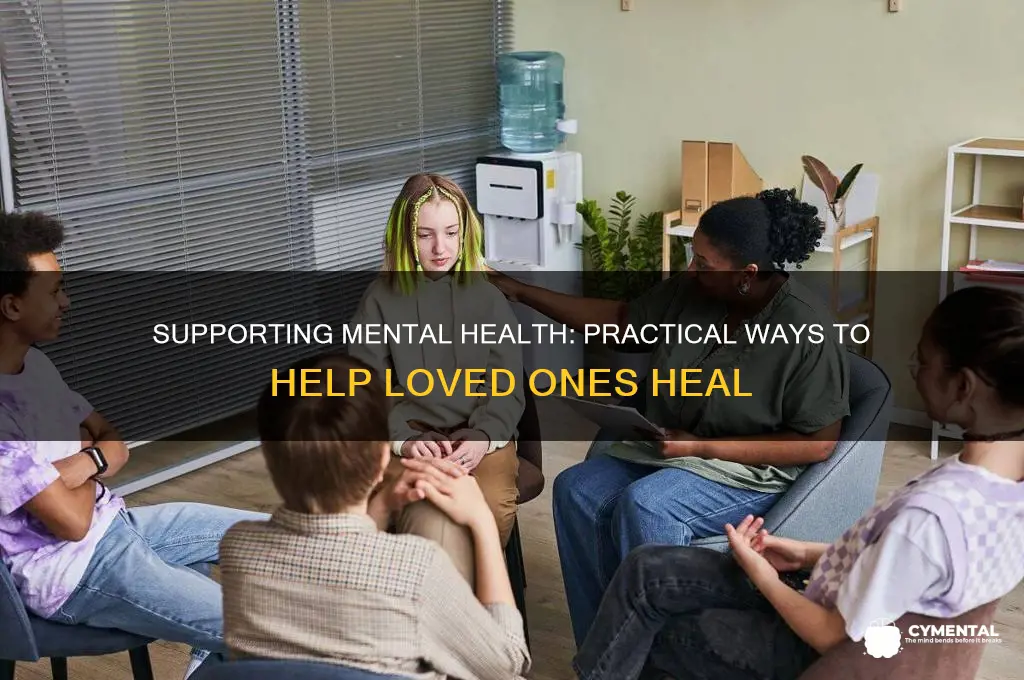
Helping someone with mental health issues requires empathy, patience, and understanding. Start by creating a safe, non-judgmental space where they feel comfortable sharing their feelings. Listen actively without interrupting or offering quick fixes, and validate their emotions to show you care. Encourage professional help, such as therapy or counseling, while offering to assist in finding resources or accompanying them to appointments. Be consistent in your support, but also set boundaries to protect your own well-being. Small gestures, like checking in regularly or engaging in activities they enjoy, can make a significant difference. Remember, your role is to support, not to fix, and sometimes simply being present is the most powerful way to help.
| Characteristics | Values |
|---|---|
| Listen Without Judgment | Create a safe, non-judgmental space for the person to express their feelings. Avoid interrupting or offering immediate solutions. |
| Educate Yourself | Learn about their specific mental health condition to better understand their experiences and challenges. |
| Encourage Professional Help | Gently suggest seeking therapy, counseling, or medical treatment. Offer to help find resources or accompany them to appointments. |
| Show Empathy | Validate their emotions and let them know their feelings are real and important. Use phrases like, "I’m here for you" or "That sounds really hard." |
| Be Patient | Recovery takes time. Avoid pressuring them to "get better" quickly. Be consistent in your support. |
| Offer Practical Help | Assist with daily tasks like cooking, cleaning, or running errands if they’re overwhelmed. |
| Stay Connected | Regularly check in with them, even if they don’t respond immediately. Small gestures like a text or call can make a difference. |
| Avoid Stigmatizing Language | Use respectful and neutral language. Avoid terms like "crazy" or "lazy" that can reinforce stigma. |
| Encourage Healthy Habits | Support them in maintaining a routine, including sleep, exercise, and nutrition, which can positively impact mental health. |
| Respect Boundaries | Allow them to set limits on what they’re comfortable sharing or doing. Don’t push them beyond their comfort zone. |
| Be Mindful of Triggers | Learn what situations or topics may worsen their symptoms and try to avoid or navigate them carefully. |
| Promote Self-Care for Yourself | Supporting someone with mental health issues can be emotionally taxing. Ensure you also take care of your own well-being. |
| Offer Hope and Encouragement | Remind them that recovery is possible and that they are not alone in their struggle. Celebrate small victories. |
| Avoid Enabling Harmful Behaviors | Support them without enabling self-destructive behaviors. Encourage positive changes while being firm about boundaries. |
| Use Crisis Resources | Familiarize yourself with emergency contacts (e.g., crisis hotlines) and know how to respond if they’re in immediate danger. |
| Be Consistent | Show up for them regularly, even if it’s just a brief check-in. Consistency builds trust and reliability. |
Explore related products


What You'll Learn
- Active Listening: Show empathy, focus fully, avoid judgment, and validate feelings to build trust and understanding
- Encourage Professional Help: Gently suggest therapy or counseling, offering support in finding resources
- Promote Self-Care: Encourage healthy habits like sleep, exercise, and nutrition to improve mental well-being
- Stay Connected: Maintain regular contact, invite activities, and remind them they’re not alone
- Educate Yourself: Learn about their condition to better understand and support their struggles

Active Listening: Show empathy, focus fully, avoid judgment, and validate feelings to build trust and understanding
One of the most powerful tools in supporting someone with mental health challenges is the art of active listening. It's not just about hearing words; it's about creating a safe space where the speaker feels truly understood. Imagine a friend confiding in you about their anxiety, their voice trembling as they describe the overwhelming sense of dread. Instead of offering quick solutions or downplaying their experience, you lean in, your full attention on their every word. This simple act of presence can be transformative.
The Power of Empathy and Focus: Active listening demands empathy, the ability to step into someone else's shoes and feel with them. When a colleague shares their struggles with depression, resist the urge to compare or offer platitudes. Instead, reflect on their emotions: "It sounds like you're feeling really isolated right now." This acknowledgment validates their experience and fosters a sense of connection. Maintain eye contact, nod, and use verbal cues like "I see" or "Tell me more" to show you're engaged. Research suggests that such focused attention releases oxytocin, the "bonding hormone," strengthening the listener-speaker relationship.
Avoiding Judgment: A Delicate Balance: Judgment can be a silent conversation killer. Consider a teenager opening up about self-harm. Phrases like "Why would you do that?" or "That's so attention-seeking" can shut down communication instantly. Instead, create a non-judgmental environment by asking open-ended questions: "How long have you been feeling this way?" or "What's been helping you cope?" This approach encourages the speaker to explore their thoughts and feelings without fear of criticism. Remember, your role is not to fix but to understand and support.
Validating Feelings: Building Trust Brick by Brick: Validation is a cornerstone of active listening. When a partner expresses fear about their OCD rituals, respond with statements like, "It makes sense that you'd feel anxious given what you're going through." This doesn't mean you agree with every thought but rather that you respect their emotional reality. Over time, this validation builds trust, encouraging the individual to share more openly. A study by the University of Texas found that perceived emotional validation significantly reduced emotional distress in participants, highlighting its therapeutic value.
Practical Tips for Effective Active Listening:
- Paraphrase and Clarify: Summarize what you've heard to ensure understanding: "So, you're saying that the panic attacks are worse in the mornings?"
- Be Mindful of Body Language: Avoid crossing your arms or checking your phone, as these signals can convey disinterest.
- Offer Reassurance: Let the person know you're there for them: "I'm here to listen whenever you need to talk."
- Avoid Interrupting: Allow pauses and silence, giving the speaker time to gather their thoughts.
- Educate Yourself: Learn about their specific mental health condition to better understand their experiences.
In the realm of mental health support, active listening is a skill that can be cultivated and refined. It requires patience, self-awareness, and a genuine desire to connect. By showing empathy, focusing intently, withholding judgment, and validating emotions, you become a trusted ally in someone's journey towards healing. This approach not only strengthens relationships but also empowers individuals to navigate their mental health challenges with greater resilience.
Empowering Change: Simple Actions to Make a Positive Impact Today
You may want to see also
Explore related products


Encourage Professional Help: Gently suggest therapy or counseling, offering support in finding resources
One of the most effective ways to support someone struggling with mental health is to encourage them to seek professional help. Mental health issues often require specialized care, and therapy or counseling can provide the tools and strategies needed for long-term recovery. However, suggesting professional help can be delicate, as stigma or fear of judgment may prevent someone from accepting the idea. Approach the conversation with empathy and patience, acknowledging their feelings while emphasizing the potential benefits of professional support.
To gently suggest therapy, frame it as a collaborative effort rather than a solution imposed on them. For example, say, *"I’ve noticed you’ve been going through a tough time, and I think talking to someone trained in this could really help. Would you be open to exploring some options together?"* Offer to assist in finding resources, such as researching therapists, checking insurance coverage, or even accompanying them to the first appointment. This reduces the burden of taking the first step and shows your commitment to their well-being.
When encouraging professional help, be mindful of the language you use. Avoid phrases like *"You need therapy"* or *"You should see someone,"* as these can feel dismissive or judgmental. Instead, focus on shared concern and support. For instance, *"I care about you, and I’d love to help you find someone to talk to if you’re open to it."* Highlight the normalcy of seeking help by sharing statistics, such as the fact that one in four adults experiences mental health challenges annually, and many benefit from therapy.
Practical assistance can make a significant difference in whether someone follows through. Offer to help them create a list of therapists or counselors based on their preferences, such as specialization (e.g., anxiety, depression, trauma), therapy type (e.g., cognitive-behavioral therapy, mindfulness-based therapy), or location. Websites like Psychology Today, BetterHelp, or local mental health organizations often provide searchable directories. If cost is a concern, suggest sliding-scale clinics, community health centers, or telehealth platforms that offer affordable options.
Finally, respect their autonomy and boundaries. If they’re hesitant, avoid pressuring them but let them know the offer stands whenever they’re ready. Sometimes, simply planting the seed is enough, and they may return to the idea later. Remember, your role is to support, not to force, and encouraging professional help is a powerful way to show you care while guiding them toward sustainable recovery.
Supporting Friends Through Mental Health Struggles: Compassionate Steps to Take
You may want to see also
Explore related products





Promote Self-Care: Encourage healthy habits like sleep, exercise, and nutrition to improve mental well-being
Physical health and mental health are inextricably linked. Neglecting one often exacerbates issues in the other, creating a cycle that can be difficult to break. Promoting self-care by encouraging healthy habits like sleep, exercise, and nutrition isn’t just about physical improvement—it’s a direct intervention in mental well-being. For instance, studies show that regular exercise releases endorphins, which act as natural mood lifters, while poor sleep can amplify symptoms of anxiety and depression. By addressing these foundational aspects, you provide a stable ground for someone to manage their mental health challenges more effectively.
Start with sleep, the cornerstone of mental resilience. Adults require 7–9 hours of quality sleep per night, yet stress and mental health issues often disrupt this. Encourage a consistent sleep schedule, even on weekends, to regulate the body’s internal clock. Practical tips include limiting screen time an hour before bed, creating a calming bedtime routine (e.g., reading or meditation), and ensuring the bedroom is cool, dark, and quiet. For those with insomnia, cognitive-behavioral therapy for insomnia (CBT-I) is a proven, non-pharmacological solution. Small adjustments here can yield significant improvements in mood and cognitive function.
Exercise is another powerful tool, but it doesn’t require marathon runs to be effective. Even 30 minutes of moderate activity, like brisk walking or cycling, five days a week can reduce symptoms of depression and anxiety. For younger individuals (teens and young adults), team sports or group fitness classes can provide social benefits alongside physical ones. For older adults, low-impact activities like yoga or swimming are gentler on joints while still boosting mental clarity. The key is consistency and enjoyment—find an activity they genuinely like to increase adherence.
Nutrition plays a subtle yet profound role in mental health. A diet rich in omega-3 fatty acids (found in salmon, walnuts, and flaxseeds), antioxidants (berries, spinach), and complex carbohydrates (whole grains) supports brain function and stabilizes mood. Conversely, excessive sugar and processed foods can lead to inflammation and energy crashes, worsening mental health symptoms. Encourage small, manageable changes, like swapping sugary snacks for fruit or adding leafy greens to meals. For those with severe mental health issues, consult a dietitian to tailor a plan that addresses specific needs, such as nutrient deficiencies common in depression.
Finally, approach self-care promotion with empathy and flexibility. Not everyone will respond to the same strategies, and what works one day may not work the next. Avoid being prescriptive or judgmental; instead, offer suggestions as collaborative ideas. For example, instead of saying, “You should exercise more,” try, “Would you like to try a short walk with me? It might help clear your mind.” By framing self-care as a shared journey rather than a checklist, you foster a supportive environment where healthy habits can take root and thrive.
Empowering Self-Care: Practical Strategies to Help Yourself Thrive Daily
You may want to see also
Explore related products


Stay Connected: Maintain regular contact, invite activities, and remind them they’re not alone
Social isolation often exacerbates mental health struggles, creating a feedback loop where withdrawal deepens despair. Breaking this cycle requires intentional, consistent connection. Aim to contact the person at least twice a week through their preferred method—whether text, call, or in-person visit. Consistency matters more than frequency; sporadic outreach can feel unreliable, while regular check-ins signal unwavering support. For example, a Monday morning message and a Friday evening call can provide bookends to their week, offering stability without overwhelming them.
Inviting someone to activities requires sensitivity to their energy levels and interests. Start small and low-pressure: a 20-minute walk, a coffee date, or even a shared virtual movie night. Avoid framing the invitation as a "fix" for their mental health; instead, emphasize the activity as something you genuinely want to do together. For instance, "I’m planning to try this new bakery—would you want to come?" feels more inclusive than, "You should get out of the house." Be prepared for refusals, and don’t take them personally; simply reiterate the offer in the future, showing that your door remains open.
Verbal reminders of their value and companionship are powerful but must feel authentic. Instead of generic reassurances like "You’re not alone," tie your words to specific actions or observations. For example, "I really enjoyed our talk last week—it means a lot to me that we can share these things" reinforces connection without minimizing their struggles. Similarly, sharing your own vulnerabilities (when appropriate) can model openness and normalize their experiences. However, avoid comparing hardships; statements like "I’ve been stressed too" can unintentionally diminish their pain.
Maintaining connection is a long-term commitment, not a quick fix. It requires patience, flexibility, and self-awareness. Monitor your own emotional capacity to ensure you’re not overextending, as resentment can undermine your efforts. If you’re unsure how to help, ask directly: "What would feel most supportive right now?" This not only provides clarity but also empowers them to articulate their needs. Remember, the goal isn’t to "solve" their mental health issues but to create a steady presence that reminds them they’re seen, valued, and not facing their struggles in isolation.
Finding Support: Where to Seek Help for Depression and Healing
You may want to see also
Explore related products


Educate Yourself: Learn about their condition to better understand and support their struggles
Understanding the mental health struggles of a loved one begins with education. It’s not enough to offer a listening ear or a comforting presence; you must also arm yourself with knowledge about their specific condition. Whether it’s depression, anxiety, bipolar disorder, or schizophrenia, each diagnosis comes with its own set of symptoms, triggers, and treatment approaches. For instance, knowing that someone with OCD isn’t just “neat” but experiences intrusive thoughts and compulsive behaviors can shift your perspective from judgment to empathy. Start by researching reputable sources like the National Alliance on Mental Illness (NAMI) or the World Health Organization (WHO) to grasp the clinical aspects, but also seek personal narratives to humanize the experience.
Consider this: a person with PTSD might react intensely to seemingly minor triggers, like a loud noise or a crowded room. Without understanding the condition, you might misinterpret their response as overreaction or drama. However, learning that PTSD involves hyperarousal and flashbacks can help you recognize their struggle as a legitimate physiological response to trauma. This knowledge allows you to respond with patience and create a safe environment, such as by avoiding surprise gestures or giving them space when needed. Practical steps include asking them directly about their triggers (if they’re comfortable sharing) and familiarizing yourself with grounding techniques to assist during episodes.
Educating yourself also involves dispelling myths and biases. For example, many assume that someone with depression can simply “snap out of it” or that anxiety is just “being nervous.” These misconceptions can lead to invalidating statements like, “You just need to think positively.” Instead, learn the biological and environmental factors contributing to these conditions. Depression, for instance, often involves imbalances in neurotransmitters like serotonin, while anxiety disorders can be exacerbated by chronic stress or genetic predispositions. Armed with this knowledge, you can avoid harmful advice and instead offer informed support, such as encouraging professional treatment or helping them track mood patterns to identify triggers.
A cautionary note: while education is crucial, avoid becoming an armchair expert or diagnosing their experiences. Your role is to understand, not to treat. For example, knowing that schizophrenia involves hallucinations doesn’t qualify you to manage their medication or therapy. Instead, use your knowledge to foster a supportive environment, such as by avoiding arguments about the reality of their hallucinations and instead acknowledging their distress. Additionally, be mindful of your own emotional limits; educating yourself can be emotionally taxing, so pace your learning and seek support if needed.
In conclusion, educating yourself about a loved one’s mental health condition is a powerful act of solidarity. It transforms your role from a passive bystander to an active ally, equipped with the tools to provide meaningful support. Start with credible resources, incorporate personal narratives, and apply your knowledge with sensitivity and humility. Remember, the goal isn’t to fix them but to understand their world and walk alongside them in it. By doing so, you not only strengthen your relationship but also contribute to their journey toward healing.
Melodies of Healing: Music's Powerful Impact on Mental Well-Being
You may want to see also
Frequently asked questions
Approach them with empathy and without judgment. Start by expressing concern in a gentle, non-confrontational way, such as, "I’ve noticed you seem a bit down lately, and I wanted to check in. How are you feeling?" Listen actively without interrupting, and let them know you’re there to support them.
Encourage them gently and remind them that seeking help is a sign of strength. Offer to assist with finding resources, such as therapists or support groups, and let them know you’re willing to accompany them. Avoid pressuring them, as this can create resistance. Instead, focus on being a consistent source of support.
Set clear boundaries to protect your own mental health. Encourage professional help while offering emotional support, but avoid taking on the role of a therapist. Practice self-care regularly, and seek support for yourself if needed. Remember, you can’t pour from an empty cup.