Madison Cole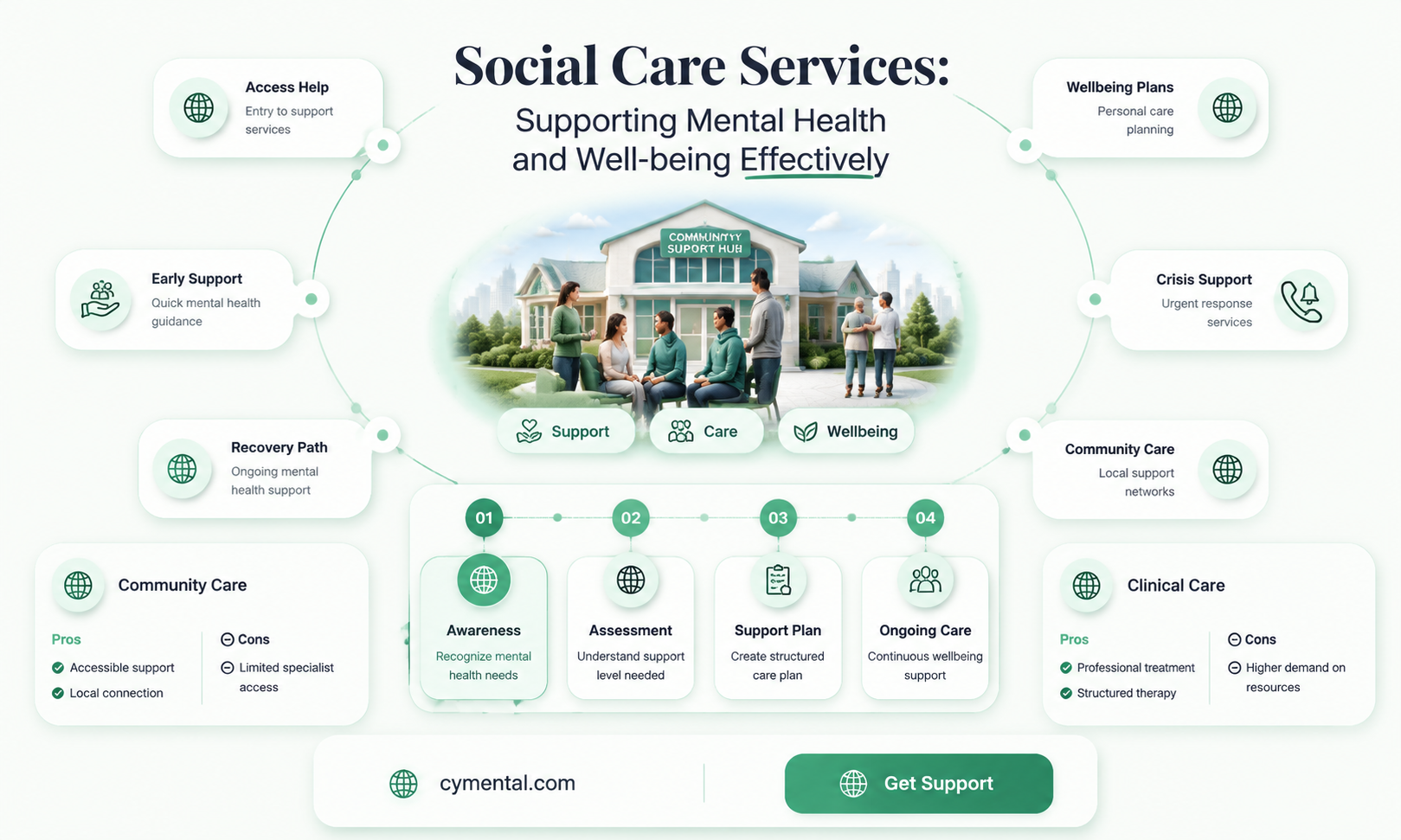
Social care services play a vital role in supporting individuals with mental health challenges by providing holistic, person-centered care that addresses both emotional and practical needs. These services often include counseling, case management, and community-based support, helping individuals navigate daily life while fostering resilience and recovery. By offering tailored interventions, such as assistance with housing, employment, and social connections, social care bridges gaps in mental health treatment, ensuring individuals receive comprehensive support beyond clinical settings. Additionally, social care professionals collaborate with healthcare providers to create integrated care plans, promoting stability, independence, and improved overall well-being for those facing mental health difficulties.
| Characteristics | Values |
|---|---|
| Holistic Support | Addresses social determinants of mental health (e.g., housing, employment, relationships). |
| Personalized Care Plans | Tailored interventions based on individual needs, preferences, and goals. |
| Community Integration | Facilitates access to community resources, groups, and activities to reduce isolation. |
| Crisis Intervention | Provides immediate support during mental health crises, including emergency services. |
| Advocacy and Empowerment | Helps individuals navigate systems and assert their rights in healthcare and social welfare. |
| Skill Development | Teaches coping strategies, life skills, and self-management techniques for mental well-being. |
| Collaboration with Healthcare | Works alongside mental health professionals to ensure coordinated and comprehensive care. |
| Prevention and Early Intervention | Identifies risks early and provides support to prevent mental health issues from worsening. |
| Family and Carer Support | Offers guidance and resources to families and caregivers of individuals with mental health needs. |
| Access to Benefits and Funding | Assists in securing financial support, benefits, and funding for mental health services. |
| Long-Term Support | Provides ongoing assistance to manage chronic mental health conditions and maintain stability. |
| Stigma Reduction | Promotes awareness and understanding to combat stigma surrounding mental health. |
| Cultural Sensitivity | Delivers services that respect and incorporate cultural backgrounds and beliefs. |
| Technology Integration | Utilizes digital tools (e.g., telehealth, apps) to enhance accessibility and engagement. |
| Outcome Monitoring | Tracks progress and adjusts care plans to ensure effectiveness and improve outcomes. |
Explore related products


What You'll Learn
- Early Intervention: Timely support prevents mental health issues from escalating, promoting recovery and resilience
- Personalized Care Plans: Tailored strategies address individual needs, enhancing treatment effectiveness and well-being
- Community Integration: Social care fosters connections, reducing isolation and improving mental health outcomes
- Crisis Support: Immediate assistance during mental health emergencies ensures safety and stabilization
- Skill Development: Teaching coping mechanisms and life skills empowers individuals to manage mental health challenges

Early Intervention: Timely support prevents mental health issues from escalating, promoting recovery and resilience
Mental health issues often begin subtly, with signs that are easy to overlook or dismiss. Early intervention by social care services can act as a critical safeguard, identifying these signs before they develop into more severe conditions. For instance, a young adult experiencing persistent anxiety might exhibit changes in sleep patterns, social withdrawal, or declining academic performance. Social care workers trained in mental health first aid can recognize these indicators and initiate timely support, such as counseling or peer support groups, to prevent the issue from escalating.
Consider the case of a 16-year-old struggling with low mood and self-esteem. Without intervention, these symptoms could evolve into clinical depression, potentially leading to self-harm or suicidal ideation. Early intervention strategies, such as cognitive-behavioral therapy (CBT) delivered within 4–6 weeks of symptom onset, have been shown to reduce the risk of chronic mental health conditions by up to 40%. Social care services can facilitate access to such therapies, ensuring adolescents receive evidence-based treatment during this critical window.
However, early intervention is not just about clinical treatments. It also involves addressing social determinants of mental health, such as housing instability, unemployment, or lack of social connections. For example, a single parent facing eviction might experience heightened stress and anxiety, which could exacerbate existing mental health issues. Social care services can step in by providing practical support, such as housing assistance or benefits advice, alongside emotional support to build resilience. This dual approach ensures that both the immediate crisis and underlying stressors are addressed.
To implement effective early intervention, social care services must adopt a proactive rather than reactive mindset. This includes regular mental health screenings in schools, workplaces, and community centers, particularly for vulnerable populations like young people, new mothers, and the elderly. For instance, the HeadStart program in the UK targets children aged 10–16, offering resilience-building activities and early mental health support to prevent issues from taking root. Such programs demonstrate how social care can act as a preventive force, fostering recovery and resilience before mental health issues become entrenched.
In conclusion, early intervention is a cornerstone of effective mental health support, and social care services are uniquely positioned to deliver it. By combining clinical interventions with practical and emotional support, they can halt the progression of mental health issues, promote recovery, and build long-term resilience. The key lies in acting swiftly, addressing both psychological and social needs, and embedding preventive measures into everyday community settings. This approach not only alleviates individual suffering but also reduces the broader societal burden of mental illness.
Turmeric's Potential Role in Supporting Mental Health and Wellness
You may want to see also
Explore related products


Personalized Care Plans: Tailored strategies address individual needs, enhancing treatment effectiveness and well-being
Social care services play a pivotal role in mental health support by offering personalized care plans that cater to the unique needs of each individual. These plans are not one-size-fits-all but are meticulously crafted to address specific challenges, preferences, and goals. For instance, a 35-year-old professional struggling with anxiety might benefit from a combination of cognitive-behavioral therapy (CBT) sessions, mindfulness exercises, and flexible work arrangements facilitated by a social care coordinator. In contrast, a 60-year-old retiree dealing with depression might require a plan that includes social engagement activities, medication management, and regular home visits from a mental health nurse. This tailored approach ensures that interventions are not only relevant but also more likely to be embraced and sustained.
The effectiveness of personalized care plans lies in their ability to integrate multiple facets of an individual’s life. For a teenager with ADHD and co-occurring anxiety, a care plan might involve school support systems, such as extended exam times or access to a quiet room, alongside family therapy and individual counseling. The social care team collaborates with educators, parents, and healthcare providers to create a cohesive strategy. This holistic approach minimizes gaps in care and fosters a supportive environment where the individual can thrive. Research shows that such integrated plans can reduce symptoms by up to 40% within six months, compared to generic treatment protocols.
Implementing personalized care plans requires a systematic process. First, a comprehensive assessment is conducted to identify the individual’s mental health needs, strengths, and barriers. This includes evaluating their social environment, cultural background, and personal preferences. For example, a culturally sensitive plan for a first-generation immigrant might incorporate language-specific resources and community-based support groups. Second, goals are co-created with the individual, ensuring they feel empowered and invested in their care. Third, the plan is regularly reviewed and adjusted based on progress and feedback. This iterative process ensures that the strategies remain effective and aligned with evolving needs.
One of the key advantages of personalized care plans is their ability to enhance engagement and adherence to treatment. When individuals see that their care is tailored to their circumstances, they are more likely to participate actively. For instance, a young adult with bipolar disorder might be more motivated to take medication consistently if their care plan includes peer support groups and a digital mood-tracking app that provides real-time feedback. Similarly, a single parent with postpartum depression might find it easier to attend therapy sessions if childcare assistance is included in their plan. These practical accommodations remove barriers and make mental health care more accessible.
Despite their benefits, personalized care plans are not without challenges. They require significant coordination among various stakeholders, including healthcare providers, social workers, and community organizations. Additionally, they demand ongoing resources and flexibility to adapt to changing circumstances. However, the long-term outcomes justify the investment. Studies indicate that individuals with personalized care plans report higher levels of satisfaction, improved quality of life, and reduced hospital admissions. By prioritizing individuality and collaboration, social care services can transform mental health support from a generic intervention into a powerful tool for lasting well-being.
Supporting Loved Ones: A Guide to Accessing Mental Health Assistance
You may want to see also
Explore related products





Community Integration: Social care fosters connections, reducing isolation and improving mental health outcomes
Social isolation is a silent epidemic, exacerbating mental health issues like depression and anxiety. Social care services combat this by intentionally fostering community integration, creating pathways for individuals to reconnect and rebuild their social fabric.
Imagine a senior citizen, recently widowed, struggling with loneliness. A social care program might connect them with a local gardening club, providing not just shared activity but a sense of belonging and purpose. This simple act of integration can significantly improve their mood, reduce feelings of isolation, and even encourage healthier lifestyle choices.
The benefits of community integration extend beyond emotional well-being. Studies show that social connections can lower blood pressure, boost immune function, and even increase lifespan. Social care programs act as catalysts, facilitating these connections through structured activities, support groups, and volunteer opportunities tailored to individual interests and abilities.
Think of a young adult with social anxiety. A social care worker might encourage them to join a book club specifically designed for individuals facing similar challenges. This controlled environment allows for gradual social exposure, building confidence and fostering meaningful relationships.
However, successful community integration requires a nuanced approach. Social care professionals must consider cultural backgrounds, personal preferences, and the unique needs of each individual. For example, a refugee family may benefit from connecting with other families from their cultural community, while someone with agoraphobia might require home-based activities or virtual social groups.
By tailoring interventions and providing ongoing support, social care services empower individuals to navigate the complexities of social interaction, ultimately leading to improved mental health and a stronger sense of belonging within their communities.
Encouraging Mental Health Support for Your Husband: Options and Limits
You may want to see also
Explore related products


Crisis Support: Immediate assistance during mental health emergencies ensures safety and stabilization
In the midst of a mental health crisis, every second counts. Immediate access to crisis support services can be the difference between escalation and stabilization. These services, often provided by social care teams, are designed to offer rapid response and intervention, ensuring the individual's safety and preventing the situation from worsening. For instance, a person experiencing severe anxiety or suicidal thoughts may require urgent de-escalation techniques, which trained professionals can provide over the phone or in person. This immediate assistance acts as a crucial safety net, buying time until more comprehensive treatment can be arranged.
The Role of Crisis Intervention Teams (CIT):
A key component of crisis support is the deployment of specialized teams, such as CITs, who are trained to handle mental health emergencies. These teams typically consist of mental health professionals, social workers, and law enforcement officers with specific training in crisis intervention. When dispatched to an emergency, they employ strategies to calm and assess the individual, often preventing the need for more restrictive measures like hospitalization. For example, a CIT officer might use verbal de-escalation techniques to communicate with someone in a psychotic episode, helping them regain a sense of control and understanding.
Practical Steps for Crisis Support:
- Hotline Services: Establishing 24/7 crisis hotlines is essential. These services provide immediate access to trained counselors who can offer support, assess risk, and guide individuals towards appropriate resources. For instance, the Samaritans' hotline offers emotional support and can provide valuable assistance during moments of crisis.
- Mobile Crisis Units: Deploying mobile teams to reach individuals in their homes or public spaces allows for on-site assessment and intervention. These teams can quickly determine the level of care needed, whether it's counseling, medication adjustments, or hospitalization.
- Safe Spaces: Creating designated crisis centers or 'safe havens' provides an alternative to emergency rooms for those in distress. These centers offer a calm environment, immediate support, and short-term stabilization, often preventing the need for more intensive and costly interventions.
The effectiveness of crisis support lies in its ability to provide tailored, rapid responses. By offering a range of services, from phone counseling to mobile interventions, social care systems can address the diverse needs of individuals in crisis. This multi-faceted approach ensures that people receive the right level of care at the critical moment, potentially altering the course of their mental health journey.
Furthermore, crisis support services play a vital role in reducing the stigma associated with mental health emergencies. By providing accessible and non-judgmental assistance, these services encourage individuals to seek help without fear, fostering a culture of support and understanding. This aspect of crisis intervention is particularly important in communities where mental health issues may be less openly discussed.
Singing for Mental Health: Unlocking Emotional Well-being Through Music
You may want to see also
Explore related products




Skill Development: Teaching coping mechanisms and life skills empowers individuals to manage mental health challenges
Effective mental health support often hinges on equipping individuals with the tools to navigate their challenges independently. Skill development, particularly in coping mechanisms and life skills, is a cornerstone of this approach. By teaching strategies like mindfulness, cognitive reframing, and stress management, social care services empower individuals to mitigate the impact of mental health issues. For instance, mindfulness practices, such as deep breathing exercises or guided meditation, can be taught in 10-minute daily sessions, helping individuals ground themselves during moments of anxiety. Similarly, cognitive reframing techniques, which involve challenging negative thought patterns, can be practiced through journaling or structured therapy sessions, fostering resilience over time.
The integration of life skills training complements coping mechanisms by addressing the practical aspects of daily living that often exacerbate mental health struggles. Skills like time management, budgeting, and communication are essential for reducing external stressors. For example, a 20-year-old struggling with depression might benefit from a weekly workshop on meal planning and grocery shopping, which not only ensures nutritional needs are met but also provides a sense of accomplishment. Social care providers can tailor these programs to age groups—adolescents might focus on study skills and peer interaction, while older adults could benefit from digital literacy training to combat isolation.
However, skill development is not a one-size-fits-all solution. It requires careful assessment of individual needs and ongoing support. For instance, a person with severe anxiety may initially struggle with group-based skill-building activities, necessitating one-on-one sessions before transitioning to a communal setting. Providers must also balance instruction with encouragement, ensuring participants feel capable rather than overwhelmed. A key caution is avoiding overloading individuals with too many skills at once; a phased approach, starting with one or two manageable goals, is more sustainable.
The long-term impact of skill development lies in its ability to foster self-efficacy. When individuals master coping mechanisms and life skills, they gain confidence in their ability to handle adversity. This shift from dependency to autonomy is transformative, reducing reliance on external support systems while enhancing overall well-being. For example, a 35-year-old with bipolar disorder who learns to track mood patterns and adhere to medication schedules may experience fewer hospitalizations and greater stability in their personal and professional life.
In conclusion, skill development is a proactive and empowering strategy within social care services. By combining coping mechanisms with practical life skills, providers address both the emotional and logistical barriers to mental health management. While implementation requires personalization and patience, the payoff is significant: individuals become active participants in their recovery, equipped with the resilience to face future challenges. This approach not only improves individual outcomes but also reduces the broader societal burden of mental health issues.
Writing as Therapy: Unlocking Mental Health Benefits Through Self-Expression
You may want to see also
Frequently asked questions
Social care services provide personalized support, including assistance with daily living, access to community resources, and emotional support, tailored to the individual's mental health needs.
Social care workers offer practical help, such as managing medications, facilitating therapy sessions, and creating structured routines, while also providing a listening ear and advocating for the individual's well-being.
Yes, by offering early intervention, monitoring mental health symptoms, and connecting individuals to appropriate professional help, social care services can play a crucial role in preventing crises and promoting stability.
Social care services work alongside mental health professionals by sharing insights on the individual's daily functioning, coordinating care plans, and ensuring a holistic approach to treatment and recovery.