Caleb Wright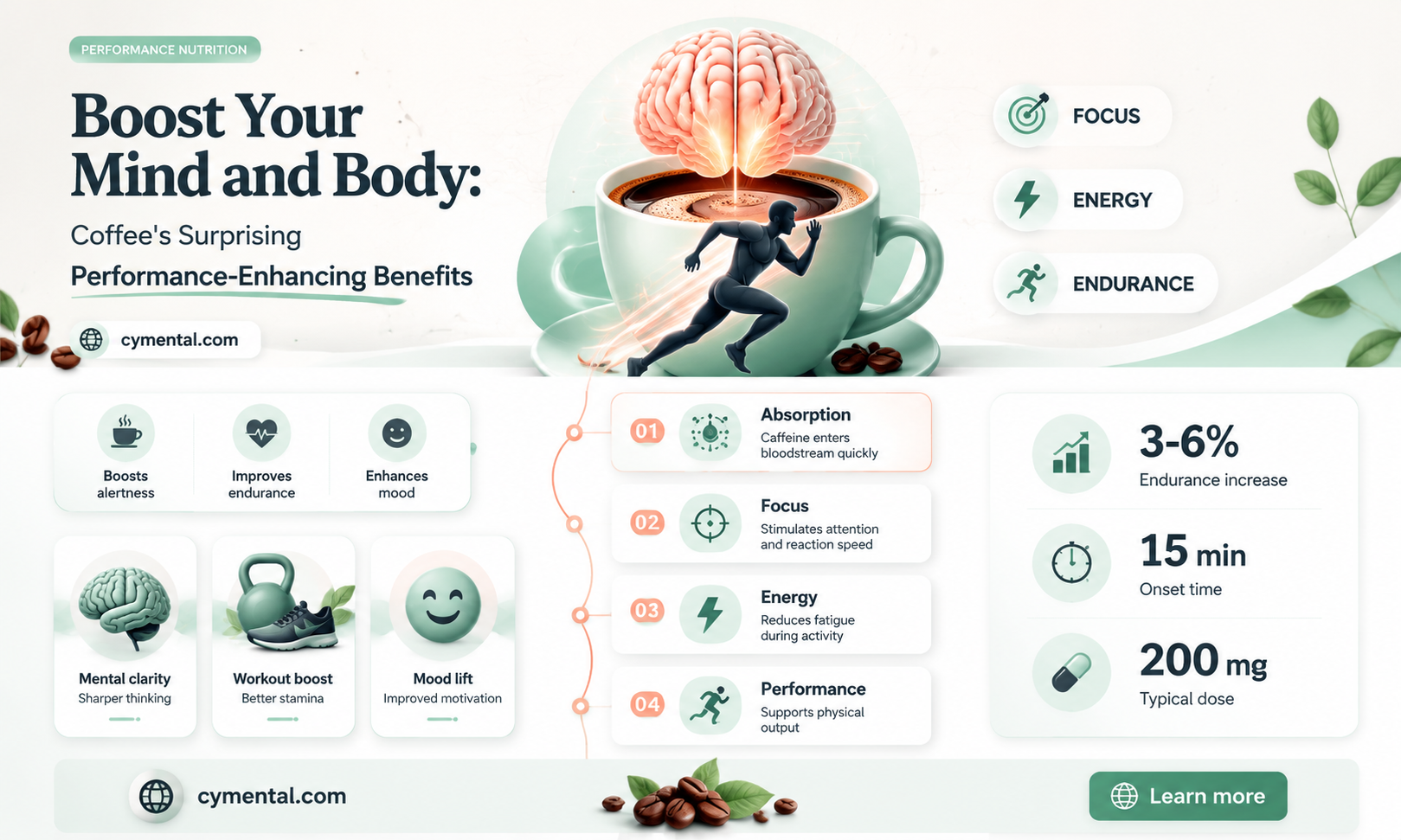
Coffee, a beloved morning staple for millions, is more than just a comforting beverage—it’s a powerful stimulant that can significantly enhance both mental and physical performance. Rich in caffeine, coffee stimulates the central nervous system, improving focus, alertness, and cognitive function by blocking adenosine receptors, which reduces fatigue and promotes clarity. Beyond mental benefits, coffee boosts physical performance by increasing adrenaline levels, mobilizing fatty acids for energy, and improving muscle contraction efficiency, making it a favorite among athletes. Additionally, its antioxidant properties combat oxidative stress, supporting overall health and recovery. Whether you’re tackling a demanding workday or pushing through a rigorous workout, coffee’s dual role in sharpening the mind and energizing the body makes it an invaluable ally for peak performance.
| Characteristics | Values |
|---|---|
| Cognitive Enhancement | Improves focus, attention, and alertness by blocking adenosine receptors in the brain, increasing neurotransmitter activity (e.g., dopamine and norepinephrine). |
| Physical Performance | Boosts endurance by increasing epinephrine (adrenaline) levels, mobilizing fatty acids for energy, and reducing perceived exertion during exercise. |
| Reaction Time | Enhances reaction time and cognitive function, particularly in tasks requiring sustained attention or rapid decision-making. |
| Memory Consolidation | Aids in memory retention and recall, especially for complex tasks, by modulating brain activity in regions like the hippocampus. |
| Mood and Motivation | Elevates mood and motivation by increasing dopamine levels, reducing feelings of fatigue, and improving overall mental well-being. |
| Metabolism and Fat Oxidation | Stimulates metabolic rate and promotes fat burning by increasing the release of fatty acids into the bloodstream, aiding in weight management and energy production. |
| Antioxidant Properties | Rich in antioxidants (e.g., chlorogenic acids) that combat oxidative stress, reduce inflammation, and protect cells from damage, contributing to long-term brain and physical health. |
| Pain Reduction | Acts as a mild analgesic by reducing muscle pain perception during physical activity, allowing for longer and more intense workouts. |
| Neuroprotective Effects | Lowers the risk of neurodegenerative diseases like Alzheimer's and Parkinson's by protecting neurons and reducing brain inflammation. |
| Energy Levels | Provides a quick energy boost by stimulating the central nervous system, improving overall productivity and reducing feelings of tiredness. |
| Liver Health | Reduces the risk of liver diseases (e.g., cirrhosis and non-alcoholic fatty liver disease) by lowering liver enzyme levels and improving liver function. |
| Diabetes Management | Improves insulin sensitivity and regulates blood sugar levels, reducing the risk of type 2 diabetes by enhancing glucose metabolism. |
| Recovery and Muscle Repair | May aid in post-exercise recovery by reducing muscle soreness and inflammation, though research is still emerging in this area. |
| Longevity and Mortality Reduction | Associated with a lower risk of premature death and increased lifespan, potentially due to its protective effects on cardiovascular, liver, and brain health. |
Explore related products




What You'll Learn
- Boosts Alertness: Caffeine blocks adenosine, enhancing neuron firing for improved focus and wakefulness
- Enhances Memory: Coffee improves memory consolidation, aiding in learning and information retention
- Increases Metabolism: Caffeine stimulates thermogenesis, boosting calorie burn and physical energy levels
- Improves Mood: Coffee triggers dopamine release, reducing stress and enhancing overall well-being
- Boosts Physical Endurance: Caffeine increases adrenaline, improving athletic performance and reducing fatigue

Boosts Alertness: Caffeine blocks adenosine, enhancing neuron firing for improved focus and wakefulness
Ever felt that mid-afternoon slump where your eyelids droop and your brain feels like it’s wading through molasses? That’s adenosine at work, a neurotransmitter that accumulates throughout the day, signaling fatigue and the need for rest. Enter caffeine, the unsung hero of your morning brew. Caffeine acts as an adenosine receptor antagonist, effectively blocking adenosine from binding to its receptors in the brain. This blockade prevents the slowdown of neural activity, keeping your neurons firing at a higher rate. The result? Enhanced alertness, sharper focus, and a noticeable lift in wakefulness. It’s like hitting the “refresh” button on your brain, but without the need for a nap.
To maximize this effect, timing and dosage matter. Studies suggest that 40–300 mg of caffeine (roughly 1–3 cups of coffee) is optimal for boosting alertness without overstimulation. Consuming coffee in the morning or early afternoon aligns with your body’s natural circadian rhythm, when adenosine levels are highest. However, avoid caffeine within 6 hours of bedtime, as it can interfere with sleep by continuing to block adenosine receptors. For those sensitive to caffeine, start with a smaller dose and gradually increase to assess tolerance. Pairing coffee with a glass of water can also mitigate dehydration, a common side effect of caffeine consumption.
Consider this: athletes and students alike leverage caffeine’s adenosine-blocking properties to enhance performance. A pre-workout cup of coffee can improve reaction time and endurance by keeping fatigue at bay. Similarly, students pulling all-nighters often rely on coffee to maintain focus during intense study sessions. But here’s the catch—caffeine’s effects are temporary, and over-reliance can lead to diminished returns. The key is moderation. Think of caffeine as a tool, not a crutch. Use it strategically to combat adenosine-induced sluggishness when you need it most.
For a practical tip, combine coffee with a light snack containing healthy fats or protein. This slows caffeine absorption, providing a more sustained release of energy rather than a sudden spike followed by a crash. Additionally, experimenting with different coffee beans or brewing methods can help you find a flavor profile that enhances your overall experience, making the ritual of drinking coffee as enjoyable as its cognitive benefits. Remember, the goal isn’t just to stay awake—it’s to stay alert, focused, and productive. By understanding how caffeine interacts with adenosine, you can harness its power to optimize your mental performance without sacrificing balance.
Supporting Student Well-being: Universities' Role in Mental Health Initiatives
You may want to see also
Explore related products


Enhances Memory: Coffee improves memory consolidation, aiding in learning and information retention
Coffee's impact on memory consolidation is a fascinating aspect of its cognitive benefits. Research suggests that caffeine, the primary active compound in coffee, interacts with brain receptors to enhance the process of memory formation. When you consume coffee, especially in moderate amounts, it can significantly improve your ability to retain and recall information. For instance, a study published in *Nature Neuroscience* found that a 200mg dose of caffeine—equivalent to about one strong cup of coffee—administered after a learning task improved participants' memory recall by up to 30% when tested 24 hours later. This effect is particularly beneficial for students, professionals, or anyone engaged in tasks requiring sustained learning and retention.
To maximize coffee's memory-enhancing benefits, timing is crucial. Consuming coffee shortly after studying or learning new material can optimize memory consolidation during the critical period when the brain transfers information from short-term to long-term storage. For example, if you’re preparing for an exam or presentation, consider having a cup of coffee immediately after reviewing key material. However, avoid excessive caffeine intake, as doses above 400mg per day (roughly 4 cups of brewed coffee) can lead to side effects like jitters or insomnia, which may counteract its cognitive benefits. Pairing coffee with a balanced diet and adequate sleep further amplifies its positive effects on memory.
A comparative analysis reveals that coffee’s memory-enhancing properties outperform those of many other beverages. Unlike sugary energy drinks, which provide a short-lived boost followed by a crash, coffee’s effects are sustained and supported by robust scientific evidence. Similarly, while tea contains caffeine, coffee typically delivers a higher dose, making it more effective for memory consolidation. For older adults, coffee’s benefits extend to cognitive health, potentially reducing the risk of age-related memory decline. A longitudinal study in *The Journals of Gerontology* found that individuals over 65 who consumed moderate amounts of coffee experienced slower rates of memory deterioration compared to non-coffee drinkers.
Incorporating coffee into your daily routine for memory enhancement requires mindfulness. Start with a single cup in the morning or after learning sessions, and observe how your body responds. If you’re sensitive to caffeine, opt for a smaller dose or switch to a lighter roast, which generally contains less caffeine. Combining coffee with brain-boosting activities like puzzles, reading, or language learning can further enhance its effects. Remember, consistency is key—regular, moderate consumption yields better results than sporadic, high-dose intake. By strategically integrating coffee into your routine, you can harness its power to improve memory consolidation and elevate your cognitive performance.
Building Resilience: How Legos Enhance Mental Health and Well-being
You may want to see also
Explore related products


Increases Metabolism: Caffeine stimulates thermogenesis, boosting calorie burn and physical energy levels
Caffeine, the star compound in coffee, is a metabolic powerhouse. It triggers thermogenesis, a process where your body generates heat and energy by burning calories. This isn’t just a passive effect—studies show that caffeine can increase metabolic rate by 3-11%, depending on the individual and dosage. For context, a single cup of coffee (8 oz) contains roughly 95 mg of caffeine, which is enough to kickstart this process. If you’re looking to maximize this benefit, timing matters: consuming coffee 30–60 minutes before physical activity can amplify calorie burn during exercise.
Consider this practical scenario: a 30-year-old office worker who sits for 8 hours a day. By incorporating 2–3 cups of coffee spaced throughout the morning and early afternoon, they can counteract some of the metabolic slowdown associated with a sedentary lifestyle. However, it’s not just about drinking coffee mindlessly. Pairing it with a balanced diet and regular movement—like standing breaks or short walks—enhances its thermogenic effects. Think of coffee as a tool, not a magic bullet, in your metabolic toolkit.
Now, let’s talk dosage. While 95 mg of caffeine (one cup) is effective for most, tolerance varies. For instance, a 20-year-old athlete might require closer to 200 mg (two cups) to feel the same metabolic boost as a 40-year-old non-athlete. Overdoing it—say, exceeding 400 mg daily—can lead to jitters, insomnia, or increased heart rate, negating the benefits. Start low, monitor how your body responds, and adjust accordingly. Pregnant individuals or those with heart conditions should consult a doctor before upping their intake.
Finally, the synergy between caffeine and physical energy is undeniable. Thermogenesis not only burns calories but also elevates your body’s energy production, making you feel more alert and ready to move. This is why athletes often use coffee as a pre-workout. But here’s the kicker: combining caffeine with protein or healthy fats can sustain this energy release, preventing crashes. For example, pairing your morning coffee with a handful of nuts or a boiled egg can create a steady metabolic and energy curve throughout the day.
In essence, caffeine’s role in thermogenesis is a double win: it boosts metabolism and fuels physical performance. By understanding dosage, timing, and complementary habits, you can harness this effect to meet your energy and fitness goals. Just remember, coffee is a partner in your routine, not the entire strategy. Use it wisely, and your body will thank you.
Can Ibuprofen Ease Mental Pain? Exploring Science and Limits
You may want to see also
Explore related products


Improves Mood: Coffee triggers dopamine release, reducing stress and enhancing overall well-being
Coffee's ability to enhance mood is rooted in its interaction with the brain's chemistry, specifically by triggering the release of dopamine, a neurotransmitter associated with pleasure and reward. When you sip your morning brew, caffeine blocks adenosine receptors in the brain, which not only reduces fatigue but also stimulates the release of dopamine. This biochemical reaction creates a sense of euphoria and well-being, making coffee a powerful tool for combating stress and improving overall mood. For optimal effects, consider limiting your intake to 2–3 cups per day, as excessive caffeine can lead to jitteriness or anxiety, counteracting its mood-enhancing benefits.
To harness coffee’s mood-boosting potential, timing and preparation matter. Consuming coffee in the morning or early afternoon aligns with your body’s natural cortisol rhythm, maximizing its stress-reducing effects without disrupting sleep. Pairing your coffee with a small, protein-rich snack can stabilize blood sugar levels, preventing mood swings. Additionally, opting for black coffee or minimally sweetened versions avoids the sugar crashes that can negate its benefits. For those sensitive to caffeine, decaf coffee still contains trace amounts of dopamine-triggering compounds, offering a milder alternative without sacrificing mood enhancement.
Comparing coffee to other mood-enhancing substances highlights its unique advantages. Unlike sugary snacks or energy drinks, coffee provides a sustained mood lift without the crash. While herbal teas like chamomile or green tea offer relaxation, coffee’s dopamine release actively combats stress by promoting a sense of accomplishment and focus. This makes it particularly effective for individuals facing high-pressure tasks or mental fatigue. However, it’s essential to balance coffee consumption with hydration and mindfulness, as over-reliance on caffeine can lead to tolerance and diminished effects over time.
Practical tips for integrating coffee into your routine include experimenting with different brewing methods to find the one that suits your taste and lifestyle. Cold brew, for instance, has a smoother flavor and lower acidity, making it gentler on the stomach while still delivering dopamine-boosting benefits. For those seeking a ritualistic approach, the act of preparing and savoring coffee can itself reduce stress, amplifying its mood-enhancing properties. Finally, combining coffee with mindfulness practices, such as deep breathing or journaling, can create a synergistic effect, fostering both mental clarity and emotional well-being.
Music's Healing Power: Boosting Mental Health and Well-being
You may want to see also
Explore related products



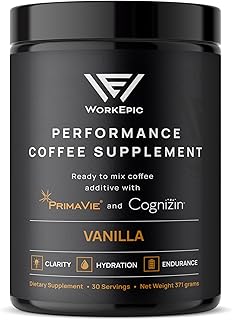
Boosts Physical Endurance: Caffeine increases adrenaline, improving athletic performance and reducing fatigue
Caffeine’s role in boosting physical endurance hinges on its ability to stimulate the release of adrenaline, the body’s primary fight-or-flight hormone. When you consume coffee, caffeine blocks adenosine receptors in the brain, signaling the adrenal glands to produce more adrenaline. This surge in adrenaline increases heart rate, opens airways, and redirects blood flow to muscles, preparing the body for intense physical activity. Studies show that athletes who consume caffeine before exercise can experience up to a 12% improvement in performance, particularly in endurance-based activities like long-distance running or cycling. For optimal results, aim for 3–6 mg of caffeine per kilogram of body weight, typically equivalent to 1–2 cups of coffee consumed 60 minutes before exercise.
Consider the practical application of this mechanism in real-world scenarios. A marathon runner, for instance, might strategically time their coffee intake to align with the race’s start, ensuring peak adrenaline levels during the most demanding portions of the event. Similarly, a weightlifter could use caffeine to enhance focus and power output during heavy lifts. However, it’s crucial to avoid overconsumption, as excessive caffeine (above 400 mg daily) can lead to jitters, insomnia, or increased heart rate, counteracting its performance benefits. Pairing caffeine with a balanced carbohydrate snack can further stabilize energy levels, ensuring sustained endurance without crashes.
The science behind caffeine’s endurance-boosting effects is well-documented, but individual responses vary. Factors like age, weight, and caffeine tolerance play a role in determining the ideal dosage. Younger adults (18–30) may metabolize caffeine faster, requiring slightly higher doses, while older adults (over 50) may benefit from lower amounts to avoid discomfort. Women, due to hormonal differences, may experience more pronounced effects during certain phases of their menstrual cycle. Experimenting with timing and dosage in training sessions can help individuals pinpoint their optimal caffeine strategy, ensuring maximum benefit without adverse effects.
A comparative analysis reveals that caffeine’s endurance benefits outshine those of many pre-workout supplements, which often rely on proprietary blends with questionable efficacy. Unlike synthetic stimulants, caffeine’s effects are predictable and backed by decades of research. However, it’s not a magic bullet—hydration, nutrition, and rest remain foundational to athletic performance. Caffeine simply amplifies these efforts by reducing perceived exertion, allowing athletes to push harder for longer. For those new to caffeine as a performance aid, start with smaller doses (e.g., 1 cup of coffee) and gradually increase while monitoring how your body responds.
Incorporating caffeine into your endurance routine requires mindfulness and strategy. Avoid consuming it too close to bedtime, as it can disrupt sleep, a critical component of recovery. Additionally, combine caffeine with a consistent training regimen and proper nutrition for best results. For team sports athletes, caffeine can enhance agility and reaction time, but its effects may be less pronounced in short-duration, high-intensity activities. Ultimately, caffeine’s adrenaline-boosting properties make it a valuable tool for anyone looking to elevate their physical endurance, provided it’s used thoughtfully and in moderation.
Do Mentally Ill Individuals Seek Support? Breaking Barriers and Stigma
You may want to see also
Frequently asked questions
Coffee contains caffeine, a stimulant that blocks adenosine receptors in the brain, reducing fatigue and increasing alertness. It also boosts neurotransmitters like dopamine and norepinephrine, enhancing mood, focus, and cognitive function.
Yes, caffeine in coffee stimulates the nervous system, signaling the breakdown of body fat for energy. This increases adrenaline levels, improving physical performance by reducing perceived exertion and enhancing endurance.
Studies show that caffeine in coffee can improve short-term memory and concentration by increasing brain activity and blocking distractions. It may also reduce the risk of cognitive decline and neurodegenerative diseases.
Coffee boosts metabolism by increasing thermogenesis, the process of burning calories to produce heat. Caffeine also enhances fat oxidation, making it easier for the body to use stored fat as energy, aiding in weight management.
While moderate coffee consumption (3–4 cups per day) is generally safe, excessive intake can lead to side effects like jitters, insomnia, or increased heart rate. Individual tolerance varies, so it’s important to monitor how your body responds.