Madison Cole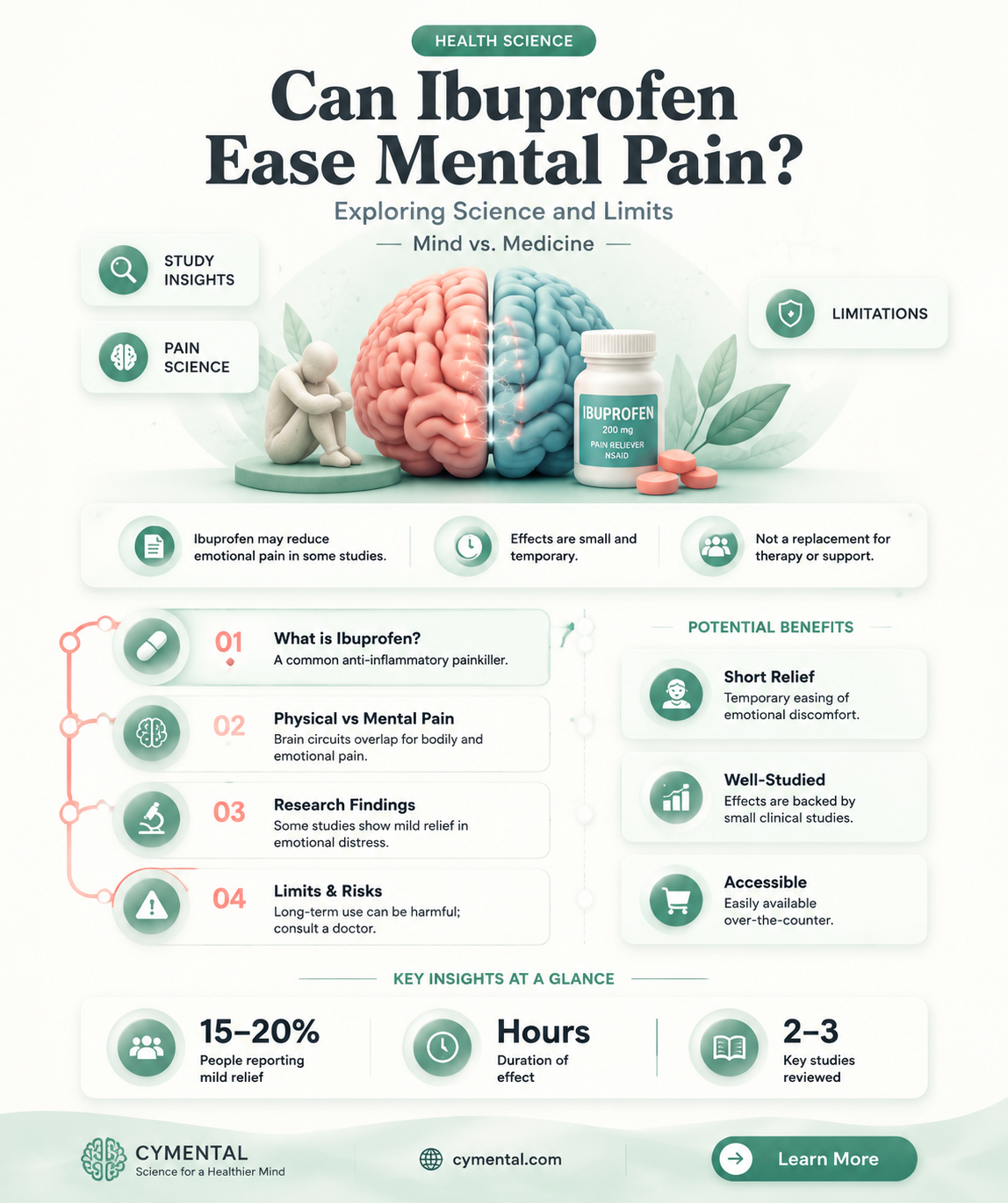
The concept of using ibuprofen, a common nonsteroidal anti-inflammatory drug (NSAID), to alleviate mental pain is an intriguing yet complex topic that bridges the gap between physical and psychological health. While ibuprofen is widely recognized for its effectiveness in reducing physical inflammation and pain, recent studies have begun to explore its potential impact on emotional and mental distress. Research suggests that inflammation in the brain may play a role in conditions like depression and anxiety, raising the question of whether anti-inflammatory medications like ibuprofen could offer relief for mental pain. However, the relationship between physical inflammation and mental health is not fully understood, and the use of ibuprofen for such purposes remains a subject of ongoing scientific investigation and debate.
| Characteristics | Values |
|---|---|
| Direct Effect on Mental Pain | No direct evidence that ibuprofen alleviates mental pain (e.g., depression, anxiety, emotional distress). Mental pain is not a physical inflammation process. |
| Mechanism of Action | Ibuprofen is a nonsteroidal anti-inflammatory drug (NSAID) that reduces physical inflammation and pain by inhibiting COX enzymes. It does not target neurotransmitters or brain pathways associated with mental health. |
| Potential Indirect Benefits | May reduce physical symptoms (e.g., headaches, muscle tension) that accompany mental distress, potentially improving overall comfort. |
| Research Findings | Limited studies explore ibuprofen's role in mental health. Some suggest NSAIDs might modestly reduce depressive symptoms in inflammatory conditions (e.g., chronic pain), but results are inconclusive. |
| Risks and Side Effects | Long-term use of ibuprofen can cause gastrointestinal issues, kidney problems, and increased cardiovascular risk. Not recommended as a mental health treatment. |
| Recommended Use | Ibuprofen is approved for physical pain, fever, and inflammation. Mental health issues require evidence-based treatments (therapy, medication, lifestyle changes). |
| Expert Consensus | Mental health professionals do not endorse ibuprofen as a treatment for mental pain. Consult a healthcare provider for appropriate mental health care. |
| Alternative Approaches | Antidepressants, anti-anxiety medications, psychotherapy, mindfulness, exercise, and social support are proven strategies for managing mental pain. |
Explore related products



What You'll Learn

Ibuprofen's impact on emotional distress
Ibuprofen, a common nonstephanoid anti-inflammatory drug (NSAID), is widely recognized for its effectiveness in alleviating physical pain, such as headaches or muscle aches. However, recent studies have explored its potential impact on emotional distress, raising the question: Can ibuprofen help mitigate mental pain? Research suggests that ibuprofen may influence emotional processing by reducing inflammation in the brain, which is often linked to mood disorders like depression and anxiety. For instance, a 2015 study published in *Psychiatry Research* found that participants who took ibuprofen reported lower levels of emotional distress compared to those on a placebo. This finding highlights the drug’s potential to address not just physical discomfort but also emotional symptoms.
To understand how ibuprofen might affect emotional distress, consider its mechanism of action. Ibuprofen works by inhibiting cyclooxygenase (COX) enzymes, which play a role in inflammation. Chronic inflammation has been implicated in various mental health conditions, including major depressive disorder. By reducing inflammation, ibuprofen may indirectly alleviate symptoms of emotional distress. However, it’s crucial to note that this effect is not universal and varies based on individual factors such as age, dosage, and the severity of the condition. For adults, a typical dose of 200–400 mg every 4–6 hours is generally safe, but exceeding 1,200 mg per day can lead to adverse effects, including gastrointestinal issues.
While the idea of using ibuprofen for emotional distress is intriguing, it’s essential to approach it with caution. Unlike antidepressants or anti-anxiety medications, ibuprofen does not directly target neurotransmitters like serotonin or dopamine, which are key players in mood regulation. Therefore, its effectiveness in treating emotional distress is limited and should not replace evidence-based therapies or medications. Instead, ibuprofen might serve as a complementary option for individuals experiencing mild emotional symptoms alongside physical pain. For example, someone with a headache and concurrent feelings of sadness might find relief from both symptoms with a single dose of ibuprofen.
Comparing ibuprofen to traditional mental health treatments underscores its limitations. While selective serotonin reuptake inhibitors (SSRIs) or cognitive-behavioral therapy (CBT) address the root causes of emotional distress, ibuprofen’s role is more symptomatic and temporary. However, its accessibility and over-the-counter availability make it a convenient option for short-term relief. Practical tips for those considering ibuprofen for emotional distress include monitoring symptoms closely, consulting a healthcare provider, and avoiding long-term use without medical supervision. Additionally, combining ibuprofen with lifestyle changes, such as regular exercise and stress management techniques, can enhance its effectiveness in reducing emotional discomfort.
In conclusion, while ibuprofen shows promise in alleviating emotional distress, particularly when linked to inflammation, it is not a standalone solution for mental health issues. Its impact is modest and best suited for individuals experiencing mild symptoms or those seeking temporary relief. As research continues to explore the connection between physical inflammation and mental health, ibuprofen may emerge as a valuable tool in a comprehensive treatment plan. However, for now, it remains a supplementary option that should be used thoughtfully and under professional guidance.
Can CES Therapy Alleviate Symptoms of Mental Health Disorders?
You may want to see also
Explore related products





Anti-inflammatory effects on mental health
Inflammation, once thought to be solely a physical response, is now recognized as a key player in mental health disorders. Studies suggest that chronic inflammation in the brain may contribute to conditions like depression, anxiety, and even schizophrenia. This has led researchers to explore whether anti-inflammatory medications, such as ibuprofen, could offer relief for mental pain. While ibuprofen is commonly used for physical ailments, its potential to alleviate mental distress is a burgeoning area of interest.
Consider the mechanism: ibuprofen, a nonsteroidal anti-inflammatory drug (NSAID), works by inhibiting cyclooxygenase (COX) enzymes, which are involved in the production of prostaglandins—chemicals that promote inflammation. In the brain, this reduction in inflammation could theoretically mitigate the neurochemical imbalances associated with mental health issues. For instance, a 2019 meta-analysis published in *The Journal of Clinical Psychiatry* found that NSAIDs, including ibuprofen, showed modest but significant antidepressant effects when used as adjunctive therapy. However, it’s crucial to note that these findings are preliminary, and ibuprofen is not a substitute for established mental health treatments like therapy or antidepressants.
Practical application of ibuprofen for mental health is far from straightforward. Dosage is a critical factor; typical over-the-counter doses (200–400 mg every 4–6 hours) are unlikely to produce significant anti-inflammatory effects in the brain due to the blood-brain barrier. Higher doses or long-term use could be necessary, but this raises concerns about side effects, such as gastrointestinal bleeding or cardiovascular risks, especially in older adults or individuals with pre-existing conditions. For example, a 2020 study in *Translational Psychiatry* suggested that higher doses of ibuprofen (up to 2400 mg/day) might be needed to impact neuroinflammation, but such regimens should only be pursued under strict medical supervision.
Comparatively, ibuprofen’s role in mental health pales next to other anti-inflammatory approaches, such as diet and lifestyle modifications. The Mediterranean diet, rich in omega-3 fatty acids and antioxidants, has been shown to reduce systemic inflammation and improve mood. Similarly, regular exercise and stress-reduction techniques like mindfulness meditation can lower inflammatory markers in the body. These methods offer a holistic approach without the risks associated with medication. Ibuprofen, while intriguing, remains a supplementary option rather than a primary intervention.
In conclusion, the anti-inflammatory effects of ibuprofen on mental health are a promising but uncharted territory. While preliminary research suggests potential benefits, practical challenges and risks limit its widespread use. For those considering ibuprofen as part of a mental health regimen, consultation with a healthcare provider is essential. Meanwhile, focusing on proven anti-inflammatory strategies—diet, exercise, and stress management—may yield more consistent and safer results. The quest to alleviate mental pain continues, and ibuprofen is just one piece of a complex puzzle.
Can You Force Someone to Get Mental Help? Ethical and Legal Considerations
You may want to see also
Explore related products





Pain relief vs. psychological comfort
Ibuprofen, a common nonsteroidal anti-inflammatory drug (NSAID), is widely recognized for its efficacy in alleviating physical pain, such as headaches, muscle aches, and arthritis. However, its role in addressing mental pain—a complex, multifaceted experience often tied to emotional distress—remains a subject of debate. While ibuprofen targets inflammation and pain pathways in the body, mental pain involves psychological and neurochemical processes that extend beyond its mechanism of action. This distinction raises the question: Can a physical pain reliever like ibuprofen offer psychological comfort, or are these two realms fundamentally separate?
Analytically, ibuprofen’s primary function is to inhibit cyclooxygenase (COX) enzymes, reducing prostaglandin production and subsequently decreasing inflammation and pain signals. This process is effective for physical ailments but does not directly address the neurochemical imbalances, such as serotonin or dopamine dysregulation, often associated with mental pain. Studies exploring the link between NSAIDs and mental health have yielded mixed results. For instance, some research suggests ibuprofen may reduce symptoms of depression in individuals with inflammatory conditions, but this effect is likely due to alleviating physical discomfort rather than directly targeting emotional distress. Thus, while ibuprofen can indirectly improve mood by relieving physical pain, it is not a substitute for psychological interventions.
From a practical standpoint, individuals seeking relief from mental pain should prioritize evidence-based strategies tailored to emotional well-being. Cognitive-behavioral therapy (CBT), mindfulness practices, and social support networks are proven methods for managing psychological discomfort. For those experiencing both physical and mental pain, combining ibuprofen with these approaches may provide holistic relief. However, it is crucial to adhere to recommended dosages—typically 200–400 mg every 4–6 hours for adults, not exceeding 1,200 mg daily—to avoid adverse effects like gastrointestinal issues or kidney damage. Misusing ibuprofen as a crutch for mental pain can lead to dependency and neglect of underlying emotional issues.
Comparatively, the concept of psychological comfort often involves addressing root causes of distress, whereas pain relief focuses on symptom management. While ibuprofen can temporarily ease physical symptoms that contribute to emotional strain, it does not foster resilience or emotional healing. For example, a person with chronic pain may experience improved mood after taking ibuprofen, but without addressing the psychological impact of their condition, the relief is transient. In contrast, therapies like CBT equip individuals with tools to reframe negative thoughts and build coping mechanisms, offering long-term psychological comfort.
In conclusion, while ibuprofen can play a role in alleviating physical pain that may indirectly affect mental well-being, it is not a solution for mental pain itself. Distinguishing between pain relief and psychological comfort is essential for effective self-care. For physical discomfort, ibuprofen remains a valuable tool when used responsibly. For mental pain, however, turning to psychological interventions and lifestyle adjustments is critical. Combining these approaches, when appropriate, can provide a more comprehensive and sustainable path to well-being.
Drawing for Mental Health: Creative Therapy Benefits and Techniques
You may want to see also
Explore related products


Neurological effects of ibuprofen use
Ibuprofen, a widely used nonsteroidal anti-inflammatory drug (NSAID), is primarily known for its ability to alleviate physical pain and reduce inflammation. However, its neurological effects have sparked interest in whether it can influence mental or emotional pain. Research suggests that ibuprofen may modulate certain brain processes, particularly those involving inflammation and neurotransmitter activity, which are often implicated in conditions like depression and anxiety. For instance, a 2018 study published in *Nature* found that ibuprofen reduced inflammation-related symptoms of depression in a subset of patients, hinting at its potential to address mental distress through neurological pathways.
To understand how ibuprofen might impact mental pain, consider its mechanism of action in the brain. Ibuprofen inhibits cyclooxygenase (COX) enzymes, which play a role in producing prostaglandins—molecules involved in inflammation and pain signaling. Chronic inflammation is increasingly linked to mental health disorders, and by reducing inflammation, ibuprofen may indirectly alleviate symptoms of emotional distress. However, this effect is not universal; dosage matters significantly. A typical anti-inflammatory dose (400–800 mg every 6–8 hours) may be necessary to achieve these effects, but long-term use at high doses can lead to adverse neurological outcomes, such as headaches or dizziness, underscoring the need for caution.
Comparatively, ibuprofen’s neurological effects differ from those of antidepressants or anti-anxiety medications, which target neurotransmitters like serotonin or GABA. While ibuprofen’s primary action is anti-inflammatory, its secondary effects on mood may stem from reducing inflammation-induced stress on the brain. For example, individuals with inflammatory conditions like arthritis often report improved mood when ibuprofen reduces their physical pain, illustrating a potential indirect link between its neurological effects and mental well-being. However, this does not equate to ibuprofen being a standalone treatment for mental pain; it is more of an adjunctive option in specific cases.
Practical considerations are essential when exploring ibuprofen’s role in mental pain. For adults, short-term use (up to 10 days) at recommended doses is generally safe, but prolonged use requires medical supervision. Adolescents and older adults may be more susceptible to side effects, such as gastrointestinal issues or increased bleeding risk, which can outweigh potential mental health benefits. Additionally, combining ibuprofen with other medications, particularly antidepressants or blood thinners, requires careful monitoring to avoid interactions. Always consult a healthcare provider before using ibuprofen for non-physical symptoms, as its neurological effects are not fully understood and may vary widely among individuals.
In conclusion, while ibuprofen’s neurological effects suggest a potential role in mitigating mental pain, particularly through its anti-inflammatory properties, it is not a panacea. Its utility is limited to specific contexts, such as inflammation-related mood disturbances, and must be balanced against risks. For those seeking relief from emotional pain, ibuprofen may offer a temporary adjunctive solution, but it should not replace evidence-based treatments like therapy or prescribed medications. As research evolves, a clearer understanding of its neurological impact may emerge, but for now, cautious and informed use remains paramount.
Addressing Mental Health: Are Our Efforts Truly Making a Difference?
You may want to see also
Explore related products


Ibuprofen and stress reduction mechanisms
Ibuprofen, a common nonsteroidal anti-inflammatory drug (NSAID), is widely recognized for its ability to alleviate physical pain, but its potential role in reducing mental stress is less understood. Emerging research suggests that ibuprofen may influence stress reduction mechanisms by modulating inflammation and neurotransmitter activity in the brain. Chronic stress is often associated with increased inflammatory markers, which can exacerbate feelings of anxiety and depression. Ibuprofen’s anti-inflammatory properties may help mitigate this response, creating a biological environment less conducive to stress. For instance, studies have shown that NSAIDs can reduce levels of pro-inflammatory cytokines, which are linked to mood disorders. However, this effect is not universal and depends on individual factors such as dosage, duration of use, and underlying health conditions.
To explore ibuprofen’s potential in stress reduction, consider its impact on the body’s stress response system. When stressed, the body releases cortisol, a hormone that, in excess, can lead to inflammation and impaired cognitive function. Ibuprofen may indirectly support stress management by reducing inflammation, thereby lowering the burden on the body’s stress pathways. For adults, a typical dose of 200–400 mg every 4–6 hours (up to 1200 mg daily) may be sufficient to address inflammation, but it’s crucial to consult a healthcare provider to avoid side effects like gastrointestinal issues or kidney strain. Adolescents and older adults should adhere to lower doses, as their bodies may metabolize the drug differently.
A comparative analysis highlights the differences between ibuprofen and other stress-relief methods. Unlike mindfulness or exercise, which target psychological and physiological stress directly, ibuprofen acts primarily on the physical symptoms that often accompany stress. For example, tension headaches or muscle pain caused by stress may be alleviated with ibuprofen, indirectly improving mental well-being. However, it does not address the root causes of stress, such as environmental triggers or behavioral patterns. Combining ibuprofen with lifestyle changes, such as regular physical activity and adequate sleep, may yield more comprehensive stress relief.
Practical tips for using ibuprofen as part of a stress management strategy include monitoring its effectiveness over time. Keep a journal to track symptoms of stress and physical discomfort before and after taking ibuprofen. This can help determine whether the medication is contributing to overall stress reduction. Additionally, avoid long-term use without medical supervision, as prolonged NSAID use can lead to adverse effects. For those seeking a holistic approach, consider integrating ibuprofen with stress-reducing techniques like deep breathing exercises or cognitive-behavioral therapy for a more balanced and sustainable solution.
In conclusion, while ibuprofen’s role in stress reduction is not as direct as its pain-relieving effects, its anti-inflammatory properties may offer indirect benefits for managing stress-related symptoms. By understanding its mechanisms and limitations, individuals can make informed decisions about incorporating ibuprofen into their stress management toolkit. Always prioritize consultation with a healthcare professional to ensure safe and effective use, especially when combining it with other stress-relief strategies.
Naturopathic Approaches to Mental Health: Effective Support or Alternative?
You may want to see also
Frequently asked questions
Ibuprofen is a nonsteroidal anti-inflammatory drug (NSAID) designed to reduce physical pain and inflammation, not mental or emotional pain. It does not target the psychological or emotional aspects of distress.
While some studies suggest NSAIDs like ibuprofen may have minor effects on mood due to reducing inflammation, they are not a treatment for anxiety, depression, or other mental health conditions. Consult a mental health professional for appropriate care.
Yes, ibuprofen can relieve physical symptoms like tension headaches or muscle pain that may result from stress. However, it does not address the underlying emotional or psychological causes of stress.
Prolonged use of ibuprofen can lead to side effects like stomach ulcers or kidney issues. It’s best to use it occasionally and consult a doctor if stress-related physical symptoms persist.
Yes, alternatives include therapy, mindfulness practices, exercise, and prescribed medications for mental health conditions. Ibuprofen is not a substitute for these evidence-based treatments.