Lucas Bennett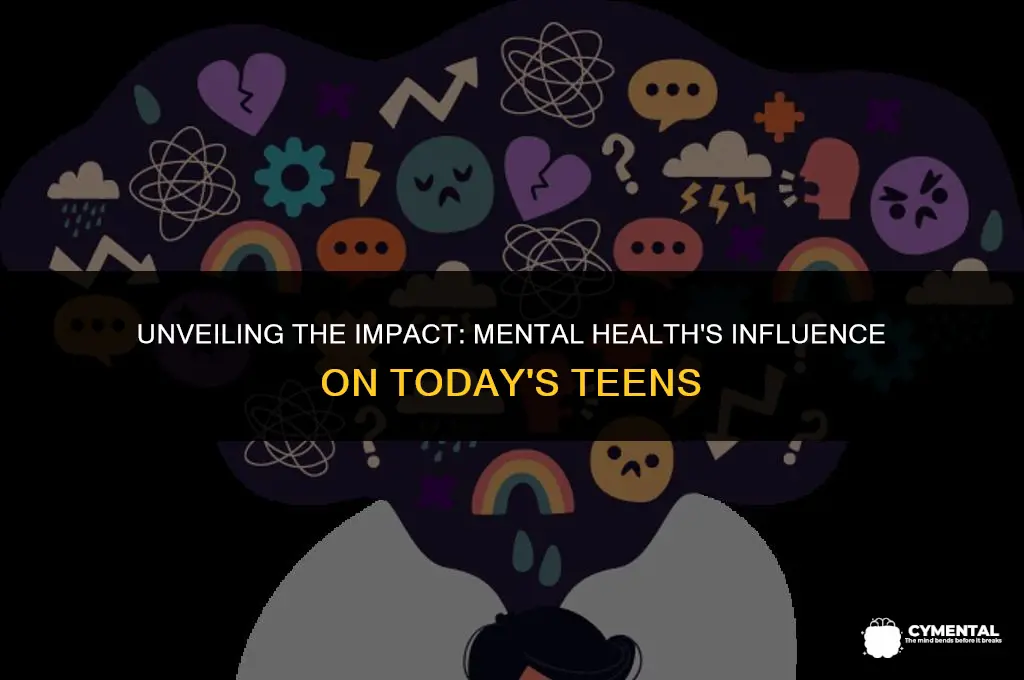
Mental health significantly impacts teenagers, influencing their emotional, social, and academic development. Adolescence is a critical period marked by significant brain development, hormonal changes, and social transitions, all of which can affect mental well-being. Positive mental health allows teens to navigate these changes effectively, build strong relationships, and achieve academic success. Conversely, mental health challenges such as anxiety, depression, and stress can hinder their ability to cope with daily demands, leading to potential long-term consequences. Understanding and addressing the mental health needs of teenagers is crucial for fostering resilience and ensuring they thrive during this formative stage of life.
Explore related products




What You'll Learn
- Social Media Impact: Excessive use can lead to anxiety, depression, and distorted self-image
- Academic Pressure: High expectations can cause stress, burnout, and mental health struggles
- Peer Relationships: Bullying, isolation, and peer pressure can significantly affect teen mental well-being
- Family Dynamics: Dysfunctional family relationships can contribute to teen mental health issues
- Self-Esteem and Identity: Teens may struggle with self-acceptance, leading to mental health challenges

Social Media Impact: Excessive use can lead to anxiety, depression, and distorted self-image
The pervasive influence of social media on teenagers' mental health is a pressing concern. Research indicates that excessive use of platforms like Instagram, Facebook, and Snapchat can lead to heightened levels of anxiety, depression, and a distorted self-image among adolescents. This phenomenon is particularly alarming given the already vulnerable state of teenage mental health.
One of the primary mechanisms by which social media impacts mental health is through the cultivation of unrealistic expectations and comparisons. Teenagers are constantly bombarded with curated images and posts that present an idealized version of life, leading them to feel inadequate and insecure about their own experiences and appearances. This relentless exposure to unattainable standards can foster a sense of low self-worth and contribute to the development of anxiety and depressive disorders.
Furthermore, the addictive nature of social media can exacerbate these issues. The constant stream of notifications and the fear of missing out (FOMO) can create a compulsive need to check and engage with these platforms, disrupting normal sleep patterns and interfering with daily activities. This addiction can lead to increased stress levels and a decreased ability to cope with everyday challenges, further exacerbating mental health problems.
It is also important to consider the role of cyberbullying in this context. Social media provides a platform for bullies to harass and intimidate their victims anonymously, leading to severe emotional distress and, in some cases, even suicide. The prevalence of cyberbullying among teenagers is a significant contributor to the rising rates of anxiety and depression.
To mitigate these risks, it is essential for parents, educators, and policymakers to take proactive steps. This includes educating teenagers about the potential dangers of social media, encouraging healthy usage habits, and promoting alternative activities that foster self-esteem and social connection. Additionally, social media companies must be held accountable for the impact of their platforms on mental health and should implement measures to reduce the prevalence of harmful content and interactions.
In conclusion, the impact of social media on teenage mental health is a complex and multifaceted issue that requires immediate attention and action. By understanding the mechanisms by which social media affects mental health and taking steps to address these issues, we can help to create a safer and more supportive environment for our young people.
Nourishing Your Mind: The Profound Impact of Diet on Mental Health
You may want to see also
Explore related products





Academic Pressure: High expectations can cause stress, burnout, and mental health struggles
The relentless pursuit of academic excellence can exact a heavy toll on teenagers' mental health. High expectations, whether from parents, educators, or society at large, can lead to chronic stress, burnout, and a range of mental health struggles. This pressure to perform can manifest in various ways, such as an overwhelming fear of failure, perfectionism, and an unhealthy obsession with grades.
Research has shown that academic pressure can contribute to anxiety, depression, and even suicidal ideation among teenagers. The constant need to meet high standards can lead to a sense of inadequacy and low self-esteem, as students may feel that they are never good enough. This can be particularly detrimental during adolescence, a critical period for identity formation and emotional development.
Furthermore, the pressure to excel academically can lead to unhealthy coping mechanisms, such as substance abuse, disordered eating, and sleep deprivation. These behaviors can have long-term consequences for both physical and mental health, exacerbating the very problems they are meant to alleviate.
It is essential to recognize that academic success is not the sole determinant of a person's worth or potential. Educators and parents must work together to create a supportive environment that values effort, resilience, and personal growth over grades and test scores. This can involve setting realistic expectations, providing resources for stress management, and fostering open communication about mental health concerns.
Ultimately, the goal should be to help teenagers develop a healthy relationship with learning, one that is driven by curiosity and passion rather than fear and obligation. By prioritizing mental health and well-being, we can empower young people to thrive both academically and personally, setting them on a path to long-term success and fulfillment.
Unveiling the Impact: Nicotine's Effects on Mental Health Explored
You may want to see also
Explore related products


$10.58 $18.99




Peer Relationships: Bullying, isolation, and peer pressure can significantly affect teen mental well-being
Bullying, isolation, and peer pressure are significant factors that can profoundly impact a teenager's mental well-being. These peer relationships can shape a teen's self-esteem, emotional resilience, and overall psychological health. Understanding the dynamics of these interactions is crucial for parents, educators, and mental health professionals to provide effective support and interventions.
Bullying, whether physical, verbal, or cyber, can lead to severe mental health consequences such as anxiety, depression, and even suicidal ideation. Victims of bullying often experience a sense of helplessness and isolation, which can exacerbate their emotional distress. It's essential to create safe school environments where teens feel comfortable reporting bullying incidents and seeking help.
Isolation, on the other hand, can be both a cause and a consequence of mental health issues. Teens who struggle with social anxiety or depression may withdraw from their peers, leading to increased feelings of loneliness and disconnection. This isolation can further deteriorate their mental health, creating a vicious cycle. Encouraging social interaction and providing opportunities for teens to build meaningful relationships can help mitigate the negative effects of isolation.
Peer pressure is another critical factor that can influence a teenager's mental well-being. While peer pressure can sometimes be positive, encouraging teens to engage in healthy behaviors or academic pursuits, it can also lead to negative outcomes such as substance abuse, risky sexual behavior, or disordered eating. Teens may feel compelled to conform to their peers' expectations, even if it means compromising their own values or well-being. Educating teens about the importance of setting boundaries and making informed decisions can help them navigate peer pressure more effectively.
In conclusion, addressing the impact of peer relationships on teen mental health requires a multifaceted approach. By fostering supportive school environments, promoting social interaction, and teaching teens how to manage peer pressure, we can help mitigate the negative effects of bullying, isolation, and peer pressure on their psychological well-being.
Unveiling the Long-Term Impact of Alcohol on Mental Health
You may want to see also
Explore related products



Family Dynamics: Dysfunctional family relationships can contribute to teen mental health issues
Dysfunctional family relationships can significantly contribute to teen mental health issues. Research indicates that teens who experience conflict, neglect, or abuse within their family units are more likely to develop mental health disorders such as depression, anxiety, and behavioral problems. This correlation underscores the critical role that family dynamics play in shaping a teenager's psychological well-being.
One key factor is the quality of communication within the family. Teens who feel unheard or dismissed by their parents or guardians may internalize negative emotions, leading to feelings of isolation and low self-esteem. Effective communication, characterized by active listening and open dialogue, can mitigate these risks by fostering a supportive environment where teens feel valued and understood.
Another important aspect is the presence of consistent and fair discipline. While discipline is necessary for setting boundaries and promoting responsible behavior, overly harsh or inconsistent disciplinary practices can lead to resentment and defiance in teens. Finding a balance between firmness and fairness is crucial for maintaining a healthy parent-teen relationship and promoting positive mental health outcomes.
Furthermore, the impact of parental mental health on teen well-being cannot be overlooked. Teens are highly attuned to the emotional states of their parents, and when parents struggle with their own mental health issues, it can create an unstable and stressful home environment. This, in turn, can exacerbate mental health challenges in teens. Addressing parental mental health is therefore an essential component of supporting teen mental health.
In conclusion, addressing dysfunctional family relationships is a critical step in promoting better mental health outcomes for teens. By improving communication, balancing discipline, and addressing parental mental health, families can create a more supportive and nurturing environment for their teenage members.
The Impact of Phones on Mental Health in Schools
You may want to see also
Explore related products


Self-Esteem and Identity: Teens may struggle with self-acceptance, leading to mental health challenges
During adolescence, teens undergo significant physical, emotional, and social changes that can impact their self-esteem and identity. This period of self-discovery is crucial, as it lays the foundation for their future mental health and well-being. However, the journey to self-acceptance is often fraught with challenges, leading to potential mental health issues.
One of the primary factors contributing to low self-esteem in teens is the constant comparison to peers and societal standards. The proliferation of social media has exacerbated this issue, as teens are bombarded with carefully curated images and messages that promote unrealistic beauty ideals and lifestyles. This can lead to feelings of inadequacy and self-doubt, as teens struggle to measure up to these unattainable standards.
Furthermore, the pressure to conform to certain social groups or trends can also impact a teen's sense of identity. Adolescents may feel compelled to adopt certain behaviors, clothing styles, or interests to fit in, which can result in a loss of individuality and authenticity. This struggle to balance conformity and self-expression can lead to anxiety, depression, and other mental health challenges.
To mitigate these risks, it is essential for parents, educators, and mental health professionals to provide teens with a supportive and nurturing environment. Encouraging open communication, fostering a sense of belonging, and promoting healthy coping mechanisms can help teens navigate the complexities of self-esteem and identity. Additionally, teaching teens to critically evaluate social media messages and to focus on their unique strengths and interests can empower them to develop a more positive and resilient sense of self.
Ultimately, addressing the mental health challenges associated with self-esteem and identity in teens requires a multifaceted approach that involves both individual and systemic interventions. By working together to create a more supportive and inclusive environment, we can help teens cultivate a strong sense of self-worth and identity that will serve them well throughout their lives.
Revitalize Your Mind: The Power of Leisure in Boosting Mental Health
You may want to see also
Frequently asked questions
Mental health issues can significantly impact teens' academic performance. Conditions like depression, anxiety, and ADHD can lead to difficulties concentrating, remembering information, and completing tasks. This can result in lower grades, decreased motivation, and a higher likelihood of dropping out of school.
Some common mental health issues that affect teenagers include depression, anxiety disorders, ADHD, eating disorders, and substance abuse. These conditions can manifest in various ways, such as persistent sadness, excessive worry, difficulty focusing, changes in eating habits, and using drugs or alcohol to cope with stress.
Parents can support their teens' mental health by providing a stable and supportive home environment, encouraging open communication, and helping them develop healthy coping mechanisms. It's also important for parents to recognize the signs of mental health issues and seek professional help when needed.
Social media can have both positive and negative effects on teens' mental health. On one hand, it can provide a platform for social connection and self-expression. On the other hand, excessive social media use can lead to feelings of isolation, low self-esteem, and increased anxiety. It's important for teens to maintain a healthy balance between online and offline activities.
Schools can help address mental health issues in teenagers by providing access to mental health professionals, such as school counselors and psychologists. They can also implement programs to promote mental health awareness, reduce stigma, and teach students coping skills. Additionally, schools can work with parents and community organizations to provide a comprehensive support system for teens struggling with mental health issues.