Caleb Wright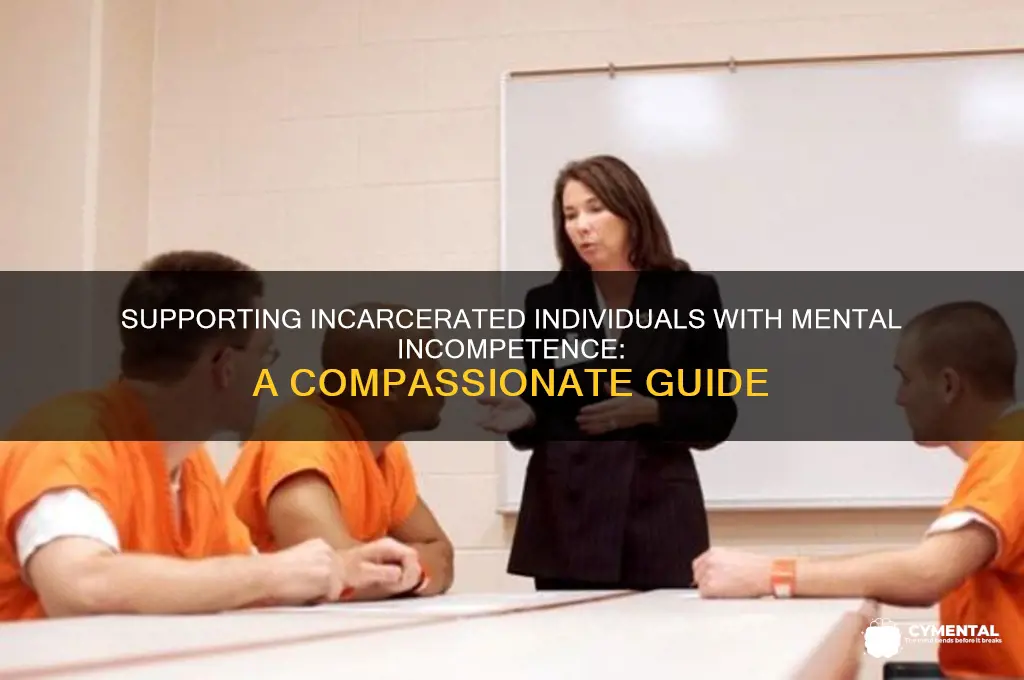
Assisting individuals in jail who are mentally incompetent requires a multifaceted approach that prioritizes compassion, legal advocacy, and access to mental health resources. These individuals often face unique challenges, including difficulty understanding their legal situation, heightened vulnerability, and a lack of adequate care within the correctional system. To help them, it is crucial to ensure they receive competent legal representation, particularly from attorneys experienced in handling cases involving mental incompetency. Additionally, advocating for comprehensive mental health evaluations and treatment plans, both within and outside the facility, is essential. Family members, advocates, and support networks can play a vital role by staying informed, maintaining communication, and pushing for systemic reforms that address the gaps in care for this vulnerable population. Ultimately, the goal is to protect their rights, improve their well-being, and work toward a more just and humane system.
Explore related products


![The Art of Advocacy: Briefs, Motions, and Writing Strategies of America's Best Lawyers [Connected eBook] (Aspen Coursebook)](https://m.media-amazon.com/images/I/71nFTPUXCiL._AC_UL320_.jpg)

What You'll Learn
- Legal Advocacy: Connect with lawyers specializing in mental health and inmate rights for legal support
- Mental Health Resources: Access jail-based therapy, medication, and psychiatric evaluations for the individual
- Family Support: Educate and involve family in care plans and communication with jail staff
- Rehabilitation Programs: Enroll in jail-based mental health and life skills programs for recovery
- Post-Release Planning: Coordinate housing, treatment, and community support to prevent reincarceration

Legal Advocacy: Connect with lawyers specializing in mental health and inmate rights for legal support
Individuals with mental incompetence in jail often face a complex legal landscape that requires specialized expertise. Legal advocacy is crucial in ensuring their rights are protected and their unique needs are addressed. Connecting with lawyers who specialize in mental health and inmate rights can provide the necessary legal support to navigate this challenging terrain. These attorneys possess a deep understanding of the intersection between mental health law and criminal justice, enabling them to advocate effectively for their clients.
To initiate the process, begin by researching and identifying lawyers or legal organizations with a proven track record in handling cases involving mentally incompetent inmates. Look for attorneys who are well-versed in relevant laws, such as the Americans with Disabilities Act (ADA), the Mental Health Parity and Addiction Equity Act (MHPAEA), and state-specific statutes pertaining to mental health and inmate rights. When contacting these professionals, provide a detailed account of the individual's situation, including their mental health diagnosis, current legal status, and any relevant medical or legal documents. This information will enable the attorney to assess the case and determine the most appropriate course of action.
A critical aspect of legal advocacy for mentally incompetent inmates is ensuring that their due process rights are upheld. This may involve challenging the individual's competency to stand trial, seeking alternative sentencing options, or advocating for appropriate mental health treatment within the correctional facility. Lawyers specializing in this field can also assist in filing petitions for habeas corpus, requesting mental health evaluations, or appealing court decisions. In cases where the individual's mental incompetence is not recognized or adequately addressed by the court, these attorneys can provide invaluable support in presenting evidence and arguing for the necessary accommodations.
Consider the following scenario: a 28-year-old inmate with schizophrenia is facing charges for a non-violent offense. His attorney, specializing in mental health and inmate rights, successfully argues for a competency evaluation, which reveals that the individual is unable to understand the proceedings or assist in his defense. As a result, the court orders restorative treatment, and the attorney continues to advocate for the client's rights throughout the process, ensuring that he receives appropriate care and is not unjustly penalized due to his mental incompetence. This example highlights the significance of legal advocacy in achieving favorable outcomes for vulnerable individuals within the criminal justice system.
In conclusion, connecting with lawyers specializing in mental health and inmate rights is a vital step in providing legal support for individuals with mental incompetence in jail. By leveraging their expertise, these attorneys can navigate the complex legal landscape, protect their clients' rights, and advocate for necessary accommodations. When seeking legal representation, prioritize attorneys with relevant experience, provide detailed information about the individual's situation, and remain engaged throughout the process to ensure the best possible outcome. Remember, effective legal advocacy can make a significant difference in the lives of mentally incompetent inmates, promoting justice, and upholding their human rights.
Can Advil Ease Emotional Pain? Exploring the Mind-Body Connection
You may want to see also
Explore related products


Mental Health Resources: Access jail-based therapy, medication, and psychiatric evaluations for the individual
Incarcerated individuals with mental incompetence often face a dual crisis: the punitive environment of jail and the untreated symptoms of their condition. Access to mental health resources—therapy, medication, and psychiatric evaluations—is not just a legal right but a critical lifeline. Without these, their ability to navigate the legal system, participate in their defense, or even maintain basic functioning is severely compromised.
Step 1: Initiate a Psychiatric Evaluation
Begin by requesting a court-ordered psychiatric evaluation. This assessment, typically conducted by a licensed psychiatrist or psychologist, determines the individual’s competency to stand trial and identifies underlying mental health conditions. For example, a 28-year-old inmate with schizophrenia may require a competency evaluation to assess their ability to understand legal proceedings. Practical tip: File a motion through legal counsel or advocate, citing the *Dusky v. United States* standard, which requires defendants to understand the charges and assist in their defense.
Step 2: Secure Jail-Based Therapy
Therapy in jail settings often takes the form of individual or group sessions led by licensed mental health professionals. Cognitive-behavioral therapy (CBT) is commonly used to address symptoms like anxiety or depression. For instance, a weekly CBT session could focus on coping strategies for a 45-year-old inmate with PTSD. Caution: Ensure the therapist is trained in trauma-informed care to avoid retraumatization.
Step 3: Obtain Necessary Medication
Medication management is crucial for stabilizing conditions like bipolar disorder, major depression, or schizophrenia. Atypical antipsychotics (e.g., quetiapine 300–600 mg/day) or SSRIs (e.g., sertraline 50–200 mg/day) are frequently prescribed. Practical tip: Document all medication requests and ensure the jail’s medical staff adheres to prescribed dosages and schedules. For individuals under 18, consult child and adolescent psychiatrists, as dosage and medication types differ significantly.
Comparative Analysis: Jail vs. Community Mental Health Care
Jail-based mental health services often fall short of community standards due to resource constraints and stigma. For example, while a community clinic might offer daily therapy sessions, jails typically provide weekly or biweekly access. Takeaway: Advocate for parity by citing the *Americans with Disabilities Act* (ADA) and the *Eighth Amendment*, which prohibit cruel and unusual punishment, including inadequate mental health care.
Persuasive Argument: The Cost of Inaction
Untreated mental incompetence in jail leads to self-harm, violence, or prolonged incarceration due to inability to participate in legal processes. For instance, a 32-year-old inmate with untreated psychosis may decompensate, requiring emergency hospitalization. By investing in jail-based mental health resources, we reduce long-term costs and improve outcomes. Practical tip: Engage with local advocacy groups to push for funding and policy changes.
Access to therapy, medication, and psychiatric evaluations is non-negotiable for mentally incompetent individuals in jail. By following these steps and advocating for systemic change, we can ensure they receive the care they need to stabilize, participate in their defense, and eventually reintegrate into society. Remember: Mental health in jails is not just a legal issue—it’s a moral imperative.
Animal Companions: Supporting Children with Mental Disabilities Through Therapy and Bonding
You may want to see also
Explore related products


![Modern Trial Advocacy: Analysis and Practice [Connected eBook with Study Center] (NITA)](https://m.media-amazon.com/images/I/51lrGhZdjAL._AC_UL320_.jpg)
![A Practical Guide to Appellate Advocacy: [Connected eBook] (Aspen Coursebook Series)](https://m.media-amazon.com/images/I/811nfMmBU6L._AC_UL320_.jpg)


Family Support: Educate and involve family in care plans and communication with jail staff
Family involvement is a cornerstone of effective care for individuals in jail who are mentally incompetent. When families are educated about their loved one’s condition and actively engaged in care plans, outcomes improve significantly. For instance, a study published in the *Journal of Correctional Health Care* found that inmates with mental health issues who had family involvement in their treatment plans were 30% more likely to adhere to medication regimens and 25% less likely to experience disciplinary incidents. This highlights the critical role families play in stabilizing and supporting their incarcerated relatives.
To begin, families must be educated about the mental health challenges their loved one faces, including diagnoses, symptoms, and potential triggers. Jail staff should provide clear, accessible information about the individual’s condition, avoiding jargon that might confuse or overwhelm family members. For example, if the inmate has schizophrenia, explain the symptoms (e.g., hallucinations, delusions) and how they might manifest in a correctional setting. Additionally, families should be informed about the jail’s policies regarding mental health care, visitation, and communication protocols. This knowledge empowers them to advocate effectively for their loved one.
Once educated, families should be actively involved in developing and implementing care plans. This includes participating in treatment team meetings, where they can share insights about the individual’s history, preferences, and behaviors. For instance, a family member might note that their loved one responds better to calm, non-confrontational communication, which can guide staff in de-escalation techniques. Families can also assist in identifying goals for the individual’s care, such as improving social skills or managing medication side effects. Practical steps include scheduling regular check-ins with jail staff and maintaining a log of the individual’s progress or challenges to share during meetings.
However, involving families is not without challenges. Privacy concerns, strained relationships, or a lack of trust in the correctional system can hinder collaboration. Jail staff must navigate these issues by establishing clear boundaries and ensuring confidentiality while fostering open communication. For example, if a family member feels excluded from decision-making, staff should proactively invite their input and explain the legal and ethical constraints that may limit their involvement. Providing families with resources, such as support groups or mental health advocacy organizations, can also help them cope with the stress of having a loved one in jail.
In conclusion, family support is a vital component of caring for mentally incompetent individuals in jail. By educating families about their loved one’s condition and involving them in care plans, jails can create a more holistic and effective support system. This collaborative approach not only benefits the individual but also strengthens the relationship between families and correctional facilities, fostering trust and mutual understanding. Practical steps, such as clear communication, regular involvement, and addressing challenges proactively, can make a significant difference in the well-being of both the inmate and their family.
Christian Counseling: A Path to Mental Health Healing?
You may want to see also
Explore related products





Rehabilitation Programs: Enroll in jail-based mental health and life skills programs for recovery
Incarcerated individuals with mental health issues often face a dual challenge: navigating the criminal justice system while managing their conditions. Jail-based rehabilitation programs offer a structured pathway to recovery by addressing both mental health and life skills deficits. These programs typically integrate therapy, medication management, and vocational training to foster long-term stability. For instance, cognitive-behavioral therapy (CBT) sessions, held twice weekly, help participants reframe negative thought patterns, while daily life skills workshops teach budgeting, conflict resolution, and job interview techniques. Such programs are particularly effective for individuals aged 18–45, who constitute the majority of the jail population and often lack access to consistent mental health care outside incarceration.
Enrolling someone in these programs requires proactive advocacy. Begin by contacting the jail’s mental health coordinator to assess available resources and eligibility criteria. Many facilities offer voluntary programs, but some may require a court order or mental health evaluation. Families can also collaborate with public defenders to petition for program inclusion as part of a sentencing agreement. Practical tips include maintaining open communication with the incarcerated individual to gauge their willingness to participate and providing them with written program details to alleviate anxiety about the unknown. Remember, voluntary engagement often yields better outcomes than coerced participation.
A comparative analysis reveals that jails with robust rehabilitation programs report lower recidivism rates and fewer in-custody disciplinary incidents. For example, a 2021 study found that participants in a jail-based mental health program in California were 30% less likely to reoffend within two years compared to non-participants. These programs also reduce the strain on correctional staff by equipping inmates with coping mechanisms to manage their behavior. However, success hinges on adequate funding and staffing—programs with a staff-to-inmate ratio of 1:10 or better tend to achieve more consistent results. Advocates should push for policy changes that prioritize mental health funding within correctional budgets.
Persuasively, investing in jail-based rehabilitation is not just a moral imperative but a practical solution to systemic issues. The cost of untreated mental illness in jails—manifesting in self-harm, violence, and prolonged incarceration—far exceeds the expense of comprehensive programs. For instance, a 12-week life skills program costs approximately $1,500 per participant, whereas a single week of hospitalization for a mental health crisis can cost upwards of $5,000. By framing these programs as cost-effective interventions, stakeholders can build a compelling case for their expansion. Ultimately, rehabilitation programs transform jails from punitive holding cells into spaces of healing and opportunity.
Tax Dollars and Mental Health: Funding Institutions for Better Care?
You may want to see also
Explore related products



Post-Release Planning: Coordinate housing, treatment, and community support to prevent reincarceration
Individuals with mental incompetence face a 50% higher risk of reincarceration without structured post-release support. This alarming statistic underscores the critical need for comprehensive planning that addresses housing instability, untreated mental health conditions, and social isolation. Effective post-release coordination must integrate these elements to create a sustainable pathway to reintegration.
Step 1: Secure Stable Housing
Begin by identifying housing options tailored to the individual’s needs. For those with severe mental illness, consider supportive housing programs that offer on-site mental health services. Section 8 Housing Choice Vouchers or state-funded transitional housing can bridge the gap for those without immediate resources. Collaborate with local housing authorities and nonprofits to expedite applications, as waitlists can exceed 12–18 months in some areas. A stable living environment reduces the likelihood of homelessness, a key predictor of recidivism.
Step 2: Align Treatment with Community Resources
Mental health treatment must continue post-release to prevent relapse. Connect individuals with community mental health centers offering evidence-based therapies, such as Cognitive Behavioral Therapy (CBT) or Dialectical Behavior Therapy (DBT). For those on medication, ensure prescriptions are transferred and accessible through local pharmacies or clinics. Peer support programs, like those facilitated by the National Alliance on Mental Illness (NAMI), provide ongoing encouragement and accountability.
Step 3: Build a Community Support Network
Isolation exacerbates mental health challenges and increases the risk of reoffending. Engage the individual in community programs, such as vocational training, faith-based groups, or recreational activities. Case managers or social workers should facilitate introductions to these networks and monitor participation. Family involvement, when safe and appropriate, can also strengthen support systems. Regular check-ins—at least weekly in the first month—help identify emerging issues before they escalate.
Cautions and Considerations
Avoid overloading individuals with too many services at once, as this can lead to overwhelm and disengagement. Prioritize their autonomy in decision-making, as forced participation often backfires. Be mindful of legal barriers, such as housing restrictions for certain convictions, and advocate for policy exceptions when possible. Finally, ensure all providers communicate regularly to avoid fragmented care.
Post-release planning is not a one-size-fits-all solution but a dynamic process requiring flexibility and collaboration. By addressing housing, treatment, and community support in tandem, stakeholders can significantly reduce reincarceration rates and improve outcomes for mentally incompetent individuals. Success hinges on proactive coordination, empathy, and a commitment to long-term stability.
Music's Power: Boosting Middle Schoolers' Mental Health and Well-Being
You may want to see also
Frequently asked questions
First, gather documentation of their mental health history and conditions. Contact the jail’s mental health services or a legal advocate to ensure they receive appropriate care. You can also seek guardianship or conservatorship if necessary to make decisions on their behalf.
Advocate for their rights by contacting the jail’s administration, mental health department, or a legal aid organization. Provide medical records to support their need for treatment and request regular updates on their care.
You can file for a competency evaluation to determine their ability to stand trial. If found incompetent, they may be transferred to a mental health facility for treatment. Consulting an attorney specializing in mental health law can help navigate these options.
Maintain regular communication through letters, phone calls, or visits if allowed. Reassure them of your support and advocate for their needs. Educate yourself about their condition to better understand their challenges and provide empathy.