Harper Lewis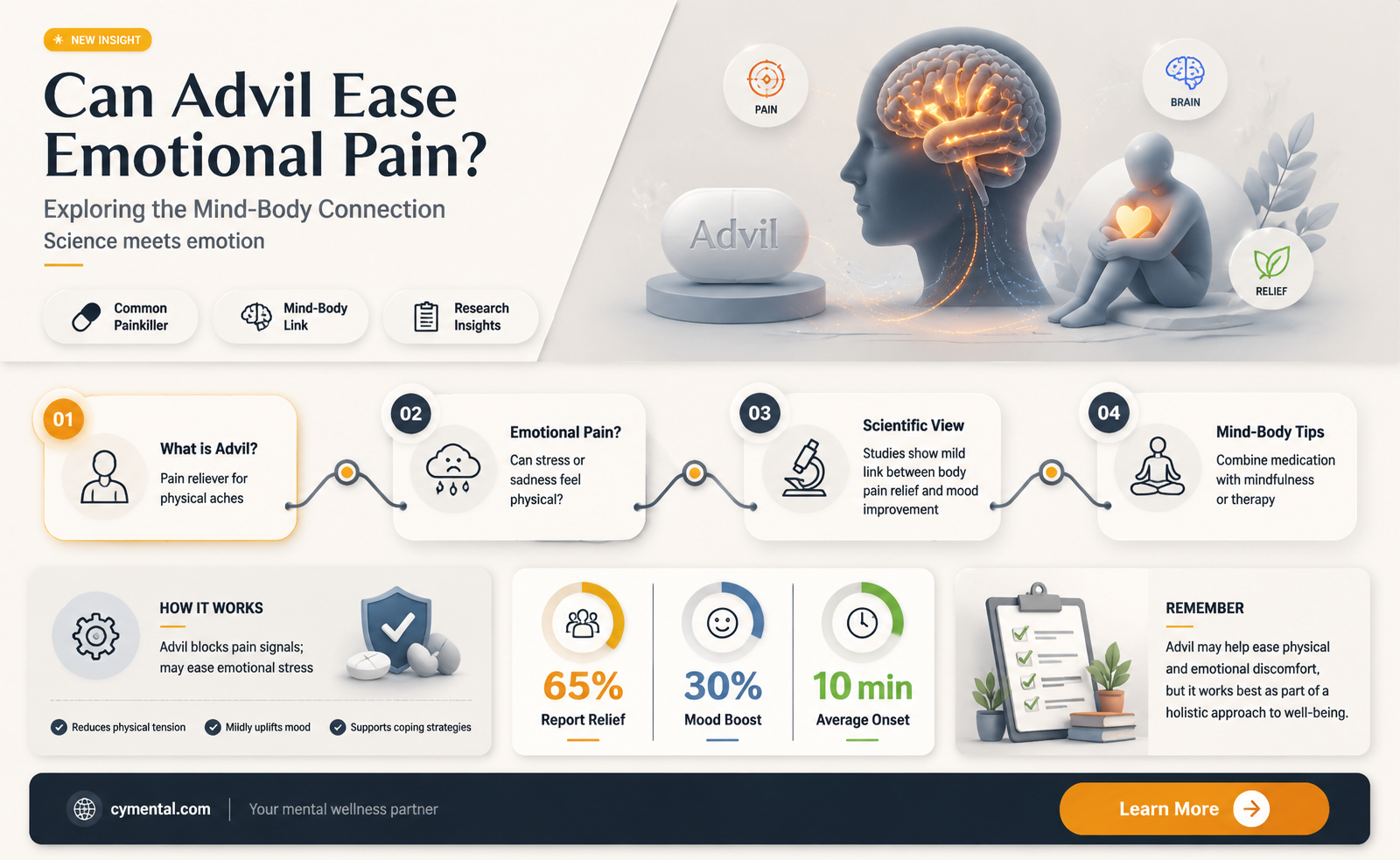
The question of whether Advil, a common over-the-counter pain reliever, can alleviate mental pain is a complex and intriguing one. While Advil, or ibuprofen, is widely recognized for its effectiveness in reducing physical discomfort such as headaches, muscle aches, and inflammation, its potential impact on emotional or psychological distress remains a subject of debate. Mental pain, often associated with conditions like depression, anxiety, or grief, is fundamentally different from physical pain, as it involves intricate neurological and emotional processes. Although some studies suggest that anti-inflammatory medications like ibuprofen may have a modest effect on mood by reducing inflammation linked to certain mental health issues, there is no conclusive evidence that Advil can directly address the root causes of mental pain. As such, while it may offer temporary relief for physical symptoms that accompany emotional distress, it is not a substitute for targeted mental health treatments such as therapy, medication, or lifestyle changes.
| Characteristics | Values |
|---|---|
| Effect on Mental Pain | Advil (ibuprofen) is a nonsteroidal anti-inflammatory drug (NSAID) primarily used for physical pain and inflammation. There is no scientific evidence that it directly alleviates mental or emotional pain, such as depression, anxiety, or grief. |
| Mechanism of Action | Works by inhibiting prostaglandins, which are involved in pain and inflammation. Does not target neurotransmitters or brain pathways associated with mental health. |
| Potential Indirect Effects | May reduce physical symptoms (e.g., headaches, muscle tension) that sometimes accompany mental distress, but this is not a treatment for mental pain itself. |
| Medical Consensus | Mental pain requires psychological, psychiatric, or therapeutic interventions, not NSAIDs like Advil. |
| Risks | Misusing Advil for mental health issues may delay proper treatment and pose risks of side effects (e.g., stomach ulcers, kidney issues) with prolonged use. |
| Alternative Treatments | Mental pain is best addressed through therapy, counseling, medication (e.g., antidepressants), lifestyle changes, and support systems. |
| Conclusion | Advil does not help with mental pain and should not be used as a substitute for appropriate mental health care. |
Explore related products



What You'll Learn

Advil's Effect on Stress Relief
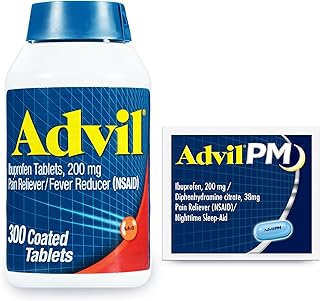
Advil, a common over-the-counter pain reliever, is primarily known for its effectiveness in alleviating physical discomfort, such as headaches or muscle aches. However, its role in addressing mental pain, particularly stress, is less understood. While Advil’s active ingredient, ibuprofen, targets inflammation and pain pathways in the body, its impact on stress relief is indirect and nuanced. Stress often manifests physically—tightened muscles, tension headaches, or even stomach discomfort—and ibuprofen can mitigate these symptoms, providing a sense of relief. Yet, it’s crucial to distinguish between treating physical manifestations of stress and addressing its root psychological causes.
Consider this scenario: a college student faces exam-related stress, leading to persistent headaches and neck tension. Taking 200–400 mg of ibuprofen every 4–6 hours, as recommended for adults, can alleviate these physical symptoms, allowing the individual to focus better. However, this approach is symptomatic, not curative. Ibuprofen does not lower cortisol levels or alter brain chemistry to directly combat stress. Instead, it acts as a temporary band-aid, enabling individuals to function more comfortably while they address stress through other means, such as mindfulness or therapy.
From a comparative perspective, ibuprofen’s role in stress relief contrasts with medications like benzodiazepines or SSRIs, which target the central nervous system to reduce anxiety and improve mood. Ibuprofen’s mechanism—inhibiting prostaglandins to reduce inflammation and pain—is fundamentally different. For instance, while a benzodiazepine might calm a racing mind, ibuprofen could ease the physical tension that accompanies stress. This distinction highlights why Advil should not be viewed as a standalone solution for mental pain but rather as a complementary tool in a broader stress management strategy.
Practical tips for using Advil in this context include monitoring dosage carefully, as exceeding the recommended limit (1,200 mg per day for adults) can lead to side effects like stomach irritation or increased blood pressure. Additionally, combining ibuprofen with stress-reduction techniques—such as deep breathing exercises, regular exercise, or adequate sleep—maximizes its effectiveness. For younger age groups, such as teenagers, dosages should be adjusted based on weight, typically 10 mg per kilogram of body weight every 6–8 hours, under parental or medical supervision.
In conclusion, while Advil does not directly alleviate mental pain or stress, it can play a supportive role by addressing the physical symptoms that often accompany it. Its utility lies in providing comfort and functionality, enabling individuals to engage more effectively in stress-reducing activities. However, reliance on ibuprofen alone is misguided; it should be paired with psychological or lifestyle interventions for comprehensive stress management. Understanding this distinction ensures that Advil is used thoughtfully, as part of a balanced approach to well-being.
Yoga and Mental Health: Unlocking Inner Peace and Resilience
You may want to see also
Explore related products



Can Advil Reduce Anxiety Symptoms?
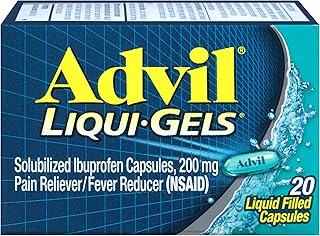
Advil, a common over-the-counter pain reliever, is primarily known for its effectiveness in alleviating physical discomfort, such as headaches or muscle aches. However, its potential role in reducing anxiety symptoms is a topic of growing curiosity. While Advil’s active ingredient, ibuprofen, targets inflammation and pain pathways, there is no direct scientific evidence to suggest it can mitigate anxiety. Anxiety is a complex mental health condition influenced by neurotransmitters, stress hormones, and psychological factors, which ibuprofen does not address. Yet, some individuals anecdotally report feeling calmer after taking Advil, possibly due to the placebo effect or the relief of physical symptoms that may exacerbate anxiety, such as headaches or body tension.
From a biological perspective, the link between Advil and anxiety reduction remains speculative. Ibuprofen works by inhibiting cyclooxygenase (COX) enzymes, which play a role in inflammation and pain. While inflammation has been implicated in some mental health conditions, including anxiety, the relationship is not straightforward. Studies exploring anti-inflammatory medications for mental health are still in early stages, and ibuprofen’s role in this context is unclear. For instance, a 2019 study in *The Journal of Clinical Psychiatry* suggested that NSAIDs like ibuprofen might have a modest effect on depressive symptoms, but similar research on anxiety is limited. It’s crucial to note that self-medicating with Advil for anxiety is not a substitute for evidence-based treatments like therapy or prescribed medications.
If considering Advil for anxiety-related physical symptoms, such as tension headaches or muscle stiffness, it’s essential to follow proper dosing guidelines. Adults should take 200–400 mg every 4–6 hours, not exceeding 1,200 mg in 24 hours. For adolescents aged 12–17, the dose is typically 200–400 mg every 6–8 hours, up to 800 mg daily. However, prolonged use of ibuprofen can lead to side effects like stomach ulcers, kidney issues, or increased bleeding risk, especially in older adults or those with pre-existing conditions. Always consult a healthcare provider before using Advil regularly, particularly if you’re taking other medications or have chronic health issues.
A practical approach to managing anxiety involves combining evidence-based strategies with symptom relief. For example, if anxiety manifests as physical pain, Advil may temporarily alleviate discomfort, but it should complement, not replace, proven methods like cognitive-behavioral therapy, mindfulness, or medication prescribed by a psychiatrist. Additionally, lifestyle changes—such as regular exercise, adequate sleep, and a balanced diet—can reduce both physical tension and anxiety. While Advil might offer short-term relief for anxiety-induced physical symptoms, it is not a cure for the underlying condition. Prioritize holistic, long-term solutions for sustainable mental health management.
Belonging and Mental Health: How Connection Impacts Well-Being
You may want to see also
Explore related products




Physical Pain vs. Mental Pain Relief
Advil, a common over-the-counter medication, is widely recognized for its effectiveness in alleviating physical pain, such as headaches, muscle aches, and arthritis. Its active ingredient, ibuprofen, works by inhibiting prostaglandins, which are chemicals in the body that cause inflammation and pain. But what about mental pain? Can Advil provide relief for emotional distress, anxiety, or depression? The short answer is no—Advil is not designed to address mental pain, which stems from neurological and psychological processes rather than physical inflammation. Mental pain requires interventions that target the brain’s chemistry and emotional regulation, such as therapy, medication specifically designed for mental health, or lifestyle changes.
To understand why Advil isn’t a solution for mental pain, consider the biological mechanisms at play. Physical pain is often localized and tied to tissue damage or inflammation, making it responsive to anti-inflammatory drugs like ibuprofen. Mental pain, however, is rooted in complex interactions between neurotransmitters, hormones, and neural pathways. For instance, depression involves imbalances in serotonin and dopamine, while anxiety may be linked to heightened cortisol levels. Advil does not influence these systems, making it ineffective for mental health issues. Instead, medications like SSRIs (selective serotonin reuptake inhibitors) or benzodiazepines are prescribed to modulate brain chemistry directly.
Despite this, some individuals may mistakenly turn to Advil or similar pain relievers in moments of emotional distress, hoping for a quick fix. This approach not only fails to address the root cause of mental pain but can also lead to misuse or dependency. For example, taking Advil regularly for stress-related headaches without addressing the underlying anxiety may provide temporary physical relief but ignores the need for long-term mental health strategies. It’s crucial to differentiate between physical symptoms and their emotional triggers, seeking appropriate treatments for each.
Practical steps for managing mental pain include cognitive-behavioral therapy (CBT), mindfulness practices, and regular exercise, which have been shown to reduce symptoms of anxiety and depression. For those experiencing both physical and mental pain, a holistic approach is key. For instance, a person with chronic pain and depression might benefit from a combination of physical therapy, antidepressants, and counseling. Always consult a healthcare professional to tailor a treatment plan that addresses both aspects of pain effectively.
In summary, while Advil is a valuable tool for physical pain relief, it has no role in alleviating mental pain. Recognizing the distinct nature of these two types of pain is essential for seeking the right interventions. Mental pain demands targeted strategies that go beyond the scope of anti-inflammatory medications, emphasizing the importance of informed, comprehensive care.
Healing Companions: How Animals Support Mental Health and Well-Being
You may want to see also
Explore related products


Advil and Emotional Distress Management
Advil, a common over-the-counter pain reliever, is primarily known for its effectiveness in alleviating physical discomforts like headaches, muscle aches, and fever. However, its role in managing emotional distress is a topic of growing curiosity. While Advil’s active ingredient, ibuprofen, targets inflammation and pain pathways in the body, its impact on mental or emotional pain is less direct. Emotional distress often involves complex neurological and psychological processes that ibuprofen is not designed to address. Yet, some individuals report anecdotal relief from stress-related physical symptoms, such as tension headaches or body aches, which can indirectly ease emotional discomfort.
From a physiological perspective, emotional distress can manifest as physical symptoms, including headaches, muscle tension, and fatigue. In these cases, Advil may provide symptomatic relief by reducing inflammation and pain. For instance, a person experiencing a stress-induced migraine might find that a standard dose of 200–400 mg of ibuprofen every 4–6 hours (up to 1200 mg daily for adults) alleviates the headache, thereby improving their overall emotional state. However, it’s crucial to distinguish between treating physical symptoms and addressing the root cause of emotional pain. Advil does not target neurotransmitters like serotonin or dopamine, which play a central role in mood regulation.
For those considering Advil as part of an emotional distress management strategy, it’s essential to approach it as a supplementary tool rather than a primary solution. Combining ibuprofen with stress-reduction techniques, such as mindfulness, exercise, or therapy, can yield more comprehensive results. For example, if emotional distress leads to insomnia and subsequent body aches, taking Advil before bed (following dosage guidelines) might improve sleep quality, but addressing the underlying anxiety through cognitive-behavioral therapy would be more effective long-term. Always consult a healthcare provider before using Advil regularly, especially if you have pre-existing conditions like stomach ulcers or kidney issues.
A comparative analysis highlights the limitations of relying on Advil for emotional pain. While medications like antidepressants or anti-anxiety drugs directly target brain chemistry, ibuprofen’s mechanism of action is peripheral, focusing on reducing inflammation and pain signals. This distinction underscores why Advil cannot replace specialized mental health treatments. However, for individuals seeking immediate relief from physical symptoms exacerbated by emotional stress, Advil can be a practical, short-term option. For instance, a student experiencing exam-related stress and tension headaches might benefit from a single dose of 200 mg ibuprofen, paired with deep breathing exercises, to regain focus.
In conclusion, while Advil is not a cure for emotional distress, it can play a supportive role in managing the physical symptoms often associated with it. By understanding its limitations and using it judiciously, individuals can incorporate Advil into a broader, holistic approach to emotional well-being. Always prioritize evidence-based mental health interventions, such as therapy or medication prescribed by a professional, while leveraging Advil for temporary physical relief when needed.
Playing Piano: A Therapeutic Key to Enhancing Mental Well-Being
You may want to see also
Explore related products



Scientific Studies on Advil and Mood
Advil, a common over-the-counter pain reliever, has been the subject of scientific inquiry beyond its physical pain-alleviating properties. Recent studies have explored its potential impact on mood and mental well-being, shedding light on the intricate relationship between inflammation and emotional health. Researchers have begun to investigate whether the anti-inflammatory effects of Advil’s active ingredient, ibuprofen, could extend to reducing symptoms of depression and anxiety, conditions often linked to chronic inflammation.
One notable study published in *Translational Psychiatry* examined the effects of ibuprofen on cognitive and emotional processing in adults with clinical depression. Participants were administered 800 mg of ibuprofen twice daily for six weeks, alongside their standard antidepressant treatment. The results revealed a modest but statistically significant improvement in mood and reduced anhedonia (the inability to feel pleasure) compared to the placebo group. This suggests that ibuprofen may enhance the efficacy of traditional antidepressants by targeting neuroinflammation, a common feature in depressive disorders. However, the study also emphasized the need for further research to determine optimal dosages and long-term effects.
In contrast, a 2020 study in *Neuropsychopharmacology* took a comparative approach, pitting ibuprofen against placebo in healthy individuals exposed to social stress. Participants received a single 400 mg dose of ibuprofen before engaging in a stressful task. While the drug did not significantly alter stress responses in the general population, it showed a trend toward reducing negative emotional reactions in individuals with higher baseline inflammation markers. This finding underscores the importance of personalized medicine, suggesting that Advil’s mood-enhancing effects may be more pronounced in those with pre-existing inflammatory conditions.
For those considering Advil as a potential adjunct to mental health treatment, practical considerations are essential. First, consult a healthcare provider, especially if you are already taking antidepressants or have a history of gastrointestinal issues, as ibuprofen can exacerbate these conditions. Start with the lowest effective dose—typically 200–400 mg every 4–6 hours—and monitor for side effects such as stomach discomfort or headaches. While Advil is generally safe for short-term use, prolonged or high-dose consumption can lead to serious health risks, including kidney damage and cardiovascular issues.
In conclusion, while scientific studies hint at Advil’s potential to alleviate mental pain by modulating mood, the evidence remains preliminary. Its anti-inflammatory properties show promise, particularly for individuals with inflammation-linked depression or anxiety. However, Advil is not a standalone solution for mental health issues and should be used judiciously, under professional guidance. As research evolves, it may offer a novel, complementary approach to managing emotional well-being, but for now, it remains a cautiously optimistic avenue in the broader landscape of mental health treatment.
Summer Programs: A Lifeline for Mental Health and Suicide Prevention?
You may want to see also
Frequently asked questions
Advil (ibuprofen) is a nonsteroidal anti-inflammatory drug (NSAID) designed to relieve physical pain, inflammation, and fever. It does not directly address mental or emotional pain, which are best managed through therapy, counseling, or other mental health treatments.
Advil is not intended to treat anxiety, depression, or other mental health conditions. These issues require specialized care, such as medication prescribed by a psychiatrist or psychological interventions like cognitive-behavioral therapy (CBT).
While relieving physical pain with Advil may improve overall comfort and mood, it does not directly alleviate mental or emotional distress. Mental well-being is best supported through targeted mental health strategies.
Some medications, like certain antidepressants or anti-anxiety drugs, may help manage both physical symptoms (e.g., chronic pain) and mental health conditions. However, Advil is not one of them. Always consult a healthcare professional for appropriate treatment options.