Ava Ramirez
Connecting with others plays a vital role in supporting mental health by fostering a sense of belonging, reducing feelings of isolation, and providing emotional support. Meaningful relationships, whether with friends, family, or community members, offer opportunities for sharing experiences, expressing emotions, and receiving validation, which can alleviate stress and anxiety. Social connections also encourage healthy behaviors, such as physical activity and open communication, while buffering against the negative impacts of adversity. Additionally, the empathy and understanding gained through interpersonal interactions can enhance self-esteem and resilience, contributing to overall emotional well-being. In essence, human connection acts as a protective factor, promoting mental health and helping individuals navigate life’s challenges with greater ease.
| Characteristics | Values |
|---|---|
| Reduces Feelings of Loneliness | Social connections combat isolation, which is linked to depression and anxiety. |
| Provides Emotional Support | Friends and family offer comfort, empathy, and validation during difficult times. |
| Boosts Self-Esteem | Positive interactions and acceptance from others enhance self-worth and confidence. |
| Encourages Healthy Behaviors | Social networks often promote physical activity, better diet, and reduced risky behaviors. |
| Reduces Stress | Social support lowers cortisol levels and helps manage stress more effectively. |
| Enhances Resilience | Strong relationships provide coping mechanisms and resources to navigate challenges. |
| Promotes a Sense of Belonging | Being part of a community fosters purpose, identity, and security. |
| Improves Cognitive Function | Social engagement stimulates the brain, reducing the risk of cognitive decline. |
| Increases Happiness | Meaningful connections release oxytocin and endorphins, contributing to overall well-being. |
| Provides Practical Help | Others can offer tangible assistance, such as childcare, financial support, or advice. |
| Encourages Open Communication | Sharing thoughts and feelings with trusted individuals reduces emotional burden. |
| Fosters Empathy and Perspective | Interacting with diverse individuals broadens understanding and reduces judgment. |
| Reduces Risk of Mental Health Issues | Strong social ties are associated with lower rates of depression, anxiety, and suicide. |
| Supports Recovery | Social connections aid in recovery from mental health disorders by providing ongoing support. |
Explore related products


What You'll Learn

Social Support Reduces Stress and Anxiety
Human connection acts as a buffer against stress, a fact supported by decades of psychological research. Studies show that individuals with strong social support networks exhibit lower levels of cortisol, the primary stress hormone, in response to challenging situations. This physiological response isn't merely a coincidence; it's a testament to the power of social bonds in regulating our body's reaction to pressure. Imagine facing a daunting work deadline. Having a colleague who listens empathetically and offers practical advice can significantly reduce the perceived burden, leading to a calmer, more focused approach.
Practical Tip: Cultivate relationships with individuals who provide a sense of safety and understanding. Regularly engage in conversations that foster emotional connection, allowing for the expression of vulnerabilities and concerns.
The anxiety-reducing effects of social support are particularly pronounced in situations of chronic stress. A study published in the *Journal of Abnormal Psychology* found that individuals with high levels of social support experienced less anxiety and depression during prolonged periods of stress compared to those with weaker social ties. This protective effect is attributed to the sense of belonging and security that comes from knowing one’s needs will be met, at least in part, by others. For instance, a single parent juggling work and childcare responsibilities may find solace in a support group, where shared experiences and collective problem-solving alleviate feelings of isolation and overwhelm.
Caution: While social support is invaluable, it’s essential to recognize when professional intervention is needed. Persistent anxiety or stress that interferes with daily functioning warrants consultation with a mental health professional.
Not all social interactions are created equal in their ability to reduce stress and anxiety. Quality trumps quantity. A 2019 study in *The American Journal of Psychiatry* highlighted that deep, meaningful conversations have a more significant impact on mental health than superficial small talk. Engaging in activities that foster emotional intimacy, such as sharing personal experiences or expressing gratitude, strengthens the stress-buffering effects of social connections. For example, a weekly dinner with close friends where everyone shares a highlight and a challenge from their week can create a safe space for emotional release and mutual encouragement.
Instruction: Prioritize relationships that encourage vulnerability and reciprocity. Schedule regular, dedicated time for meaningful interactions, even if it’s just a 15-minute phone call or a brief coffee meetup.
Age and cultural factors also play a role in how social support mitigates stress and anxiety. Research indicates that older adults often derive greater mental health benefits from social connections due to increased life experience and a tendency to focus on positive aspects of relationships. Conversely, adolescents and young adults may require more frequent and varied social interactions to manage stress effectively. Culturally, collectivist societies, where community ties are highly valued, tend to report lower levels of anxiety compared to individualistic cultures. For instance, in Japan, the concept of *ikigai* (a reason to live) often involves strong social connections, contributing to lower stress levels among older adults.
Takeaway: Tailor your social support strategies to your age, cultural background, and personal needs. Recognize that the form and frequency of social interactions that work best for you may differ from others, and that’s perfectly okay.
Baking Therapy: Healing Minds Through the Art of Baking
You may want to see also
Explore related products


Meaningful Relationships Boost Self-Esteem and Confidence
Human connection is a powerful catalyst for personal growth, and one of its most transformative effects is on self-esteem and confidence. When we form meaningful relationships, we create a supportive environment where our worth is reflected back to us through the eyes of others. This validation is not merely superficial; it is a cornerstone of emotional well-being. For instance, a study published in the *Journal of Personality and Social Psychology* found that individuals with strong social ties reported higher levels of self-esteem compared to those who felt isolated. The key lies in the quality of these relationships—superficial interactions rarely yield the same benefits as deep, authentic connections.
Consider the process of building self-esteem through relationships as a series of steps. First, active listening fosters trust and makes others feel valued, which in turn encourages them to reciprocate. For example, when a friend shares their struggles and feels heard, they are more likely to extend the same empathy to you, creating a cycle of mutual respect. Second, shared experiences—whether it’s collaborating on a project or simply enjoying a hobby together—build a sense of competence and belonging. These moments act as evidence of your abilities and worth, gradually reshaping your self-perception. Finally, constructive feedback from trusted individuals can highlight strengths you may overlook, providing a more balanced view of yourself.
However, not all relationships contribute positively to self-esteem. Toxic connections, characterized by criticism or manipulation, can erode confidence over time. It’s crucial to recognize these dynamics and set boundaries. For instance, if a relationship consistently leaves you feeling drained or undervalued, limiting contact or seeking external support can be protective measures. Conversely, nurturing relationships that uplift and challenge you in healthy ways—such as those with mentors, close friends, or partners—should be prioritized. Research suggests that even one or two high-quality relationships can significantly impact self-esteem, so focus on depth rather than breadth.
A practical tip for leveraging relationships to boost confidence is to engage in reciprocal acts of kindness. For example, volunteering together or supporting a friend through a difficult time not only strengthens the bond but also reinforces your sense of purpose and capability. Additionally, celebrating each other’s successes—no matter how small—creates a culture of encouragement that benefits all parties involved. For younger individuals, such as teenagers, peer relationships play a critical role in identity formation, making it essential for parents and educators to foster environments where positive connections can thrive.
In conclusion, meaningful relationships act as a mirror, reflecting our strengths and potential back to us in ways that build self-esteem and confidence. By cultivating these connections mindfully—through active listening, shared experiences, and constructive feedback—we can create a foundation for emotional resilience. Remember, the goal is not to accumulate relationships but to nurture those that genuinely uplift and inspire. In doing so, we not only enhance our own mental health but also contribute to the well-being of those around us.
Vegan Diet and Mental Health: Unlocking Cognitive Benefits and Emotional Well-being
You may want to see also
Explore related products


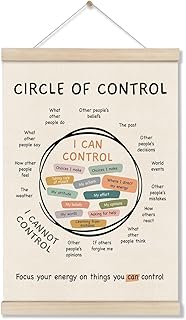


Shared Experiences Foster a Sense of Belonging
Human beings are inherently social creatures, and our mental health thrives when we feel connected to others. Shared experiences play a pivotal role in fostering this connection by creating a sense of belonging. When we engage in activities or moments with others, whether it’s a group hike, a family dinner, or a community project, we weave ourselves into a collective narrative. These shared moments act as emotional anchors, reminding us that we are part of something larger than ourselves. Research shows that individuals who regularly participate in shared experiences report higher levels of happiness and lower levels of loneliness, underscoring the profound impact of these interactions on mental well-being.
Consider the act of storytelling within a group setting. When someone shares a personal anecdote, and others respond with nods, laughter, or their own related stories, a bond forms. This exchange validates individual experiences while highlighting commonalities. For instance, a study published in the *Journal of Social and Personal Relationships* found that sharing personal stories in a supportive environment reduces stress and increases feelings of acceptance. The key lies in the reciprocity of these interactions—when we contribute to and receive from shared experiences, we reinforce our place within a community.
Practical steps to cultivate shared experiences include joining clubs or groups aligned with personal interests, volunteering for community initiatives, or simply initiating regular meetups with friends or family. For example, a weekly book club not only encourages reading but also provides a structured space for discussion and connection. For younger individuals, such as teenagers, group activities like sports or art classes can be particularly beneficial, as they offer opportunities to bond over shared challenges and achievements. Even virtual shared experiences, like online gaming or collaborative projects, can foster belonging, though in-person interactions tend to yield stronger emotional benefits.
However, it’s important to approach shared experiences with intentionality. Not all group activities lead to meaningful connections. For instance, passive participation in large gatherings may not yield the same sense of belonging as active engagement in smaller, more intimate settings. To maximize the mental health benefits, focus on activities that encourage dialogue, collaboration, and vulnerability. For example, a cooking class where participants work in pairs to create a dish fosters both teamwork and personal interaction, whereas a lecture-style event may leave attendees feeling disconnected.
In conclusion, shared experiences serve as a powerful antidote to isolation, weaving individuals into the fabric of community. By actively participating in activities that encourage connection, we not only enrich our own lives but also contribute to the well-being of those around us. Whether through storytelling, collaborative projects, or shared hobbies, these moments remind us that we are not alone—a truth that resonates deeply in the human experience.
Nutrition's Impact: How Eating Better Boosts Mental Health and Well-Being
You may want to see also
Explore related products


$14.99 $29.99



Emotional Connection Enhances Mood and Happiness
Human beings are inherently social creatures, and our emotional connections with others play a pivotal role in shaping our mental well-being. Research consistently shows that fostering deep, meaningful relationships can significantly enhance mood and happiness. For instance, a study published in the *Journal of Happiness Studies* found that individuals who reported high levels of social connection were 50% more likely to experience sustained happiness compared to those with fewer social ties. This isn’t merely about having acquaintances; it’s about cultivating relationships where emotions are shared, understood, and reciprocated.
To harness the mood-boosting power of emotional connection, consider the quality over quantity principle. Spending just 15–30 minutes daily engaging in meaningful conversations—whether with a partner, friend, or family member—can elevate oxytocin levels, often referred to as the "love hormone," which promotes feelings of trust and bonding. For example, sharing personal experiences or actively listening without judgment can deepen emotional ties. Conversely, superficial interactions, like small talk, yield minimal emotional benefits. Prioritize depth in your interactions to maximize the positive impact on your mood.
A comparative analysis reveals that emotional connection outperforms solitary activities in enhancing happiness. While hobbies like reading or exercising provide temporary mood lifts, they lack the sustained emotional fulfillment derived from human connection. For instance, a 2020 study in *Psychological Science* found that individuals who engaged in group activities reported higher levels of happiness than those who pursued solo hobbies. This highlights the unique role of emotional connection in fostering long-term well-being. If you’re an introvert, start small—join a book club or attend a community event—to gradually build emotionally enriching relationships.
Practical steps to strengthen emotional connections include practicing vulnerability and empathy. Sharing your feelings openly, even if it feels uncomfortable, fosters intimacy and trust. For example, saying, "I’ve been feeling overwhelmed lately," invites support and understanding. Similarly, actively empathizing with others—by acknowledging their emotions without trying to "fix" them—strengthens bonds. A cautionary note: avoid over-relying on digital communication. While texting or social media can maintain connections, they often lack the emotional depth of face-to-face or voice interactions. Aim for a balance, ensuring in-person or video conversations complement digital exchanges.
In conclusion, emotional connection is a potent tool for enhancing mood and happiness. By prioritizing quality interactions, practicing vulnerability, and balancing communication methods, you can cultivate relationships that nurture your mental health. Remember, it’s not just about being connected—it’s about being emotionally connected. Start today by reaching out to someone and sharing a moment of genuine emotion. Your happiness may depend on it.
Healing Companions: How Animals Support Mental Health and Well-Being
You may want to see also
Explore related products


$12.23 $14.39


Community Engagement Provides Purpose and Structure
Human beings are inherently social creatures, and our mental well-being is deeply intertwined with our connections to others. Community engagement, in particular, plays a pivotal role in providing purpose and structure, two essential elements for maintaining mental health. When individuals actively participate in community activities, they often find themselves part of something larger than themselves, which can foster a sense of belonging and direction. For instance, volunteering at a local shelter not only helps those in need but also gives the volunteer a clear role and a sense of accomplishment, both of which are critical for combating feelings of aimlessness or isolation.
Consider the structure that community engagement naturally imposes. Joining a community garden, for example, requires regular attendance, shared responsibilities, and collaborative decision-making. This routine can be particularly beneficial for individuals struggling with mental health issues such as depression or anxiety, as it provides a predictable framework that counteracts the chaos often associated with these conditions. Studies show that structured activities, especially those involving social interaction, can reduce symptoms of depression by up to 30%. For older adults, community engagement through senior centers or hobby groups can be especially impactful, as it combats the loneliness that often accompanies aging while keeping them mentally and physically active.
From a persuasive standpoint, community engagement is not just a personal benefit but a societal one. When individuals find purpose through community involvement, they are more likely to contribute positively to society, creating a ripple effect of well-being. Take the example of mentorship programs, where experienced professionals guide younger individuals. The mentors gain a renewed sense of purpose, while the mentees receive valuable guidance, fostering a cycle of growth and fulfillment. This symbiotic relationship highlights how purpose derived from community engagement can be both personally rewarding and socially transformative.
To maximize the mental health benefits of community engagement, it’s essential to choose activities that align with one’s interests and values. For instance, someone passionate about environmental conservation might find purpose in joining a local clean-up group, while an art enthusiast could thrive in a community mural project. Practical tips include starting small—attending a single event or meeting before committing fully—and setting realistic goals, such as participating in one activity per week. Caution should be taken to avoid overcommitting, as excessive obligations can lead to burnout, negating the positive effects of engagement.
In conclusion, community engagement serves as a powerful tool for enhancing mental health by providing purpose and structure. Whether through volunteering, joining clubs, or participating in neighborhood initiatives, individuals can find meaning and stability in their lives. By thoughtfully selecting activities and maintaining a balanced approach, anyone can harness the transformative power of community involvement to improve their mental well-being.
Struggling to Find Adequate Mental Health Support? You're Not Alone
You may want to see also
Frequently asked questions
Social connection reduces feelings of loneliness, provides emotional support, and boosts self-esteem, which can lower the risk of depression, anxiety, and other mental health issues.
Yes, having a strong support network helps individuals cope with stress, trauma, or adversity by providing encouragement, perspective, and practical assistance.
Empathy fosters understanding and validation, which can reduce feelings of isolation and promote a sense of belonging, positively impacting mental well-being.
Yes, participating in groups provides a sense of purpose, shared interests, and opportunities for meaningful interactions, all of which enhance mental health.
Physical touch, like hugs or handshakes, releases oxytocin, a hormone that reduces stress and anxiety, while non-verbal cues like eye contact build trust and emotional connection.