Ava Ramirez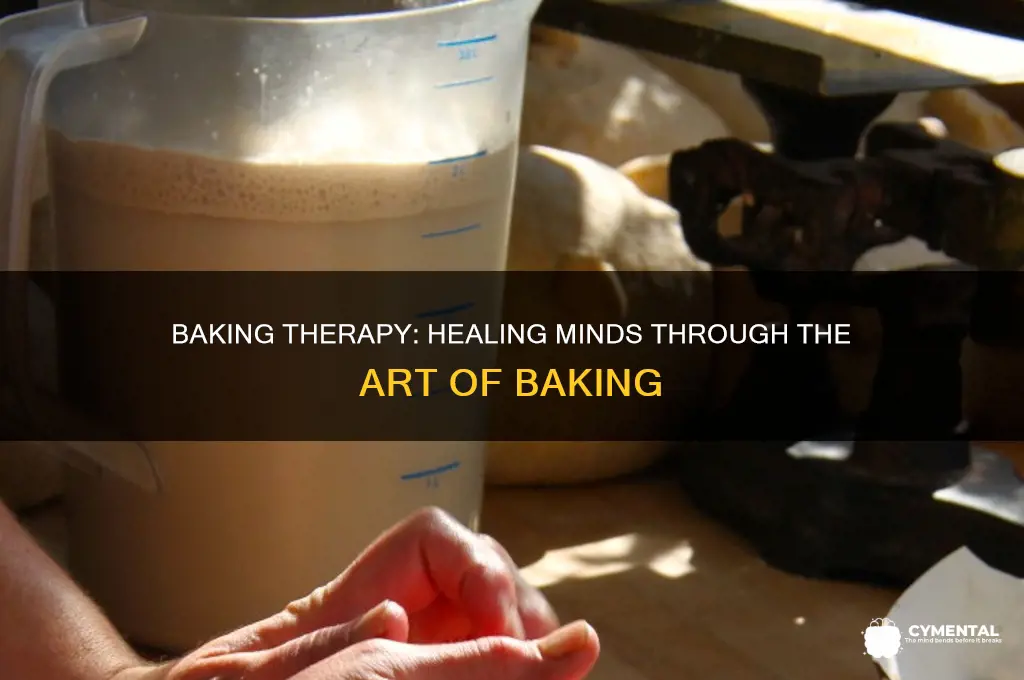
Baking has emerged as a therapeutic activity for individuals grappling with mental illness, offering a unique blend of sensory engagement, structured creativity, and tangible accomplishment. The process of measuring ingredients, mixing dough, and watching baked goods rise provides a grounding experience that can alleviate symptoms of anxiety and depression by focusing the mind on the present moment. Additionally, the repetitive motions involved in baking, such as kneading or whisking, can induce a meditative state, reducing stress and promoting relaxation. The act of creating something nourishing and delicious also fosters a sense of pride and purpose, boosting self-esteem and combating feelings of worthlessness often associated with mental health struggles. Moreover, sharing homemade treats with others can strengthen social connections, providing a sense of belonging and support, which is crucial for mental well-being. Together, these elements make baking a powerful and accessible tool for managing mental health challenges.
Explore related products


What You'll Learn

Stress Relief Through Baking
Baking, with its precise measurements and predictable outcomes, offers a structured escape from the chaos of stress. Unlike more open-ended creative pursuits, baking demands focus on the present moment. Weighing flour, creaming butter, and timing bakes require attention to detail, effectively distracting the mind from anxious thoughts. This mindfulness, born of necessity in the kitchen, mirrors techniques used in cognitive behavioral therapy to ground individuals in the here and now.
Baking's therapeutic power lies in its ability to engage multiple senses simultaneously. The aroma of vanilla, the warmth of the oven, the satisfying crackle of cookies cooling – these sensory experiences trigger the release of dopamine, a neurotransmitter associated with pleasure and reward. This surge of "feel-good" chemicals counteracts stress hormones like cortisol, promoting a sense of calm and well-being.
Consider the act of kneading dough. The repetitive motion, a form of tactile stimulation, has been shown to reduce muscle tension and lower heart rate. It's a physical release, a way to channel stress into something tangible, transforming it into a warm loaf of bread. This sensory engagement, combined with the satisfaction of creating something tangible, provides a powerful antidote to the intangible weight of stress.
For those seeking a structured approach, consider incorporating baking into a stress-relief routine. Dedicate 30 minutes, three times a week, to baking a simple recipe like banana bread or chocolate chip cookies. Focus on the process, not just the outcome. Pay attention to the textures, smells, and sounds. Avoid multitasking – let baking be your sole focus during this time.
While baking can be a powerful stress reliever, it's important to be mindful of potential pitfalls. Avoid using baking as a means of emotional eating. If stress leads to excessive consumption of baked goods, consider healthier alternatives like fruit-based desserts or focus on the joy of gifting your creations to others. Remember, baking is a tool for stress management, not a substitute for professional help if needed.
Plant-Based Diets and Mental Health: Exploring the Mind-Body Connection
You may want to see also
Explore related products


Mindfulness in Measuring Ingredients
Measuring ingredients is often dismissed as a mundane step in baking, but it’s here that mindfulness finds its sweet spot. The precision required—leveling off a cup of flour, counting out grams of sugar, or pouring milk to the exact milliliter—demands full attention. This act of focus anchors you in the present, temporarily silencing the mental noise of anxiety or depression. For those struggling with intrusive thoughts, the repetitive, methodical nature of measuring can act as a grounding exercise, similar to deep breathing or meditation. It’s not just about following a recipe; it’s about engaging your senses and mind in a task that feels both purposeful and achievable.
Consider the tactile experience of scooping flour or the visual precision of aligning a liquid with a measuring cup’s mark. These actions activate the prefrontal cortex, the brain’s decision-making center, while simultaneously calming the amygdala, which drives stress responses. Studies suggest that such focused tasks can reduce cortisol levels by up to 20%, particularly when performed mindfully. To maximize this benefit, slow down. Instead of rushing through measurements, take deliberate pauses. Notice the texture of the sugar, the weight of the measuring spoon, or the sound of liquid pouring. This sensory engagement deepens mindfulness, turning a routine task into a therapeutic practice.
For beginners or those with limited attention span, start with simple recipes requiring fewer measurements. A 3-ingredient cookie dough, for instance, allows you to practice mindfulness without feeling overwhelmed. Gradually, as your focus strengthens, tackle more complex recipes. Caution: avoid multitasking during this step. Checking emails or scrolling through social media while measuring can disrupt the mindfulness flow, diminishing its calming effects. Keep your phone away and dedicate 5–10 minutes solely to this task. Over time, this practice can improve concentration, a skill often eroded by mental health struggles.
The takeaway is clear: measuring ingredients isn’t just about accuracy; it’s an opportunity to cultivate mindfulness. By treating this step as a meditation in motion, you can transform baking into a tool for mental wellness. For teens and adults alike, this practice offers a tangible way to manage stress, anxiety, or even symptoms of ADHD. Pair it with deep breathing for added benefit—inhale as you pick up the measuring cup, exhale as you pour. Small, intentional actions like these can accumulate into significant mental health gains, proving that sometimes, the most therapeutic moments are found in the details.
B12 and Mental Health: Unlocking the Connection for Better Well-Being
You may want to see also
Explore related products


Creative Expression in Decorating
Decorating baked goods is more than a finishing touch—it’s a canvas for emotional release and cognitive engagement. Unlike the precision of measuring ingredients or the repetition of kneading dough, decorating demands creativity and spontaneity. This phase of baking shifts the focus from following rules to breaking them, allowing individuals to express feelings that words often fail to capture. Whether piping intricate patterns or arranging toppings asymmetrically, the act of decorating transforms a simple cake or cookie into a metaphor for personal narrative, offering a safe space to explore emotions without judgment.
Consider the therapeutic benefits of color selection, a seemingly minor decision with profound psychological impact. Research shows that warm tones like red and orange can evoke energy and joy, while cooler hues like blue and purple may induce calmness. For someone struggling with anxiety, consciously choosing soothing colors to decorate a batch of cupcakes can serve as a subtle form of self-soothing. Similarly, experimenting with bold contrasts or monochromatic schemes allows individuals to externalize internal conflicts or harmonies, turning abstract emotions into tangible art.
The tactile nature of decorating further enhances its therapeutic potential. Squeezing frosting from a piping bag, smoothing fondant with a spatula, or sprinkling edible glitter engages the senses in a way that grounds the mind in the present moment. This sensory immersion mimics mindfulness practices, reducing rumination on past stressors or future worries. For those with depression or ADHD, the structured yet flexible task of decorating provides a sense of accomplishment without overwhelming complexity, striking a balance between challenge and capability.
Practical tips can amplify the mental health benefits of decorating. Start with a simple base—a plain sugar cookie or unfrosted muffin—to avoid feeling daunted by a blank slate. Keep a "decorating toolkit" with pre-portioned frosting, edible markers, and sprinkles to minimize setup time and maximize creativity. For children or beginners, set a timer for 15–20 minutes to encourage focused, stress-free experimentation. Advanced decorators might try thematic challenges, such as recreating emotions like "joy" or "melancholy" through design, to deepen the connection between art and emotion.
Ultimately, decorating baked goods is a form of nonverbal communication, a way to say what cannot be spoken. It bridges the gap between the internal and external world, turning fleeting thoughts into lasting creations. Whether shared with others or kept as a personal memento, these decorated treats become symbols of resilience, proof that even in moments of struggle, beauty and meaning can be crafted—one sprinkle, one stroke, at a time.
Removing Mental Health Records: Can You Clear Your History?
You may want to see also
Explore related products


$14.99 $29.99


Sense of Accomplishment from Finished Goods
Baking offers a tangible reward at its conclusion: a finished product that serves as concrete proof of effort and skill. Unlike abstract tasks, the act of pulling a perfectly risen loaf or a batch of evenly browned cookies from the oven provides immediate visual and sensory confirmation of success. This physical manifestation of accomplishment triggers a release of dopamine, the brain’s reward chemical, which can counteract feelings of inadequacy or stagnation often associated with mental health struggles. For individuals battling depression or anxiety, this small but significant victory can act as a counterweight to negative self-perception, offering a momentary reprieve from self-doubt.
Consider the process of decorating a cake. Each step—smoothing frosting, piping intricate designs, arranging toppings—requires focus and precision. When the final product is complete, the baker can step back and observe the transformation of raw ingredients into something beautiful and functional. This act of creation mirrors the therapeutic concept of "mastery," a psychological term referring to the experience of competence gained through achieving a goal. For someone with anxiety, the structured nature of baking provides a safe space to practice mastery, while the finished product reinforces the idea that progress and completion are attainable.
To maximize this sense of accomplishment, start with recipes that align with your skill level but still offer room for challenge. Beginners might try a no-knead bread or a one-bowl cookie recipe, while more experienced bakers could experiment with layered cakes or laminated doughs. Regardless of complexity, set clear, achievable goals for each baking session—whether it’s perfecting a macaron’s "foot" or achieving a consistent crumb texture. Document your successes through photography or sharing with others; this not only preserves the moment but also allows external validation to amplify the internal sense of achievement.
However, it’s crucial to manage expectations. Not every bake will turn out flawlessly, and tying self-worth too closely to outcomes can backfire. Instead, reframe "failures" as learning opportunities. For instance, a sunken cake might teach the importance of oven temperature accuracy, while over-mixed dough could highlight the delicate balance of gluten development. By focusing on the process rather than solely the product, the sense of accomplishment becomes more resilient, rooted in growth rather than perfection. This mindset shift is particularly beneficial for those with perfectionist tendencies or obsessive-compulsive traits, as it fosters self-compassion alongside skill-building.
Incorporating baking into a mental health routine requires consistency but not rigidity. Aim for a "baking dosage" of 1–2 sessions per week, enough to establish a rhythm without becoming overwhelming. Pair this practice with mindfulness techniques, such as focusing on the sensory aspects of measuring ingredients or mixing batter, to deepen the therapeutic impact. Over time, the cumulative effect of these small accomplishments can contribute to a broader sense of agency and optimism, proving that even in the midst of mental health challenges, creation and completion remain within reach.
Addressing Mental Health: Are Our Efforts Truly Making a Difference?
You may want to see also
Explore related products


Social Connection via Sharing Bakes
Baking, with its precise measurements and transformative processes, inherently fosters a sense of accomplishment. But its benefits extend beyond the kitchen. Sharing baked goods becomes a powerful tool for social connection, offering a tangible way to express care and initiate meaningful interactions.
Imagine a plate of warm cookies delivered to a neighbor, a cake shared at a community event, or a loaf of bread gifted to a friend in need. These acts transcend mere food exchange; they become gestures of warmth, kindness, and vulnerability.
This act of sharing taps into a fundamental human need for connection. Research suggests that social isolation can exacerbate mental health struggles, while meaningful social interactions promote feelings of belonging and well-being. Baking provides a structured, accessible activity that naturally leads to these interactions. The process itself can be therapeutic, but the true magic lies in the sharing.
A study published in the *Journal of Positive Psychology* found that performing acts of kindness, like sharing homemade treats, significantly boosts happiness and life satisfaction. This "helper's high" isn't just anecdotal; it's backed by science.
Consider the following practical tips to maximize the social benefits of sharing your bakes:
- Targeted Sharing: Identify individuals who might particularly benefit from a gesture of kindness. Perhaps a colleague going through a tough time, an elderly neighbor living alone, or a friend celebrating a milestone.
- Personal Touch: Tailor your bakes to the recipient's preferences. A gluten-free option for a friend with dietary restrictions, their favorite flavor combination, or a decorative touch that reflects their interests shows thoughtfulness and deepens the connection.
- Accompany with Presence: Whenever possible, deliver your bakes in person. The act of sharing becomes a conversation starter, allowing for genuine interaction and the opportunity to listen and connect.
Sharing baked goods is more than just a culinary act; it's a form of emotional currency. It bridges distances, fosters community, and reminds us of our shared humanity. In a world that often feels disconnected, a simple loaf of bread or a batch of cookies can be a powerful antidote to loneliness and a catalyst for meaningful social connection.
Do School Mental Health Services Truly Support Student Well-being?
You may want to see also
Frequently asked questions
Baking is a form of mindfulness that requires focus and attention, which helps distract the mind from stressors. The repetitive actions, like measuring ingredients or kneading dough, promote a calming effect, while the sensory experience of textures and aromas can soothe the nervous system.
Yes, baking can boost mood by releasing endorphins, often referred to as "happy hormones." Completing a recipe provides a sense of accomplishment, and sharing baked goods with others fosters social connection, both of which are beneficial for combating feelings of depression.
Baking engages multiple senses and activates the brain’s reward system, releasing dopamine when a task is completed successfully. It also encourages creativity and structure, which can help individuals feel more in control and grounded, particularly during episodes of mental distress.