Lucas Bennett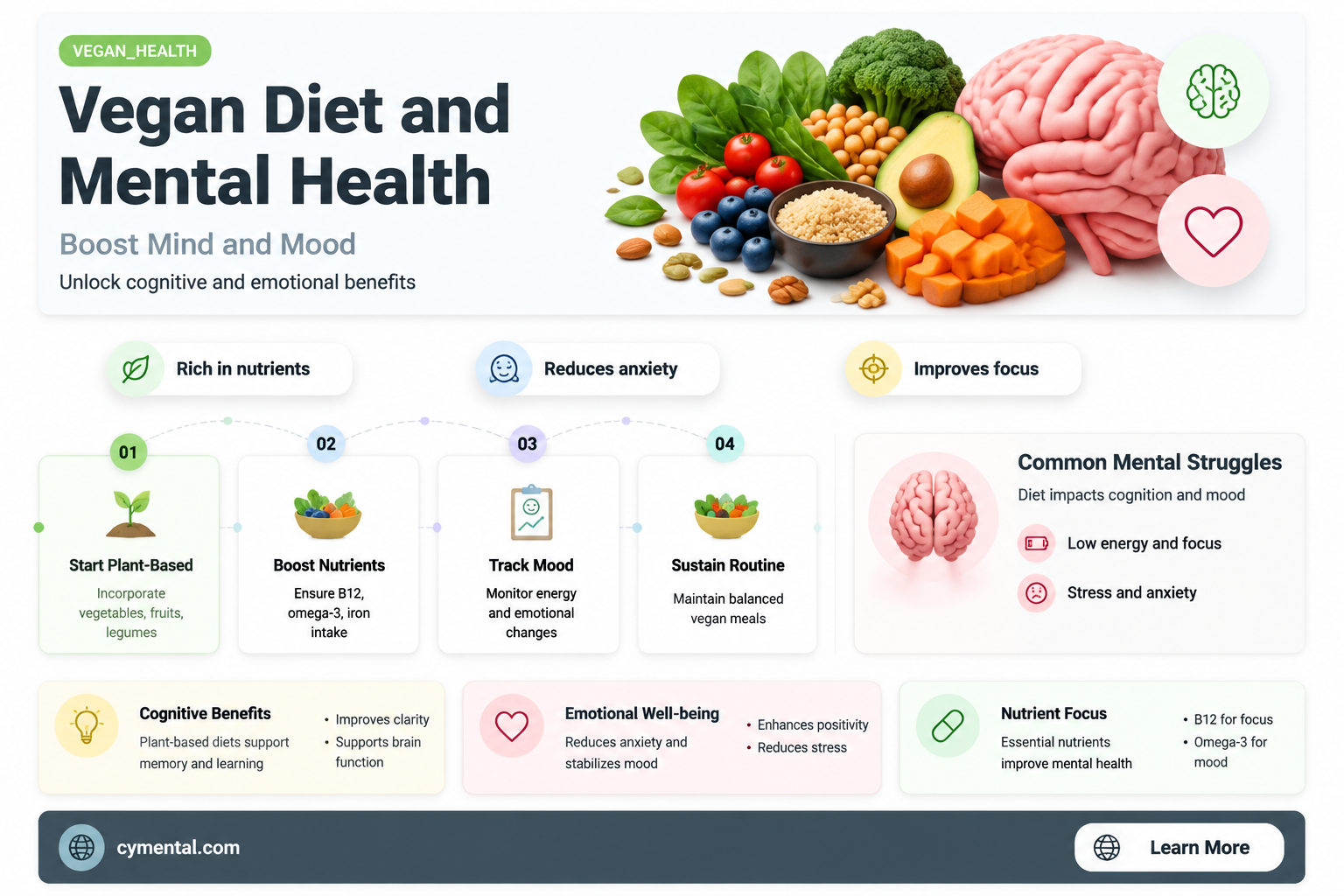
The vegan diet, characterized by the exclusion of all animal products, has gained significant attention not only for its potential physical health benefits but also for its impact on mental well-being. Advocates argue that a plant-based diet can improve mood, reduce stress, and enhance cognitive function, often attributing these effects to increased intake of nutrients like antioxidants, vitamins, and minerals found in fruits, vegetables, and whole grains. Conversely, skeptics question whether the elimination of certain food groups might lead to nutrient deficiencies, such as vitamin B12 or omega-3 fatty acids, which are crucial for brain health. As research continues to explore this relationship, understanding whether a vegan diet genuinely supports mental health remains a topic of growing interest and debate.
Explore related products


What You'll Learn

Impact on mood and stress levels
The link between diet and mental health is a complex interplay of nutrients, gut health, and lifestyle factors. A vegan diet, rich in fruits, vegetables, whole grains, and legumes, offers a unique nutritional profile that may influence mood and stress levels. One key aspect is the abundance of antioxidants and anti-inflammatory compounds in plant-based foods. Chronic inflammation has been linked to depression and anxiety, and studies suggest that diets high in antioxidants can mitigate these effects. For instance, a 2018 review in *Nutritional Neuroscience* found that increased fruit and vegetable intake was associated with reduced symptoms of depression, particularly in women.
Practical steps to leverage these benefits include incorporating a variety of colorful vegetables, berries, nuts, and seeds into daily meals. Aim for at least 5 servings of fruits and vegetables per day, with a focus on leafy greens like spinach and kale, which are high in magnesium—a mineral known to support stress reduction. Additionally, fermented foods like tempeh, kimchi, and plant-based yogurts can enhance gut health, which is increasingly recognized as a critical factor in mental well-being. The gut-brain axis suggests that a healthy gut microbiome can positively influence mood and stress resilience.
However, caution is warranted regarding potential nutrient deficiencies in a vegan diet, particularly vitamin B12, omega-3 fatty acids, and iron, which are crucial for brain function. Deficiencies in these nutrients can exacerbate stress and mood disorders. For example, B12 deficiency is linked to depression and fatigue. Vegans should consider fortified foods or supplements to meet daily requirements: adults need 2.4 mcg of B12 daily, and omega-3 intake can be boosted with flaxseeds, chia seeds, or algae-based supplements. Regular blood tests can help monitor nutrient levels and prevent imbalances.
Comparatively, while a vegan diet offers mental health benefits, its impact on stress and mood is not universally consistent. Individual responses vary based on factors like genetics, overall lifestyle, and pre-existing conditions. For instance, someone with a history of anxiety may find relief in the anti-inflammatory properties of a vegan diet, while another person might struggle with energy levels due to inadequate nutrient intake. Personalization is key—consulting a dietitian can help tailor a vegan diet to address specific mental health needs.
In conclusion, a well-planned vegan diet can positively impact mood and stress levels by reducing inflammation, supporting gut health, and providing essential nutrients. However, it requires mindful attention to potential deficiencies and individual variability. By combining nutrient-dense foods with strategic supplementation, individuals can harness the mental health benefits of a plant-based diet while mitigating risks. This approach transforms the vegan diet from a mere dietary choice into a powerful tool for emotional resilience.
Can You Require a Spouse to Seek Mental Health Treatment?
You may want to see also
Explore related products


Cognitive function and brain health benefits
A plant-based diet, rich in fruits, vegetables, whole grains, nuts, and seeds, provides a unique combination of nutrients that can significantly impact cognitive function and brain health. These foods are packed with antioxidants, vitamins, and minerals that have been linked to improved mental clarity, focus, and overall brain performance. For instance, leafy greens like spinach and kale are high in folate, a B-vitamin essential for brain health, while berries, particularly blueberries, are renowned for their high antioxidant content, which can help protect the brain from oxidative stress and inflammation.
The Role of Omega-3 Fatty Acids
One of the most critical nutrients for brain health is omega-3 fatty acids, specifically EPA (eicosapentaenoic acid) and DHA (docosahexaenoic acid). While these are commonly associated with fish, vegans can obtain them from plant-based sources like flaxseeds, chia seeds, and walnuts, as well as algae-based supplements. A study published in the *Journal of Affective Disorders* found that higher intake of omega-3s was associated with reduced symptoms of depression and anxiety, highlighting their importance in maintaining mental well-being. To ensure adequate intake, vegans should aim for at least 2-3 grams of ALA (alpha-linolenic acid) per day, which the body partially converts to EPA and DHA.
Boosting Brain Health with Plant-Based Proteins
Plant-based proteins, such as those found in legumes, tofu, tempeh, and seitan, play a vital role in supporting cognitive function. These proteins provide essential amino acids, including tryptophan, which is a precursor to serotonin, a neurotransmitter that regulates mood, sleep, and appetite. Incorporating a variety of plant-based proteins into your diet can help maintain stable serotonin levels, promoting emotional balance and mental clarity. For optimal results, aim to include at least 2-3 servings of plant-based proteins per day, ensuring a diverse range of sources to cover all essential amino acids.
Practical Tips for Enhancing Cognitive Function
To maximize the cognitive benefits of a vegan diet, consider the following practical tips:
- Incorporate brain-boosting foods: Start your day with a smoothie containing blueberries, spinach, and chia seeds, or snack on a handful of walnuts and almonds.
- Stay hydrated: Drink at least 8-10 cups of water per day, as dehydration can impair cognitive function and mood.
- Exercise regularly: Engage in at least 30 minutes of moderate exercise, such as brisk walking or cycling, most days of the week to promote blood flow to the brain and enhance cognitive performance.
- Prioritize sleep: Aim for 7-9 hours of quality sleep per night, as sleep deprivation can negatively impact cognitive function and mental health.
- Consider supplements: If you're unable to meet your nutrient needs through diet alone, consult a healthcare professional about supplements like vitamin B12, vitamin D, and omega-3s to support brain health.
By adopting a well-planned vegan diet and incorporating these practical tips, individuals can optimize their cognitive function, enhance brain health, and promote overall mental well-being. As research continues to uncover the intricate connections between diet and brain function, it's clear that a plant-based approach can be a powerful tool in supporting a healthy, resilient mind.
Music's Power: Boosting Middle Schoolers' Mental Health and Well-Being
You may want to see also
Explore related products


Role in reducing anxiety symptoms
A growing body of research suggests that dietary choices can significantly influence mental health, particularly anxiety levels. Among these, the vegan diet has emerged as a potential ally in reducing anxiety symptoms. This connection isn’t merely anecdotal; studies have begun to uncover the mechanisms through which plant-based eating may promote calmer minds. For instance, a 2018 study published in *Nutritional Neuroscience* found that participants following a vegan diet reported lower anxiety levels compared to omnivores, attributing this to reduced inflammation and improved gut health.
To harness the anxiety-reducing benefits of a vegan diet, focus on nutrient-dense foods that support brain function. Magnesium-rich foods like spinach, almonds, and pumpkin seeds are natural relaxants, while omega-3 fatty acids from flaxseeds, chia seeds, and walnuts combat inflammation linked to anxiety. Incorporate fermented foods like tempeh or kimchi to nurture gut microbiota, as a healthy gut-brain axis is critical for emotional regulation. Avoid processed vegan foods high in sugar and additives, which can spike cortisol levels and exacerbate anxiety.
Practical implementation requires a balanced approach. Start by gradually replacing animal products with whole plant foods, ensuring adequate intake of vitamin B6 (found in bananas and chickpeas) and zinc (from lentils and tofu), both of which play a role in neurotransmitter synthesis. For those aged 18–65, aim for 1.5–2 grams of omega-3s daily, either through diet or supplements like algae oil. Pair dietary changes with mindfulness practices, such as meditation or deep breathing, to amplify the calming effects.
While the vegan diet shows promise, it’s not a one-size-fits-all solution. Individual responses vary based on genetics, lifestyle, and pre-existing conditions. For example, those with anxiety disorders should consult a healthcare provider before making drastic dietary changes, especially if they rely on medication. Additionally, monitor nutrient levels like iron, vitamin B12, and calcium, as deficiencies can counteract mental health benefits. When executed thoughtfully, however, a vegan diet can be a powerful tool in managing anxiety, offering both physical and psychological relief.
Do Therapists Truly Help? Exploring Mental Health Therapy's Impact and Benefits
You may want to see also
Explore related products


Influence on sleep quality and patterns
Sleep quality is profoundly affected by diet, and the vegan diet’s impact on sleep patterns is a nuanced interplay of nutrients and lifestyle. Magnesium, found abundantly in leafy greens, nuts, and seeds, acts as a natural muscle relaxant and regulates melatonin, the sleep hormone. A study in the *Journal of Research in Medical Sciences* found that adults consuming 500 mg of magnesium daily experienced significant improvements in sleep duration and quality. Vegans who prioritize these foods may inadvertently create an environment conducive to deeper, more restorative sleep. However, reliance on processed vegan foods—often high in sugar and low in essential minerals—can disrupt this balance, highlighting the importance of whole-food choices.
Contrastingly, the absence of certain nutrients in a poorly planned vegan diet can negatively influence sleep. Vitamin B12, primarily found in animal products, is critical for serotonin production, a precursor to melatonin. Deficiency in this vitamin, common among vegans who skip supplementation, has been linked to insomnia and disrupted sleep patterns. A 2017 study in *Nutrients* revealed that 86% of vegans were B12 deficient without supplementation. Practical advice? Incorporate fortified foods like nutritional yeast or take a 250 mcg daily supplement to maintain optimal levels and support consistent sleep.
The role of plant-based diets in reducing inflammation also indirectly benefits sleep. Chronic inflammation, often exacerbated by high-fat animal products, is linked to sleep disorders like sleep apnea. A vegan diet rich in anti-inflammatory foods—such as turmeric, berries, and walnuts—can mitigate this risk. For instance, a 2020 study in *Frontiers in Nutrition* found that participants on a vegan diet experienced a 29% reduction in inflammatory markers after just 16 weeks. Pairing this diet with evening rituals like herbal tea (chamomile or valerian root) can further enhance relaxation and sleep onset.
Finally, the timing and composition of vegan meals can optimize sleep patterns. High-fiber, low-glycemic foods stabilize blood sugar levels, preventing nighttime awakenings. A dinner rich in complex carbohydrates (e.g., quinoa or sweet potatoes) paired with plant-based protein (e.g., lentils or tofu) promotes steady tryptophan release, aiding melatonin synthesis. Avoid heavy, fat-dense meals close to bedtime, as they slow digestion and disrupt sleep. Instead, opt for a light snack like a banana with almond butter 1–2 hours before sleep to encourage relaxation without discomfort.
In summary, a vegan diet can significantly enhance sleep quality when approached mindfully. Prioritize magnesium-rich foods, ensure adequate B12 intake, leverage anti-inflammatory options, and structure meals to support circadian rhythms. Small, intentional adjustments yield profound results, transforming not just diet but nightly rest.
Coconut Oil and Mental Health: Exploring Potential Benefits and Science
You may want to see also
Explore related products


Connection to lower depression risk
A growing body of research suggests that adopting a vegan diet may contribute to a reduced risk of depression. This connection isn't merely anecdotal; studies have begun to unravel the biological and nutritional mechanisms at play. For instance, a 2018 study published in the *Journal of Affective Disorders* found that participants following a vegan diet reported significantly lower levels of depression and anxiety compared to their omnivorous counterparts. This raises the question: What specific aspects of a vegan diet might be influencing mental health?
One key factor is the high intake of plant-based nutrients that are often deficient in non-vegan diets. For example, leafy greens, nuts, seeds, and legumes are rich in magnesium, a mineral linked to serotonin regulation. Serotonin, often dubbed the "feel-good" neurotransmitter, plays a critical role in mood stabilization. A magnesium deficiency, common in diets lacking these plant foods, has been associated with increased depression risk. Incorporating magnesium-rich foods like spinach (157 mg per 180g) or almonds (80 mg per 28g) can be a practical step toward mitigating this risk.
Another critical component is the role of inflammation in mental health. Chronic inflammation has been implicated in the pathophysiology of depression, and vegan diets are inherently anti-inflammatory due to their emphasis on whole, unprocessed foods. For instance, fruits and vegetables are high in antioxidants like vitamin C and flavonoids, which combat oxidative stress. A 2020 study in *Nutritional Neuroscience* highlighted that vegans had lower levels of C-reactive protein (CRP), a marker of inflammation, compared to meat-eaters. Reducing inflammation through diet may thus be a protective factor against depression.
However, it’s essential to approach this connection with nuance. While a vegan diet can provide mental health benefits, it’s not a one-size-fits-all solution. For example, vitamin B12, crucial for brain function, is primarily found in animal products. Vegans must supplement with B12 (250-1000 mcg daily) or consume fortified foods to avoid deficiency, which can lead to depression and cognitive issues. Additionally, the social and psychological aspects of dietary choices—such as the stress of restrictive eating or the challenge of dining out—can offset potential mental health benefits if not managed thoughtfully.
Incorporating a vegan diet as part of a holistic approach to mental health requires intentionality. Start by gradually increasing plant-based meals while ensuring nutrient adequacy. Track your mood and energy levels to observe personal impacts. For those with pre-existing mental health conditions, consult a healthcare provider or dietitian to tailor the diet to individual needs. While the evidence is promising, the connection between veganism and lower depression risk is most effective when paired with other mental health strategies, such as therapy, exercise, and social support.
Keto Diet and Mental Health: Unlocking Brain Benefits or Myth?
You may want to see also
Frequently asked questions
Many people report improved mental clarity and focus on a vegan diet due to increased intake of nutrient-dense foods like fruits, vegetables, and whole grains, which support brain health.
Some studies suggest that a vegan diet, rich in antioxidants, vitamins, and minerals, may help reduce symptoms of anxiety and depression by promoting overall brain health and reducing inflammation.
A well-planned vegan diet can positively impact mood by stabilizing blood sugar levels and increasing intake of mood-boosting nutrients like magnesium, folate, and omega-3 fatty acids.
Poorly planned vegan diets may lead to deficiencies in nutrients like vitamin B12, iron, and omega-3s, which can negatively affect mental health. Proper planning and supplementation are essential.
Foods commonly found in a vegan diet, such as berries, nuts, and leafy greens, are linked to improved cognitive function and memory due to their high antioxidant and anti-inflammatory properties.