Madison Cole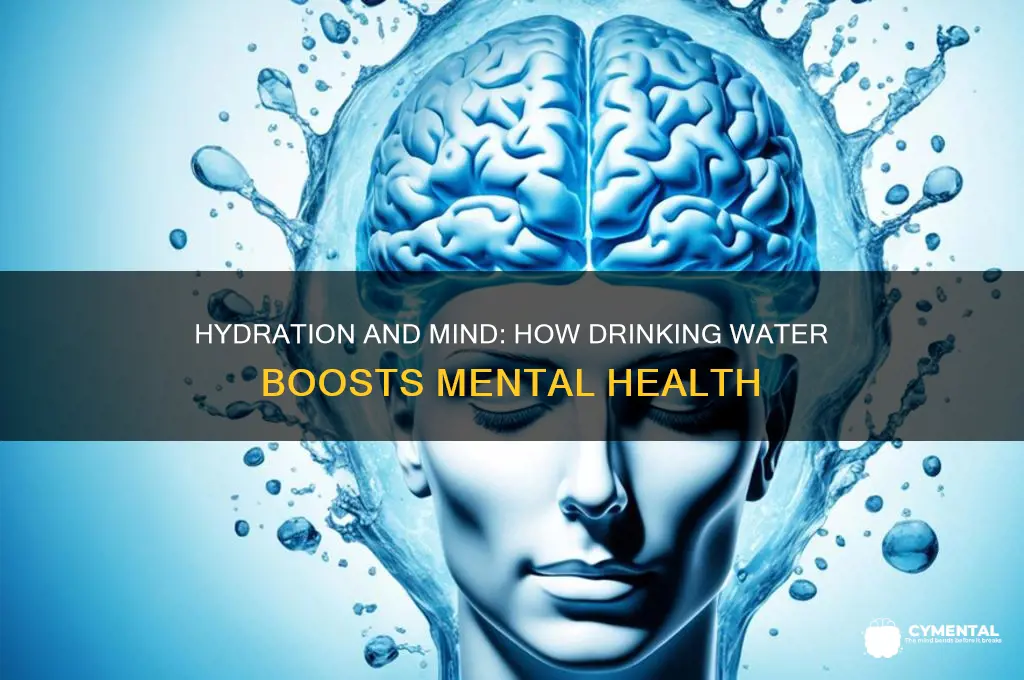
Drinking water is not only essential for physical health but also plays a significant role in supporting mental well-being. Proper hydration helps maintain optimal brain function by ensuring the delivery of essential nutrients and oxygen to the brain, while also removing toxins. Dehydration, even in mild forms, can impair cognitive functions such as concentration, mood regulation, and memory, potentially leading to symptoms like anxiety, fatigue, and irritability. Water also aids in the production of neurotransmitters and hormones that regulate stress and mood, such as serotonin and cortisol. By staying hydrated, individuals can enhance their mental clarity, stabilize emotions, and reduce the risk of mental health issues, making it a simple yet powerful tool for maintaining overall psychological health.
| Characteristics | Values |
|---|---|
| Hydration and Brain Function | Proper hydration ensures optimal brain function, as the brain is about 75% water. Dehydration can impair cognitive performance, including concentration, alertness, and short-term memory. |
| Mood Regulation | Studies show that even mild dehydration (1-2% of body weight) can negatively affect mood, leading to increased fatigue, anxiety, and confusion. Adequate hydration helps stabilize mood. |
| Stress Reduction | Drinking water can help regulate cortisol levels, the body’s primary stress hormone. Staying hydrated supports the body’s ability to manage stress more effectively. |
| Improved Sleep Quality | Proper hydration supports the production of melatonin, a hormone essential for sleep regulation. Dehydration can disrupt sleep patterns, while adequate water intake promotes better sleep. |
| Reduction in Headaches and Migraines | Dehydration is a common trigger for headaches and migraines. Staying hydrated can reduce the frequency and intensity of these episodes, improving overall mental well-being. |
| Enhanced Cognitive Performance | Hydration supports neurotransmitter function and blood flow to the brain, enhancing tasks like problem-solving, decision-making, and attention to detail. |
| Detoxification | Water aids in flushing out toxins from the body, reducing inflammation and oxidative stress, which can negatively impact mental health. |
| Energy Levels | Proper hydration helps maintain energy levels by supporting cellular function and oxygen delivery to the brain, reducing feelings of fatigue and lethargy. |
| Anxiety and Depression Management | While not a cure, staying hydrated can complement other treatments for anxiety and depression by supporting overall brain health and emotional stability. |
| Focus and Productivity | Adequate hydration improves focus and productivity by ensuring the brain has the necessary resources to function optimally. |
Explore related products


What You'll Learn
- Hydration boosts mood and cognitive function, reducing anxiety and stress levels effectively
- Water intake improves focus, memory, and overall brain performance significantly
- Proper hydration helps regulate emotions and stabilizes mental well-being naturally
- Dehydration increases fatigue and irritability, negatively impacting mental clarity
- Drinking water supports neurotransmitter function, enhancing mental resilience and calmness

Hydration boosts mood and cognitive function, reducing anxiety and stress levels effectively
Drinking enough water each day isn’t just about quenching thirst—it’s a powerful tool for stabilizing mood and sharpening cognitive function. Studies show that even mild dehydration, as little as 1-2% of body weight, can impair concentration, memory, and mood. For context, a 160-pound person losing just 1.6 to 3.2 pounds of water through sweat or respiration can experience these effects. Adults should aim for 8–10 cups (64–80 ounces) of water daily, adjusting for activity level, climate, and health conditions. Carrying a reusable water bottle and setting hourly reminders can help maintain consistent hydration, ensuring your brain operates at its peak.
Consider the brain’s composition: it’s 75% water, and this fluid is essential for neurotransmitter production and electrical signaling. When dehydrated, the brain’s energy levels drop, leading to fatigue, irritability, and reduced cognitive performance. For example, a 2019 study published in *Physiology & Behavior* found that dehydrated participants scored lower on cognitive tasks and reported higher anxiety levels compared to hydrated counterparts. To combat this, start your day with a glass of water, and pair hydration with electrolyte-rich foods like bananas or spinach, especially after intense physical or mental exertion.
From a practical standpoint, hydration’s impact on stress reduction is particularly noteworthy. Cortisol, the stress hormone, spikes when the body is dehydrated, amplifying feelings of tension and anxiety. A simple yet effective strategy is to drink a glass of water during moments of heightened stress. This not only hydrates but also acts as a physical pause, allowing you to reset mentally. For those prone to anxiety, tracking water intake alongside mood in a journal can reveal patterns and reinforce the habit of staying hydrated as a proactive mental health measure.
Comparing hydration to other mood-boosting strategies highlights its accessibility and immediacy. While therapy, exercise, and meditation are invaluable, they require time and resources. Hydration, on the other hand, is nearly cost-free and can be integrated into daily routines effortlessly. For instance, swapping one sugary drink for water not only hydrates but also reduces sugar-induced mood swings. Parents and caregivers can encourage children and teens, who are particularly susceptible to dehydration-related mood changes, to drink water before and after school or sports activities, fostering better emotional regulation and focus.
Incorporating hydration into your mental health toolkit is a small but impactful step. For maximum benefit, pair water intake with mindful practices like deep breathing or short walks. Avoid overhydration, as it can dilute electrolytes, and instead focus on consistent, balanced intake. By recognizing the direct link between hydration and mental clarity, you empower yourself to tackle stress, anxiety, and cognitive challenges with a simple, sustainable solution. Start today—your brain will thank you.
Mental Health Advocacy: How It Can Influence Court Outcomes
You may want to see also
Explore related products


Water intake improves focus, memory, and overall brain performance significantly
The brain is an energy-intensive organ, consuming about 20% of the body's total energy production, despite only weighing around 2% of body weight. This high energy demand is closely tied to its hydration status. Even mild dehydration, as little as 1-2% of body weight, can impair cognitive functions such as attention, short-term memory, and visual tracking. Studies show that dehydration reduces cognitive performance by up to 10%, a decline comparable to the effects of sleep deprivation or alcohol consumption. To maintain optimal brain function, adults should aim to drink at least 8-10 cups (2-2.5 liters) of water daily, adjusting for factors like physical activity, climate, and health conditions.
Consider the impact of water on memory consolidation, a critical process for learning and retention. The brain’s hippocampus, a region vital for memory, is highly sensitive to hydration levels. A 2018 study published in *Frontiers in Human Neuroscience* found that participants who were well-hydrated performed significantly better on memory recall tasks compared to those who were dehydrated. Practical tips to enhance memory include drinking a glass of water before studying or starting a task requiring concentration, and carrying a reusable water bottle as a visual reminder to stay hydrated throughout the day.
Focus and attention are equally dependent on adequate hydration. Dehydration disrupts the balance of neurotransmitters and hormones, such as cortisol, which can increase stress and reduce the brain’s ability to sustain attention. For children and adolescents, whose brains are still developing, the effects of dehydration on focus can be particularly pronounced. A study in *Appetite* journal revealed that students who drank water before taking cognitive tests scored higher in attention and visual search tasks. Parents and educators can encourage hydration by providing water-rich snacks like cucumbers, watermelon, or oranges, and ensuring water is readily available during study or classroom hours.
Finally, overall brain performance is enhanced by water’s role in maintaining cerebral blood flow and oxygen delivery. Proper hydration ensures that nutrients and oxygen are efficiently transported to brain cells, supporting their metabolic needs. For older adults, staying hydrated is crucial for cognitive health, as dehydration can exacerbate age-related cognitive decline. A simple yet effective strategy is to pair water intake with daily routines, such as drinking a glass of water after each meal or before and after physical activity. Monitoring urine color can also serve as a quick hydration check—a pale yellow color indicates adequate hydration, while darker shades signal the need to drink more water.
Incorporating these hydration practices into daily life not only supports focus, memory, and brain performance but also fosters long-term cognitive resilience. Water is not just a basic necessity; it is a powerful tool for optimizing mental clarity and efficiency.
Dogs and Mental Health: Surprising Statistics on Emotional Support
You may want to see also
Explore related products


Proper hydration helps regulate emotions and stabilizes mental well-being naturally
Dehydration, even as mild as 1-2% of body weight, can impair mood, concentration, and alertness. Studies show that individuals who are mildly dehydrated report higher levels of anxiety, fatigue, and confusion. Conversely, maintaining proper hydration levels has been linked to improved emotional regulation and mental clarity. The brain, which is about 75% water, relies on adequate hydration to function optimally. When hydrated, the brain can better manage stress responses and maintain emotional equilibrium.
Consider the physiological mechanisms at play. Water is essential for the production of neurotransmitters like serotonin and dopamine, which regulate mood and pleasure. Dehydration disrupts this process, potentially leading to mood swings and irritability. Additionally, proper hydration supports the hypothalamus, the brain region responsible for regulating emotions and body temperature. By ensuring consistent water intake, you provide your brain with the tools it needs to stabilize your mental state naturally.
Practical implementation is key. Adults should aim for at least 8 cups (64 ounces) of water daily, though individual needs vary based on activity level, climate, and age. For instance, older adults may need reminders to drink water, as their sense of thirst diminishes with age. Incorporate hydration into your routine by carrying a reusable water bottle, setting reminders, or pairing water intake with meals. For those who struggle with plain water, infusing it with fruits or herbs can make it more appealing without adding sugar.
Compare the effects of hydration to other mood-regulating strategies. While therapy, meditation, and medication are valuable, proper hydration is a simple, cost-effective, and immediate way to support mental well-being. Unlike caffeine or sugary drinks, which can cause energy crashes and heightened anxiety, water provides sustained benefits without negative side effects. It’s a foundational step that complements other mental health practices, offering a natural and accessible way to regulate emotions.
Finally, observe the long-term benefits. Chronic dehydration can contribute to persistent low mood and cognitive decline over time. By prioritizing hydration, you invest in your brain’s resilience and ability to cope with stress. For example, athletes who maintain hydration during training not only perform better physically but also report improved mental focus and emotional stability. This principle applies to daily life, where consistent hydration can help you navigate challenges with greater ease and composure.
Supporting Loved Ones: A Guide to Accessing Mental Health Care for Family
You may want to see also
Explore related products


Dehydration increases fatigue and irritability, negatively impacting mental clarity
Dehydration, even at a mild level, can significantly impair cognitive function and emotional stability. Studies show that a mere 1–2% loss of body water—easily achieved through routine daily activities—can lead to measurable decreases in attention, short-term memory, and mood regulation. For context, this equates to skipping two glasses of water on a busy day. The brain, composed of 75% water, relies on proper hydration to maintain the electrical signals and neurotransmitter balance essential for clear thinking and emotional resilience. Without adequate fluid intake, mental fatigue sets in, making even simple tasks feel exhausting.
Consider the ripple effect of dehydration on irritability. When dehydrated, the body releases stress hormones like cortisol, which heighten tension and reduce patience. A 2018 study published in *Physiology & Behavior* found that participants who were mildly dehydrated reported higher levels of anxiety, confusion, and hostility compared to their hydrated counterparts. This is particularly concerning in high-stress environments—workplaces, schools, or homes—where even minor irritability can escalate conflicts or hinder productivity. For parents, teachers, or professionals, maintaining hydration isn’t just a health tip; it’s a tool for fostering calmer, more cooperative interactions.
Practical steps to combat dehydration-induced mental fog are straightforward but often overlooked. Adults should aim for 2.7–3.7 liters of water daily, adjusted for activity level, climate, and health conditions. A simple rule: drink a glass of water every hour during waking hours, and increase intake by 1–2 cups before and after physical activity. For those who struggle with plain water, infusing it with cucumber, mint, or lemon can enhance flavor without adding sugar. Carrying a reusable water bottle serves as a visual reminder, while setting hydration alarms on smartphones can reinforce the habit.
Age and lifestyle play critical roles in hydration needs. Children and older adults are particularly vulnerable to dehydration due to reduced thirst perception and higher water loss relative to body weight. For children, offering water before and after play, and during meals, ensures consistent intake. Older adults should incorporate water-rich foods like watermelon, cucumbers, and soups into their diet. Athletes or those in hot climates must prioritize electrolyte-rich beverages to replace sodium and potassium lost through sweat, as plain water alone may not suffice in extreme conditions.
The takeaway is clear: hydration is a low-cost, high-impact strategy for preserving mental clarity and emotional balance. By recognizing the subtle signs of dehydration—fatigue, headache, or mood swings—and responding proactively, individuals can safeguard their cognitive and emotional well-being. In a world where mental health challenges are increasingly prevalent, something as simple as drinking enough water can be a powerful, often overlooked, ally.
Nurturing Your Mind: Practical Steps to Enhance Mental Well-Being
You may want to see also
Explore related products





Drinking water supports neurotransmitter function, enhancing mental resilience and calmness
Water, the most fundamental of human needs, plays a pivotal role in maintaining not just physical health but also mental well-being. Among its many benefits, one of the most intriguing is its impact on neurotransmitter function, which directly influences mental resilience and calmness. Neurotransmitters, the brain’s chemical messengers, rely on a well-hydrated environment to function optimally. Even mild dehydration, defined as a 1-2% loss of body weight, can impair cognitive performance and mood regulation. For adults, this translates to as little as 1-2 liters of water loss, easily achievable through daily activities without noticeable thirst.
Consider the mechanism: neurotransmitters like serotonin, dopamine, and GABA require water to synthesize, transport, and bind to receptors effectively. Serotonin, often dubbed the “feel-good” neurotransmitter, is particularly sensitive to hydration levels. Studies show that dehydration reduces serotonin production, leading to increased anxiety and irritability. Conversely, adequate hydration—approximately 2.7 to 3.7 liters of water per day for adults, depending on factors like age, sex, and activity level—supports stable serotonin levels, fostering a sense of calm and emotional balance. Practical tip: carry a reusable water bottle and aim to refill it 3-4 times daily to meet these needs.
From a comparative standpoint, the brain’s reliance on water for neurotransmitter function mirrors its dependence on glucose for energy. Just as glucose fuels neural activity, water ensures the smooth transmission of signals between neurons. Dehydration disrupts this process, akin to running a car on an empty tank. For instance, a 2018 study published in *Physiology & Behavior* found that participants who increased their water intake by 1.5 liters daily reported significant improvements in mood, alertness, and cognitive performance within one week. This highlights the immediate and tangible benefits of hydration on mental resilience.
To integrate this knowledge into daily life, start with small, actionable steps. Begin your day with a glass of water upon waking to replenish fluids lost overnight. Incorporate water-rich foods like cucumbers, watermelon, and oranges into your diet to supplement fluid intake. For those who struggle with plain water, infuse it with herbs like mint or slices of citrus for added flavor. Caution: avoid excessive caffeine or alcohol, as they act as diuretics, potentially exacerbating dehydration. Finally, monitor your urine color—a pale yellow hue indicates proper hydration, while darker shades signal the need to drink more.
In conclusion, drinking water is not merely a physical necessity but a powerful tool for enhancing mental health. By supporting neurotransmitter function, it bolsters mental resilience and promotes calmness, offering a simple yet effective strategy for emotional well-being. With minimal effort and conscious awareness, anyone can harness this natural resource to optimize their mental state.
Finding Mental Health Support in Bryan, TX: Resources and Guidance
You may want to see also
Frequently asked questions
Staying hydrated helps regulate neurotransmitters like serotonin, which play a key role in mood regulation. Dehydration can lead to increased stress hormones like cortisol, contributing to anxiety. Drinking enough water supports brain function and emotional balance.
Yes, proper hydration ensures optimal blood flow to the brain, delivering essential nutrients and oxygen. Dehydration can impair memory, attention, and decision-making. Staying hydrated helps maintain mental clarity and improves overall cognitive performance.
Adequate hydration supports the body’s natural circadian rhythm and temperature regulation, both crucial for quality sleep. Poor sleep is linked to increased stress, anxiety, and depression. Drinking enough water throughout the day can indirectly improve mental health by promoting better sleep.