Noah Parker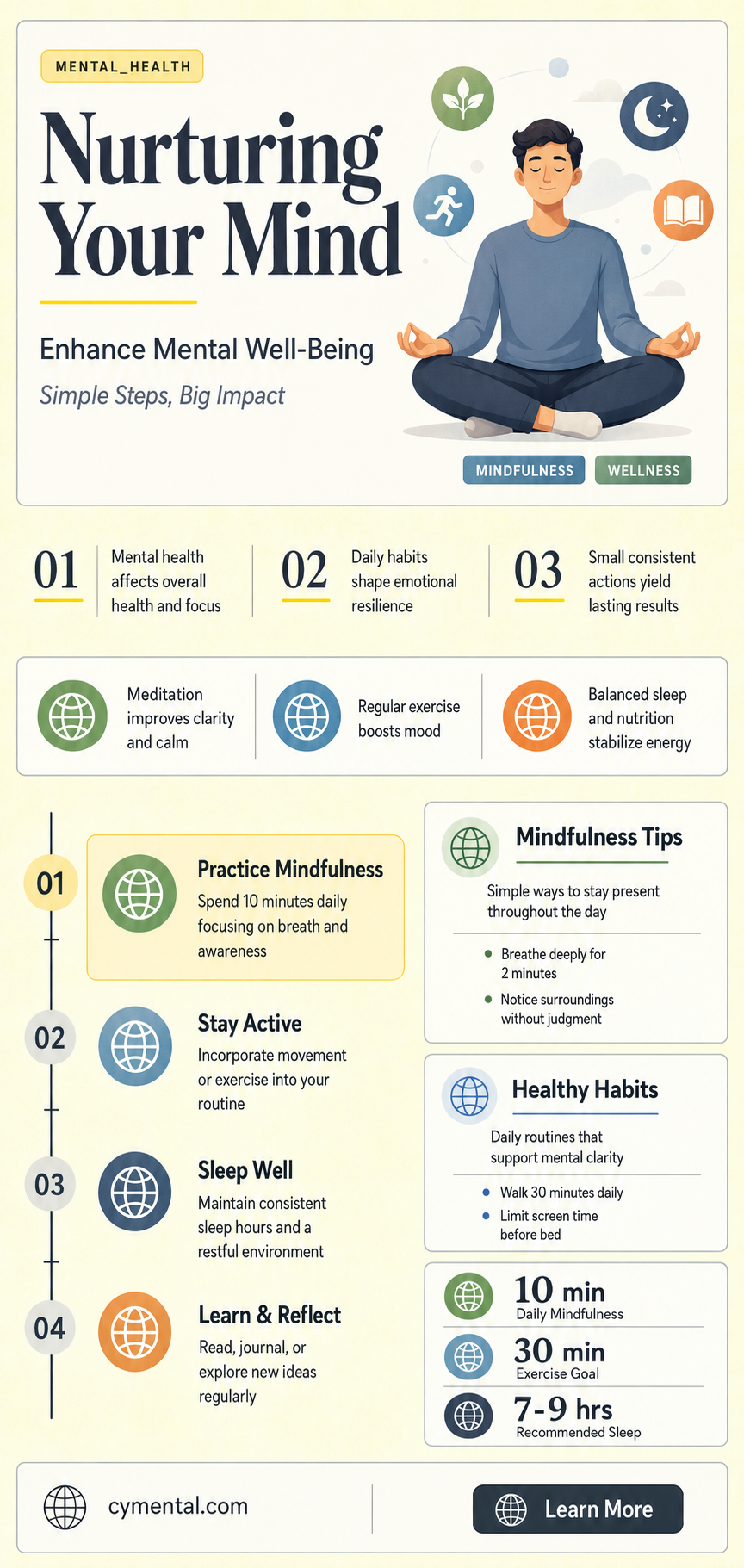
Taking care of your mental health is essential for overall well-being, and there are numerous ways to support and improve it. From incorporating daily habits like mindfulness and exercise to seeking professional help, individuals can adopt various strategies to nurture their mental health. This topic explores practical steps and resources available to enhance emotional resilience, manage stress, and foster a positive mindset, ultimately empowering individuals to lead healthier, more fulfilling lives.
Explore related products


What You'll Learn
- Practice Mindfulness: Focus on the present moment to reduce stress and improve emotional well-being
- Exercise Regularly: Physical activity boosts mood, reduces anxiety, and enhances overall mental clarity
- Maintain Social Connections: Build and nurture relationships to combat loneliness and foster emotional support
- Prioritize Sleep: Quality rest is crucial for emotional regulation and cognitive function
- Seek Professional Help: Therapy or counseling provides tools to manage and improve mental health effectively

Practice Mindfulness: Focus on the present moment to reduce stress and improve emotional well-being
The human mind is a restless wanderer, often darting between past regrets and future anxieties. This mental time travel, while natural, can be a significant source of stress and emotional turmoil. Mindfulness, the practice of anchoring your attention to the present moment, offers a powerful antidote. By cultivating awareness of your thoughts, feelings, and sensations without judgment, you can disrupt the cycle of worry and foster a sense of calm.
Research suggests that regular mindfulness practice can reduce symptoms of anxiety and depression, improve sleep quality, and enhance overall well-being.
Imagine sitting in a quiet space, focusing on the sensation of your breath as it moves in and out of your body. Notice the rise and fall of your chest, the coolness of the air entering your nostrils, the warmth as it leaves. When your mind inevitably wanders (and it will), gently guide your attention back to the breath. This simple exercise, practiced for just 10 minutes daily, can be a cornerstone of your mindfulness routine. Start small, perhaps with 5 minutes, and gradually increase the duration as you build your focus. There are numerous guided meditations available online, catering to different preferences and experience levels, which can be particularly helpful for beginners.
Remember, mindfulness is not about emptying your mind of thoughts, but rather observing them without getting entangled in their narrative.
While mindfulness is often associated with meditation, it can be integrated into everyday activities. Eating, for instance, becomes a mindful practice when you savor each bite, noticing the textures, flavors, and aromas of your food. Walking can be transformed into a mindful experience by paying attention to the sensation of your feet touching the ground, the sounds around you, and the rhythm of your breath. Even mundane tasks like washing dishes can become opportunities for mindfulness by focusing on the warmth of the water, the scent of the soap, and the tactile experience of cleaning.
It's important to note that mindfulness is not a quick fix. Like any skill, it requires consistent practice to reap its benefits. Be patient with yourself, and don't get discouraged if you find your mind wandering frequently. The key is to gently bring your attention back to the present moment, without self-criticism. Consider keeping a journal to track your progress and reflect on how mindfulness is impacting your daily life. Over time, you may notice increased resilience to stress, improved focus, and a greater sense of connection to yourself and the world around you.
Crochet for Calm: Crafting a Path to Better Mental Health
You may want to see also
Explore related products


Exercise Regularly: Physical activity boosts mood, reduces anxiety, and enhances overall mental clarity
Physical activity isn’t just about building muscle or losing weight—it’s a powerful tool for reshaping your mental landscape. Studies consistently show that regular exercise triggers the release of endorphins, often called "feel-good" hormones, which act as natural stress relievers. Even a 30-minute brisk walk can elevate your mood for hours, making it a simple yet effective antidote to daily pressures. For those struggling with anxiety, exercise acts as a physiological reset button, reducing cortisol levels and promoting a sense of calm. The mental clarity that follows a workout isn’t coincidental—it’s the brain’s reward for increased blood flow and oxygen delivery, which enhances cognitive function.
To harness these benefits, aim for at least 150 minutes of moderate-intensity exercise weekly, as recommended by the World Health Organization. This could be cycling, swimming, or even dancing—anything that gets your heart rate up. For older adults, low-impact activities like yoga or tai chi are excellent alternatives, combining physical movement with mindfulness. Consistency is key; breaking activity into shorter, daily sessions (e.g., three 10-minute walks) can be just as effective as longer workouts. Pairing exercise with social interaction, such as joining a group class or walking with a friend, amplifies its mental health benefits by combating loneliness.
Consider this: exercise isn’t a one-size-fits-all solution, but a customizable strategy. High-intensity interval training (HIIT) might work for some, while others may find solace in the rhythmic repetition of jogging or the meditative flow of Pilates. Experiment to discover what aligns with your preferences and lifestyle. For those with busy schedules, incorporating movement into daily routines—like taking the stairs, stretching during work breaks, or walking during phone calls—can make a significant difference. Even small changes, like standing instead of sitting for an extra hour daily, contribute to cumulative mental health gains.
A cautionary note: overdoing it can backfire. Pushing yourself too hard, especially without proper rest, can lead to burnout or injury, negating the positive effects. Listen to your body and prioritize recovery. Hydration, balanced nutrition, and adequate sleep are essential companions to any exercise regimen. For individuals with pre-existing mental health conditions, consulting a healthcare provider before starting a new routine ensures safety and effectiveness. Remember, the goal isn’t perfection but progress—each step forward, no matter how small, is a victory for your mental well-being.
Incorporating regular physical activity into your life isn’t just about adding a task to your to-do list; it’s about reclaiming agency over your mental health. Whether you’re a fitness novice or a seasoned athlete, the transformative power of movement is accessible to everyone. Start where you are, use what you have, and do what you can. Over time, you’ll notice not just physical changes, but a greater sense of resilience, clarity, and joy. Exercise isn’t a cure-all, but it’s a cornerstone of a holistic approach to mental wellness—one step, one rep, one breath at a time.
Gratitude's Power: Enhancing Mental Health and Emotional Well-being
You may want to see also
Explore related products





Maintain Social Connections: Build and nurture relationships to combat loneliness and foster emotional support
Human beings are inherently social creatures, and our mental health thrives on meaningful connections. Loneliness, often described as a silent epidemic, can have devastating effects on our well-being, increasing the risk of depression, anxiety, and even physical health problems. Building and nurturing relationships acts as a powerful antidote, providing a sense of belonging, support, and purpose.
Think of social connections as a safety net, catching us when we fall and lifting us up when we're down. A listening ear, a shared laugh, or simply knowing someone cares can make a world of difference in navigating life's challenges.
Cultivating these connections requires intentional effort. Start by identifying individuals who bring positivity and understanding into your life. This could be family members, friends, colleagues, or even acquaintances with shared interests. Make a conscious effort to reach out regularly, whether through phone calls, video chats, or in-person meetings. Aim for at least one meaningful interaction per week, gradually increasing frequency as relationships deepen. Remember, quality trumps quantity; a few genuine connections are more valuable than a large network of superficial ones.
Consider joining clubs, volunteering, or taking part in community events to expand your social circle. Shared activities provide natural conversation starters and opportunities to bond over common interests. Online communities can also be valuable, especially for those with limited mobility or specific interests, but strive for a balance between virtual and real-life interactions.
Nurturing relationships is an ongoing process that requires reciprocity and vulnerability. Be present and attentive when interacting with others, actively listening and showing genuine interest in their lives. Share your own thoughts and feelings, fostering a sense of trust and intimacy. Don't be afraid to ask for help when needed; true friends will appreciate your honesty and be there for you. Remember, relationships are a two-way street. Be reliable, supportive, and respectful, and be prepared to invest time and energy into maintaining these connections.
While building social connections is crucial, it's important to be mindful of potential pitfalls. Avoid comparing your social life to others; everyone's journey is unique. Don't force relationships that feel draining or one-sided. If certain interactions consistently leave you feeling worse, it's okay to set boundaries or distance yourself. Seek professional help if you struggle with social anxiety or find it difficult to connect with others. Therapists can provide valuable tools and strategies for navigating social situations and building healthier relationships.
Boost Your Mental Health: Hobbies That Heal and Inspire
You may want to see also
Explore related products



Prioritize Sleep: Quality rest is crucial for emotional regulation and cognitive function
Sleep isn't just downtime for your body; it's active maintenance for your brain. During sleep, the brain consolidates memories, clears waste products, and regulates neurotransmitters crucial for mood stability. Skipping this nightly "tune-up" leads to emotional volatility, impaired decision-making, and heightened stress reactivity. Think of it as neglecting an oil change for your car – eventually, performance suffers, and breakdowns become inevitable.
Aim for 7-9 hours of uninterrupted sleep each night, the sweet spot for most adults. Teens need closer to 8-10 hours, while older adults may require slightly less. Consistency is key: going to bed and waking up at the same time daily trains your body's internal clock, making it easier to fall asleep and wake feeling refreshed. Consider this your non-negotiable appointment with yourself, as vital as any work meeting or doctor's visit.
Pro-tip: Avoid screens (phones, laptops, TVs) at least an hour before bed. The blue light emitted suppresses melatonin production, the hormone that signals sleepiness. Opt for a book, journaling, or gentle stretching instead.
Your bedroom should be a sanctuary for sleep, not a multi-purpose entertainment center. Keep it cool (60-67°F is ideal), dark (invest in blackout curtains if needed), and quiet. A firm mattress and supportive pillows are essential for comfort. Reserve your bed for sleep and intimacy only – avoid working, eating, or scrolling in bed to strengthen the mental association between your bed and sleep.
Pro-tip: Establish a relaxing bedtime routine to signal to your body that it's time to wind down. This could include taking a warm bath, reading a book, practicing deep breathing exercises, or listening to calming music.
If you consistently struggle to fall asleep or stay asleep, despite practicing good sleep hygiene, consult a healthcare professional. Underlying conditions like sleep apnea, restless legs syndrome, or anxiety may be contributing factors. Remember, prioritizing sleep isn't selfish; it's an investment in your mental and physical well-being, allowing you to show up as the best version of yourself each day.
Mental Health Case Managers: Legal Support and Advocacy Explained
You may want to see also
Explore related products

$28.48 $49.99


Seek Professional Help: Therapy or counseling provides tools to manage and improve mental health effectively
Mental health struggles often feel isolating, but they don't have to be. Seeking professional help through therapy or counseling is a powerful step towards reclaiming your well-being. It's not a sign of weakness; it's a proactive decision to invest in yourself and your future.
Think of it like this: if you had a persistent physical ailment, you'd consult a doctor. Mental health deserves the same level of attention and care.
Therapy isn't a one-size-fits-all solution. There are various approaches, each tailored to address specific needs. Cognitive Behavioral Therapy (CBT), for instance, focuses on identifying and changing negative thought patterns, while Dialectical Behavior Therapy (DBT) emphasizes emotional regulation and mindfulness. A qualified therapist will work with you to determine the best approach, ensuring you receive the most effective treatment.
Sessions typically last 45-60 minutes and occur weekly or biweekly, depending on your needs. Consistency is key; regular attendance allows for progress and the development of coping mechanisms.
One of the most valuable aspects of therapy is the safe and non-judgmental space it provides. Here, you can openly express your thoughts and feelings without fear of criticism or rejection. This freedom to explore your inner world is crucial for understanding the root causes of your struggles and developing healthier coping strategies. Imagine having a trusted guide who helps you navigate the complexities of your mind, offering insights and tools to manage challenges and build resilience.
While therapy requires time and commitment, the benefits are profound. Studies consistently show that therapy can lead to significant improvements in mood, anxiety levels, and overall well-being. It empowers individuals to break free from negative cycles, build healthier relationships, and lead more fulfilling lives. Remember, seeking help is a sign of strength, not weakness. Taking that first step towards therapy can be the most important decision you make for your mental health.
Seeking Support: A Guide to Finding Mental Health Assistance
You may want to see also
Frequently asked questions
Incorporate regular exercise, a balanced diet, sufficient sleep, and mindfulness practices like meditation or deep breathing into your daily routine.
Building and maintaining strong relationships, spending time with loved ones, and seeking support from friends or family can significantly boost mental well-being.
Practice stress-reduction techniques like journaling, setting boundaries, prioritizing tasks, and engaging in hobbies or activities you enjoy.
If you experience persistent feelings of sadness, anxiety, or hopelessness, or if your mental health interferes with daily life, consult a mental health professional for guidance.
Treat yourself with kindness, avoid self-criticism, acknowledge your feelings without judgment, and remind yourself that struggles are a normal part of life.