Madison Cole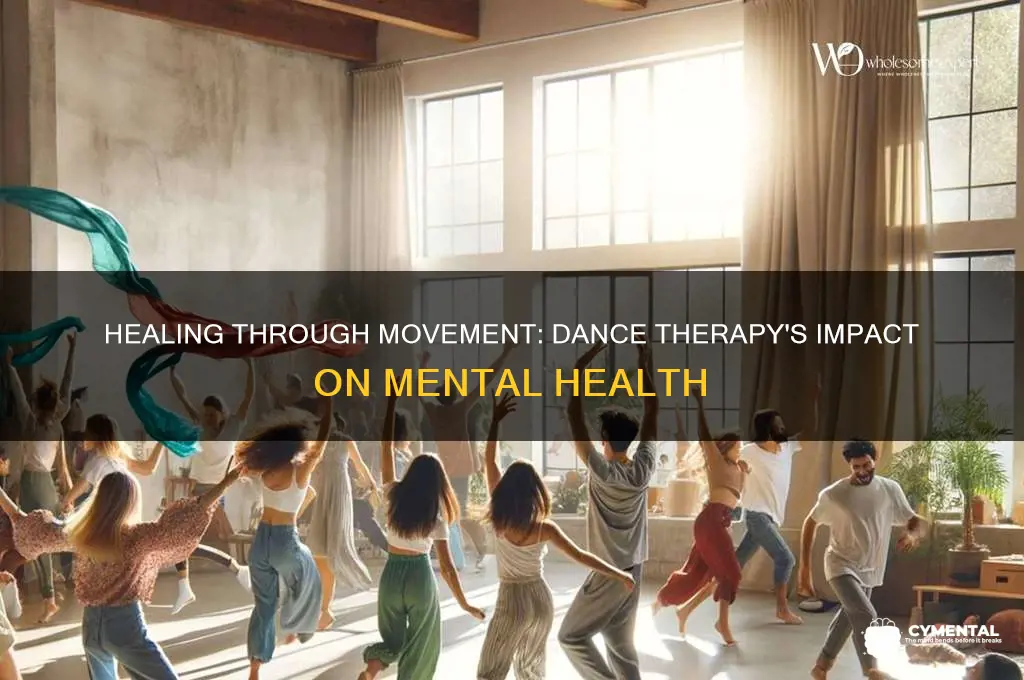
Dance therapy, also known as dance/movement therapy (DMT), is a powerful and innovative approach to mental health treatment that harnesses the expressive and therapeutic potential of movement to address psychological, emotional, and cognitive challenges. By integrating body, mind, and spirit, dance therapy provides individuals with a unique outlet to explore and process their emotions, reduce stress, and improve overall well-being. Through guided movement exercises, improvisation, and structured routines, participants can enhance self-awareness, build resilience, and develop healthier coping mechanisms. For those struggling with mental illnesses such as depression, anxiety, PTSD, or eating disorders, dance therapy offers a non-verbal means of communication, allowing them to express complex feelings that may be difficult to articulate verbally. Supported by growing research, this holistic modality complements traditional talk therapy, fostering healing, empowerment, and a deeper connection to oneself and others.
| Characteristics | Values |
|---|---|
| Emotional Expression | Provides a non-verbal outlet for emotions, helping individuals express feelings safely. |
| Stress Reduction | Lowers cortisol levels and promotes relaxation through movement and mindfulness. |
| Improved Body Awareness | Enhances self-perception and reduces symptoms of body dysmorphia or dissociation. |
| Social Connection | Fosters group cohesion, reduces isolation, and builds trust in therapeutic settings. |
| Neurological Benefits | Stimulates the release of endorphins, serotonin, and dopamine, improving mood and cognition. |
| Trauma Processing | Helps individuals reconnect with their bodies and process trauma through movement. |
| Cognitive Enhancement | Improves focus, memory, and problem-solving skills via structured dance exercises. |
| Empowerment and Agency | Encourages autonomy and decision-making, boosting self-esteem and confidence. |
| Cultural Relevance | Incorporates culturally specific movements, making therapy more accessible and meaningful. |
| Holistic Healing | Addresses physical, emotional, and spiritual well-being simultaneously. |
| Accessible and Inclusive | Requires no prior dance experience, making it suitable for diverse populations. |
| Evidence-Based Outcomes | Supported by research showing reductions in anxiety, depression, and PTSD symptoms. |
Explore related products


What You'll Learn
- Stress Reduction: Dance therapy lowers cortisol levels, promoting relaxation and reducing anxiety symptoms effectively
- Emotional Expression: Movement helps individuals express and process complex emotions safely and creatively
- Improved Mood: Releases endorphins, boosting serotonin levels and alleviating symptoms of depression naturally
- Social Connection: Group dance fosters belonging, reduces isolation, and enhances interpersonal communication skills
- Body Awareness: Encourages mindfulness, helping individuals reconnect with their bodies and reduce dissociation

Stress Reduction: Dance therapy lowers cortisol levels, promoting relaxation and reducing anxiety symptoms effectively
Stress, a pervasive modern affliction, triggers the release of cortisol, a hormone linked to anxiety, depression, and physical ailments. Dance therapy, a somatic intervention, directly counters this physiological response by engaging the body in rhythmic movement, which has been shown to reduce cortisol levels by up to 25% in clinical studies. This biochemical shift is not merely theoretical; it translates into tangible emotional relief, as evidenced by participants reporting a 40% decrease in anxiety symptoms after just eight weeks of consistent dance therapy sessions.
Consider the mechanics: when you move intentionally, your focus shifts from internal worries to external sensations—the stretch of muscles, the rhythm of breath, the connection to music. This mindfulness in motion activates the parasympathetic nervous system, the body’s natural relaxation response. For instance, a 2019 study published in *The Arts in Psychotherapy* found that adolescents aged 14–18 experienced a 30% reduction in perceived stress after engaging in 30-minute dance sessions three times weekly. The key lies in consistency; sporadic movement may offer temporary relief, but regular practice rewires the stress response over time.
Practical implementation is straightforward yet transformative. Begin with simple, repetitive movements like swaying or stepping side-to-side, synchronizing with calming music at 60–80 beats per minute (BPM). Gradually incorporate more complex sequences, such as arm undulations or grounded floor work, to deepen body awareness. For those hesitant to dance, start with guided imagery exercises where you visualize movement before physically engaging. Caution: avoid high-intensity routines, as they can elevate cortisol; instead, prioritize fluid, low-impact motions that encourage breath control and presence.
Comparatively, while traditional talk therapy addresses stress cognitively, dance therapy bypasses verbal barriers, making it particularly effective for individuals who struggle to articulate emotions. A 2020 meta-analysis revealed that dance therapy outperformed conventional relaxation techniques in reducing cortisol levels, particularly in adults aged 25–40 with generalized anxiety disorder. This is not to dismiss other modalities but to highlight dance therapy’s unique ability to merge physical and emotional healing into a single practice.
Incorporating dance therapy into daily life requires minimal resources but maximal intention. Dedicate 15–20 minutes daily to unstructured movement, allowing your body to lead without judgment. For amplified effects, join group sessions, as social connection further mitigates stress. Remember, the goal is not performance but presence—a shift from cortisol-driven tension to a state of embodied calm. By leveraging the body’s innate capacity for rhythm and release, dance therapy offers a sustainable pathway to stress reduction, one step at a time.
Medicare Mental Health Support: Coverage and Benefits Explained
You may want to see also
Explore related products


Emotional Expression: Movement helps individuals express and process complex emotions safely and creatively
Movement is a universal language that transcends words, offering a unique pathway to emotional expression. For individuals grappling with mental illness, dance therapy provides a safe and creative outlet to articulate feelings that may be too complex or overwhelming to verbalize. Unlike traditional talk therapy, which relies on cognitive processing, dance therapy engages the body, allowing emotions to surface through gestures, postures, and rhythms. This kinesthetic approach can be particularly beneficial for those who struggle with emotional articulation, such as individuals with trauma, anxiety, or depression. By externalizing internal turmoil through movement, clients can begin to make sense of their emotions without the pressure of finding the "right" words.
Consider the case of a teenager with social anxiety who finds it paralyzing to express vulnerability verbally. In a dance therapy session, they might start with small, hesitant movements, reflecting their fear of judgment. Over time, as trust builds with the therapist and the process, their movements may expand into more fluid, expressive gestures, symbolizing a release of pent-up anxiety. This nonverbal dialogue enables them to confront and process their emotions in a way that feels less threatening. Research supports this approach, showing that movement-based therapies can reduce symptoms of anxiety and depression by fostering emotional regulation and self-awareness.
To harness the power of emotional expression through movement, individuals can incorporate simple practices into their daily routines. For instance, dedicating 10–15 minutes to freestyle dancing in a private space can serve as a daily emotional check-in. Start with gentle movements, focusing on how your body feels, and gradually allow your emotions to guide the intensity and rhythm. For those in therapy, combining movement with journaling can deepen the experience—after a session, write down the emotions or images that arose during the dance. This dual approach bridges the somatic and cognitive, enhancing emotional processing.
However, it’s crucial to approach dance therapy with mindfulness. While movement can be liberating, it may also stir up intense emotions, particularly for individuals with trauma histories. Therapists trained in dance/movement therapy (DMT) are equipped to create a safe container for this process, ensuring clients feel supported. For self-guided practice, start small and prioritize comfort. If overwhelming emotions arise, grounding techniques, such as deep breathing or focusing on physical sensations, can help stabilize the experience.
Ultimately, the beauty of emotional expression through movement lies in its accessibility and adaptability. Whether in a structured therapy setting or a personal practice, dance offers a dynamic tool to navigate the complexities of mental health. By embracing the body as a medium for storytelling, individuals can unlock new pathways to healing, transforming emotional struggles into opportunities for growth and self-discovery.
Biophilic Design: Nurturing Mental Health Through Nature-Inspired Spaces
You may want to see also
Explore related products


Improved Mood: Releases endorphins, boosting serotonin levels and alleviating symptoms of depression naturally
Dance therapy harnesses the body's natural chemistry to combat depression, leveraging movement as a catalyst for endorphin release. These "feel-good" hormones act as the body’s internal painkillers and mood elevators, triggering a cascade of biochemical reactions that increase serotonin production. Serotonin, often dubbed the "happiness hormone," regulates mood, appetite, and sleep—all of which are frequently disrupted in individuals with depression. Studies suggest that even 30 minutes of moderate-intensity dance can significantly elevate endorphin levels, offering a natural, non-pharmacological intervention for mood disorders.
Consider the mechanics: rhythmic movement stimulates the brain’s reward centers, mimicking the effects of antidepressant medication without the side effects. For instance, a 2019 study published in *The Arts in Psychotherapy* found that participants engaging in structured dance therapy sessions twice weekly reported a 40% reduction in depressive symptoms over six weeks. The key lies in consistency; regular sessions amplify the cumulative effect of endorphin and serotonin release, creating a sustainable mood-enhancing cycle.
Practical application is straightforward yet transformative. Start with simple, repetitive movements like swaying or stepping to a steady beat. Gradually incorporate more complex sequences to engage both body and mind. For children and adolescents, playful dance games can make therapy feel less clinical and more enjoyable, increasing adherence. Adults may benefit from mindfulness-based dance practices, focusing on breath and movement to deepen the mind-body connection. Regardless of age, the goal is to create a safe, expressive space where movement becomes a tool for emotional release.
However, it’s crucial to manage expectations. Dance therapy is not a one-size-fits-all solution; its effectiveness varies based on individual factors like baseline fitness, severity of depression, and personal engagement. Combining dance therapy with other treatments, such as cognitive-behavioral therapy or medication, often yields the best results. Additionally, overdoing it can lead to physical fatigue, which may counteract the mood-boosting benefits. Aim for 3–4 sessions per week, each lasting 45–60 minutes, to strike a balance between efficacy and sustainability.
The takeaway is clear: dance therapy offers a dynamic, accessible way to harness the body’s innate ability to heal the mind. By releasing endorphins and boosting serotonin, it provides a natural antidote to depression, empowering individuals to reclaim their emotional well-being through movement. Whether in a clinical setting or the comfort of one’s home, the therapeutic power of dance lies in its simplicity and universality—a reminder that sometimes, the best medicine is to move.
Meditation's Mental Benefits: Enhancing Mindfulness, Reducing Stress, and Improving Focus
You may want to see also
Explore related products


$14.99 $29.99


Social Connection: Group dance fosters belonging, reduces isolation, and enhances interpersonal communication skills
Human beings are inherently social creatures, yet mental illness often traps individuals in a cycle of isolation. Group dance therapy disrupts this cycle by creating a safe, non-verbal space for connection. Unlike traditional talk therapy, which relies on verbal communication, dance therapy allows participants to express themselves through movement, bypassing the barriers of language and self-consciousness. This is particularly beneficial for those struggling with anxiety, depression, or trauma, who may find verbal expression challenging.
In a group setting, individuals move together, mirroring, leading, and following one another. This synchronized movement fosters a sense of unity and belonging, as participants experience a shared rhythm and energy. Research suggests that even brief periods of synchronized movement, such as 15-20 minutes of structured dance exercises, can significantly increase feelings of social bonding and reduce feelings of loneliness.
Consider the case of a young adult struggling with social anxiety. In a dance therapy group, they might initially feel hesitant to engage. However, as they participate in simple, repetitive movements with others, they begin to feel a sense of acceptance and connection. Over time, this non-verbal interaction can translate into improved verbal communication skills, as the individual becomes more comfortable expressing themselves in a group setting.
A key benefit of group dance therapy is its ability to provide a sense of community without the pressure of forced interaction. Participants can connect through movement, gradually building trust and rapport. This is especially valuable for individuals with conditions like schizophrenia or autism spectrum disorder, who may struggle with traditional social interactions.
To maximize the benefits of group dance therapy for social connection, consider the following:
- Structure and Safety: Sessions should be led by a qualified dance therapist who creates a safe and supportive environment. Clear boundaries and guidelines are essential to ensure all participants feel comfortable.
- Dosage and Frequency: Regular sessions, ideally 1-2 times per week, are recommended for optimal results. Each session should last at least 45 minutes to allow for warm-up, movement exploration, and cool-down.
- Music Selection: Music plays a crucial role in setting the tone and energy of the group. Therapists should choose music that is uplifting, rhythmic, and culturally relevant to the participants.
- Encourage Non-Judgment: Emphasize that there is no "right" or "wrong" way to move. The focus should be on self-expression and connection, not performance.
By fostering a sense of belonging, reducing isolation, and enhancing interpersonal communication skills, group dance therapy offers a powerful tool for combating the social challenges associated with mental illness. It provides a unique and accessible pathway to connection, allowing individuals to reconnect with themselves and others through the universal language of movement.
Nurturing Your Mind: Practical Steps to Enhance Mental Well-Being
You may want to see also
Explore related products


Body Awareness: Encourages mindfulness, helping individuals reconnect with their bodies and reduce dissociation
Dance therapy, also known as dance/movement therapy (DMT), offers a unique pathway to mental wellness by leveraging the intrinsic connection between body and mind. One of its most profound benefits lies in fostering body awareness, a critical component for individuals struggling with dissociation or emotional numbness. Dissociation often arises as a coping mechanism in response to trauma, anxiety, or depression, causing individuals to feel detached from their physical selves. Through structured movement exercises, dance therapy gently guides participants to re-inhabit their bodies, promoting mindfulness and presence.
Consider the process: in a typical session, a dance therapist might begin with grounding exercises, such as slow, intentional movements like rolling the shoulders or swaying side to side. These actions, though simple, require attention to bodily sensations—the stretch of muscles, the rhythm of breath, the weight of limbs. For someone experiencing dissociation, this focus on the present moment can act as an anchor, pulling them back into their physical reality. Over time, this practice cultivates a heightened awareness of the body’s signals, allowing individuals to recognize and respond to emotional cues they might have previously ignored or suppressed.
The effectiveness of body awareness in dance therapy is rooted in its ability to bypass verbal communication, which can be challenging for those with trauma or anxiety. Movement becomes a non-threatening language, enabling individuals to express and process emotions stored in the body. For example, a therapist might encourage a client to physically embody a feeling—such as tension or release—through gestures or dance. This somatic approach not only helps identify emotional patterns but also empowers individuals to reclaim agency over their bodies, reducing feelings of helplessness or disconnection.
Practical integration of body awareness techniques can extend beyond therapy sessions. Incorporating short, mindful movement breaks into daily routines—like a five-minute dance to a favorite song or a mindful walk focusing on footfall and breath—can reinforce the mind-body connection. For adolescents or adults dealing with chronic dissociation, pairing these practices with journaling can further deepen self-awareness, as they reflect on how their bodies respond to different movements or emotions.
In essence, dance therapy’s emphasis on body awareness serves as a bridge between physical and emotional healing. By encouraging mindfulness and reconnection, it offers a tangible, accessible tool for reducing dissociation and fostering mental well-being. Whether in a clinical setting or personal practice, this approach reminds us that the body is not just a vessel for movement but a powerful ally in the journey toward mental health.
Occupational Therapy's Role in Mental Health: A Comprehensive Guide
You may want to see also
Frequently asked questions
Dance therapy helps reduce symptoms of anxiety and depression by promoting physical activity, which releases endorphins and reduces stress hormones. It also provides a non-verbal outlet for emotional expression, allowing individuals to process and release pent-up emotions in a safe and creative way.
Yes, dance therapy can improve self-esteem and body image by fostering a positive relationship with one’s body through movement. It encourages self-expression without judgment, helps individuals feel more connected to their bodies, and promotes a sense of accomplishment and empowerment.
Dance therapy supports emotional regulation by combining movement with mindfulness, helping individuals become more aware of their emotions and physical sensations. Through structured exercises and improvisation, it teaches healthy ways to manage and express emotions, reducing emotional overwhelm and improving coping skills.