Madison Cole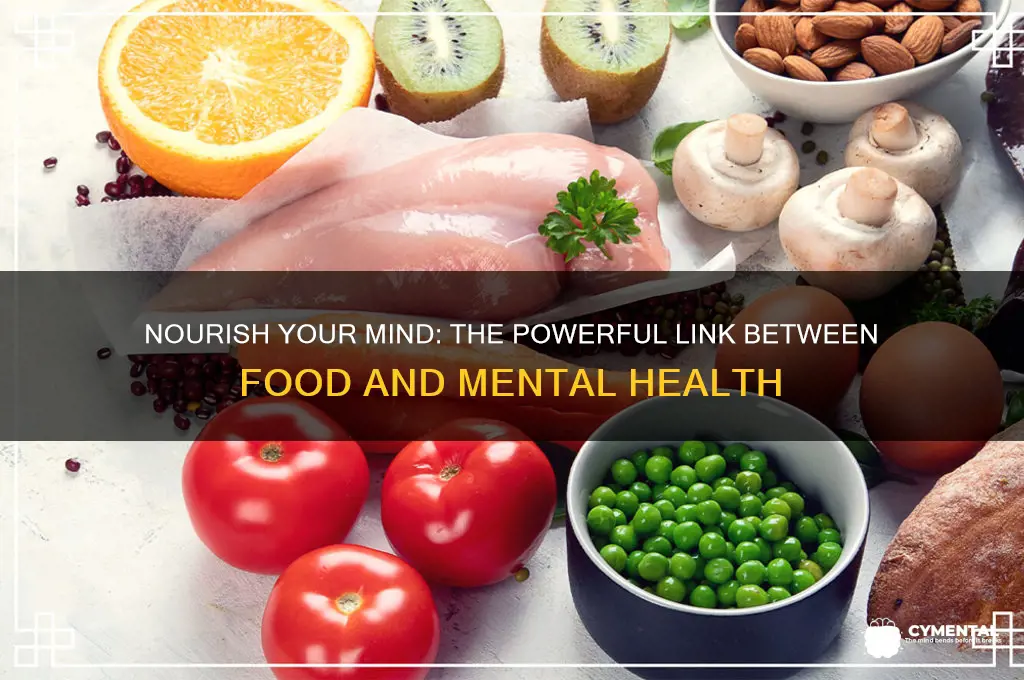
Food plays a crucial role in supporting mental health by influencing brain function, mood, and overall well-being. Nutrient-rich diets, particularly those high in omega-3 fatty acids, antioxidants, vitamins, and minerals, can reduce inflammation, support neurotransmitter production, and promote a healthy gut microbiome, which is closely linked to mental health. For instance, foods like fatty fish, nuts, seeds, fruits, vegetables, and whole grains have been shown to alleviate symptoms of depression, anxiety, and stress. Conversely, diets high in processed foods, sugar, and unhealthy fats can exacerbate mental health issues by increasing inflammation and disrupting brain chemistry. By prioritizing a balanced diet, individuals can harness the power of food to enhance cognitive function, stabilize mood, and foster resilience against mental health challenges.
Explore related products



What You'll Learn
- Nutrients and Mood: Essential vitamins and minerals directly impact brain function and emotional well-being
- Gut-Brain Connection: A healthy gut microbiome influences mental health through neurotransmitter production
- Anti-Inflammatory Foods: Reducing inflammation with certain foods can alleviate symptoms of depression and anxiety
- Stable Blood Sugar: Balanced meals prevent mood swings by maintaining consistent energy levels
- Hydration and Focus: Proper hydration enhances cognitive function and reduces mental fatigue

Nutrients and Mood: Essential vitamins and minerals directly impact brain function and emotional well-being
The brain, a voracious energy consumer, demands a constant supply of nutrients to function optimally. Essential vitamins and minerals act as its fuel and building blocks, directly influencing neurotransmitter production, neural communication, and overall brain health. Deficiencies in these micronutrients can disrupt these processes, leading to mood disorders like depression and anxiety.
Imagine your brain as a complex machine. Omega-3 fatty acids, found abundantly in fatty fish like salmon and flaxseeds, act as the machine's lubricant, ensuring smooth communication between neurons. Studies suggest a diet rich in omega-3s can alleviate symptoms of depression and improve cognitive function. Similarly, B vitamins, particularly folate and B12, are crucial for synthesizing neurotransmitters like serotonin, often referred to as the "feel-good" hormone. A deficiency in these vitamins can lead to fatigue, irritability, and even depression.
Consider the role of magnesium, a mineral often overlooked but vital for mood regulation. It acts as a natural calmative, helping to reduce stress and anxiety. Incorporating magnesium-rich foods like leafy greens, nuts, and whole grains into your diet can promote relaxation and improve sleep quality, both essential for emotional well-being. Conversely, excessive intake of processed foods, high in sugar and unhealthy fats, can lead to inflammation, disrupting brain function and contributing to mood swings and cognitive decline.
Think of your diet as a powerful tool for mood management. Aim for a colorful plate, incorporating a variety of fruits, vegetables, whole grains, lean proteins, and healthy fats. Consider consulting a healthcare professional or registered dietitian for personalized guidance on optimal nutrient intake based on your individual needs and health status. Remember, nourishing your body with the right nutrients is an investment in your mental well-being, allowing you to thrive emotionally and cognitively.
Civil War Soldiers: Mental Health Support and Its Historical Context
You may want to see also
Explore related products


Gut-Brain Connection: A healthy gut microbiome influences mental health through neurotransmitter production
The gut microbiome, a bustling ecosystem of trillions of microorganisms residing in our intestines, plays a pivotal role in mental health by producing neurotransmitters—chemicals that transmit signals between neurons. For instance, 90% of serotonin, often called the "feel-good" neurotransmitter, is synthesized in the gut. This direct link between gut health and brain function underscores why dietary choices can significantly impact mood, anxiety, and cognitive clarity.
Consider this: a diet rich in fermented foods like kimchi, yogurt, and kefir introduces beneficial probiotics that foster a diverse gut microbiome. These probiotics enhance the production of gamma-aminobutyric acid (GABA), a neurotransmitter that regulates anxiety. Studies show that individuals consuming probiotic-rich foods report reduced symptoms of stress and improved emotional well-being. Conversely, a diet high in processed foods and sugar can disrupt this balance, leading to inflammation and decreased neurotransmitter production.
To harness the gut-brain connection, focus on prebiotic and probiotic foods. Prebiotics, found in garlic, onions, and bananas, act as food for gut bacteria, promoting their growth. Aim for 5 grams of prebiotic fiber daily, equivalent to one medium banana or half a cup of cooked onions. Pair this with probiotic sources like sauerkraut or miso to maintain a thriving gut microbiome. For those with dietary restrictions, supplements like *Lactobacillus* and *Bifidobacterium* strains can be effective, but consult a healthcare provider for personalized dosage, typically ranging from 1 to 10 billion CFUs daily.
A cautionary note: while dietary changes can profoundly impact mental health, they are not a standalone treatment for severe conditions like depression or anxiety. Think of food as a complementary tool, not a replacement for professional care. Additionally, sudden dietary shifts can cause temporary discomfort, such as bloating or gas, as the gut adjusts. Start small—incorporate one new gut-friendly food weekly—and monitor how your body and mind respond.
In conclusion, nurturing your gut microbiome through mindful eating is a practical, evidence-based strategy to support mental health. By prioritizing foods that enhance neurotransmitter production, you can cultivate a resilient mind-gut axis, fostering emotional balance and cognitive vitality. Remember, the journey to better mental health begins in the gut—one bite at a time.
Finding Support: Mental Health Resources and Strategies for Recovery
You may want to see also
Explore related products





Anti-Inflammatory Foods: Reducing inflammation with certain foods can alleviate symptoms of depression and anxiety
Chronic inflammation, often silent and systemic, has emerged as a key player in the development of mental health disorders like depression and anxiety. Research increasingly links elevated inflammatory markers in the body to heightened symptoms of these conditions. This connection opens a compelling avenue for intervention: if inflammation fuels mental distress, could anti-inflammatory foods offer relief?
The answer, backed by growing evidence, is a cautious yes.
Consider the Mediterranean diet, rich in olive oil, fatty fish, nuts, seeds, and colorful vegetables. Studies consistently show this dietary pattern, abundant in omega-3 fatty acids, antioxidants, and polyphenols, correlates with lower rates of depression and anxiety. Omega-3s, found in salmon, sardines, flaxseeds, and walnuts, are particularly potent anti-inflammatory agents. Aim for at least two servings of fatty fish per week, or consider a high-quality fish oil supplement (consult your doctor for dosage).
Turmeric, a vibrant spice long used in Ayurvedic medicine, contains curcumin, a powerful anti-inflammatory compound. While more research is needed to determine optimal dosage, incorporating turmeric into your cooking or opting for supplements with black pepper (which enhances curcumin absorption) may be beneficial.
Beyond specific foods, a broader dietary shift towards whole, unprocessed options is crucial. Refined carbohydrates, sugary drinks, and processed meats promote inflammation. Prioritize fruits, vegetables, whole grains, legumes, and lean proteins. Think of your plate as a canvas for vibrant colors and diverse textures, each contributing to a symphony of anti-inflammatory compounds.
It's important to remember that food is not a magic bullet for mental health. While dietary changes can be a powerful tool, they should complement, not replace, professional treatment. Consult with a healthcare professional or registered dietitian to tailor an anti-inflammatory diet plan that suits your individual needs and addresses any underlying health conditions.
Finding Mental Health Support in Bridgeville, DE: You’re Not Alone
You may want to see also
Explore related products


Stable Blood Sugar: Balanced meals prevent mood swings by maintaining consistent energy levels
Blood sugar fluctuations are a rollercoaster no one signed up for, yet many ride it daily through erratic eating habits. When blood sugar spikes and crashes, so does your mood, energy, and mental clarity. A balanced meal—one that combines complex carbohydrates, lean proteins, healthy fats, and fiber—acts as a stabilizer, releasing glucose slowly into the bloodstream. This steady supply of energy keeps irritability, anxiety, and brain fog at bay, creating a foundation for emotional resilience.
Consider this: a breakfast of whole-grain toast with avocado and eggs versus a sugary pastry. The former provides sustained energy for hours, while the latter triggers a rapid spike followed by a slump. For adults, pairing 30–45 grams of complex carbs (like oats or quinoa) with 15–20 grams of protein (like Greek yogurt or tofu) at each meal can help maintain stable blood sugar. For children, smaller portions with similar ratios—such as a whole-grain wrap with turkey and veggies—can prevent afternoon meltdowns.
The science is clear: insulin, the hormone that regulates blood sugar, also influences neurotransmitters like serotonin, which govern mood. When insulin levels are erratic, so is serotonin production. A study in *The American Journal of Clinical Nutrition* found that diets high in refined sugars and low in fiber were linked to a 23% higher risk of depression. Conversely, balanced meals rich in magnesium (found in nuts and seeds) and chromium (in broccoli and whole grains) enhance insulin sensitivity, further stabilizing mood.
Practicality is key. Start by swapping refined carbs for whole ones, adding a protein source to every meal, and incorporating healthy fats like olive oil or chia seeds. For instance, replace a white rice bowl with brown rice, grilled chicken, and a side of steamed vegetables. Snack on apple slices with almond butter instead of crackers. These small changes compound over time, reducing mood swings and improving focus.
In a world where stress and poor dietary choices often go hand in hand, prioritizing stable blood sugar isn’t just about physical health—it’s a mental health strategy. By eating balanced meals, you’re not just fueling your body; you’re safeguarding your mind against the unpredictability of emotional highs and lows. It’s a simple yet powerful way to take control of your mental well-being, one meal at a time.
Yoga and Meditation: Powerful Tools for Mental Health and Wellness
You may want to see also
Explore related products


Hydration and Focus: Proper hydration enhances cognitive function and reduces mental fatigue
Water is the unsung hero of cognitive performance. Even mild dehydration, as little as 2% of body weight, can impair attention, memory, and mood. Studies show that dehydrated individuals experience increased feelings of anxiety, fatigue, and difficulty focusing on cognitive tasks. This is because the brain is highly sensitive to changes in hydration status, relying on water for proper neurotransmitter function, nutrient delivery, and waste removal.
Imagine your brain as a high-performance engine. Just as a car needs oil to run smoothly, your brain needs water to function optimally.
The link between hydration and focus is particularly crucial for students, professionals, and anyone engaged in mentally demanding tasks. A study published in the *Journal of Nutrition* found that children who were well-hydrated performed better on cognitive tests, demonstrating improved visual attention and memory. Similarly, a study in *Appetite* revealed that dehydrated young adults experienced decreased alertness and short-term memory, along with increased feelings of confusion and fatigue. These findings highlight the immediate and tangible impact of hydration on cognitive abilities.
So, how much water is enough? The oft-cited "8 glasses a day" rule is a good starting point, but individual needs vary based on factors like age, activity level, climate, and health status. A more personalized approach is to aim for pale yellow urine, a sign of adequate hydration. For those who struggle to drink enough water, incorporating hydrating foods like watermelon, cucumbers, and oranges can help. Additionally, carrying a reusable water bottle serves as a visual reminder to sip throughout the day.
It’s also important to note that hydration isn’t just about water intake; it’s about maintaining electrolyte balance. Electrolytes like sodium, potassium, and magnesium play a critical role in nerve function and fluid balance. During intense physical activity or in hot climates, consider replenishing electrolytes with sports drinks or coconut water. However, be mindful of added sugars in these beverages, opting for low-sugar options when possible.
Incorporating proper hydration into your daily routine doesn’t require drastic changes. Start by setting reminders to drink water at regular intervals, especially during work or study sessions. Keep a water bottle at your desk or carry one with you as a visual cue. For those who find plain water unappealing, infuse it with slices of lemon, cucumber, or herbs for added flavor without calories. Small, consistent habits can lead to significant improvements in focus, mental clarity, and overall cognitive function. After all, staying hydrated isn’t just about quenching thirst—it’s about fueling your brain for peak performance.
Accessing Mental Health Support: A Guide for Syrians in Crisis
You may want to see also
Frequently asked questions
Food directly affects mental health by influencing brain chemistry. Nutrient-rich foods like fruits, vegetables, whole grains, and lean proteins provide essential vitamins, minerals, and antioxidants that support brain function and reduce inflammation, which is linked to depression and anxiety.
Yes, foods high in omega-3 fatty acids (e.g., salmon, walnuts), magnesium (e.g., spinach, almonds), and probiotics (e.g., yogurt, kefir) have been shown to reduce symptoms of anxiety and depression by promoting neurotransmitter balance and gut health.
A diet high in processed foods, sugar, and unhealthy fats can increase inflammation, disrupt gut bacteria, and impair brain function, leading to higher risks of depression, anxiety, and cognitive decline.
The gut-brain axis connects gut health to mental health. A healthy gut microbiome, supported by fiber-rich foods and probiotics, improves mood regulation and reduces stress by producing neurotransmitters like serotonin, which is largely made in the gut.