Harper Lewis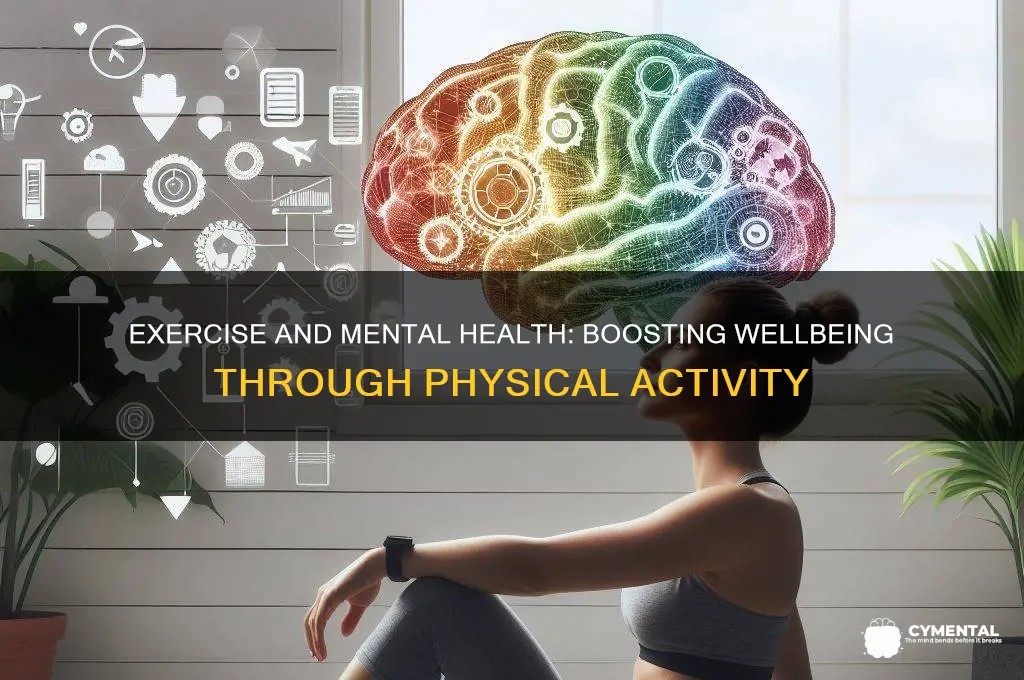
Exercise plays a pivotal role in enhancing mental wellbeing by triggering the release of endorphins, often referred to as feel-good hormones, which reduce stress and improve mood. Physical activity also promotes better sleep, boosts self-esteem, and provides a sense of accomplishment, all of which contribute to a more positive mental state. Additionally, exercise serves as a healthy coping mechanism for anxiety and depression, as it reduces levels of stress hormones like cortisol while increasing brain-derived neurotrophic factor (BDNF), which supports brain health. Engaging in regular exercise fosters social connections, whether through group activities or shared goals, further combating feelings of isolation. Overall, incorporating exercise into daily routines can be a powerful tool for maintaining and improving mental wellbeing.
| Characteristics | Values |
|---|---|
| Reduces Stress | Exercise lowers cortisol levels, the body’s stress hormone, promoting relaxation. |
| Improves Mood | Physical activity stimulates the release of endorphins, neurotransmitters that create feelings of happiness and reduce pain. |
| Alleviates Anxiety | Regular exercise has been shown to reduce symptoms of anxiety by promoting neural growth and reducing stress hormones. |
| Combats Depression | Exercise acts as a natural antidepressant by increasing serotonin, norepinephrine, and dopamine levels in the brain. |
| Enhances Cognitive Function | Physical activity boosts brain health by increasing blood flow, promoting neuroplasticity, and reducing the risk of cognitive decline. |
| Improves Sleep Quality | Regular exercise helps regulate sleep patterns, making it easier to fall asleep and improving overall sleep duration and quality. |
| Boosts Self-Esteem | Achieving fitness goals and seeing physical improvements can enhance self-confidence and self-worth. |
| Reduces Symptoms of ADHD | Exercise increases dopamine, norepinephrine, and serotonin levels, which helps improve concentration, memory, and mood in individuals with ADHD. |
| Mitigates PTSD Symptoms | Physical activity can reduce hyperarousal and re-experiencing symptoms in individuals with PTSD by regulating stress responses. |
| Promotes Social Interaction | Group exercises or team sports foster social connections, reducing feelings of loneliness and isolation. |
| Increases Resilience | Regular exercise builds mental toughness, helping individuals better cope with challenges and adversity. |
| Regulates Emotional Responses | Exercise helps balance emotional responses by improving the brain’s ability to process and manage emotions. |
| Supports Brain Health | Physical activity promotes the growth of new brain cells and protects against age-related cognitive decline. |
| Reduces Risk of Mental Health Disorders | Regular exercise is associated with a lower risk of developing conditions like depression, anxiety, and dementia. |
| Enhances Mindfulness | Activities like yoga and tai chi combine physical movement with mindfulness, reducing stress and improving mental clarity. |
Explore related products


$10.88 $15.99


$17.64 $25.99


What You'll Learn
- Stress Reduction: Physical activity lowers cortisol, reduces tension, and promotes relaxation, improving overall stress management
- Mood Enhancement: Exercise boosts endorphins, serotonin, and dopamine, elevating mood and reducing symptoms of depression
- Cognitive Function: Regular workouts enhance memory, focus, and decision-making by stimulating brain health
- Anxiety Relief: Aerobic exercise reduces anxiety symptoms by regulating neurotransmitters and calming the mind
- Self-Esteem Boost: Achieving fitness goals fosters confidence, self-worth, and a positive body image

Stress Reduction: Physical activity lowers cortisol, reduces tension, and promotes relaxation, improving overall stress management
Stress is an inevitable part of life, but its management is where we can take control. One of the most effective tools at our disposal is physical activity, which acts as a powerful antidote to the body's stress response. When we engage in exercise, our bodies undergo a series of physiological changes that directly counter the effects of stress. Cortisol, often referred to as the stress hormone, is one of the key players in this process. Regular physical activity has been shown to lower cortisol levels, reducing the body's state of tension and promoting a sense of calm. For instance, a study published in the *Journal of Endocrinology* found that moderate-intensity exercise, such as a 30-minute brisk walk or a cycling session, can significantly decrease cortisol concentrations in the bloodstream, particularly in adults aged 25 to 50.
To harness these benefits, it’s essential to understand the dosage and type of exercise that yields the best results. Research suggests that consistency is more important than intensity. Engaging in at least 150 minutes of moderate aerobic activity or 75 minutes of vigorous activity per week can effectively manage stress levels. For those who prefer shorter sessions, even 10 minutes of high-intensity interval training (HIIT) can trigger immediate reductions in cortisol and tension. Yoga and tai chi, which combine physical movement with mindfulness, are particularly effective for promoting relaxation. These practices not only lower cortisol but also enhance parasympathetic activity, the body’s "rest and digest" response, which counteracts the fight-or-flight mode triggered by stress.
However, it’s crucial to approach exercise as a tool for stress reduction with awareness and caution. Over-exercising, especially in high-intensity forms, can paradoxically increase cortisol levels and exacerbate stress. This is particularly relevant for individuals already under significant mental or physical strain. For example, athletes or fitness enthusiasts who push themselves too hard without adequate recovery may experience a phenomenon known as "overtraining syndrome," characterized by elevated cortisol, fatigue, and decreased performance. To avoid this, incorporate rest days into your routine and listen to your body’s signals. If you feel unusually fatigued or irritable, it may be a sign to scale back.
Practical tips can make integrating stress-reducing exercise into daily life more manageable. Start by scheduling physical activity at times when stress levels are typically high, such as during a lunch break or after work. For desk workers, simple stretches or a short walk can break the cycle of tension that accumulates throughout the day. Incorporating mindfulness techniques, such as deep breathing during exercise, can amplify relaxation benefits. Additionally, social activities like group fitness classes or team sports can provide dual benefits by combining physical activity with social support, which is another potent stress reliever.
In conclusion, physical activity is a scientifically backed strategy for stress reduction, working through mechanisms like cortisol regulation and tension relief. By understanding the right dosage, choosing suitable activities, and avoiding overexertion, individuals can effectively use exercise to enhance their mental wellbeing. Whether through a brisk walk, a yoga session, or a team sport, the key is consistency and mindfulness. With these practices, exercise becomes more than just a physical routine—it transforms into a powerful ally in the quest for a calmer, more balanced mind.
Do Mental Health Services Truly Deliver Effective Support and Recovery?
You may want to see also
Explore related products

$10.6 $19.99


$13.29 $16.99

$20.49 $36.99


Mood Enhancement: Exercise boosts endorphins, serotonin, and dopamine, elevating mood and reducing symptoms of depression
Exercise acts as a natural antidepressant, harnessing the body’s chemistry to combat low mood and emotional lethargy. When you engage in physical activity, your brain releases endorphins, often dubbed “feel-good” hormones, which act as natural painkillers and mood elevators. Simultaneously, exercise increases serotonin, a neurotransmitter linked to happiness and well-being, and dopamine, which plays a key role in motivation and reward. This biochemical trio works in concert to create a sense of euphoria often referred to as the “runner’s high,” even if you’re just brisk walking or cycling. For instance, a 30-minute session of moderate-intensity exercise, such as jogging or swimming, can trigger these neurochemical changes, offering immediate mood enhancement.
Consider this: a study published in the *Journal of Psychiatric Research* found that regular exercise can reduce symptoms of depression as effectively as medication or therapy in some cases. The key lies in consistency. Aim for at least 150 minutes of moderate aerobic activity or 75 minutes of vigorous activity weekly, as recommended by the World Health Organization. For older adults or those new to exercise, starting with shorter, 10-minute sessions and gradually increasing duration can yield similar benefits. Even low-impact activities like yoga or tai chi stimulate these neurotransmitters, proving that you don’t need to run marathons to reap the rewards.
However, it’s not just about the intensity or duration—the type of exercise matters too. Activities that incorporate social interaction, like team sports or group fitness classes, amplify mood-boosting effects by combining physical activity with social connection. For teens and young adults, who often face heightened stress and anxiety, incorporating exercise into daily routines—such as walking to school or taking short movement breaks during study sessions—can stabilize mood swings and improve focus. Practical tip: pair exercise with activities you enjoy, like dancing or hiking, to increase adherence and maximize dopamine release.
A cautionary note: over-exercising can backfire, leading to fatigue, irritability, and decreased serotonin levels. Listen to your body and avoid pushing beyond your limits, especially if you’re recovering from mental or physical exhaustion. For individuals with severe depression or anxiety, consult a healthcare provider before starting a new exercise regimen to ensure it complements existing treatments. The takeaway? Exercise is a powerful, accessible tool for mood enhancement, but it’s most effective when tailored to your needs, preferences, and lifestyle. Start small, stay consistent, and let your brain’s natural chemistry do the rest.
Keto Diet and Mental Health: Unlocking Brain Benefits or Myth?
You may want to see also
Explore related products


Cognitive Function: Regular workouts enhance memory, focus, and decision-making by stimulating brain health
The brain, like any muscle, thrives on challenge and stimulation. Regular physical activity acts as a powerful catalyst for cognitive enhancement, sharpening memory, intensifying focus, and refining decision-making abilities. This isn't merely anecdotal; numerous studies demonstrate the profound impact of exercise on brain health.
Research reveals that aerobic exercise, in particular, boosts the size of the hippocampus, the brain region responsible for memory and learning. Even moderate exercise, such as brisk walking for 30 minutes a day, five times a week, can lead to noticeable improvements in memory recall and information retention.
Imagine a scenario where a student struggles with exam preparation. Incorporating regular exercise into their routine could be a game-changer. A study published in the journal *NeuroImage* found that just 20 minutes of moderate-intensity exercise before a learning task significantly improved memory performance. This simple strategy could translate to better grades and reduced study-related stress.
Similarly, professionals facing demanding workloads can benefit from exercise-induced cognitive boosts. A Harvard Business Review article highlights how regular exercise enhances focus and decision-making, leading to increased productivity and improved problem-solving skills in the workplace.
The mechanism behind these benefits lies in the increased blood flow and oxygen delivery to the brain during exercise. This stimulates the release of neurotransmitters like dopamine and serotonin, which are crucial for cognitive function and mood regulation. Additionally, exercise promotes the growth of new brain cells and strengthens neural connections, further enhancing cognitive abilities.
For optimal results, aim for at least 150 minutes of moderate-intensity aerobic exercise or 75 minutes of vigorous-intensity aerobic exercise per week, as recommended by the World Health Organization. Incorporate strength training exercises twice a week to further boost brain health. Remember, consistency is key; regular exercise, even in shorter durations, yields more significant cognitive benefits than sporadic intense workouts.
Mental Mapping: Boosting Learning, Memory, and Academic Success in School
You may want to see also
Explore related products


Anxiety Relief: Aerobic exercise reduces anxiety symptoms by regulating neurotransmitters and calming the mind
Aerobic exercise, such as running, swimming, or cycling, acts as a powerful antidote to anxiety by directly influencing the brain’s chemistry. During physical activity, the body releases neurotransmitters like serotonin, dopamine, and norepinephrine, which play a critical role in mood regulation. Serotonin, often dubbed the “feel-good” neurotransmitter, helps stabilize emotions and reduce anxiety. Dopamine boosts motivation and pleasure, while norepinephrine aids in stress response. Together, these chemicals create a biochemical environment that counteracts anxiety’s grip on the mind. For instance, a 30-minute jog at a moderate pace can trigger a noticeable shift in mood, offering immediate relief from anxious thoughts.
To harness these benefits, consistency is key. Research suggests that engaging in aerobic exercise for at least 150 minutes per week, spread across 3–5 sessions, can significantly reduce anxiety symptoms. For beginners, starting with shorter durations—like 10–15 minutes daily—and gradually increasing intensity is advisable. Incorporating activities like brisk walking, dancing, or even high-intensity interval training (HIIT) can make the routine more engaging. The goal is to elevate the heart rate to 60–80% of its maximum capacity, ensuring the body enters the aerobic zone where these neurotransmitters are most effectively stimulated.
Beyond neurotransmitter regulation, aerobic exercise also calms the mind by reducing cortisol, the body’s primary stress hormone. Chronic anxiety often leads to elevated cortisol levels, which can exacerbate symptoms like restlessness and insomnia. Physical activity acts as a natural cortisol suppressant, promoting relaxation and improving sleep quality. For example, a study published in *Frontiers in Psychiatry* found that participants who engaged in regular aerobic exercise experienced a 20% reduction in cortisol levels compared to sedentary individuals. Pairing exercise with mindfulness techniques, such as focusing on breath during a run, can amplify its calming effects.
Practical tips can enhance the anxiety-relieving potential of aerobic exercise. First, choose activities that align with personal interests to ensure sustainability. For instance, someone who enjoys nature might opt for hiking or outdoor cycling. Second, track progress using fitness apps or journals to stay motivated and observe improvements in mood over time. Third, combine aerobic exercise with social interaction by joining group classes or partnering with a friend, as social support can further alleviate anxiety. Lastly, prioritize post-exercise recovery, including hydration and stretching, to maximize both physical and mental benefits.
In conclusion, aerobic exercise is a scientifically backed, accessible tool for managing anxiety. By regulating neurotransmitters and reducing stress hormones, it addresses anxiety at its biochemical roots while providing immediate mental clarity. Whether through a morning swim, an evening dance session, or a weekend bike ride, incorporating aerobic activity into daily life can transform the way anxiety is experienced. With consistent practice and mindful adjustments, it becomes not just a workout routine but a sustainable strategy for long-term mental wellbeing.
Religion's Impact on Seeking Mental Health Support: Barriers or Bridges?
You may want to see also
Explore related products


Self-Esteem Boost: Achieving fitness goals fosters confidence, self-worth, and a positive body image
Achieving a fitness goal, no matter how small, triggers a cascade of psychological benefits that directly impact self-esteem. When you set out to run your first 5K, lift a certain weight, or master a yoga pose, the act of accomplishing what you set out to do reinforces your belief in your own capabilities. This isn’t just anecdotal; studies show that goal attainment in physical activity is linked to increased self-efficacy, a psychological term for the confidence in one’s ability to succeed in specific situations. For instance, a 2018 study published in the *Journal of Sports Science & Medicine* found that individuals who met their fitness goals reported higher levels of self-esteem compared to those who did not. The key here is specificity: set measurable, achievable goals, such as running three times a week for 30 minutes, and track your progress to visibly see your growth.
Consider the transformative power of consistency in this context. When you commit to a fitness routine—say, strength training three times a week for eight weeks—you’re not just building muscle; you’re building evidence of your discipline and resilience. This evidence becomes a cornerstone of self-worth. For example, a 45-year-old woman who starts weightlifting might initially feel intimidated by the gym environment. However, after six weeks of consistent effort, she notices her ability to lift heavier weights and her confidence in navigating the gym space. This shift isn’t just physical; it’s a mental redefinition of what she believes she’s capable of. Practical tip: start with a 12-week plan, break it into monthly milestones, and celebrate each achievement, no matter how minor.
The relationship between fitness goals and body image is particularly nuanced. Achieving a fitness goal often leads to a more positive body image, but not necessarily because of physical changes. Instead, it’s the sense of mastery and control over your body that reshapes how you perceive it. For instance, a teenager who learns to do a pull-up for the first time may not see immediate changes in their physique, but the accomplishment fosters a deeper appreciation for what their body can *do*, rather than just how it looks. This shift in focus from aesthetics to functionality is critical. To encourage this, incorporate functional fitness goals—like improving balance, flexibility, or endurance—into your routine, and reflect on how these improvements enhance your daily life.
However, it’s essential to approach this process with caution. Tying self-esteem too tightly to fitness goals can backfire if those goals become unattainable or if progress stalls. For example, someone aiming to lose 20 pounds in a month may feel discouraged if they fall short, leading to a dip in self-esteem. To mitigate this, ensure your goals are realistic and process-oriented rather than outcome-focused. Instead of fixating on weight loss, aim to improve your 1-mile run time by 30 seconds each month. This approach emphasizes effort and progress over perfection. Additionally, diversify your sources of self-worth by setting goals in other areas of life, such as learning a new skill or nurturing relationships, to avoid placing all your confidence in one basket.
In conclusion, achieving fitness goals is a potent tool for boosting self-esteem, but it requires intentionality and balance. By setting specific, measurable goals, focusing on functionality over aesthetics, and celebrating incremental progress, you can harness the psychological benefits of physical achievement. Remember, the goal isn’t just to transform your body—it’s to transform how you perceive your capabilities and value. Start small, stay consistent, and let each milestone serve as a reminder of your strength, both physical and mental.
Police and Mental Health: Effective Support or Limited Role?
You may want to see also
Frequently asked questions
Exercise stimulates the release of endorphins, often called "feel-good" hormones, which can boost mood and reduce feelings of stress and anxiety.
Yes, regular physical activity can reduce symptoms of depression by increasing brain chemicals like serotonin and dopamine, which play a key role in regulating mood.
Exercise promotes better sleep by regulating the body’s internal clock and reducing insomnia. Improved sleep is crucial for mental wellbeing, as poor sleep is linked to increased anxiety and depression.
Yes, consistent exercise can lead to long-term mental health benefits, including improved cognitive function, reduced risk of dementia, and enhanced emotional resilience.
Aerobic exercises like walking, running, and swimming are particularly effective, but activities like yoga and strength training also provide mental health benefits by reducing stress and improving focus.