Caleb Wright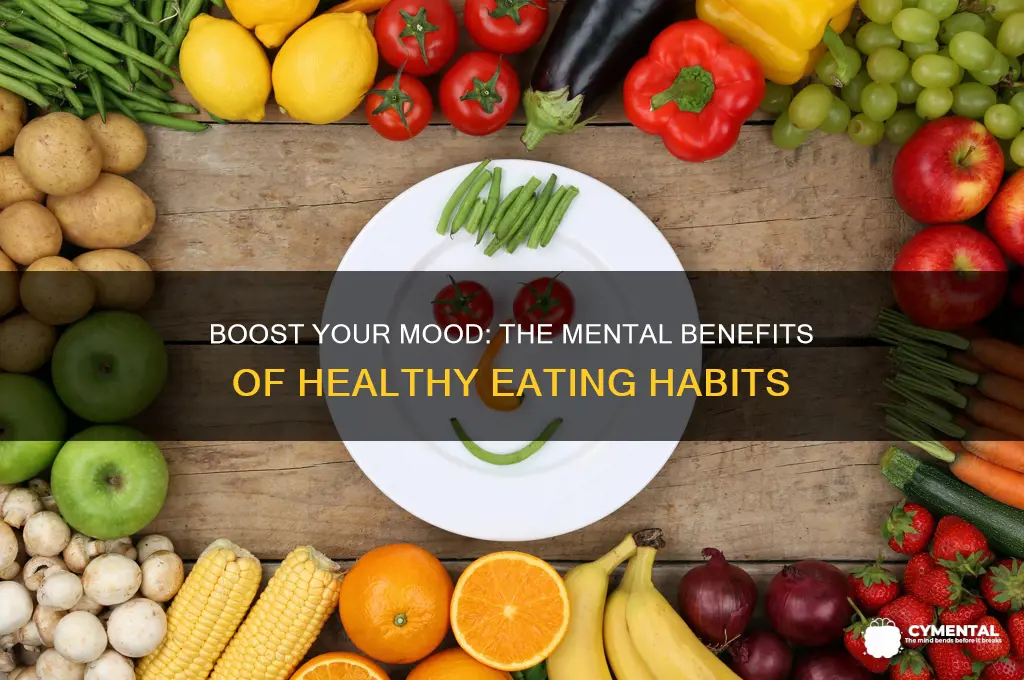
Eating healthy plays a crucial role in supporting mental well-being by providing the brain with essential nutrients that influence mood, cognition, and overall mental health. A balanced diet rich in fruits, vegetables, whole grains, lean proteins, and healthy fats helps regulate neurotransmitters like serotonin and dopamine, which are vital for mood stability and stress management. Additionally, foods high in omega-3 fatty acids, antioxidants, and vitamins (such as B vitamins and vitamin D) can reduce inflammation, protect brain cells, and lower the risk of mental health disorders like depression and anxiety. By fueling the body with nutritious foods, individuals can enhance focus, energy levels, and resilience to stress, ultimately fostering a clearer mind and a more positive outlook on life.
| Characteristics | Values |
|---|---|
| Improved Mood | Nutrient-rich foods (e.g., omega-3 fatty acids, vitamins B and D) boost serotonin production, reducing symptoms of depression and anxiety. |
| Reduced Stress | Magnesium-rich foods (e.g., leafy greens, nuts) and antioxidants help regulate cortisol levels, lowering stress. |
| Enhanced Cognitive Function | Healthy fats, antioxidants, and vitamins (e.g., from berries, fish, and nuts) improve memory, focus, and overall brain health. |
| Lower Risk of Mental Disorders | A balanced diet reduces the risk of depression, anxiety, and cognitive decline by supporting brain structure and function. |
| Stable Blood Sugar Levels | Whole foods (e.g., whole grains, lean proteins) prevent blood sugar spikes, reducing mood swings and irritability. |
| Better Sleep Quality | Foods high in tryptophan (e.g., turkey, bananas) and magnesium promote better sleep, which is crucial for mental health. |
| Increased Energy Levels | Nutrient-dense foods provide sustained energy, combating fatigue and improving overall well-being. |
| Gut-Brain Axis Support | Probiotics (e.g., yogurt, kefir) and fiber-rich foods (e.g., vegetables) promote a healthy gut microbiome, linked to improved mental health. |
| Reduced Inflammation | Anti-inflammatory foods (e.g., fatty fish, turmeric) lower systemic inflammation, which is associated with mental health issues. |
| Long-Term Brain Health | A diet rich in antioxidants and healthy fats may reduce the risk of neurodegenerative diseases like Alzheimer's. |
Explore related products



What You'll Learn
- Boosts Mood: Nutrient-rich foods increase serotonin, promoting happiness and reducing symptoms of depression and anxiety
- Sharpens Focus: Healthy fats and antioxidants enhance cognitive function and concentration
- Reduces Stress: Magnesium and omega-3s lower cortisol levels, easing stress responses
- Improves Sleep: Balanced diets regulate sleep patterns, aiding mental clarity and emotional stability
- Enhances Resilience: Proper nutrition strengthens brain health, improving coping mechanisms for mental challenges

Boosts Mood: Nutrient-rich foods increase serotonin, promoting happiness and reducing symptoms of depression and anxiety
Serotonin, often dubbed the "feel-good" neurotransmitter, plays a pivotal role in regulating mood, and its production is heavily influenced by diet. Nutrient-rich foods, particularly those high in tryptophan—an amino acid essential for serotonin synthesis—can significantly boost its levels in the brain. Foods like turkey, eggs, nuts, seeds, and bananas are excellent sources of tryptophan. Pairing these with complex carbohydrates (think whole grains, legumes, or vegetables) enhances tryptophan’s entry into the brain, as carbs stimulate insulin release, which clears competing amino acids from the bloodstream. For instance, a balanced meal of quinoa, roasted turkey, and steamed vegetables isn’t just nourishing—it’s a recipe for serotonin production.
Consider this: studies show that diets lacking in essential nutrients can lead to lower serotonin levels, contributing to mood disorders. A 2019 review in *Psychosomatic Medicine* found that individuals with depression often have inadequate intake of vitamins, minerals, and omega-3 fatty acids—all of which are critical for brain health. Omega-3s, found in fatty fish like salmon and flaxseeds, reduce inflammation and support serotonin function. Incorporating these foods into daily meals isn’t just about physical health; it’s a direct investment in mental well-being. For adults, aiming for at least two servings of fatty fish per week, alongside a variety of nuts, seeds, and whole grains, can make a measurable difference in mood stability.
Practicality is key. Start small by swapping processed snacks for nutrient-dense alternatives. For example, replace a bag of chips with a handful of almonds and a piece of fruit. For those with busy schedules, meal prepping can ensure consistent access to mood-boosting foods. A simple breakfast of oatmeal topped with walnuts, chia seeds, and a drizzle of honey provides tryptophan, omega-3s, and complex carbs in one bowl. Even hydration matters—dehydration can impair cognitive function and mood, so pairing these foods with adequate water intake amplifies their benefits.
However, it’s not just about what you eat—it’s also about what you avoid. Refined sugars and processed foods can cause blood sugar spikes, leading to crashes that negatively impact mood. A 2017 study in *Scientific Reports* linked high sugar consumption to increased risk of depression. Cutting back on sugary beverages and snacks while prioritizing whole, unprocessed foods creates a stable foundation for serotonin production. For those struggling with cravings, gradually reducing sugar intake and focusing on naturally sweet foods like berries or dark chocolate can ease the transition.
The takeaway is clear: nutrient-rich foods are powerful tools for enhancing mental health. By strategically incorporating tryptophan-rich proteins, omega-3s, and complex carbs into your diet, you can naturally elevate serotonin levels, fostering a sense of happiness and resilience against anxiety and depression. It’s not about perfection—small, consistent changes can yield profound results. Think of your plate as a mood-boosting toolkit, where every meal is an opportunity to nourish both body and mind.
Probation Officers: Supporting Mental Health During Probationary Periods
You may want to see also
Explore related products


Sharpens Focus: Healthy fats and antioxidants enhance cognitive function and concentration
The brain, a voracious energy consumer, demands a steady supply of high-quality fuel to function optimally. Enter healthy fats and antioxidants, the dynamic duo that turbocharges your cognitive engine. Think of healthy fats, like those found in avocados, nuts, and fatty fish, as the premium gasoline for your brain. These fats, rich in omega-3 fatty acids, are essential building blocks for brain cell membranes, facilitating communication between neurons and promoting overall brain health.
Imagine a well-oiled machine humming with efficiency – that's your brain on a diet rich in these fats. Studies suggest that omega-3 deficiency can lead to cognitive decline and impaired focus, while supplementation has been linked to improved attention span and memory in both children and adults. Aim for at least two servings of fatty fish per week, incorporate a handful of nuts or seeds daily, and consider adding a high-quality fish oil supplement if your diet falls short.
But healthy fats are only half the equation. Enter antioxidants, the brain's personal bodyguards against the damaging effects of free radicals. These unstable molecules, generated during normal metabolism and environmental exposure, can wreak havoc on brain cells, contributing to cognitive decline and age-related neurodegenerative diseases. Antioxidants, found abundantly in colorful fruits and vegetables like berries, spinach, and carrots, neutralize these free radicals, protecting your brain from oxidative stress.
Think of antioxidants as a shield, deflecting the harmful blows that can dull your focus and cloud your thinking. Research suggests that a diet rich in antioxidants can improve cognitive performance, enhance memory, and even reduce the risk of Alzheimer's disease. Aim for a rainbow on your plate, incorporating a variety of colorful fruits and vegetables daily. Berries, in particular, are antioxidant powerhouses, with blueberries boasting one of the highest antioxidant contents of any fruit.
The synergy between healthy fats and antioxidants is undeniable. Together, they create a potent cocktail for cognitive enhancement. Imagine a well-nourished brain, its neurons firing efficiently, its protective mechanisms strong – this is the result of a diet rich in these essential nutrients. So, ditch the processed foods and sugary snacks, and fuel your brain with the premium ingredients it deserves. Your focus, memory, and overall mental clarity will thank you.
Culture's Impact: Shaping Mental Health Attitudes and Help-Seeking Behaviors
You may want to see also
Explore related products




Reduces Stress: Magnesium and omega-3s lower cortisol levels, easing stress responses
Stress, often dubbed the silent killer, wreaks havoc on both body and mind. But what if the antidote lies not just in meditation or exercise, but on your plate? Enter magnesium and omega-3 fatty acids, two nutritional powerhouses that directly combat stress by lowering cortisol, the body’s primary stress hormone. Magnesium, found in leafy greens, nuts, and seeds, acts as a natural relaxant, calming the nervous system. Omega-3s, abundant in fatty fish like salmon and flaxseeds, reduce inflammation and support brain health, both of which are critical for managing stress responses. Together, they form a dietary duo that can transform your mental resilience.
Consider this: a study published in the *Journal of Research in Medical Sciences* found that magnesium supplementation significantly reduced cortisol levels in participants under chronic stress. For adults, aiming for 300–400 mg of magnesium daily through diet or supplements can be a game-changer. Pair this with omega-3s—experts recommend at least 250–500 mg of combined EPA and DHA daily, either through food or supplements. For instance, a serving of Atlantic salmon provides around 2.3 grams of omega-3s, while a tablespoon of flaxseeds offers 1.8 grams. Small dietary adjustments like these can yield profound mental health benefits.
However, it’s not just about popping pills or eating fish. The synergy between magnesium and omega-3s is key. Magnesium helps regulate neurotransmitters like GABA, which inhibit stress signals, while omega-3s strengthen cell membranes, enhancing the brain’s ability to cope with stress. For those over 50, whose stress responses may be heightened due to hormonal changes, this combination is particularly vital. Incorporating magnesium-rich snacks like almonds (80 mg per ounce) or spinach (158 mg per cooked cup) alongside omega-3 sources like chia seeds or walnuts can make a noticeable difference in daily stress levels.
Practicality is paramount. Start by swapping processed snacks for whole foods rich in these nutrients. For example, replace a bag of chips with a handful of pumpkin seeds (168 mg of magnesium per ounce) or trade your usual sandwich bread for flaxseed-infused varieties. If cooking feels daunting, consider fortified foods like omega-3-enriched eggs or magnesium-fortified beverages. The goal is consistency—small, sustainable changes that integrate these nutrients into your daily routine.
In a world where stress is inevitable, your diet can be your shield. By prioritizing magnesium and omega-3s, you’re not just eating—you’re actively rewiring your body’s stress response. The science is clear, and the steps are simple. Take control of your mental well-being, one bite at a time.
Drumming for Mental Health: Rhythm's Healing Power and Stress Relief
You may want to see also
Explore related products


$17.09 $18

$24.5 $29.99


Improves Sleep: Balanced diets regulate sleep patterns, aiding mental clarity and emotional stability
Quality sleep is the cornerstone of mental resilience, yet it often eludes those with erratic eating habits. A balanced diet, rich in complex carbohydrates, lean proteins, and healthy fats, stabilizes blood sugar levels, preventing the midnight crashes that disrupt sleep. Incorporating foods high in magnesium (think spinach, almonds, or black beans) and calcium (dairy, fortified plant milks) can act as natural sleep aids by promoting muscle relaxation and melatonin production. Conversely, limiting caffeine after noon and avoiding heavy, spicy, or sugary meals within three hours of bedtime reduces sleep latency—the time it takes to fall asleep.
Consider the circadian rhythm, your body’s internal clock, which thrives on consistency. Irregular eating patterns—like skipping meals or late-night snacking—confuse this rhythm, leading to fragmented sleep. A study published in *Sleep Health* found that individuals who adhered to a Mediterranean-style diet reported significantly better sleep quality compared to those with high-sugar, processed-food diets. Practical tip: establish a “food curfew” by finishing dinner at least two hours before bed, allowing digestion to settle and signaling to your body that it’s time to wind down.
The link between diet and sleep isn’t just physical—it’s biochemical. Tryptophan, an amino acid found in turkey, eggs, and bananas, is a precursor to serotonin, which converts to melatonin, the sleep hormone. Pairing tryptophan-rich foods with vitamin B6 sources (like chickpeas or salmon) enhances its absorption, optimizing its sleep-inducing effects. For instance, a bedtime snack of banana slices with almond butter combines tryptophan, healthy fats, and magnesium for a trifecta of sleep support.
Poor sleep doesn’t just leave you tired; it unravels mental clarity and emotional stability. Chronic sleep deprivation heightens cortisol levels, amplifying stress and anxiety, while impairing cognitive functions like decision-making and memory. A balanced diet acts as a buffer, regulating hormones and neurotransmitters that stabilize mood and focus. For teens and young adults, whose developing brains are particularly vulnerable to sleep disruption, prioritizing nutrient-dense meals can mitigate the mental toll of academic or social pressures.
The takeaway? Eating for better sleep isn’t about restrictive diets or exotic superfoods—it’s about mindful choices that align with your body’s natural rhythms. Start small: swap evening chips for a handful of walnuts, trade sugary drinks for herbal tea, or add leafy greens to your dinner plate. Over time, these adjustments compound, fostering not just deeper sleep but a sharper mind and more resilient emotional landscape. Sleep isn’t a luxury; it’s a mental health imperative, and your diet holds the key.
Genetic Testing and Mental Health: Unlocking Personalized Treatment Insights
You may want to see also
Explore related products


Enhances Resilience: Proper nutrition strengthens brain health, improving coping mechanisms for mental challenges
The brain, a voracious energy consumer, demands a steady supply of nutrients to function optimally. Think of it as a high-performance engine – it needs premium fuel to run smoothly, especially under stress. Proper nutrition provides the building blocks for neurotransmitters, the brain's chemical messengers, which regulate mood, focus, and our ability to handle adversity.
A diet rich in omega-3 fatty acids, found in fatty fish like salmon and flaxseeds, is like giving your brain a protective shield. These fats are essential for building cell membranes, allowing neurons to communicate effectively. Studies suggest that omega-3 deficiency is linked to increased anxiety and depression, highlighting their role in emotional resilience.
Imagine facing a challenging situation – a tight deadline, a difficult conversation, or a personal setback. A brain well-nourished with complex carbohydrates, found in whole grains and legumes, has a steady supply of glucose, its primary fuel source. This sustained energy prevents the mental fatigue and irritability that can make coping with stress even harder.
Additionally, antioxidants from colorful fruits and vegetables act as the brain's cleanup crew, neutralizing harmful free radicals produced during stressful situations. Think of them as the repair team keeping your mental machinery running smoothly.
Building resilience isn't just about reacting to stress; it's about proactively strengthening your mental fortitude. Certain nutrients, like magnesium found in leafy greens and nuts, play a crucial role in regulating the body's stress response system. Adequate magnesium levels can help reduce the production of stress hormones like cortisol, promoting a sense of calm and improving sleep quality, both essential for resilience.
While there's no magic bullet food for instant resilience, a consistent diet rich in whole, unprocessed foods provides the foundation. Aim for a rainbow on your plate, incorporating a variety of fruits, vegetables, whole grains, lean proteins, and healthy fats. Remember, building mental resilience is a journey, and nourishing your brain with the right fuel is a powerful step in the right direction.
Supporting Mr. Robot: How Friends Can Aid Dissociative Identity Disorder
You may want to see also
Frequently asked questions
Eating healthy provides essential nutrients like omega-3 fatty acids, vitamins, and minerals that support brain function and neurotransmitter production. This can reduce symptoms of depression, anxiety, and stress while promoting a more stable and positive mood.
Yes, a balanced diet rich in whole foods, antioxidants, and healthy fats enhances blood flow to the brain and supports neural health. This improves concentration, memory, and overall cognitive performance.
A nutritious diet can lower inflammation and oxidative stress, which are linked to mental health conditions like depression and anxiety. While it’s not a cure, it plays a significant role in prevention and symptom management.