Ava Ramirez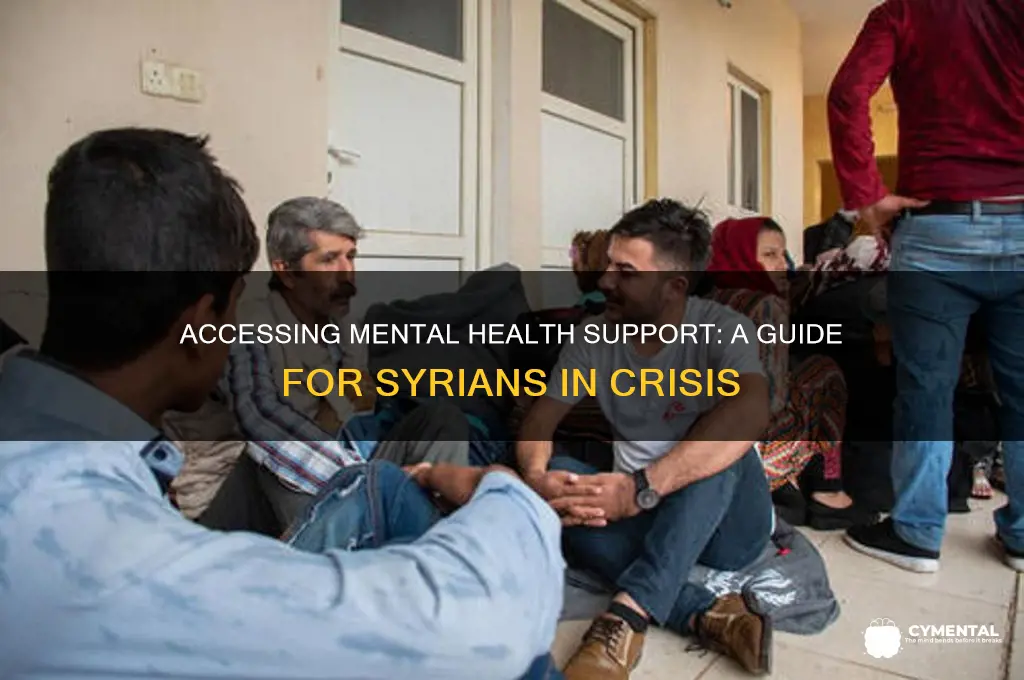
Syrians, particularly those affected by conflict, displacement, and socio-economic challenges, face significant barriers in accessing mental health care. Years of war, loss, and trauma have led to high rates of mental disorders such as depression, anxiety, and PTSD among the population. Despite the growing need, mental health services in Syria remain limited due to a lack of resources, stigma surrounding mental illness, and a fragmented healthcare system. However, efforts to provide support include international NGOs offering counseling and psychosocial programs, community-based initiatives, and telehealth services. Additionally, cultural and religious leaders often play a role in addressing mental health issues, while awareness campaigns aim to reduce stigma and encourage seeking help. Despite these efforts, challenges persist, highlighting the urgent need for sustainable, accessible, and culturally sensitive mental health solutions for Syrians.
Explore related products



What You'll Learn
- Access to Mental Health Services: Availability of clinics, hospitals, and professionals offering mental health care in Syria
- Community Support Programs: Local initiatives and NGOs providing psychological support and counseling to affected individuals
- Teletherapy and Online Resources: Use of digital platforms for therapy, counseling, and mental health education
- Cultural and Religious Approaches: Integration of traditional and religious practices in mental health treatment and support
- International Aid and Funding: Role of global organizations in providing resources and programs for mental health in Syria

Access to Mental Health Services: Availability of clinics, hospitals, and professionals offering mental health care in Syria
The Syrian conflict has left an indelible mark on the mental health of its population, with a staggering number of individuals experiencing trauma, anxiety, and depression. Despite the growing need, accessing mental health services in Syria remains a significant challenge. The availability of clinics, hospitals, and professionals offering mental health care is limited, particularly in areas affected by the ongoing conflict. According to the World Health Organization (WHO), there is only one psychiatrist per 100,000 people in Syria, compared to the global average of 9 per 100,000. This stark disparity highlights the urgent need for increased investment in mental health infrastructure and personnel.
In areas where mental health services do exist, they are often concentrated in urban centers, leaving rural populations with little to no access. For instance, Damascus and Aleppo host the majority of Syria's mental health clinics and hospitals, while peripheral regions like Idlib and Deir ez-Zor struggle with severe shortages. Mobile clinics and outreach programs have been established to bridge this gap, but their reach is limited by funding constraints, security concerns, and logistical challenges. Furthermore, the stigma surrounding mental health issues often prevents individuals from seeking help, even when services are available. Cultural barriers and a lack of awareness about mental health further compound the problem, making it difficult to encourage utilization of existing resources.
One practical approach to improving access is the integration of mental health services into primary healthcare settings. This model, endorsed by organizations like the WHO and UNHCR, trains primary care physicians and nurses to identify and manage common mental health conditions. For example, the mhGAP (Mental Health Gap Action Programme) has been implemented in several Syrian communities, equipping healthcare workers with tools to provide basic psychological support. This strategy not only increases the availability of care but also helps normalize mental health discussions within primary care environments. However, its success relies on consistent funding, ongoing training, and the availability of essential psychotropic medications, which remain in short supply.
Another critical aspect is the role of non-governmental organizations (NGOs) and international aid agencies in filling the gaps left by the strained healthcare system. Organizations like the Syrian American Medical Society (SAMS) and Médecins Sans Frontières (MSF) operate mental health programs across Syria, offering counseling, psychotherapy, and medication management. These initiatives often target vulnerable populations, including children, refugees, and survivors of violence. For instance, SAMS has established child-friendly spaces where young Syrians can receive trauma-informed care through play therapy and group activities. While these efforts are invaluable, they are often temporary and dependent on donor funding, making long-term sustainability a persistent challenge.
To address the shortage of mental health professionals, initiatives focusing on capacity-building and education are essential. Local universities and training programs have begun incorporating mental health curricula into medical and psychology degrees, though progress is slow due to resource limitations. Telepsychiatry and e-mental health platforms also hold promise, particularly in remote areas. For example, the use of smartphone apps and online counseling services can connect individuals with mental health professionals based in other regions or countries. However, widespread implementation requires improved internet access and digital literacy, which are currently lacking in many parts of Syria.
In conclusion, while the availability of mental health services in Syria remains critically insufficient, targeted interventions offer a pathway forward. By expanding integrated care models, supporting NGOs, investing in professional training, and leveraging technology, it is possible to improve access for those in need. Addressing cultural stigma and ensuring sustainable funding will be key to achieving meaningful progress in this area.
Physical Pain vs. Mental Anguish: Can One Ease the Other?
You may want to see also
Explore related products


$19.99 $24.99




Community Support Programs: Local initiatives and NGOs providing psychological support and counseling to affected individuals
In war-torn Syria, where trauma is pervasive and mental health resources are scarce, community support programs have emerged as vital lifelines. Local initiatives and NGOs fill critical gaps, offering psychological support and counseling to those affected by conflict, displacement, and loss. These programs often operate in informal settings—community centers, schools, or even homes—making mental health care accessible in culturally sensitive ways. For instance, organizations like the Syrian American Medical Society (SAMS) and the Syrian Association for Mental Health (SAMH) train local volunteers to provide basic psychological first aid, ensuring that support is available even in remote or besieged areas.
One standout approach is the integration of mental health services into existing community structures. For example, women’s centers in refugee camps often double as safe spaces for counseling, addressing gender-specific trauma while preserving cultural norms. In Aleppo, local NGOs have partnered with religious leaders to destigmatize mental health issues, leveraging their influence to encourage community members to seek help. These initiatives recognize that mental health care must be embedded in the fabric of daily life, not isolated in clinical settings. Practical tips for implementing such programs include training community members in active listening, stress management techniques, and referral pathways to professional care when needed.
A comparative analysis reveals that programs rooted in community participation are more sustainable and effective than top-down interventions. For instance, the “Healing Through Play” initiative in Idlib, led by local teachers and psychologists, uses art and play therapy to help children process trauma. This contrasts with short-term, externally led programs that often fail to build long-term capacity. Key takeaways include the importance of local leadership, cultural adaptation, and continuous training to ensure the quality and relevance of services. NGOs should prioritize empowering community members to become mental health advocates and providers, fostering resilience from within.
Despite their impact, these programs face significant challenges. Funding is inconsistent, and security risks often limit access to affected populations. Additionally, the lack of standardized training and oversight can lead to variability in care quality. To address these issues, NGOs must advocate for sustained international funding, collaborate with local governments where possible, and develop rigorous monitoring frameworks. For individuals seeking to support these efforts, donating to organizations like SAMS or volunteering skills in training and capacity-building can make a tangible difference.
In conclusion, community support programs are a cornerstone of mental health care in Syria, offering hope and healing in the face of unimaginable adversity. By leveraging local resources, cultural insights, and grassroots participation, these initiatives demonstrate that even in the most challenging contexts, mental health support can be both accessible and transformative. Their success underscores the need for continued investment in community-driven solutions, ensuring that no one is left to suffer in silence.
Self-Control and Mental Health: A Powerful Tool for Disorder Management
You may want to see also
Explore related products


Teletherapy and Online Resources: Use of digital platforms for therapy, counseling, and mental health education
In war-torn Syria, where access to mental health services is severely limited, teletherapy and online resources have emerged as vital lifelines. Digital platforms bridge the gap between displaced populations and qualified professionals, offering therapy, counseling, and education in the face of immense logistical and safety challenges. Organizations like the Syrian American Medical Society (SAMS) have integrated teletherapy into their mental health programs, connecting Syrian refugees with Arabic-speaking therapists based in other countries. This approach ensures culturally sensitive care, a critical factor in fostering trust and effective treatment.
Consider the practicalities: platforms like Zoom, WhatsApp, or specialized mental health apps are utilized for sessions, requiring only a smartphone and internet access. While connectivity remains a hurdle in some areas, the proliferation of mobile devices even in refugee camps has made this model more feasible than traditional in-person therapy. For instance, a 2021 study by the International Medical Corps found that 60% of Syrian refugees in Lebanon who received teletherapy reported improved mental health symptoms, highlighting its effectiveness despite resource constraints.
However, teletherapy is not without challenges. Privacy concerns arise in crowded living conditions, and technological barriers, such as unreliable internet or lack of digital literacy, can exclude vulnerable populations. To mitigate these issues, some programs provide training on using platforms and offer secure, encrypted communication tools. Additionally, group therapy sessions conducted online have proven effective in addressing collective trauma, fostering a sense of community among participants.
For those seeking self-guided support, online mental health education resources are invaluable. Websites and apps like "Seha" (Arabic for "health") offer culturally tailored content on stress management, PTSD, and coping strategies. These resources are particularly useful for individuals hesitant to engage in formal therapy or those in areas with no access to professionals. A key takeaway is that while teletherapy and online tools cannot replace comprehensive mental health systems, they provide immediate, scalable solutions in a context where traditional services are often unattainable.
In conclusion, teletherapy and online resources represent a pragmatic response to Syria’s mental health crisis, leveraging technology to deliver care and education where physical infrastructure fails. By addressing challenges like privacy and accessibility, these digital approaches can significantly improve outcomes for a population enduring profound trauma. For Syrians, the smartphone in their hand may just be the first step toward healing.
Supporting Teammates: The Role of Peer Support in Mental Health
You may want to see also
Explore related products



Cultural and Religious Approaches: Integration of traditional and religious practices in mental health treatment and support
In Syria, where years of conflict have left an indelible mark on the collective psyche, mental health support often intertwines with cultural and religious practices. Traditional healing methods, deeply rooted in Islamic teachings and local customs, offer solace to those grappling with trauma, anxiety, and depression. These approaches are not merely supplementary but often serve as the primary means of coping, especially in areas with limited access to Western psychiatric services. For instance, *ruqyah*, a spiritual healing practice involving the recitation of Quranic verses, is widely sought to alleviate psychological distress, blending faith with therapeutic intent.
Consider the role of community and family in this context. Syrian culture emphasizes collective well-being, and mental health issues are frequently addressed through communal support systems. Elders, religious leaders, or trusted community members often act as informal counselors, providing guidance grounded in Islamic principles. For example, the concept of *sabr* (patience) is encouraged as a virtue to endure hardship, while *istikhara* (prayer for guidance) helps individuals find clarity in times of emotional turmoil. These practices not only address symptoms but also reinforce cultural and spiritual identity, fostering resilience.
However, integrating traditional and religious practices into mental health treatment requires careful navigation. While these methods offer comfort and accessibility, they may not always align with evidence-based psychiatric care. For instance, reliance on spiritual healing alone could delay intervention for severe conditions like PTSD or major depressive disorder. Practitioners must strike a balance, acknowledging the cultural significance of these approaches while ensuring individuals receive comprehensive care. Collaborative models, where religious leaders and mental health professionals work together, can bridge this gap, offering holistic support tailored to Syrian cultural norms.
Practical implementation of such integration involves training religious leaders to identify mental health red flags and refer individuals to specialized care when necessary. Workshops on trauma-informed practices, conducted in collaboration with psychologists, can equip these leaders with tools to provide culturally sensitive support. Additionally, incorporating religious rituals into therapeutic sessions, such as guided prayer or mindfulness exercises rooted in Islamic traditions, can enhance engagement and trust among patients. For example, a therapist might encourage a patient to practice *dhikr* (remembrance of God) as a form of grounding during anxiety episodes.
Ultimately, the integration of cultural and religious practices into mental health treatment in Syria is not just a matter of preference but necessity. It honors the deeply held beliefs of the population while addressing their psychological needs in a contextually relevant manner. By embracing these approaches, mental health initiatives can become more inclusive, effective, and sustainable, ensuring that Syrians receive care that resonates with their lived experiences and values. This fusion of tradition and modernity paves the way for a more compassionate and culturally attuned approach to healing.
Mental Illness Diagnosis: A Lifeline or a Label?
You may want to see also
Explore related products


International Aid and Funding: Role of global organizations in providing resources and programs for mental health in Syria
The Syrian conflict has left an indelible mark on the mental health of its population, with over half of the surveyed individuals exhibiting symptoms of anxiety, depression, or post-traumatic stress disorder (PTSD). In this context, international aid and funding play a pivotal role in addressing the mental health crisis in Syria. Global organizations, such as the World Health Organization (WHO), United Nations High Commissioner for Refugees (UNHCR), and International Medical Corps, have been instrumental in providing resources and programs to support mental health services. For instance, WHO has implemented the Mental Health Gap Action Programme (mhGAP), which aims to scale up care for mental disorders in low-resource settings, including Syria. This program provides training for non-specialized healthcare workers to identify and manage mental health conditions, ensuring that even in remote areas, individuals can access basic mental health support.
One of the critical challenges in providing mental health aid in Syria is the lack of infrastructure and trained professionals. To address this, organizations like UNHCR have adopted a multi-faceted approach, combining direct service provision with capacity building. They support local NGOs in establishing mental health clinics, training community health workers, and integrating mental health services into primary healthcare. For example, UNHCR’s partnership with the Syrian American Medical Society (SAMS) has resulted in the creation of mental health programs that offer psychotherapy, counseling, and psychoeducation to affected populations. These initiatives are particularly crucial for vulnerable groups, including children and adolescents, who constitute over half of the refugee population and are at heightened risk of developing mental health disorders.
Funding from international donors has been essential in sustaining these efforts. The European Union, through its Civil Protection and Humanitarian Aid Operations (ECHO), has allocated millions of euros to mental health projects in Syria and neighboring countries. However, the allocation of funds must be strategic to maximize impact. For instance, investing in digital mental health interventions, such as mobile apps and teletherapy, can overcome geographical barriers and reach a larger population. A notable example is the use of the "Step-by-Step" app, developed by War Child Holland, which provides psychological first aid and stress management techniques to Syrian children and their caregivers. Such innovative solutions require sustained funding to ensure their scalability and long-term effectiveness.
Despite these efforts, significant gaps remain in the mental health response in Syria. The stigma surrounding mental illness, cultural barriers, and the ongoing conflict continue to hinder access to care. Global organizations must therefore adopt culturally sensitive approaches, involving local communities in the design and implementation of programs. For example, incorporating traditional healing practices and engaging religious leaders can enhance acceptance and participation. Additionally, there is a need for more longitudinal studies to evaluate the effectiveness of current interventions and inform future strategies. By addressing these challenges, international aid can play a transformative role in alleviating the mental health burden of the Syrian people.
In conclusion, the role of global organizations in providing resources and programs for mental health in Syria is both critical and complex. Through initiatives like mhGAP, capacity building efforts, and innovative digital solutions, these organizations are making strides in addressing the mental health crisis. However, sustained funding, culturally sensitive approaches, and rigorous evaluation are essential to ensure that these efforts yield lasting impact. As the conflict persists, the international community must remain committed to supporting the mental well-being of the Syrian population, recognizing that healing the mind is as vital as healing the body.
Supporting Through Crisis: Essential Steps to Aid Mental Health Emergencies
You may want to see also
Frequently asked questions
In refugee camps, Syrians can access mental health support through organizations like UNHCR, WHO, and NGOs such as Médecins Sans Frontières (MSF), which provide counseling, psychotherapy, and group support sessions.
Syrians in war-affected areas can seek help through local health clinics, mobile mental health units, and international organizations like the International Committee of the Red Cross (ICRC) or local NGOs offering trauma-focused care.
Yes, online platforms like Seha (a Syrian telemedicine initiative) and international apps like Woebot or Calm offer mental health support, though access may be limited by internet availability.
Community-based support often includes religious leaders, family networks, and local elders who provide emotional support, though professional mental health care remains limited in many areas.
Syrians abroad can access mental health services through public health systems, NGOs like the International Organization for Migration (IOM), or culturally sensitive programs offered by local mental health organizations.