Lucas Bennett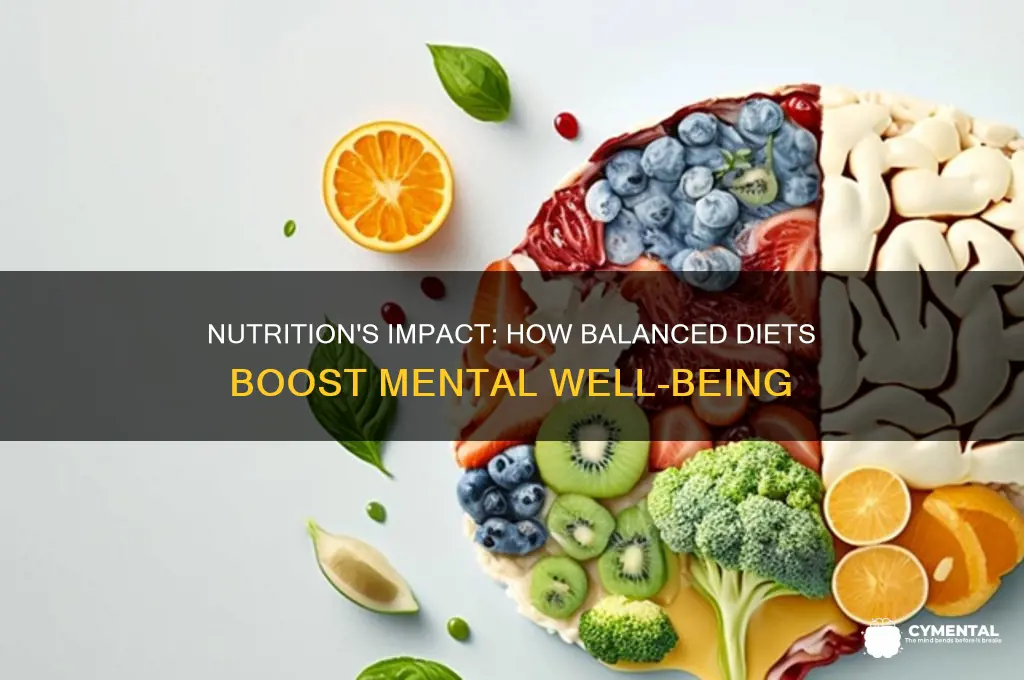
Maintaining a balanced diet plays a crucial role in supporting mental health by providing the essential nutrients that the brain needs to function optimally. A diet rich in fruits, vegetables, whole grains, lean proteins, and healthy fats helps regulate neurotransmitters, such as serotonin and dopamine, which are vital for mood stability and emotional well-being. Additionally, balanced nutrition reduces inflammation, stabilizes blood sugar levels, and promotes gut health, all of which are linked to lower risks of anxiety, depression, and cognitive decline. By fueling the body with the right nutrients, a balanced diet not only enhances physical health but also fosters resilience and clarity in mental health, creating a foundation for overall well-being.
| Characteristics | Values |
|---|---|
| Reduces Risk of Depression | Diets rich in fruits, vegetables, whole grains, and lean proteins are linked to lower depression rates. Omega-3 fatty acids (found in fish, flaxseeds) play a key role. |
| Improves Mood Stability | Nutrients like magnesium (in nuts, seeds) and vitamin D (in fatty fish, fortified foods) help regulate neurotransmitters like serotonin, stabilizing mood. |
| Enhances Cognitive Function | A balanced diet supports brain health, improving memory, focus, and decision-making. Antioxidants (in berries, spinach) protect against cognitive decline. |
| Reduces Anxiety Symptoms | Foods high in zinc (legumes, nuts) and B vitamins (whole grains, eggs) help manage stress hormones like cortisol, reducing anxiety. |
| Supports Gut-Brain Axis | Probiotics (in yogurt, kefir) and fiber (in fruits, vegetables) promote a healthy gut microbiome, which communicates with the brain to influence mental health. |
| Regulates Blood Sugar Levels | Stable blood sugar from balanced meals prevents mood swings and irritability, common in diets high in refined sugars and carbs. |
| Boosts Energy Levels | Complex carbohydrates (whole grains), proteins, and healthy fats provide sustained energy, reducing fatigue and improving mental clarity. |
| Reduces Inflammation | Anti-inflammatory foods (fatty fish, turmeric, leafy greens) lower systemic inflammation, which is linked to depression and anxiety. |
| Promotes Better Sleep | Nutrients like magnesium and tryptophan (in turkey, bananas) aid in melatonin production, improving sleep quality, which is crucial for mental health. |
| Strengthens Resilience to Stress | Adequate intake of vitamins (C, E) and minerals (zinc, selenium) from a varied diet helps the body cope with stress more effectively. |
Explore related products



What You'll Learn
- Nutrients boost brain function, enhancing mood and cognitive abilities
- Stable blood sugar levels reduce anxiety and irritability
- Omega-3s combat depression and support emotional well-being
- Gut health influences serotonin production, affecting mental clarity
- Antioxidants reduce inflammation linked to mental health disorders

Nutrients boost brain function, enhancing mood and cognitive abilities
The brain, a mere 2% of our body weight, consumes a staggering 20% of our daily energy intake. This voracious organ relies on a constant supply of nutrients to function optimally, influencing not just our ability to think and remember, but also our mood and overall mental well-being.
Imagine your brain as a high-performance sports car. Just as premium fuel unlocks its full potential, specific nutrients act as the brain's premium fuel, boosting its processing power and resilience.
Essential Nutrients for a Sharper Mind and Brighter Mood:
- Omega-3 Fatty Acids: These healthy fats, found abundantly in fatty fish like salmon, sardines, and mackerel, are the building blocks of brain cell membranes. Studies suggest a daily intake of 250-500 mg of EPA and DHA, the active forms of omega-3s, can improve cognitive function, reduce symptoms of depression, and even protect against age-related cognitive decline. For those who don't consume fish regularly, consider algae-based supplements as a vegan alternative.
- B Vitamins: Think of B vitamins as the brain's maintenance crew. They play a crucial role in neurotransmitter production, the chemical messengers responsible for mood regulation and cognitive function. Deficiencies in vitamins B6, B9 (folate), and B12 have been linked to depression, anxiety, and memory problems. Include leafy greens, whole grains, legumes, and lean protein sources like poultry and eggs in your diet to ensure adequate intake.
- Antioxidants: The brain is particularly vulnerable to oxidative stress, a process that damages cells and contributes to neurodegenerative diseases. Antioxidants, found in colorful fruits and vegetables like berries, spinach, and carrots, neutralize these harmful free radicals, protecting brain cells and promoting cognitive health. Aim for a rainbow of colors on your plate to maximize your antioxidant intake.
- Magnesium: This mineral, often referred to as the "relaxation mineral," plays a vital role in regulating neurotransmitters and reducing stress hormones. Studies suggest that magnesium deficiency is linked to anxiety, depression, and insomnia. Include magnesium-rich foods like nuts, seeds, whole grains, and leafy greens in your diet. For those with severe deficiencies, supplementation under medical supervision may be necessary.
Practical Tips for Fueling Your Brain:
- Prioritize Whole Foods: Opt for unprocessed, nutrient-dense foods over refined carbohydrates and sugary snacks. Whole foods provide a wider range of essential nutrients and fiber, promoting stable blood sugar levels and sustained energy for your brain.
- Hydrate: Dehydration can impair cognitive function and mood. Aim for 8-10 glasses of water per day, adjusting based on activity level and climate.
- Mindful Eating: Pay attention to your hunger cues and eat slowly, savoring each bite. This promotes better digestion and nutrient absorption, ensuring your brain receives the fuel it needs.
- Consider Individual Needs: Nutritional requirements vary based on age, gender, activity level, and underlying health conditions. Consult with a registered dietitian or healthcare professional for personalized guidance.
By incorporating these nutrient-rich foods and mindful eating practices into your daily routine, you can nourish your brain, enhance your mood, and unlock your full cognitive potential. Remember, a healthy brain is the foundation for a healthy mind.
Restorative Yoga: A Gentle Path to Teen Mental Wellness
You may want to see also
Explore related products


Stable blood sugar levels reduce anxiety and irritability
Fluctuating blood sugar levels can turn your mood into a rollercoaster, with anxiety and irritability as frequent stops along the way. When blood sugar spikes and crashes, your body releases stress hormones like cortisol and adrenaline, triggering feelings of unease and agitation. This physiological response is your body’s way of signaling that it’s struggling to maintain balance. For instance, a study published in the *Journal of Psychosomatic Research* found that individuals with unstable blood sugar levels reported higher levels of anxiety compared to those with stable levels. This isn’t just about feeling “hangry”—it’s a measurable impact on mental health.
To stabilize blood sugar and reduce these symptoms, focus on meals that combine complex carbohydrates, lean proteins, healthy fats, and fiber. For example, pairing whole-grain toast with avocado and a boiled egg provides a steady release of energy, preventing the rapid spikes and crashes that fuel anxiety. Aim for meals every 3–4 hours, and avoid skipping breakfast, as this sets the tone for your blood sugar levels throughout the day. Snacks like a handful of almonds or a small apple with peanut butter can also help maintain stability between meals.
Children and adolescents, whose brains are still developing, are particularly vulnerable to the effects of blood sugar swings. A 2019 study in *Pediatric Obesity* highlighted that teens with erratic blood sugar levels were more likely to exhibit irritability and mood swings. Parents can mitigate this by limiting sugary snacks and beverages, opting instead for nutrient-dense options like Greek yogurt with berries or whole-grain crackers with cheese. Teaching young people about balanced eating habits early can foster better mental health as they grow.
For adults, especially those with stressful lifestyles, monitoring blood sugar is a practical strategy to manage anxiety. Start by reducing refined sugars and processed foods, which cause rapid spikes. Instead, incorporate foods with a low glycemic index, such as quinoa, lentils, and non-starchy vegetables. Hydration also plays a role—dehydration can mimic symptoms of low blood sugar, so aim for 8–10 cups of water daily. If you’re prone to anxiety, consider keeping a food diary to identify patterns between your diet and mood fluctuations.
Incorporating these habits doesn’t require a complete overhaul of your lifestyle. Small, consistent changes—like swapping white rice for brown or adding a source of protein to every meal—can make a significant difference. Stable blood sugar levels aren’t just about physical health; they’re a cornerstone of emotional well-being. By prioritizing balance in your diet, you’re not just nourishing your body—you’re calming your mind.
The Power of Friendship: Boosting Mental Health and Well-being
You may want to see also
Explore related products




Omega-3s combat depression and support emotional well-being
Omega-3 fatty acids, particularly EPA (eicosapentaenoic acid) and DHA (docosahexaenoic acid), play a pivotal role in brain health, directly influencing mood regulation and emotional resilience. Research consistently shows that populations with higher omega-3 intake, such as those in Japan and Scandinavia, report lower rates of depression. These essential fats are integral to cell membrane structure in the brain, facilitating communication between neurons and modulating neurotransmitters like serotonin and dopamine, which are critical for mood stability. Without sufficient omega-3s, this delicate balance can be disrupted, potentially leading to depressive symptoms.
Incorporating omega-3s into your diet isn’t just about prevention—it’s a proactive step toward managing existing mental health challenges. Studies suggest that omega-3 supplementation, particularly EPA, can enhance the effectiveness of antidepressant medications and, in some cases, act as a standalone treatment for mild to moderate depression. For instance, a meta-analysis published in the *Journal of Clinical Psychiatry* found that doses of 1,000–2,000 mg of EPA daily significantly reduced depressive symptoms in adults. However, it’s crucial to consult a healthcare provider before starting supplementation, as individual needs vary based on age, health status, and medication use.
Not all omega-3 sources are created equal. Fatty fish like salmon, mackerel, and sardines are the richest dietary sources, with a single 3-ounce serving of salmon providing up to 1,500 mg of combined EPA and DHA. For those who don’t consume fish regularly, algae-based supplements are a reliable plant-based alternative. Flaxseeds, chia seeds, and walnuts contain ALA (alpha-linolenic acid), another omega-3 fatty acid, but the body converts only a small percentage of ALA to EPA and DHA, making it less effective for combating depression. Pairing ALA-rich foods with vitamin C-rich foods, like berries or citrus, can slightly enhance conversion rates.
Practicality is key when integrating omega-3s into your routine. Aim for at least two servings of fatty fish per week, or consider a high-quality fish oil supplement with a 2:1 ratio of EPA to DHA for optimal mental health benefits. For children and adolescents, whose brains are still developing, omega-3s are equally vital—studies link higher intake to reduced anxiety and improved emotional regulation. Pregnant and nursing women should prioritize DHA, as it supports fetal brain development and maternal mental health. Small changes, like swapping red meat for salmon or adding a teaspoon of flaxseed to smoothies, can make a measurable difference over time.
While omega-3s are a powerful tool for emotional well-being, they’re not a cure-all. Their effectiveness is maximized when paired with other lifestyle factors, such as regular physical activity, adequate sleep, and stress management techniques. Additionally, over-supplementation can lead to side effects like fishy aftertaste or gastrointestinal discomfort, so adherence to recommended dosages is essential. By viewing omega-3s as one piece of a holistic mental health strategy, you can harness their potential to combat depression and foster long-term emotional resilience.
Recognizing the Signs: When to Seek Mental Health Support
You may want to see also
Explore related products



Gut health influences serotonin production, affecting mental clarity
The gut-brain axis is a bidirectional communication network linking the central nervous system with the enteric nervous system of the gut. This connection is so profound that the gut is often referred to as the "second brain." At the heart of this relationship lies serotonin, a neurotransmitter crucial for mood regulation, mental clarity, and overall cognitive function. Approximately 90% of the body's serotonin is produced in the gut, influenced heavily by the microbiome—the trillions of microorganisms residing in the digestive tract. A balanced diet rich in fiber, probiotics, and prebiotics fosters a healthy gut microbiome, which in turn supports optimal serotonin production. Without this balance, serotonin levels can fluctuate, leading to mood disorders, brain fog, and reduced mental acuity.
Consider the practical steps to nurture gut health for enhanced serotonin production. Incorporate fermented foods like yogurt, kefir, sauerkraut, and kimchi into your daily diet to introduce beneficial probiotics. Prebiotic-rich foods such as garlic, onions, bananas, and asparagus feed these probiotics, ensuring their survival and proliferation. Aim for a daily fiber intake of 25–30 grams, as fiber acts as a substrate for gut bacteria to produce short-chain fatty acids, which have been shown to positively influence serotonin synthesis. For those aged 18–65, a consistent intake of these foods can significantly improve gut health within 4–6 weeks, translating to better mental clarity and emotional stability.
Contrastingly, diets high in processed foods, sugar, and unhealthy fats disrupt the gut microbiome, reducing serotonin production. Studies show that individuals consuming such diets are more prone to anxiety, depression, and cognitive decline. For instance, a 2019 study published in *Molecular Psychiatry* found that a Western diet depleted gut microbiota diversity, leading to decreased serotonin levels and impaired cognitive function in participants. This highlights the importance of dietary choices in maintaining not just physical health but also mental well-being.
To maximize the gut-brain connection, adopt a holistic approach. Stay hydrated, as water aids digestion and nutrient absorption, both critical for gut health. Limit antibiotic use, as they can decimate beneficial gut bacteria. If antibiotics are necessary, follow up with a probiotic supplement containing at least 10 billion CFUs (colony-forming units) to restore microbial balance. Additionally, manage stress through mindfulness or yoga, as chronic stress negatively impacts gut health and serotonin production. By prioritizing gut health, you directly influence serotonin levels, fostering mental clarity and emotional resilience.
In conclusion, the link between gut health and serotonin production underscores the profound impact of diet on mental clarity. Small, consistent dietary changes can yield significant improvements in cognitive function and mood. Treat your gut as the foundation of your mental health, and you’ll reap the benefits of a sharper mind and a more stable emotional state.
Gardening for Mental Health: Cultivating Peace and Well-Being Naturally
You may want to see also
Explore related products




Antioxidants reduce inflammation linked to mental health disorders
Chronic inflammation, often triggered by poor diet, stress, and environmental factors, is increasingly recognized as a contributor to mental health disorders like depression and anxiety. Antioxidants, found in abundance in a balanced diet, play a pivotal role in combating this inflammation. These compounds neutralize free radicals, unstable molecules that damage cells and exacerbate inflammatory processes. By reducing inflammation, antioxidants help protect the brain’s structure and function, fostering a healthier mental state.
Consider the practical steps to incorporate antioxidants into your diet. Foods rich in vitamins C and E, such as berries, citrus fruits, nuts, and leafy greens, are potent sources. For instance, a daily serving of blueberries or a handful of almonds can significantly boost your antioxidant intake. For those with specific needs, supplements like vitamin C (500–1,000 mg/day) or vitamin E (15–20 mg/day) may be beneficial, but consult a healthcare provider to avoid excessive dosages. Pairing these foods with healthy fats, like avocado or olive oil, enhances antioxidant absorption, maximizing their anti-inflammatory effects.
The link between antioxidants and mental health is not just theoretical; studies support their efficacy. Research shows that diets high in antioxidants are associated with lower levels of inflammatory markers like C-reactive protein (CRP), which is often elevated in individuals with depression. For example, a Mediterranean diet, rich in fruits, vegetables, and whole grains, has been linked to reduced symptoms of anxiety and depression. This diet’s success underscores the importance of consistent, long-term consumption of antioxidant-rich foods rather than relying on sporadic intake.
However, it’s crucial to approach antioxidant intake with balance. Overconsumption of certain supplements, like beta-carotene, can have adverse effects, particularly in smokers. Additionally, while antioxidants are powerful, they are not a standalone solution for mental health. Pairing a diet rich in antioxidants with other lifestyle changes, such as regular exercise and stress management, amplifies their benefits. For older adults or those with chronic conditions, tailored dietary plans can address specific needs, ensuring optimal mental health support.
Incorporating antioxidants into your diet is a proactive step toward reducing inflammation and supporting mental well-being. Start small—add a colorful array of fruits and vegetables to your meals, experiment with antioxidant-rich spices like turmeric, and prioritize whole, unprocessed foods. By making these changes, you not only nourish your body but also fortify your mind against the inflammatory forces linked to mental health disorders.
Mental Health Programs: Empowering Lives Through Support and Healing
You may want to see also
Frequently asked questions
A balanced diet provides essential nutrients like omega-3 fatty acids, vitamins (B, D), and minerals (magnesium, zinc) that support brain function and regulate neurotransmitters like serotonin and dopamine, which are crucial for mood stability and emotional resilience.
Yes, studies show that diets rich in fruits, vegetables, whole grains, and lean proteins (e.g., the Mediterranean diet) are associated with a lower risk of depression and anxiety, likely due to their anti-inflammatory and antioxidant properties.
Nutrient-dense foods supply the brain with energy and support neurotransmitter production, enhancing memory, concentration, and overall cognitive performance. Foods like nuts, seeds, and fatty fish are particularly beneficial for brain health.
Absolutely. Foods high in complex carbohydrates, magnesium, and vitamin C help regulate cortisol (the stress hormone) and promote relaxation. Avoiding excessive sugar and caffeine also prevents stress-related spikes and crashes.
Yes, a diet rich in tryptophan (found in turkey, eggs, and dairy), magnesium, and melatonin-rich foods (like almonds and cherries) supports better sleep. Improved sleep is closely linked to reduced symptoms of anxiety, depression, and overall mental well-being.