Madison Cole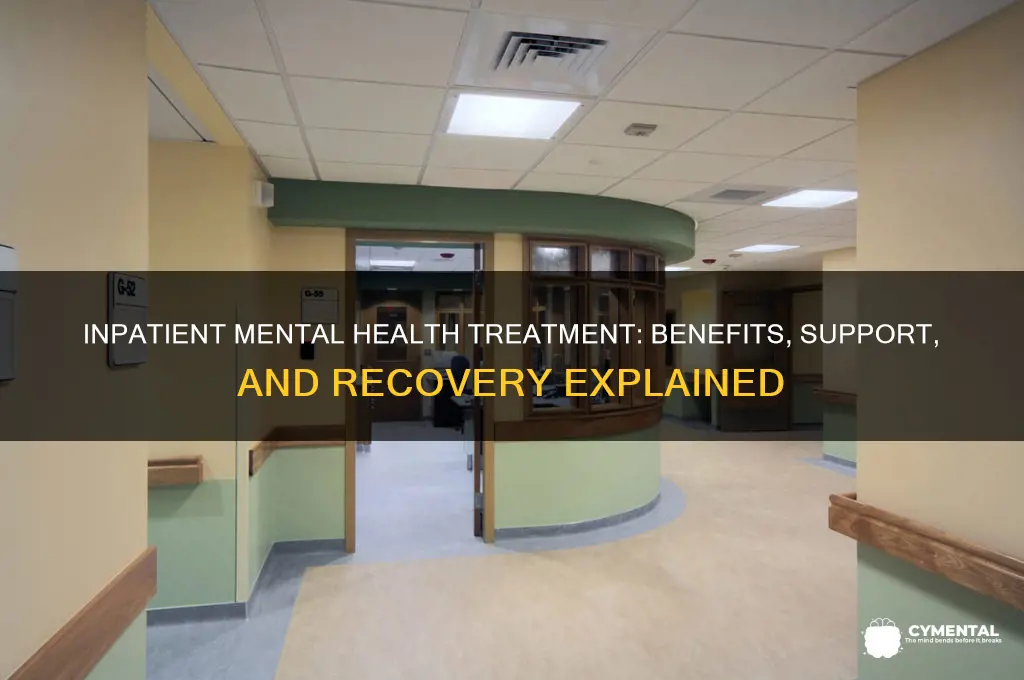
Inpatient mental health treatment offers a structured and supportive environment for individuals facing severe or acute mental health challenges, providing intensive care that is often essential for stabilization and recovery. Unlike outpatient services, inpatient programs require patients to reside within a specialized facility, where they receive 24/7 monitoring, therapy, and medication management from a multidisciplinary team of professionals. This immersive approach is particularly beneficial for those experiencing crises such as suicidal ideation, severe depression, psychosis, or substance abuse, as it removes them from potentially triggering environments and ensures immediate access to care. Through individualized treatment plans, including psychotherapy, group therapy, and holistic interventions, inpatient mental health programs aim to address underlying issues, teach coping strategies, and prepare individuals for a successful transition to less intensive levels of care, ultimately fostering long-term mental wellness and resilience.
| Characteristics | Values |
|---|---|
| Structured Environment | Provides a safe, controlled setting to stabilize acute symptoms. |
| 24/7 Monitoring | Continuous supervision by mental health professionals for safety. |
| Intensive Therapy | Access to daily individual, group, and family therapy sessions. |
| Medication Management | Immediate adjustments to medications under professional oversight. |
| Crisis Intervention | Rapid response to acute episodes of mental health crises. |
| Skill Building | Teaches coping strategies and life skills for long-term management. |
| Multidisciplinary Care | Collaboration among psychiatrists, psychologists, nurses, and therapists. |
| Detoxification Support | Assistance with substance withdrawal in dual diagnosis cases. |
| Short-Term Stabilization | Focuses on immediate symptom relief and stabilization. |
| Prevention of Self-Harm/Suicide | Reduces risk of self-harm or suicidal behavior in high-risk individuals. |
| Diagnostic Clarity | Comprehensive assessments for accurate diagnosis and treatment planning. |
| Supportive Community | Peer support and group activities to reduce isolation. |
| Transition Planning | Prepares patients for outpatient care or community reintegration. |
| Family Involvement | Educates and involves families in the treatment process. |
| Access to Resources | Connects patients with long-term support services post-discharge. |
Explore related products


$236.32 $299.99


What You'll Learn
- Structured Environment: Provides routine, safety, and stability for individuals struggling with mental health issues
- Intensive Therapy: Access to daily counseling, group therapy, and specialized treatment programs
- Medication Management: Supervised medication adjustments and monitoring for optimal symptom control
- Crisis Intervention: Immediate support for acute episodes, preventing self-harm or harm to others
- Skill Building: Teaches coping strategies, emotional regulation, and independent living skills

Structured Environment: Provides routine, safety, and stability for individuals struggling with mental health issues
Inpatient mental health treatment thrives on structure, a cornerstone often missing in the chaotic lives of those battling mental illness. Imagine a day devoid of predictable rhythms, where anxiety whispers uncertainties and depression drapes every moment in leaden gray. For many, this is the daily reality. Inpatient facilities counter this by meticulously structuring time. Meals, therapy sessions, group activities, and even leisure periods are scheduled, creating a scaffold of predictability. This routine isn't about rigidity; it's about providing a sense of control in a world that often feels uncontrollable.
A study published in the *Journal of Psychiatric Practice* found that patients experiencing severe depression showed significant improvement in mood and sleep patterns within two weeks of entering a structured inpatient program. This highlights the power of routine in recalibrating biological rhythms disrupted by mental illness.
Safety, both physical and emotional, is another critical aspect of the structured inpatient environment. 24-hour supervision ensures immediate access to support during moments of crisis, a stark contrast to the isolating vulnerability many face outside these walls. Imagine a young adult struggling with suicidal ideation. In an inpatient setting, they are never truly alone, surrounded by professionals trained to de-escalate crises and provide constant reassurance. This physical safety net allows individuals to focus on the difficult work of healing without the constant fear of self-harm or external threats.
A 2018 survey by the National Alliance on Mental Illness revealed that 78% of respondents felt safer in an inpatient setting than at home during acute episodes of their illness. This statistic underscores the profound impact of a secure environment on the recovery process.
Stability, the third pillar of the structured environment, extends beyond physical safety. It encompasses emotional and psychological consistency. Inpatient programs offer a sanctuary from the triggers and stressors of daily life, allowing individuals to step away from toxic relationships, overwhelming responsibilities, or traumatic environments. This temporary removal from the chaos allows for focused introspection and the development of coping mechanisms. Group therapy sessions, for instance, provide a stable platform for individuals to share experiences, learn from peers, and build a sense of community, countering the isolating effects of mental illness.
A structured environment doesn't erase the challenges of mental illness, but it provides a crucial foundation for healing. It offers a temporary haven where individuals can learn to manage their symptoms, develop healthy coping strategies, and rebuild a sense of control over their lives. This structured approach, with its emphasis on routine, safety, and stability, is a powerful tool in the arsenal against mental illness, offering hope and the possibility of lasting recovery.
Legal Boundaries: Can You Mandate Mental Health Treatment for Your Spouse?
You may want to see also
Explore related products


Intensive Therapy: Access to daily counseling, group therapy, and specialized treatment programs
Inpatient mental health treatment offers a unique advantage: immersion in a therapeutic environment. This is where intensive therapy shines, providing a concentrated dose of healing. Imagine a daily schedule structured around individual counseling sessions, group therapy meetings, and specialized programs tailored to your specific needs. This immersive approach allows for rapid progress, often achieving in weeks what might take months in traditional outpatient settings.
A typical day in intensive therapy might begin with a one-on-one session with a licensed therapist, delving into personal challenges and developing coping strategies. This is followed by a group therapy session, where individuals connect with peers facing similar struggles, fostering a sense of community and shared understanding. Afternoons could be dedicated to specialized programs like cognitive behavioral therapy (CBT) for anxiety, dialectical behavior therapy (DBT) for emotional regulation, or art therapy for expressive exploration.
This structured and intensive approach offers several key benefits. Firstly, the frequency of sessions allows for deeper exploration of underlying issues and faster implementation of learned skills. Secondly, the group dynamic provides invaluable peer support and a sense of belonging, combating the isolation often experienced with mental health struggles. Lastly, specialized programs address specific diagnoses and symptoms with targeted interventions, maximizing the effectiveness of treatment.
For example, a young adult struggling with severe depression might benefit from daily individual therapy to address negative thought patterns, coupled with group therapy for social skills development and a specialized program incorporating mindfulness techniques. This multi-pronged approach, delivered intensively, can lead to significant symptom reduction and improved overall well-being in a relatively short timeframe.
However, intensive therapy is not a one-size-fits-all solution. It requires a significant time commitment and can be emotionally demanding. It's crucial to consider individual needs, preferences, and the severity of the condition when deciding if this approach is suitable. Consulting with a mental health professional is essential to determine the best course of treatment.
Laughter as Therapy: How Humor Boosts Mental Health and Resilience
You may want to see also
Explore related products


Medication Management: Supervised medication adjustments and monitoring for optimal symptom control
Inpatient mental health treatment often involves a critical component: medication management. For individuals with severe or complex mental health conditions, finding the right medication and dosage can be a delicate process. This is where supervised medication adjustments and monitoring come into play, offering a structured and safe environment for optimizing symptom control.
Consider a 28-year-old patient with treatment-resistant depression, who has tried multiple antidepressants with limited success. In an inpatient setting, a multidisciplinary team, including psychiatrists and nurses, can closely observe the patient's response to medication changes. For instance, if the patient is started on a new antidepressant, such as vortioxetine 10 mg daily, the team can monitor for side effects like nausea or headaches, which typically occur within the first week. Based on the patient's progress, the dosage may be increased to 20 mg after 2 weeks, with regular assessments of mood, sleep, and appetite to gauge effectiveness.
The benefits of this approach are twofold. Firstly, it allows for rapid titration of medications, which can be particularly crucial for patients experiencing acute symptoms, such as suicidal ideation or severe anxiety. For example, a patient with bipolar disorder may require adjustments to their mood stabilizer, like lithium, with frequent blood tests to ensure therapeutic levels (0.8-1.0 mEq/L) and avoid toxicity. Secondly, inpatient medication management provides a controlled environment to identify and address potential drug interactions or adverse reactions, which can be life-threatening in some cases.
A comparative analysis of inpatient vs. outpatient medication management reveals significant advantages for the former. Inpatient settings offer daily access to medical professionals, enabling prompt interventions and reducing the risk of medication non-adherence. For elderly patients (aged 65 and above), this is especially important, as they may have multiple comorbidities and take several medications, increasing the likelihood of drug interactions. In contrast, outpatient management often relies on self-reporting and periodic check-ins, which can delay necessary adjustments.
To maximize the benefits of supervised medication management, patients should be actively involved in the process. This includes maintaining a daily symptom journal, tracking side effects, and communicating openly with the treatment team. For adolescents (aged 12-17), involving parents or caregivers in medication discussions can improve adherence and outcomes. Additionally, incorporating psychoeducation about medications, such as their mechanisms of action and potential risks, empowers patients to make informed decisions about their treatment. By combining expert supervision with patient engagement, inpatient medication management can lead to significant improvements in symptom control and overall quality of life.
Capturing Calm: How Photography Boosts Mental Health and Well-Being
You may want to see also
Explore related products


Crisis Intervention: Immediate support for acute episodes, preventing self-harm or harm to others
In the throes of a mental health crisis, every second counts. Acute episodes, characterized by severe symptoms like suicidal ideation, psychosis, or uncontrollable panic, demand immediate intervention. Inpatient mental health facilities are uniquely equipped to provide this level of urgency, offering a safe, structured environment where trained professionals can de-escalate situations and stabilize individuals before they harm themselves or others. Unlike outpatient settings, inpatient care ensures constant monitoring, rapid access to medication adjustments, and therapeutic interventions tailored to the crisis at hand.
Consider the case of a 28-year-old with bipolar disorder experiencing a manic episode, during which they exhibit aggressive behavior and delusional thinking. In an inpatient setting, a multidisciplinary team—psychiatrists, nurses, and crisis counselors—collaborates to administer antipsychotics (e.g., olanzapine 10–20 mg/day) and mood stabilizers (e.g., lithium, titrated to a therapeutic blood level of 0.8–1.0 mEq/L). Simultaneously, de-escalation techniques, such as verbal redirection and sensory modulation (dim lighting, quiet spaces), are employed to reduce agitation. This combination of pharmacological and behavioral interventions, delivered in a controlled environment, can prevent the episode from escalating into self-harm or violence.
The structure of inpatient care is itself a critical tool in crisis intervention. Patients are removed from triggering environments and placed in a setting where routines—scheduled meals, therapy sessions, and rest periods—provide predictability and stability. For instance, a 16-year-old struggling with severe depression and suicidal thoughts may benefit from a daily schedule that includes cognitive-behavioral therapy (CBT) sessions, group activities, and supervised exercise. This structured approach not only distracts from harmful impulses but also fosters a sense of safety and accountability, reducing the likelihood of self-harm.
However, crisis intervention in inpatient settings is not without challenges. Over-reliance on physical or chemical restraints can traumatize patients, while under-intervention risks catastrophic outcomes. Striking the right balance requires ongoing assessment and adaptability. For example, a patient exhibiting homicidal ideation may initially require seclusion but should be gradually reintroduced to communal spaces as their condition stabilizes. Families and caregivers must also be educated on recognizing early warning signs and de-escalation strategies to support long-term recovery.
Ultimately, the goal of crisis intervention in inpatient mental health is not just to avert immediate danger but to lay the groundwork for sustained healing. By addressing acute symptoms swiftly and comprehensively, these facilities provide a critical bridge to outpatient care, where ongoing therapy and medication management can prevent future crises. For those in the midst of a mental health emergency, inpatient care is often the lifeline that turns despair into hope, chaos into calm.
Ketamine's Role in Treating Mental Illness: Hope or Hype?
You may want to see also
Explore related products

$6.79 $14.99


Skill Building: Teaches coping strategies, emotional regulation, and independent living skills
Inpatient mental health treatment is a transformative process that goes beyond symptom management. One of its most impactful aspects is skill building, which equips individuals with practical tools to navigate life’s challenges. Coping strategies, emotional regulation techniques, and independent living skills are not just taught but practiced in a structured, supportive environment. This hands-on approach ensures that patients don’t just learn these skills—they master them, fostering resilience and self-reliance.
Consider the case of emotional regulation, a cornerstone of mental health recovery. Inpatient programs often use evidence-based methods like Dialectical Behavior Therapy (DBT), which includes mindfulness exercises, distress tolerance techniques, and emotion regulation modules. For instance, patients might practice the "DEAR MAN" skill for effective communication or the "ACCEPTS" technique to tolerate distress. These aren’t abstract concepts; they’re actionable steps that patients rehearse daily, often in group settings, to build confidence. Studies show that consistent practice of such skills can reduce emotional reactivity by up to 40% within 12 weeks of treatment.
Coping strategies are another critical component, tailored to individual needs. For someone with anxiety, this might involve progressive muscle relaxation or cognitive reframing exercises. For someone with depression, it could mean scheduling pleasurable activities or breaking tasks into manageable steps. Inpatient programs often incorporate role-playing scenarios, allowing patients to apply these strategies in simulated real-life situations. For example, a patient might practice responding to a stressful work email under therapist guidance, refining their approach until it feels natural. This repetition is key—research indicates that skills practiced 3-5 times weekly are retained 70% better than those learned passively.
Independent living skills are equally vital, particularly for individuals transitioning back to daily life. Inpatient programs often include structured activities like budgeting workshops, meal planning sessions, and time management exercises. For younger patients (ages 18-25), this might involve learning how to navigate public transportation or manage a first apartment. For older adults, it could focus on adapting to retirement or managing chronic health conditions. These skills are taught in a step-by-step format, with therapists providing immediate feedback and encouragement. A practical tip: patients are often given "skill logs" to track their progress, reinforcing accountability and self-awareness.
The beauty of inpatient skill building lies in its immersive nature. Patients aren’t just learning in a vacuum; they’re applying these skills in real-time, with professional support to guide them. This combination of instruction, practice, and feedback accelerates growth, often yielding breakthroughs that might take years in outpatient settings. For instance, a patient struggling with social anxiety might start by role-playing a conversation with a therapist, then progress to interacting with peers in a controlled group, and finally practice in community outings. This graduated exposure, paired with learned coping strategies, builds confidence exponentially.
In conclusion, skill building in inpatient mental health treatment is a dynamic, results-driven process. By teaching coping strategies, emotional regulation, and independent living skills, these programs empower individuals to reclaim control over their lives. The structured environment, combined with evidence-based techniques and immediate application, ensures that patients not only learn but internalize these skills. Whether it’s managing emotions, navigating stress, or mastering daily tasks, the tools gained in inpatient treatment lay the foundation for long-term recovery and independence.
Sports and Mental Health: Unlocking the Mind's Potential Through Physical Activity
You may want to see also
Frequently asked questions
Inpatient mental health treatment involves staying at a hospital or specialized facility for 24-hour care, typically for acute or severe mental health conditions. It differs from outpatient care, which allows individuals to receive treatment while living at home and attending scheduled appointments.
Inpatient treatment provides immediate stabilization, safety, and intensive therapy for individuals experiencing severe symptoms, suicidal thoughts, or psychosis. It offers a structured environment with constant support from mental health professionals to address acute needs.
Inpatient programs typically include individual therapy, group therapy, medication management, psychoeducation, and crisis intervention. Some facilities also offer specialized treatments like dialectical behavior therapy (DBT), cognitive behavioral therapy (CBT), and holistic approaches such as art or mindfulness therapy.