Noah Parker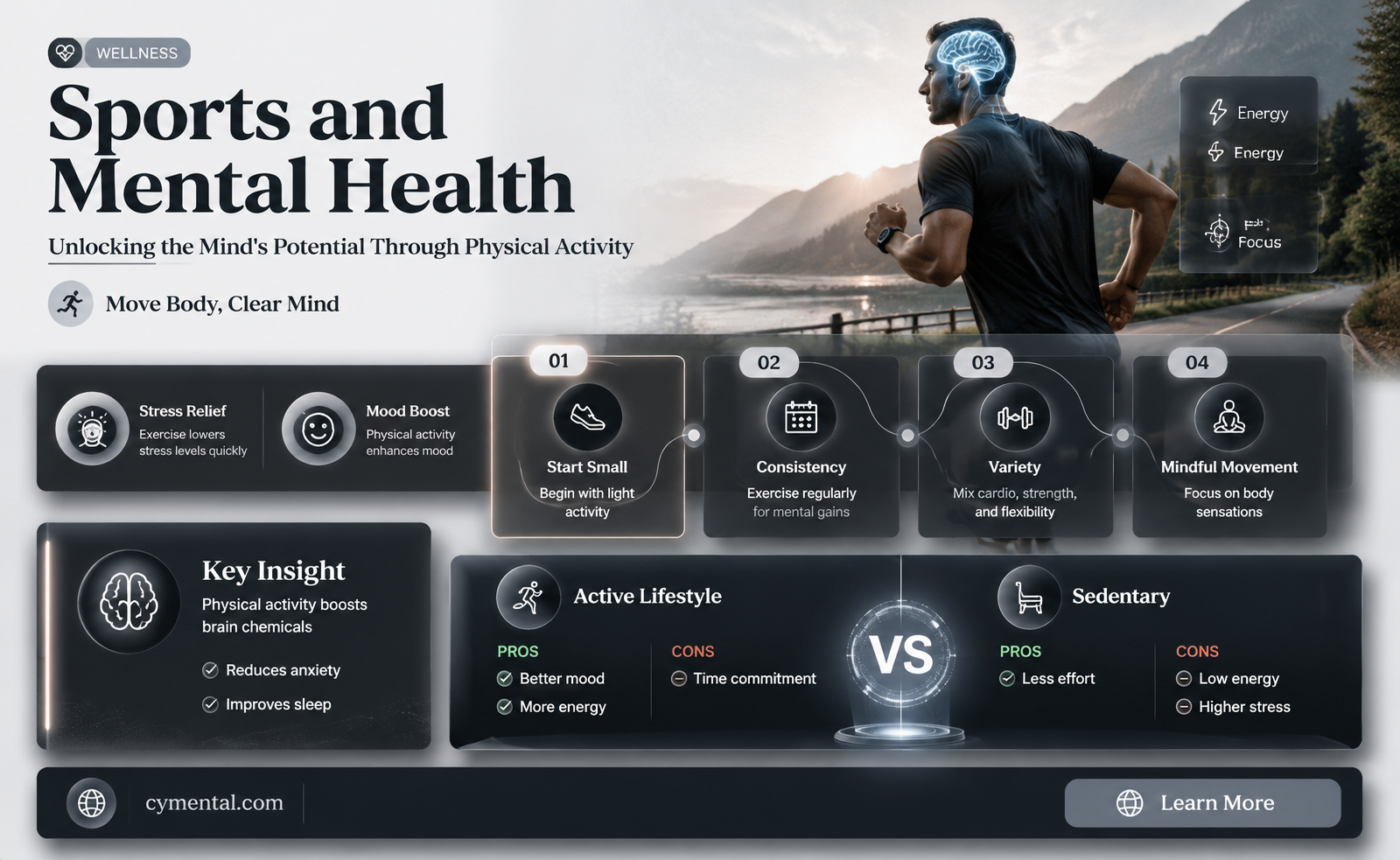
Engaging in sports has long been recognized for its physical health benefits, but its impact on mental health is equally profound. Regular participation in sports can significantly reduce symptoms of anxiety and depression, boost mood through the release of endorphins, and enhance overall emotional well-being. Beyond the biochemical effects, sports foster social connections, build self-esteem, and provide a sense of accomplishment, all of which contribute to mental resilience. Additionally, the structured nature of sports can offer a healthy coping mechanism for stress and improve focus and cognitive function. As mental health challenges continue to rise globally, exploring the role of sports as a preventive and therapeutic tool has become increasingly important, highlighting the interconnectedness of physical activity and psychological well-being.
| Characteristics | Values |
|---|---|
| Reduces Stress | Physical activity, including sports, triggers the release of endorphins, which act as natural stress relievers. Studies show a significant reduction in stress levels among regular participants in sports. |
| Alleviates Anxiety and Depression | Numerous studies indicate that engaging in sports can reduce symptoms of anxiety and depression. A meta-analysis published in the Journal of Psychiatric Research (2021) found a 26% reduction in depression symptoms among individuals participating in regular physical activity. |
| Improves Mood | Exercise, including sports, boosts serotonin and dopamine levels, neurotransmitters associated with mood regulation. A study in Frontiers in Psychology (2020) reported improved mood states in participants after just 20 minutes of moderate-intensity exercise. |
| Enhances Self-Esteem | Achieving goals, mastering skills, and experiencing progress in sports can significantly boost self-esteem and confidence. Research published in Sports Medicine (2019) highlights the positive impact of sports on self-worth, particularly in adolescents. |
| Promotes Social Connection | Team sports, in particular, foster social interaction, camaraderie, and a sense of belonging. Social support derived from sports participation is linked to improved mental well-being, as evidenced by a study in Psychology of Sport and Exercise (2022). |
| Improves Sleep Quality | Regular physical activity, including sports, is associated with better sleep quality and duration. Improved sleep, in turn, positively influences mental health, as noted in a review published in Sleep Medicine Reviews (2021). |
| Enhances Cognitive Function | Sports participation has been shown to improve cognitive function, including memory, attention, and problem-solving skills. A study in NeuroImage (2020) demonstrated increased brain plasticity and cognitive performance in individuals engaged in regular physical activity. |
| Reduces Risk of Mental Health Disorders | Longitudinal studies suggest that regular sports participation may lower the risk of developing mental health disorders, such as depression and anxiety, later in life. A study in The Lancet Psychiatry (2021) found a 20-30% reduced risk among physically active individuals. |
| Provides Structure and Routine | Engaging in sports offers a structured routine, which can be particularly beneficial for individuals struggling with mental health issues. Routine and predictability contribute to a sense of stability and control, as highlighted in a study in Mental Health and Physical Activity (2020). |
| Encourages Mindfulness | Some sports, such as yoga, tai chi, and certain martial arts, incorporate mindfulness practices, which can help reduce symptoms of anxiety and depression. A review in Sports Medicine (2021) emphasizes the therapeutic benefits of mindfulness-based sports interventions. |
Explore related products


What You'll Learn

Stress reduction through physical activity
Physical activity acts as a powerful antidote to stress, leveraging physiological and psychological mechanisms to restore calm. When you engage in exercise, your body releases endorphins, often referred to as "feel-good" hormones, which act as natural painkillers and mood elevators. Simultaneously, cortisol, the primary stress hormone, decreases, creating a biochemical environment that counters anxiety. For instance, a 30-minute brisk walk or jog can trigger these changes, making it an accessible tool for immediate stress relief. This process isn’t limited to intense workouts; even moderate activities like yoga or swimming can yield significant benefits, particularly when practiced consistently.
Consider the role of mindfulness in physical activity, a dimension often overlooked in stress reduction strategies. Activities like tai chi, Pilates, or even a focused weightlifting session demand concentration on movement and breath, diverting attention from stressors. This mental shift mimics the effects of meditation, fostering a state of flow where worries temporarily dissolve. For optimal results, integrate mindfulness into your routine by setting aside 20–30 minutes daily for such activities. Beginners might start with guided sessions, while experienced individuals can explore advanced techniques to deepen focus and relaxation.
Comparing sedentary lifestyles to active ones highlights the stark contrast in stress resilience. Studies show that individuals who engage in regular physical activity report lower stress levels and greater emotional stability compared to their inactive counterparts. For example, a 2020 study published in the *Journal of Health Psychology* found that adults who exercised for at least 150 minutes weekly experienced a 26% reduction in stress symptoms. Conversely, prolonged inactivity exacerbates stress by impairing sleep and increasing irritability. To bridge this gap, start small—replace one hour of screen time with a walk or bike ride, gradually building to the recommended weekly dosage.
Practical implementation is key to harnessing physical activity’s stress-reducing potential. For busy professionals, incorporating short bursts of activity, like a 10-minute stair climb or desk stretches, can disrupt stress cycles throughout the day. Families can turn physical activity into a bonding opportunity with games like frisbee or dance-offs, making stress relief a collective effort. Caution should be taken to avoid over-exertion, as excessive exercise can paradoxically increase stress. Listen to your body, stay hydrated, and prioritize recovery to ensure sustainability. By tailoring activities to your lifestyle and preferences, stress reduction becomes not just a goal, but a natural byproduct of movement.
Social Media's Role in Supporting Mental Health and Well-being
You may want to see also
Explore related products


Improved mood via endorphin release
Engaging in physical activity, particularly sports, triggers the release of endorphins, often referred to as the body’s "feel-good" hormones. These chemicals act as natural painkillers and mood elevators, creating a sense of euphoria and well-being. For instance, a 30-minute session of moderate-intensity exercise, such as jogging or swimming, can stimulate endorphin production, leading to an immediate improvement in mood. This effect is particularly pronounced in activities that involve rhythmic, repetitive movements, like running or cycling, which enhance the brain’s ability to release these hormones.
To maximize the endorphin boost, consistency is key. Aim for at least 150 minutes of moderate aerobic activity or 75 minutes of vigorous activity per week, as recommended by health guidelines. For older adults or those new to exercise, starting with shorter, 10-minute sessions and gradually increasing duration can be effective. Incorporating strength training twice a week further amplifies the benefits, as muscle engagement stimulates additional endorphin release. Practical tips include pairing exercise with music, which has been shown to enhance endorphin production, or participating in team sports, where social interaction adds an extra layer of mood enhancement.
While endorphins are a significant factor, their impact varies across age groups and fitness levels. Adolescents and young adults often experience a more pronounced "runner’s high" due to higher baseline energy levels, while older individuals may notice a steadier, more sustained mood lift. Caution should be exercised to avoid overtraining, as excessive physical stress can lead to fatigue and counteract the positive effects. Listening to your body and balancing intensity with recovery is crucial for maintaining the mental health benefits of endorphin release.
Comparatively, the mood-enhancing effects of endorphins from sports rival those of some pharmacological interventions, without the side effects. Studies show that regular physical activity can reduce symptoms of depression and anxiety by up to 26%, a statistic comparable to the efficacy of certain antidepressants. Unlike medication, however, exercise offers holistic benefits, including improved sleep and cognitive function. For those hesitant to start, beginning with low-impact activities like walking or yoga can still trigger endorphin release, proving that even small steps yield significant mental health gains.
Incorporating sports into your routine isn’t just about physical fitness—it’s a strategic tool for mental well-being. By understanding the science of endorphins and tailoring activities to individual needs, anyone can harness this natural mood booster. Whether through a solo run or a team game, the endorphin rush from sports provides an accessible, sustainable way to combat stress and elevate daily happiness. Start small, stay consistent, and let the chemistry of movement work in your favor.
Gardening for Mental Health: Cultivating Peace and Well-Being Naturally
You may want to see also
Explore related products


Enhanced social connections in team sports
Team sports inherently foster social connections by requiring collaboration, communication, and shared goals. Unlike individual activities, they force participants to interact regularly, creating a structured environment for building relationships. For instance, a weekly soccer practice or game ensures consistent social engagement, which is crucial for mental well-being. Research shows that adults who engage in team sports report higher levels of social support compared to those who exercise solo. This isn’t just about making friends—it’s about creating a network that reinforces a sense of belonging and reduces feelings of isolation.
Consider the mechanics of team sports: they demand trust and reliance on others. A basketball player must pass the ball, trusting their teammate will score; a rower must synchronize their strokes with the crew. These actions cultivate empathy and mutual respect, qualities that extend beyond the field or court. Studies indicate that adolescents involved in team sports exhibit better emotional regulation and social skills, likely due to the constant negotiation and cooperation required. For younger age groups (10–14 years), this can be particularly impactful, as it coincides with a developmental stage where peer relationships become central to identity formation.
However, maximizing the social benefits of team sports requires intentionality. Coaches and organizers should structure activities to encourage inclusivity, such as rotating team roles or pairing newcomers with seasoned players. For adults, joining a local recreational league or community sports group can be a low-pressure way to start. Aim for at least two sessions per week to maintain momentum and deepen connections. Caution: avoid overly competitive environments, as they can foster stress and exclusion, undermining the mental health benefits.
The takeaway is clear: team sports are a powerful tool for enhancing social connections, but their effectiveness depends on how they’re approached. By prioritizing collaboration over competition and ensuring regular participation, individuals can harness the mental health advantages of these activities. Whether you’re a teenager or a working professional, the structured social interaction of team sports offers a unique pathway to improved well-being.
Inpatient Mental Health Facilities: Effective Treatment or Temporary Relief?
You may want to see also
Explore related products


Boosted self-esteem and confidence levels
Engaging in sports provides a tangible measure of personal achievement, whether it’s mastering a new skill, improving a time, or contributing to a team win. These accomplishments act as concrete evidence of one’s capabilities, directly countering self-doubt and fostering a sense of self-worth. For instance, a teenager who learns to shoot a basketball consistently or an adult who completes their first 5K race experiences a surge in confidence rooted in observable progress. This isn’t abstract praise but proof of effort translating into results, a powerful antidote to low self-esteem.
Consider the role of structured feedback in sports. Coaches, teammates, and even self-assessment during practice offer specific, actionable insights into strengths and areas for improvement. Unlike vague compliments, this feedback is tied to performance metrics—speed, accuracy, strategy—allowing individuals to focus on measurable growth. A study in the *Journal of Sports Science & Medicine* found that athletes who received regular, constructive feedback reported higher self-efficacy compared to those who trained without guidance. For optimal results, aim for feedback sessions at least once every two weeks, balancing critique with recognition of progress.
Team sports, in particular, amplify self-esteem through shared success and interdependence. When a player scores a goal or makes a critical pass, the immediate celebration from teammates reinforces their value to the group. This dynamic is especially impactful for children and adolescents, whose identities are still forming. A 2019 report by the *British Journal of Sports Medicine* noted that youth involved in team sports exhibited 25% higher self-esteem scores than their non-athletic peers. To maximize this benefit, encourage participation in roles that highlight individual contributions within a collective effort, such as setting up plays in soccer or executing assists in basketball.
Even individual sports cultivate confidence by shifting focus from external validation to internal benchmarks. A runner tracking their pace over months or a swimmer aiming to reduce lap times learns to derive satisfaction from personal bests rather than comparisons. This inward orientation builds resilience, as setbacks become opportunities for growth rather than threats to self-worth. Incorporate goal-setting frameworks like SMART (Specific, Measurable, Achievable, Relevant, Time-bound) goals into training routines. For example, a beginner cyclist might set a goal to increase their weekly mileage by 10% each month, celebrating each milestone as a testament to their dedication.
Finally, the physical changes accompanying regular sports participation—increased strength, endurance, or agility—serve as visible reminders of one’s ability to transform through effort. This body-mind connection is particularly potent for individuals struggling with negative self-image. A 12-week study on recreational athletes published in *Psychology of Sport and Exercise* revealed that participants reported a 30% improvement in body satisfaction alongside a 20% boost in overall confidence. Pair physical training with reflective practices like journaling to connect physical achievements with mental victories, reinforcing the link between action and self-perception.
Planned Parenthood's Role in Supporting Mental Health: What You Need to Know
You may want to see also
Explore related products


Better sleep quality from regular exercise
Regular physical activity, such as playing sports, has a profound impact on sleep quality, a critical yet often overlooked aspect of mental health. Research consistently shows that individuals who engage in moderate to vigorous exercise experience deeper, more restorative sleep cycles. For instance, a study published in the *Journal of Sleep Research* found that participants who exercised for at least 150 minutes per week reported significant improvements in sleep duration and reduced insomnia symptoms compared to sedentary individuals. This isn’t just about feeling rested—better sleep directly contributes to improved mood, cognitive function, and stress resilience, all of which are essential for mental well-being.
To harness these benefits, timing matters. Exercising in the morning or afternoon is ideal, as it aligns with the body’s natural circadian rhythm and avoids interference with nighttime sleep. Evening workouts, while beneficial, should be completed at least 2–3 hours before bedtime to prevent overstimulation. For example, a 30-minute run or a game of basketball in the late afternoon can promote fatigue at the right time, signaling to your body that it’s time to wind down. Conversely, avoiding vigorous activity close to bedtime ensures that your heart rate and core temperature have time to return to baseline, facilitating easier sleep onset.
Not all exercise is created equal when it comes to sleep. Activities that combine aerobic and strength elements, such as swimming, cycling, or team sports, appear to be particularly effective. These exercises reduce cortisol levels, the stress hormone that can disrupt sleep, while increasing the production of endorphins, which promote relaxation. For older adults or those with physical limitations, low-impact sports like yoga or tai chi offer similar benefits without the strain. Even 20–30 minutes of consistent movement daily can make a noticeable difference in sleep quality over time.
Practical tips can further enhance the sleep-boosting effects of exercise. Establishing a pre-sleep routine that includes light stretching or mindfulness exercises can signal to your body that bedtime is approaching. Additionally, maintaining a cool, dark, and quiet sleep environment complements the physiological benefits of physical activity. For those struggling with sleep despite regular exercise, tracking sleep patterns using a journal or app can help identify areas for improvement. Combining these strategies with consistent physical activity creates a synergistic effect, optimizing both sleep and mental health outcomes.
In summary, better sleep quality is a tangible, science-backed benefit of regular exercise, and it plays a pivotal role in supporting mental health. By understanding the relationship between physical activity and sleep, and implementing practical strategies, individuals can unlock a powerful tool for improving overall well-being. Whether through team sports, solo workouts, or gentle movement, the key is consistency and mindfulness in how exercise integrates into daily life.
Can Faith and Divine Intervention Aid Mental Health Struggles?
You may want to see also
Frequently asked questions
Yes, playing sports can significantly improve mental health by reducing stress, anxiety, and depression. Physical activity releases endorphins, which are natural mood lifters, and provides a sense of accomplishment and self-esteem.
Engaging in sports for at least 30 minutes, 3-5 times a week, can yield noticeable mental health benefits. Consistency is key, as regular activity helps maintain stable mood and reduces symptoms of mental health issues.
Yes, team sports often have an added social benefit, fostering a sense of belonging and reducing feelings of isolation. However, individual sports can also improve mental health by promoting focus, discipline, and personal growth. Both types are valuable depending on personal preferences.