Lucas Bennett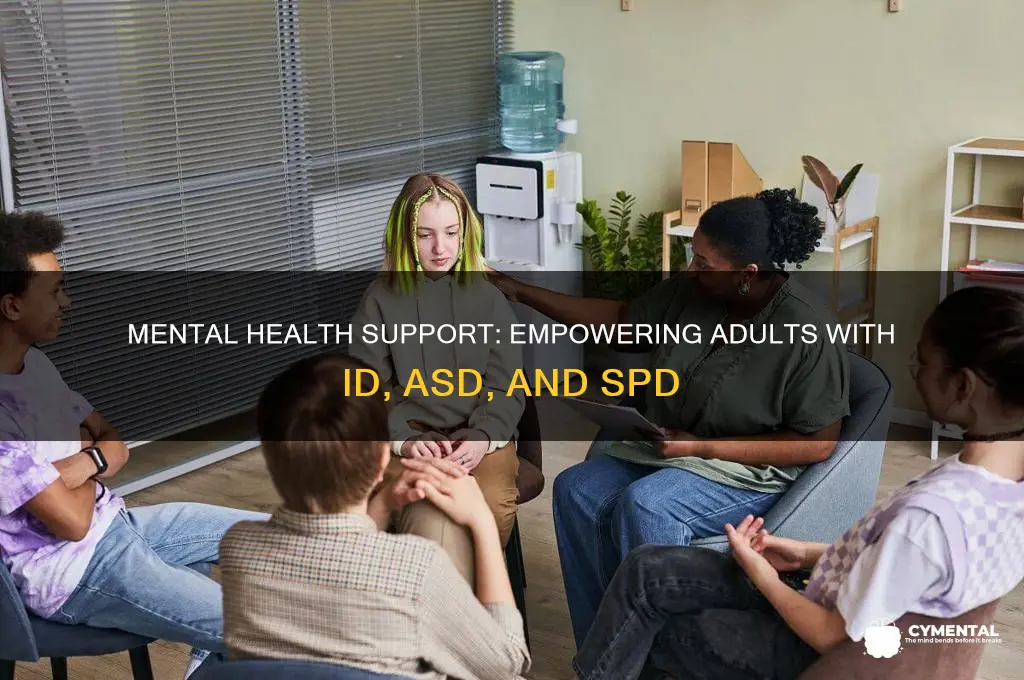
Understanding how mental health support benefits adults with intellectual disabilities (ID), autism spectrum disorder (ASD), and sensory processing disorder (SPD) is crucial for improving their overall well-being and quality of life. These individuals often face unique challenges, such as difficulties in communication, social interaction, and sensory regulation, which can exacerbate mental health issues like anxiety, depression, and stress. Tailored mental health interventions, including therapy, behavioral strategies, and sensory integration techniques, play a vital role in addressing these challenges. By fostering emotional resilience, enhancing coping mechanisms, and providing a supportive environment, mental health care empowers adults with ID, ASD, and SPD to navigate daily life more effectively, build meaningful relationships, and achieve greater independence. Recognizing and addressing their mental health needs is essential for promoting inclusivity and ensuring they lead fulfilling lives.
| Characteristics | Values |
|---|---|
| Emotional Regulation | Mental health support helps adults with ID (Intellectual Disability), ASD (Autism Spectrum Disorder), and SPD (Sensory Processing Disorder) develop strategies to manage emotions and reduce anxiety. |
| Social Skills Development | Improved mental health fosters better social interactions, communication, and relationship-building, addressing challenges common in ASD and SPD. |
| Sensory Integration | Mental health interventions, such as occupational therapy, aid in managing sensory sensitivities, reducing overwhelm, and improving daily functioning in SPD. |
| Reduced Anxiety and Depression | Targeted mental health care lowers the risk of anxiety and depression, which are often comorbid with ID, ASD, and SPD. |
| Behavioral Management | Mental health strategies help reduce challenging behaviors by addressing underlying emotional and sensory triggers. |
| Improved Self-Esteem | Supportive mental health care enhances self-worth and confidence, which can be particularly beneficial for adults with ID and ASD who may face societal stigma. |
| Cognitive Functioning | Mental health interventions can improve focus, problem-solving, and decision-making skills, aiding adults with ID and ASD in daily tasks. |
| Coping Mechanisms | Adults learn healthy coping mechanisms to deal with stress, sensory overload, and social challenges, improving overall resilience. |
| Personalized Support | Mental health care is tailored to individual needs, considering the unique profiles of ID, ASD, and SPD for effective outcomes. |
| Family and Caregiver Support | Mental health services often include resources for families and caregivers, improving the overall support system for the individual. |
| Access to Specialized Therapies | Adults gain access to therapies like CBT (Cognitive Behavioral Therapy), ABA (Applied Behavior Analysis), and sensory integration therapy, which are crucial for their specific needs. |
| Long-Term Well-Being | Consistent mental health support contributes to improved quality of life, independence, and long-term mental well-being for adults with ID, ASD, and SPD. |
Explore related products


$14.99 $29.99


What You'll Learn
- Improved coping strategies for sensory processing challenges in adults with SPD
- Enhanced emotional regulation techniques for adults with ASD and ID
- Reduced anxiety and stress management for adults with ASD and SPD
- Increased social skills development for adults with ID and ASD
- Better self-esteem and confidence building for adults with ID, ASD, and SPD

Improved coping strategies for sensory processing challenges in adults with SPD
Sensory processing challenges in adults with Sensory Processing Disorder (SPD) can significantly impact daily functioning, from overwhelming environments to difficulty regulating emotions. However, mental health interventions offer a pathway to improved coping strategies, fostering greater independence and quality of life. One effective approach is sensory integration therapy, a structured program designed to help individuals process sensory information more adaptively. This therapy often involves activities like brushing protocols, weighted blankets, or sensory diets tailored to individual needs. For instance, a 30-minute morning routine incorporating deep pressure input (e.g., using a weighted vest) can reduce hypersensitivity and improve focus throughout the day.
While sensory integration therapy is foundational, cognitive-behavioral techniques play a crucial role in managing the emotional and psychological aspects of SPD. Adults can learn to identify sensory triggers and develop proactive strategies, such as mindfulness exercises or grounding techniques. For example, a 5-minute mindfulness practice focusing on breath and body awareness can help mitigate overstimulation in crowded spaces. Pairing these techniques with a sensory toolkit—items like noise-canceling headphones or fidget tools—empowers individuals to navigate challenging environments with confidence.
A comparative analysis reveals that occupational therapy often serves as a bridge between sensory and mental health interventions. Occupational therapists work with adults to adapt daily routines, ensuring they align with sensory needs. For instance, adjusting lighting to softer tones or creating a quiet workspace can reduce sensory overload. This practical approach complements mental health strategies by addressing environmental factors, making coping mechanisms more effective. Studies show that adults who combine occupational therapy with cognitive strategies report a 40% improvement in sensory regulation within six months.
Finally, peer support and education are underutilized yet powerful tools. Adults with SPD often benefit from connecting with others who share similar experiences, reducing feelings of isolation. Support groups or online forums provide a platform to exchange coping strategies and emotional support. Additionally, educating oneself about SPD through books, webinars, or workshops can demystify sensory challenges and foster self-compassion. By integrating these resources into a holistic mental health plan, adults with SPD can transform sensory processing from a barrier into an opportunity for growth and resilience.
Healing Companions: How Animals Support Mental Health and Well-Being
You may want to see also
Explore related products


Enhanced emotional regulation techniques for adults with ASD and ID
Adults with Autism Spectrum Disorder (ASD) and Intellectual Disability (ID) often face unique challenges in managing their emotions, which can lead to heightened stress, anxiety, and behavioral outbursts. Enhanced emotional regulation techniques tailored to their needs can significantly improve their quality of life. One effective approach is the use of visual supports, such as emotion thermometers or feeling charts, which help individuals identify and communicate their emotional states. For example, a simple color-coded scale (green for calm, yellow for frustrated, red for overwhelmed) can serve as a non-verbal tool for self-expression, reducing the frustration that arises from difficulty articulating feelings.
Another powerful technique is structured sensory breaks, designed to address sensory processing difficulties common in this population. For instance, a 5-minute break involving deep pressure input (e.g., weighted blankets or firm hugs) or calming sensory activities (e.g., listening to soothing music or using a fidget toy) can help regulate the nervous system during moments of emotional escalation. Caregivers or support staff should observe and document which sensory inputs work best for the individual, as preferences vary widely. For adults over 30, incorporating familiar, age-appropriate sensory items (e.g., a favorite textured fabric or a calming scent) can enhance effectiveness.
Cognitive-behavioral strategies adapted for cognitive levels are also invaluable. Simplified versions of emotion coaching, such as labeling emotions ("You seem upset") followed by problem-solving ("Let’s take a break"), can help adults with ID and ASD connect emotions to actions. For example, a step-by-step visual script for managing anger might include: 1) Stop and breathe deeply 5 times, 2) Use the feeling chart to identify the emotion, 3) Choose a calming activity from a pre-approved list. Consistency is key; practicing these steps daily, even when not upset, reinforces their use during actual emotional episodes.
Finally, technology-assisted tools can provide innovative solutions. Apps like *Choiceworks* or *Breathe, Think, Do* offer visual schedules and emotion-regulation exercises tailored to cognitive abilities. Wearable devices, such as smartwatches with vibration alerts, can prompt individuals to check in with their emotions or take a break. For adults with limited literacy, voice-guided apps or pre-recorded messages from caregivers can be particularly useful. However, it’s crucial to ensure these tools are introduced gradually and paired with human support to avoid overwhelming the user.
Incorporating these techniques requires patience, flexibility, and ongoing assessment. What works for one individual may not work for another, and strategies should evolve as the person grows and their needs change. By combining visual, sensory, cognitive, and technological approaches, caregivers and professionals can empower adults with ASD and ID to navigate their emotions with greater confidence and independence.
Work as Therapy: Boosting Mental Health Through Purpose and Productivity
You may want to see also
Explore related products


Reduced anxiety and stress management for adults with ASD and SPD
Adults with Autism Spectrum Disorder (ASD) and Sensory Processing Disorder (SPD) often experience heightened anxiety due to sensory overload and difficulties in processing environmental stimuli. For instance, a sudden loud noise or a crowded room can trigger immediate stress responses, leading to physical symptoms like rapid heartbeat or emotional distress. Mental health interventions, such as Cognitive Behavioral Therapy (CBT), can help reframe these sensory experiences, reducing the intensity of anxiety. A study published in the *Journal of Autism and Developmental Disorders* found that CBT tailored for ASD individuals significantly lowered anxiety levels by teaching them to identify and challenge irrational thoughts triggered by sensory inputs.
One practical strategy for stress management involves creating a "sensory diet," a structured schedule of activities designed to regulate sensory input throughout the day. For example, an adult with SPD might benefit from 15 minutes of deep pressure therapy using a weighted blanket in the morning, followed by a quiet, dimly lit workspace to minimize visual and auditory distractions. Occupational therapists often recommend this approach, emphasizing consistency and personalization to meet individual sensory needs. Pairing this with mindfulness techniques, such as deep breathing exercises for 5–10 minutes daily, can further enhance emotional regulation and reduce stress.
Comparing traditional stress management techniques to those tailored for ASD and SPD highlights the importance of customization. While general stress-relief methods like yoga or meditation can be beneficial, they may need adaptation. For instance, a yoga class with bright lights and background music could overwhelm someone with SPD. Instead, a modified session in a calm, controlled environment with clear, step-by-step instructions can be more effective. This tailored approach ensures that the intervention addresses the root causes of anxiety rather than exacerbating them.
A persuasive argument for prioritizing mental health in this context is the long-term impact on quality of life. Chronic anxiety and stress can lead to social isolation, reduced productivity, and even physical health issues like insomnia or gastrointestinal problems. By investing in targeted mental health strategies, adults with ASD and SPD can build resilience, improve social interactions, and enhance overall well-being. For example, group therapy sessions focused on social skills and stress management have been shown to foster a sense of community and reduce feelings of loneliness, a common challenge for this population.
In conclusion, reducing anxiety and managing stress for adults with ASD and SPD requires a multifaceted, individualized approach. Combining evidence-based therapies like CBT with practical strategies like sensory diets and mindfulness can create a robust framework for emotional regulation. By addressing sensory sensitivities and teaching adaptive coping mechanisms, mental health interventions empower individuals to navigate their environments with greater ease and confidence. This not only alleviates immediate distress but also lays the foundation for a more fulfilling, independent life.
Dance Your Way to Better Mental and Physical Health
You may want to see also
Explore related products
$10.99 $18.99



Increased social skills development for adults with ID and ASD
Adults with intellectual disabilities (ID) and autism spectrum disorder (ASD) often face significant challenges in social interactions, which can impact their quality of life and independence. Mental health interventions play a pivotal role in fostering social skills development, offering structured support to navigate complex social landscapes. One effective approach is Social Skills Training (SST), a behavioral therapy that teaches specific skills through role-playing, modeling, and feedback. For instance, a 12-week SST program focusing on initiating conversations, maintaining eye contact, and interpreting nonverbal cues has shown measurable improvements in social engagement among adults aged 25–40 with ID and ASD. These skills are not innate but can be learned and refined with consistent practice and professional guidance.
Consider the PEERS program, a widely recognized curriculum designed for adolescents and adults with ASD, which has been adapted for those with ID. This evidence-based intervention breaks down social interactions into manageable steps, such as entering group conversations or handling disagreements. Participants meet weekly for 1.5-hour sessions over 14 weeks, with caregivers attending separate sessions to reinforce skills at home. Research indicates that adults who complete PEERS report increased confidence and more frequent social interactions, highlighting the importance of structured, goal-oriented training in bridging social gaps.
However, social skills development is not solely about acquiring new behaviors; it also involves addressing underlying anxiety and sensory processing difficulties common in this population. Cognitive Behavioral Therapy (CBT) tailored for adults with ID and ASD can help reframe negative thoughts about social situations, reducing avoidance behaviors. For example, a CBT session might focus on identifying and challenging the belief, "People will judge me if I speak up," replacing it with, "Sharing my thoughts can lead to meaningful connections." Combining CBT with sensory integration strategies, such as using noise-canceling headphones in group settings, can create a more comfortable environment for skill practice.
Practical tips for caregivers and support workers include incorporating social skills into daily routines. For instance, during mealtimes, encourage turn-taking in conversations or practice active listening by summarizing what the other person has said. Visual aids, like social scripts or emotion charts, can also serve as reminders in real-time interactions. It’s crucial to celebrate small victories, such as initiating a greeting or maintaining a brief conversation, to build motivation and self-esteem.
In conclusion, increased social skills development for adults with ID and ASD is a multifaceted process that requires tailored interventions, consistent practice, and a supportive environment. By combining structured programs like SST and PEERS with therapeutic approaches like CBT, individuals can overcome barriers to social engagement. Caregivers and professionals play a vital role in embedding these skills into everyday life, fostering independence and meaningful connections. With the right tools and mindset, social growth is not just possible—it’s achievable.
Nutrition's Impact: How Balanced Diets Boost Mental Well-being
You may want to see also
Explore related products


Better self-esteem and confidence building for adults with ID, ASD, and SPD
Adults with Intellectual Disabilities (ID), Autism Spectrum Disorder (ASD), and Sensory Processing Disorder (SPD) often face unique challenges that can erode self-esteem and confidence. These challenges may stem from societal misconceptions, sensory overload, or difficulties with social interactions. However, targeted mental health interventions can significantly bolster self-esteem and confidence, fostering a more fulfilling and independent life.
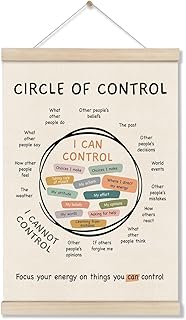
One effective strategy is structured, goal-oriented therapy tailored to individual needs. For instance, Cognitive Behavioral Therapy (CBT) adapted for neurodivergent adults can help reframe negative self-perceptions. A practical example is breaking down larger tasks into manageable steps, such as learning to cook a simple meal. Each small success builds confidence, reinforcing the belief in one’s abilities. For adults with SPD, incorporating sensory-friendly environments during therapy sessions—like dim lighting or noise-canceling headphones—can reduce anxiety and enhance focus, making progress more attainable.
Another powerful tool is social skills training combined with self-advocacy education. Adults with ASD, for example, may struggle with social cues but thrive when taught explicit strategies for communication. Role-playing scenarios, such as asking for help at a store or expressing boundaries, can demystify social interactions and reduce fear of judgment. Pairing this with self-advocacy training empowers individuals to articulate their needs confidently, whether requesting accommodations at work or explaining their sensory sensitivities to others.
Physical activity and creative expression also play a vital role in building self-esteem. Engaging in activities like yoga, painting, or music therapy provides a non-verbal outlet for emotions and fosters a sense of accomplishment. For adults with ID, participating in group sports or dance classes can improve motor skills and social connections, while those with SPD may benefit from sensory-integrated activities like gardening or drumming, which combine tactile experiences with creativity.
Finally, support networks are indispensable. Peer support groups specifically for adults with ID, ASD, or SPD offer a safe space to share experiences and celebrate achievements. Mentorship programs, where individuals are paired with someone who has navigated similar challenges, can provide tangible examples of success and resilience. Families and caregivers should also be educated on how to offer constructive praise and encouragement, focusing on strengths rather than limitations.
By combining these approaches, mental health interventions can transform self-esteem and confidence for adults with ID, ASD, and SPD. The key lies in personalization, patience, and creating environments where every small victory is acknowledged and celebrated.
Understanding Mental Disorders: Enhancing Empathy and Effectiveness in Teaching
You may want to see also
Frequently asked questions
Mental health support helps adults with ID, ASD, and SpLD by addressing co-occurring conditions like anxiety, depression, or stress, which are common in these populations. Tailored interventions improve emotional regulation, coping strategies, and overall well-being, enhancing their ability to navigate daily challenges.
Mental health support teaches skills for social communication, empathy, and relationship-building, which are often areas of difficulty for these individuals. Therapy and counseling can reduce social anxiety and improve confidence, fostering more meaningful connections with others.
Mental health professionals can provide strategies to cope with sensory processing difficulties, such as mindfulness techniques, sensory diets, or environmental adjustments. These approaches reduce overwhelm and improve comfort in daily environments.
Early mental health intervention prevents the worsening of emotional or behavioral challenges and promotes long-term resilience. It equips individuals with tools to manage stress, adapt to changes, and maintain independence, leading to a higher quality of life.