Caleb Wright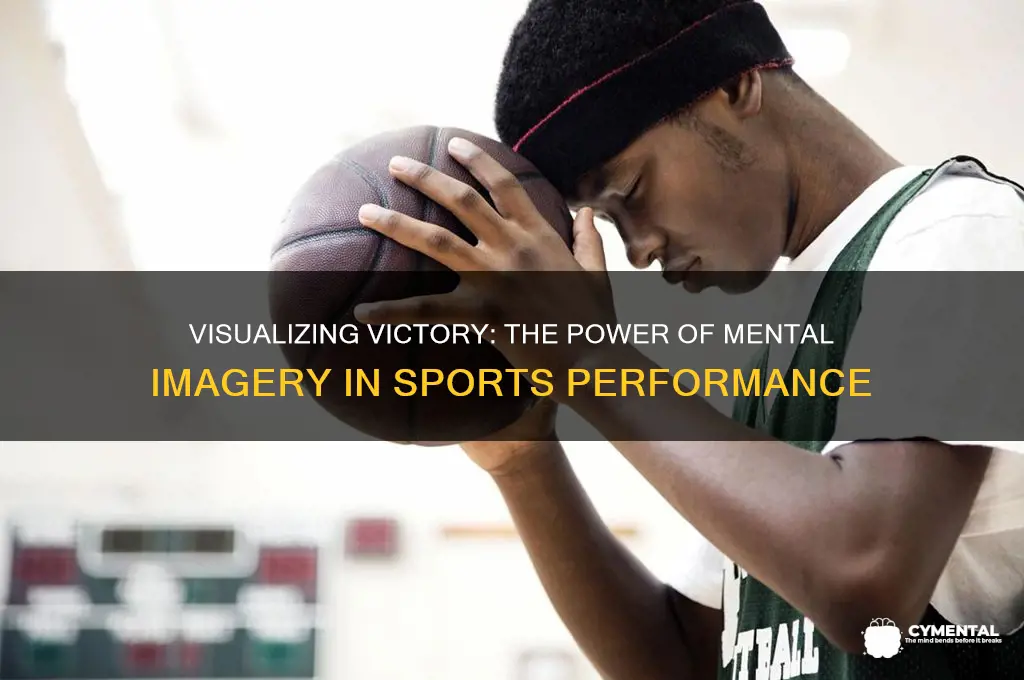
Mental imagery, often referred to as visualization, is a powerful tool in sports psychology that involves creating vivid, detailed mental representations of specific actions, movements, or scenarios. Athletes use this technique to simulate performance in their minds, rehearsing skills, strategies, and even emotional responses to high-pressure situations. By engaging the same neural pathways activated during physical practice, mental imagery enhances muscle memory, improves focus, and boosts confidence. It allows athletes to mentally prepare for competitions, refine techniques, and overcome performance anxiety by visualizing success. Studies have shown that combining mental imagery with physical training can lead to significant improvements in performance, making it an essential component of an athlete’s preparation regimen. Whether it’s a gymnast perfecting a routine or a golfer visualizing the perfect swing, mental imagery bridges the gap between mind and body, unlocking potential and fostering excellence in sports.
| Characteristics | Values |
|---|---|
| Enhances Performance | Mental imagery improves technique, decision-making, and execution by simulating real scenarios. |
| Builds Confidence | Visualizing success reinforces self-belief and reduces performance anxiety. |
| Improves Focus | Helps athletes concentrate on specific tasks or movements during competition. |
| Facilitates Skill Learning | Mental rehearsal aids in mastering new skills or refining existing ones. |
| Reduces Anxiety | Visualization of positive outcomes decreases pre-competition stress and nervousness. |
| Enhances Motivation | Imagining goals and achievements boosts drive and commitment to training. |
| Improves Recovery | Mental imagery can aid in physical and psychological recovery from injuries or fatigue. |
| Increases Mental Toughness | Regular practice strengthens resilience and ability to cope under pressure. |
| Optimizes Strategy | Athletes can mentally simulate game plans and adapt to different scenarios. |
| Strengthens Muscle Memory | Visualization activates neural pathways, reinforcing physical movements without practice. |
| Enhances Emotional Control | Helps athletes manage emotions like anger or frustration during competition. |
| Improves Time Management | Mental imagery allows athletes to rehearse pacing and timing in events. |
| Boosts Creativity | Encourages innovative problem-solving and adaptability in dynamic sports situations. |
| Supports Rehabilitation | Injured athletes use imagery to maintain skills and confidence during recovery. |
| Enhances Team Dynamics | Shared mental imagery exercises improve coordination and communication among teammates. |
Explore related products


What You'll Learn
- Enhances performance visualization, mentally rehearsing skills to improve execution and confidence during actual competition
- Boosts motivation, creating vivid success images to drive focus and goal-directed behavior in athletes
- Improves technique, allowing athletes to refine movements and strategies through detailed mental simulations
- Reduces anxiety, using calming imagery to manage pre-competition stress and maintain mental composure
- Aids recovery, visualizing healing processes to accelerate physical and psychological rehabilitation after injuries

Enhances performance visualization, mentally rehearsing skills to improve execution and confidence during actual competition
Mental imagery, often referred to as visualization, is a powerful tool that athletes across disciplines use to enhance their performance. By mentally rehearsing skills, athletes can improve their execution and build confidence, translating to better outcomes during actual competition. This technique leverages the brain’s ability to simulate real-world scenarios, allowing athletes to refine movements, strategies, and responses without physical exertion. For instance, a gymnast might visualize a perfect vault landing, focusing on every detail from takeoff to dismount, to reinforce muscle memory and reduce anxiety.
To effectively use mental imagery, athletes should follow a structured approach. Start by setting aside 10–15 minutes daily in a quiet, distraction-free environment. Close your eyes and vividly imagine performing a specific skill or routine, engaging all senses—sight, sound, touch, and even emotion. For example, a basketball player could visualize shooting free throws, feeling the ball’s texture, hearing the crowd, and experiencing the satisfaction of a successful shot. Consistency is key; practicing this daily for at least 4 weeks has been shown to yield measurable improvements in performance. Younger athletes (ages 12–18) may benefit from guided imagery sessions led by a coach or sports psychologist to ensure clarity and focus.
While mental imagery is highly effective, it’s important to avoid common pitfalls. One mistake is visualizing failure or negative outcomes, which can reinforce anxiety rather than confidence. Instead, focus exclusively on successful execution. Another caution is over-relying on imagery without physical practice. Mental rehearsal complements, but does not replace, physical training. For optimal results, integrate both methods, using imagery to refine technique and physical practice to solidify it. Elite athletes often use a 70:30 ratio of physical to mental training during peak competition periods.
The science behind mental imagery’s effectiveness lies in its ability to activate the same neural pathways as physical practice. Studies show that visualizing a movement stimulates the motor cortex, enhancing muscle memory and coordination. Additionally, it reduces performance anxiety by familiarizing athletes with high-pressure situations. For instance, a study on Olympic athletes found that those who incorporated mental imagery into their training reported higher confidence levels and performed 15–20% better under stress. This technique is particularly valuable for sports with limited physical practice opportunities, such as skiing or diving, where mental rehearsal can bridge the gap between training sessions.
Incorporating mental imagery into an athlete’s routine requires intentionality and creativity. For team sports, visualize not only individual skills but also game scenarios, such as coordinating a play or reacting to an opponent’s move. Use tools like video analysis to enhance visualization accuracy, rewatching footage of successful performances to reinforce positive mental images. For younger athletes, gamify the process by turning visualization into a challenge, such as imagining performing a skill in increasingly difficult conditions. By making mental imagery a consistent, dynamic part of training, athletes can unlock their full potential and approach competition with unwavering confidence.
Supporting Mr. Robot: How Friends Can Aid Dissociative Identity Disorder
You may want to see also
Explore related products


Boosts motivation, creating vivid success images to drive focus and goal-directed behavior in athletes
Mental imagery serves as a powerful motivator in sports by creating vivid, emotionally charged visions of success. When athletes mentally rehearse achieving their goals—crossing the finish line first, sinking the winning shot, or executing a flawless routine—they activate the brain’s reward system. This process triggers the release of dopamine, a neurotransmitter linked to motivation and pleasure, effectively priming the athlete to pursue their objectives with heightened drive. For instance, a study published in *Psychology of Sport and Exercise* found that athletes who engaged in success-based imagery reported significantly higher levels of self-confidence and intrinsic motivation compared to those who did not.
To harness this effect, athletes should dedicate 10–15 minutes daily to visualizing their ideal performance. Start by finding a quiet space, closing your eyes, and focusing on the sensory details: the feel of the equipment, the sounds of the crowd, the smell of the field. Imagine every step of the process, from preparation to execution, ensuring the imagery is as vivid and emotionally engaging as possible. For younger athletes (ages 12–18), coaches can guide this practice by providing specific scenarios, such as visualizing a perfect serve in tennis or a successful vault in gymnastics. Consistency is key; integrating this routine into pre-training or pre-competition rituals maximizes its motivational impact.
While success imagery is potent, it’s crucial to balance it with realistic expectations. Over-reliance on idealized outcomes can lead to frustration if performance falls short. Athletes should pair success imagery with problem-solving visualizations, imagining how they would respond to setbacks or challenges. This dual approach fosters resilience and ensures motivation remains sustainable. For example, a marathon runner might visualize maintaining pace despite fatigue or adjusting strategy if weather conditions worsen. This balanced mindset keeps athletes focused on the process, not just the outcome.
The effectiveness of mental imagery in boosting motivation is further amplified when combined with goal-setting techniques. Athletes should align their visualizations with specific, measurable, and time-bound goals. For instance, a swimmer aiming to improve their 100-meter freestyle time by one second can visualize shaving off fractions of time during each lap. This synergy between imagery and goal-setting creates a clear roadmap for action, transforming abstract aspirations into tangible steps. Coaches and sports psychologists can enhance this process by helping athletes break down long-term goals into smaller, achievable milestones, making the imagery more actionable and the motivation more enduring.
Incorporating mental imagery into an athlete’s routine is not just a mental exercise—it’s a strategic tool for cultivating unwavering focus and goal-directed behavior. By consistently creating vivid success images, athletes can tap into a wellspring of motivation that propels them through training and competition. Whether you’re a seasoned professional or an aspiring amateur, this practice offers a proven pathway to unlocking your full potential. Start today, and watch as your mental victories translate into real-world achievements.
Can Your GP Support Mental Health? Exploring Primary Care Options
You may want to see also
Explore related products




Improves technique, allowing athletes to refine movements and strategies through detailed mental simulations
Mental imagery serves as a powerful tool for athletes to refine their techniques, acting as a bridge between theoretical knowledge and physical execution. By mentally simulating movements and strategies, athletes can dissect each component of their performance, identifying inefficiencies or errors without the physical strain of repeated practice. This process allows for precise adjustments, such as altering the angle of a tennis serve or the timing of a sprint start, which can later be translated into actual performance improvements. For instance, a study published in *Journal of Applied Sport Psychology* found that golfers who used mental imagery to visualize their swings showed a 20% improvement in accuracy compared to those who relied solely on physical practice.
To harness this benefit, athletes should incorporate structured mental imagery sessions into their training routines. Begin by setting aside 10–15 minutes daily in a quiet, distraction-free environment. Close your eyes and vividly imagine executing a specific skill or sequence, focusing on sensory details like the feel of the equipment, the sound of the environment, and the rhythm of your movements. For example, a swimmer might visualize the glide through the water, the push-off from the wall, and the stroke cadence. Pairing this with deep breathing can enhance focus and realism. Coaches can guide younger athletes (ages 12–18) by providing scripts or recordings to ensure clarity and consistency in their mental simulations.
While mental imagery is effective, it’s crucial to avoid common pitfalls that can diminish its impact. One mistake is treating it as a passive activity; instead, engage actively by questioning and refining each step of the simulation. For instance, a gymnast might ask, “Is my body alignment optimal during this dismount?” or “How can I adjust my momentum for a smoother landing?” Additionally, overloading the mind with too many details at once can lead to frustration. Start with simpler sequences and gradually increase complexity as mastery improves. Athletes should also balance mental practice with physical training, as the two reinforce each other synergistically.
Comparing mental imagery to traditional video analysis highlights its unique advantages. While video review provides external feedback, mental imagery allows athletes to experience the movement internally, fostering a deeper proprioceptive understanding. For example, a basketball player can mentally rehearse a free throw, focusing on the wrist snap and follow-through, whereas video analysis might only capture the arc of the ball. Combining both methods can yield comprehensive improvements, particularly for elite athletes seeking marginal gains. A study in *Sports Medicine* noted that athletes who integrated mental imagery with physical practice demonstrated a 15% faster skill acquisition rate than those using physical practice alone.
In conclusion, mental imagery is not merely a supplementary tool but a transformative practice for refining technique. By systematically visualizing and refining movements, athletes can achieve precision and consistency that physical training alone may not provide. Whether you’re a novice or a professional, dedicating time to detailed mental simulations can unlock new levels of performance. Start small, stay consistent, and watch as your mental rehearsals translate into tangible results on the field, court, or track.
Nourish Your Mind: The Surprising Link Between Eating and Mental Health
You may want to see also
Explore related products




Reduces anxiety, using calming imagery to manage pre-competition stress and maintain mental composure
Pre-competition jitters can cripple even the most talented athletes. Heart racing, palms sweating, negative thoughts spiraling – these are all symptoms of performance anxiety that can sabotage focus and execution. Mental imagery, specifically calming imagery, offers a powerful antidote.
Imagine this: a gymnast, moments before her floor routine, closes her eyes. She visualizes herself standing at the edge of a serene beach, the warm sun on her skin, the rhythmic crash of waves lulling her into a state of calm. This isn't mere daydreaming; it's a deliberate practice with physiological effects. Studies show that such imagery activates the parasympathetic nervous system, responsible for the "rest and digest" response, counteracting the fight-or-flight surge of adrenaline.
Heart rate slows, breathing deepens, and muscle tension melts away.
The key lies in specificity and repetition. Athletes should craft personalized calming scenes, engaging all senses. What do they see, hear, feel, smell, even taste in their mental sanctuary? A forest with birdsong and pine scent? A cozy cabin with a crackling fireplace? The more vivid and detailed the imagery, the more effective it becomes. Regular practice, ideally 10-15 minutes daily, trains the mind to access this state of calm on demand, even in the pressure cooker of competition.
Think of it as building a mental muscle, one that flexes to keep anxiety at bay.
While calming imagery is a potent tool, it's not a magic bullet. It's most effective when integrated into a comprehensive mental training regimen that includes goal setting, self-talk, and mindfulness techniques. Athletes should also be mindful of potential pitfalls. Forcing relaxation can sometimes backfire, leading to frustration. If calming imagery feels unnatural, start with shorter sessions and gradually increase duration. Remember, the goal is not to eliminate all nerves – a healthy dose of pre-competition arousal can enhance performance – but to prevent anxiety from becoming debilitating.
Masturbation and Mental Health: Uncovering the Surprising Benefits and Myths
You may want to see also
Explore related products


Aids recovery, visualizing healing processes to accelerate physical and psychological rehabilitation after injuries
Mental imagery, often referred to as visualization, plays a pivotal role in accelerating recovery from sports injuries. By mentally rehearsing the healing process, athletes can significantly influence both physical and psychological rehabilitation. This technique leverages the brain’s ability to simulate real-world experiences, fostering a proactive approach to recovery rather than passive waiting. For instance, a study published in *Psychology of Sport and Exercise* found that athletes who used mental imagery during recovery reported reduced pain levels and faster return-to-play times compared to those who did not.
To implement this strategy effectively, athletes should dedicate 10–15 minutes daily to visualization exercises. Begin by finding a quiet space and closing your eyes. Focus on the injured area, imagining it bathed in healing light or energy. Picture the damaged tissues regenerating, cells multiplying, and strength returning. Incorporate sensory details—feel the warmth of healing, hear the metaphorical hum of recovery, and visualize the injury fading away. For psychological recovery, imagine yourself confidently returning to sport, executing movements with ease and precision. This dual focus ensures holistic rehabilitation.
A critical aspect of this practice is consistency. Just as physical therapy requires regular sessions, mental imagery must be integrated into a daily routine. Athletes aged 18–35, who often face high-pressure recovery timelines, can benefit particularly from this approach. However, younger athletes (under 18) may require guided imagery sessions to maintain focus and avoid frustration. Coaches and trainers should emphasize that mental imagery complements, rather than replaces, traditional medical treatments.
Comparatively, mental imagery offers a low-cost, non-invasive tool that empowers athletes to actively participate in their recovery. Unlike passive treatments like rest or medication, visualization engages the mind, fostering a sense of control and optimism. For example, a soccer player recovering from an ACL tear might visualize their knee regaining stability while also mentally rehearsing their first game back. This dual-pronged approach not only accelerates physical healing but also rebuilds confidence, a critical factor in preventing re-injury.
In conclusion, visualizing healing processes is a powerful yet underutilized tool in sports recovery. By dedicating time to mental imagery, athletes can enhance both physical and psychological rehabilitation, reducing recovery times and improving outcomes. Practical, consistent application—coupled with professional medical advice—ensures this technique becomes a cornerstone of effective injury management.
Nicotine and Mental Health: Exploring the Complex Relationship and Effects
You may want to see also
Frequently asked questions
Mental imagery helps athletes improve performance by rehearsing skills, strategies, and movements in their minds, which strengthens neural pathways and enhances muscle memory. It also boosts confidence and prepares athletes for competition by simulating real-world scenarios.
Yes, mental imagery can reduce anxiety by familiarizing athletes with competition environments, routines, and potential challenges. Visualizing successful outcomes and coping strategies helps calm nerves and fosters a sense of control.
Both visual (seeing the action) and kinesthetic (feeling the movement) imagery are effective. Combining these types helps athletes fully engage their senses, making the mental rehearsal more realistic and impactful.
Consistency is key. Athletes should practice mental imagery daily, especially before training sessions, competitions, or when recovering from injuries. Short, focused sessions of 5–15 minutes are often most effective.