Harper Lewis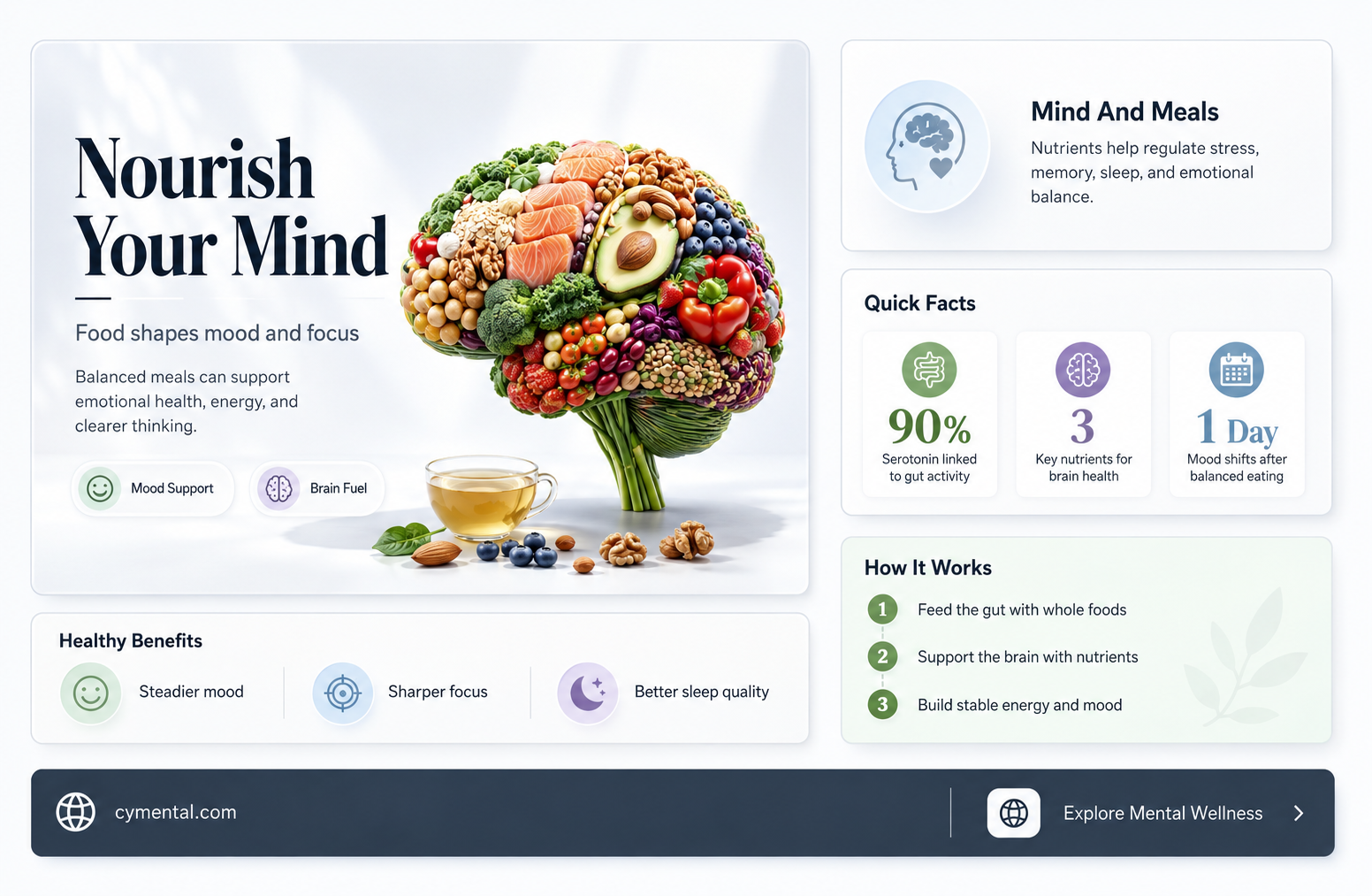
Eating plays a crucial role in supporting mental health by providing the brain with essential nutrients that influence mood, cognition, and overall emotional well-being. A balanced diet rich in omega-3 fatty acids, vitamins (such as B and D), minerals (like magnesium and zinc), and antioxidants can reduce symptoms of anxiety, depression, and stress while promoting neurotransmitter function and brain health. Additionally, mindful eating habits, such as regular meals and hydration, stabilize blood sugar levels, which can prevent mood swings and irritability. Beyond nutrition, the act of sharing meals or cooking can foster social connections and a sense of purpose, further enhancing mental resilience. Thus, food is not only fuel for the body but also a powerful tool for nurturing the mind.
| Characteristics | Values |
|---|---|
| Nutrient Impact on Brain Function | Essential nutrients like omega-3 fatty acids, vitamins (B, D), and minerals (zinc, magnesium) support neurotransmitter production and brain health, reducing symptoms of depression and anxiety. |
| Gut-Brain Axis | A healthy gut microbiome, supported by fiber, probiotics (yogurt, kefir), and prebiotics (garlic, bananas), improves mood regulation and reduces stress through the vagus nerve connection. |
| Blood Sugar Stability | Balanced meals with complex carbs, proteins, and healthy fats stabilize blood sugar levels, preventing mood swings, irritability, and fatigue. |
| Anti-Inflammatory Foods | Foods rich in antioxidants (berries, leafy greens, nuts) reduce systemic inflammation, linked to lower risks of depression and cognitive decline. |
| Hydration | Proper hydration (water, herbal teas) enhances cognitive function, reduces anxiety, and improves overall mental clarity. |
| Amino Acids and Mood | Foods high in tryptophan (turkey, eggs, nuts) boost serotonin production, promoting feelings of well-being and happiness. |
| Regular Meal Patterns | Consistent eating habits regulate circadian rhythms, improve sleep quality, and reduce stress hormone (cortisol) levels. |
| Mindful Eating | Practicing mindful eating reduces emotional eating, enhances satisfaction, and fosters a positive relationship with food, improving mental health. |
| Avoiding Processed Foods | Limiting processed foods (high in sugar, trans fats) reduces inflammation and oxidative stress, which are linked to mental health disorders. |
| Social Connection | Sharing meals with others fosters social support, reduces loneliness, and positively impacts mental well-being. |
| Caffeine and Alcohol Moderation | Reducing caffeine and alcohol intake minimizes anxiety, sleep disturbances, and mood fluctuations, promoting mental stability. |
| Personalized Diet | Tailoring diets to individual needs (e.g., gluten-free for sensitivities) can alleviate mental health symptoms and improve overall quality of life. |
| Long-Term Benefits | Consistent healthy eating habits are associated with reduced risks of mental health disorders like depression, anxiety, and cognitive decline over time. |
Explore related products


What You'll Learn
- Nutrient-rich foods boost brain function and mood regulation
- Omega-3s reduce anxiety and depression symptoms effectively
- Probiotics in gut health improve mental well-being significantly
- Stable blood sugar levels prevent mood swings and irritability
- Hydration enhances cognitive function and emotional stability

Nutrient-rich foods boost brain function and mood regulation
The brain, a voracious energy consumer, demands a constant supply of nutrients to function optimally. Think of it as a high-performance engine – it needs premium fuel for peak performance. This is where nutrient-rich foods come in, acting as the octane boost your brain craves.
Essential fatty acids, particularly omega-3s found in fatty fish like salmon and walnuts, are the building blocks of brain cell membranes, facilitating communication between neurons and influencing mood-regulating neurotransmitters like serotonin. Studies suggest a diet rich in omega-3s can alleviate symptoms of depression and anxiety, highlighting their role in emotional well-being.
Consider the B-vitamin complex, a team of nutrients working in tandem to support brain health. Vitamin B6, abundant in chickpeas and bananas, aids in the production of dopamine and serotonin, neurotransmitters crucial for mood regulation and motivation. Folate, found in leafy greens and lentils, plays a vital role in synthesizing these neurotransmitters, while vitamin B12, present in animal products and fortified foods, is essential for nerve function and cognitive performance. A deficiency in any of these B vitamins can lead to fatigue, irritability, and even depression, underscoring their collective importance.
Minding your micronutrient intake is just as crucial. Zinc, found in oysters, pumpkin seeds, and legumes, is involved in neurotransmitter function and synaptic plasticity, the brain's ability to adapt and learn. Iron, abundant in red meat, spinach, and lentils, is essential for oxygen delivery to the brain, with deficiencies linked to cognitive impairment and fatigue.
Incorporating these nutrient-rich foods into your diet doesn't require a complete overhaul. Start small: swap refined carbohydrates for whole grains, incorporate fatty fish into your meals twice a week, snack on nuts and seeds, and aim for a colorful plate filled with fruits and vegetables. Remember, consistency is key. By fueling your brain with the right nutrients, you're investing in your mental well-being, one delicious bite at a time.
Should You Seek Mental Health Support? Signs and Guidance
You may want to see also
Explore related products


Omega-3s reduce anxiety and depression symptoms effectively
Omega-3 fatty acids, particularly EPA (eicosapentaenoic acid) and DHA (docosahexaenoic acid), have emerged as powerful allies in the fight against anxiety and depression. Research consistently shows that these essential nutrients, found in fatty fish like salmon, mackerel, and sardines, can significantly reduce symptoms of these mental health conditions. A meta-analysis published in *JAMA Network Open* found that omega-3 supplementation led to a notable reduction in anxiety symptoms, particularly in individuals with clinical diagnoses. Similarly, studies in *The American Journal of Psychiatry* highlight its effectiveness in alleviating depressive symptoms, especially when combined with traditional treatments.
To harness these benefits, aim for a daily intake of 1,000–2,000 mg of combined EPA and DHA. For those who don’t consume fish regularly, high-quality fish oil supplements are a practical alternative. Look for products with third-party testing to ensure purity and potency. It’s worth noting that omega-3s are not a standalone cure but a complementary tool. Pairing supplementation with a balanced diet, regular exercise, and therapy maximizes their impact.
One practical tip is to incorporate omega-3-rich foods into your meals creatively. For instance, add chia seeds or flaxseeds to smoothies, snack on walnuts, or swap red meat for fatty fish twice a week. For children and adolescents, whose brains are still developing, omega-3s can be particularly beneficial. Pediatricians often recommend 500–1,000 mg daily for this age group, though consultation with a healthcare provider is essential.
While omega-3s are generally safe, high doses (over 3,000 mg daily) can cause side effects like fishy aftertaste or gastrointestinal discomfort. Additionally, those on blood-thinning medications should consult a doctor, as omega-3s can enhance anti-clotting effects. Despite these cautions, the evidence is clear: omega-3s are a simple yet effective dietary intervention for managing anxiety and depression, offering a natural way to support mental well-being.
Boost Your Mind: How Exercise Enhances Mental Health and Clarity
You may want to see also
Explore related products




Probiotics in gut health improve mental well-being significantly
The gut-brain axis is a bidirectional communication system between the gastrointestinal tract and the central nervous system, and it plays a pivotal role in mental health. Probiotics, often referred to as "good bacteria," are live microorganisms that, when consumed in adequate amounts, confer health benefits. Research increasingly highlights their potential to alleviate symptoms of anxiety, depression, and stress by modulating this gut-brain connection. For instance, strains like *Lactobacillus* and *Bifidobacterium* have been shown to reduce cortisol levels, the body's primary stress hormone, and increase the production of serotonin, a neurotransmitter linked to mood regulation.
To harness these benefits, incorporating probiotic-rich foods into your diet is a practical first step. Fermented foods such as yogurt, kefir, sauerkraut, kimchi, and miso are excellent natural sources. For those seeking a more targeted approach, probiotic supplements can be considered, but dosage and strain selection matter. A daily intake of 1–10 billion colony-forming units (CFUs) is generally recommended for adults, though consulting a healthcare provider is advisable, especially for individuals with underlying health conditions. For children, age-appropriate formulations with lower CFU counts are available, but parental guidance is essential.
While probiotics show promise, their effectiveness can vary based on individual gut microbiota composition and overall lifestyle. Pairing probiotic consumption with prebiotic-rich foods—such as garlic, onions, bananas, and whole grains—can enhance their efficacy by providing the "fuel" these beneficial bacteria need to thrive. Additionally, maintaining a balanced diet, staying hydrated, and managing stress through practices like mindfulness or exercise can amplify the mental health benefits of probiotics.
A cautionary note: not all probiotics are created equal. Overconsumption or reliance on supplements without dietary changes may yield limited results. Moreover, individuals with compromised immune systems or severe gastrointestinal disorders should approach probiotic use with caution. The key lies in consistency and integration into a holistic approach to mental well-being. By nurturing gut health through probiotics, you’re not just feeding your body—you’re nourishing your mind.
Medicare Mental Health Support: Coverage and Benefits Explained
You may want to see also
Explore related products





Stable blood sugar levels prevent mood swings and irritability
Fluctuating blood sugar levels can turn your emotional landscape into a rollercoaster, with sudden peaks and crashes triggering mood swings and irritability. This isn’t just anecdotal; research shows that unstable glucose levels disrupt neurotransmitter function, particularly serotonin, the "feel-good" chemical linked to mood regulation. When blood sugar drops, cortisol (the stress hormone) spikes, amplifying feelings of anxiety and agitation. Conversely, a rapid surge in glucose can lead to hyperactivity followed by a slump, leaving you drained and short-tempered. Understanding this biochemical dance is the first step toward reclaiming emotional stability through mindful eating.
To stabilize blood sugar, focus on macronutrient balance in every meal. Pair carbohydrates with protein and healthy fats to slow glucose absorption. For instance, swap a plain bagel (high glycemic index) for whole-grain toast topped with avocado and a poached egg. This combination provides sustained energy, preventing the sharp spikes and crashes that fuel irritability. Aim for meals every 3–4 hours, and include snacks like Greek yogurt with berries or a handful of nuts to maintain steady glucose levels throughout the day. For those with diabetes or prediabetes, monitoring post-meal glucose levels can offer personalized insights into which foods work best.
Children and adolescents, whose brains are still developing, are particularly vulnerable to blood sugar fluctuations. A study published in *Pediatrics* found that teens with higher sugar intake were more likely to report mood disorders. Parents can mitigate this by limiting sugary snacks and beverages, opting instead for complex carbs like oatmeal or quinoa. For adults, stress often exacerbates blood sugar instability, creating a vicious cycle of irritability and poor food choices. Incorporating stress-reduction techniques like mindfulness or short walks after meals can enhance glucose control and emotional resilience.
Practical tips extend beyond meal composition. Hydration plays a key role, as dehydration can mimic symptoms of low blood sugar, including fatigue and irritability. Aim for 8–10 glasses of water daily, and limit caffeine and alcohol, which can disrupt glucose balance. Additionally, prioritize sleep—poor sleep patterns impair insulin sensitivity, making blood sugar harder to regulate. Even small adjustments, like choosing a bedtime snack with protein (e.g., a small handful of almonds), can stabilize glucose levels overnight, promoting calmer mornings.
In essence, stable blood sugar is a cornerstone of emotional well-being. By adopting a balanced diet, staying hydrated, and managing stress, you can smooth out the highs and lows that contribute to mood swings and irritability. This isn’t about restrictive dieting but rather mindful choices that nurture both body and mind. Start with one meal, one snack, one habit—and watch how small changes yield significant emotional dividends.
Supporting Asian Mental Health: A Christian Guide to Compassionate Care
You may want to see also
Explore related products


Hydration enhances cognitive function and emotional stability
The human brain is approximately 75% water, and even mild dehydration can impair its performance. Studies show that a 1–2% loss of body water can lead to reduced attention span, short-term memory issues, and increased feelings of anxiety and fatigue. For adults, this equates to as little as 1.5–3 pounds of water loss, easily achievable through everyday activities without noticeable thirst. Athletes, students, and professionals alike experience measurable cognitive declines under these conditions, highlighting the brain’s sensitivity to hydration levels.
To maintain optimal cognitive function, aim for a daily water intake of 2.7–3.7 liters for adults, adjusting for activity level, climate, and individual needs. Practical strategies include carrying a reusable water bottle, setting hourly reminders to drink, and incorporating water-rich foods like cucumbers, watermelon, and oranges into meals. For those who struggle with plain water, infusing it with herbs, citrus, or berries can enhance flavor without added sugars. Monitoring urine color—aiming for a pale yellow—is a simple, effective way to gauge hydration status.
Emotional stability is intricately linked to hydration, as water deficiency disrupts the balance of neurotransmitters and stress hormones. Research indicates that dehydrated individuals report higher levels of tension, confusion, and mood disturbances compared to their hydrated counterparts. In one study, women who experienced 1.36% dehydration showed increased cortisol levels and perceived task difficulty, even during mild cognitive tasks. For children and adolescents, whose brains are still developing, dehydration can exacerbate irritability and difficulty concentrating, impacting school performance and social interactions.
A comparative analysis reveals that hydration’s benefits rival those of caffeine or sugar for short-term mental boosts, without the crashes or negative side effects. Unlike sugary drinks, which spike blood glucose and stress the adrenal system, water provides sustained support for neural processes. For older adults, adequate hydration becomes even more critical, as the thirst mechanism weakens with age, increasing the risk of dehydration-induced confusion or mood swings. Caregivers should encourage regular fluid intake, particularly during medication use, as many drugs have diuretic effects.
In conclusion, hydration is a foundational yet often overlooked pillar of mental health. By integrating simple, consistent habits, individuals can safeguard cognitive clarity and emotional resilience. Whether through mindful drinking, dietary choices, or environmental cues, prioritizing water intake is a low-cost, high-yield strategy for enhancing overall well-being. As the saying goes, “Water is the driving force of all nature”—and, it seems, of mental acuity and stability as well.
Mental Health Attitudes: Impact on Help-Seeking Behavior and Service Utilization
You may want to see also
Frequently asked questions
Eating directly impacts mental health by influencing brain function, mood, and energy levels. Nutrient-rich foods provide essential vitamins and minerals that support neurotransmitter production, reduce inflammation, and stabilize blood sugar, all of which contribute to better mental well-being.
Yes, foods rich in omega-3 fatty acids (like salmon and walnuts), magnesium (like spinach and almonds), and probiotics (like yogurt) can help reduce anxiety and improve mood by supporting brain health and gut-brain communication.
A balanced diet that includes whole grains, lean proteins, fruits, vegetables, and healthy fats provides steady energy and essential nutrients like B vitamins and zinc, which are linked to reducing symptoms of depression and promoting emotional stability.
Yes, skipping meals can lead to low blood sugar, causing irritability, fatigue, and difficulty concentrating. Consistent, balanced meals help maintain stable energy levels and support mental clarity.
Staying hydrated is crucial for mental health, as dehydration can impair cognitive function, increase stress, and worsen mood. Drinking enough water supports brain performance and overall emotional well-being.