Harper Lewis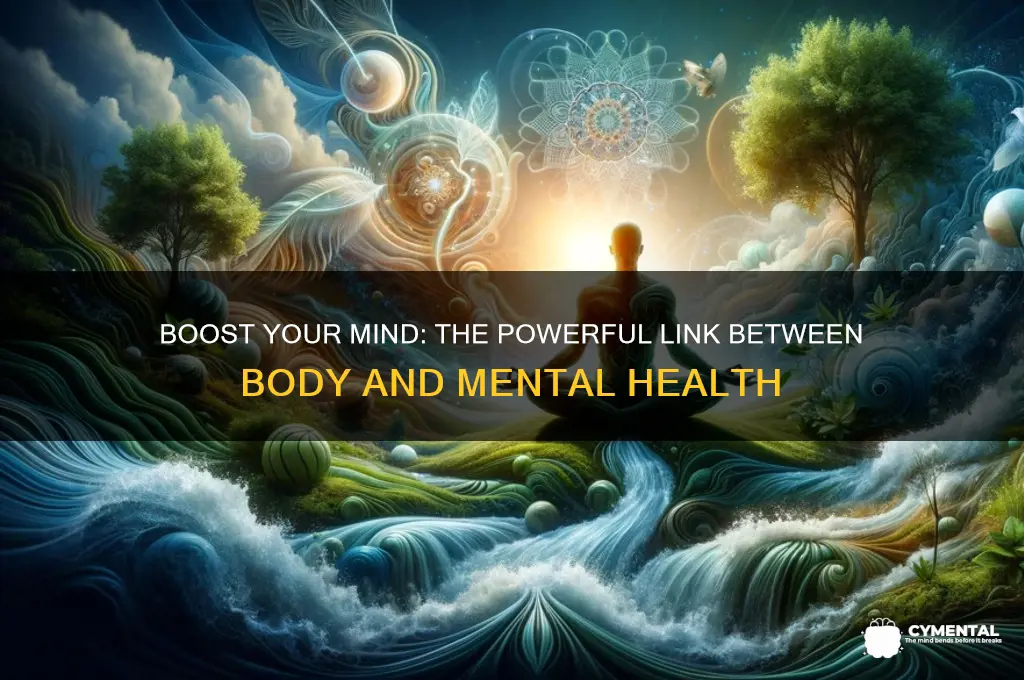
Physical health and mental health are deeply interconnected, with one significantly influencing the other. Engaging in regular physical activity, maintaining a balanced diet, and ensuring adequate sleep can profoundly enhance mental well-being. Exercise, for instance, stimulates the release of endorphins, often referred to as feel-good hormones, which reduce stress and anxiety while boosting mood. A healthy diet provides essential nutrients that support brain function, while quality sleep allows the brain to recover and process emotions effectively. Together, these aspects of physical health create a foundation for resilience against mental health challenges, fostering clarity, stability, and overall emotional balance.
| Characteristics | Values |
|---|---|
| Reduces Stress | Physical activity lowers cortisol levels and increases endorphins, reducing stress. |
| Improves Mood | Exercise boosts serotonin, dopamine, and norepinephrine, enhancing mood and reducing anxiety. |
| Enhances Sleep Quality | Regular physical activity improves sleep patterns, which is crucial for mental well-being. |
| Boosts Self-Esteem | Achieving fitness goals and improving physical appearance can increase self-confidence. |
| Reduces Symptoms of Depression | Exercise is as effective as medication or therapy in mild to moderate depression cases. |
| Increases Brain Function | Physical activity promotes neuroplasticity, improving memory, focus, and cognitive function. |
| Provides Social Connection | Group exercises or sports foster social interaction, reducing feelings of loneliness. |
| Regulates Anxiety | Exercise acts as a natural anti-anxiety treatment by reducing tension and promoting relaxation. |
| Enhances Resilience | Regular physical activity builds mental toughness and coping mechanisms for stress. |
| Reduces Risk of Cognitive Decline | Exercise lowers the risk of dementia and Alzheimer's by improving brain health. |
| Promotes Mindfulness | Activities like yoga and tai chi combine physical movement with mindfulness, reducing anxiety. |
| Balances Hormones | Exercise regulates hormones like insulin and estrogen, which impact mental health. |
| Increases Energy Levels | Physical activity improves cardiovascular health, boosting overall energy and reducing fatigue. |
| Encourages Healthy Habits | Regular exercise often leads to better diet, hydration, and lifestyle choices. |
| Reduces Inflammation | Exercise lowers systemic inflammation, which is linked to depression and anxiety. |
Explore related products


What You'll Learn
- Exercise Reduces Stress: Physical activity lowers cortisol levels, promoting relaxation and reducing anxiety symptoms effectively
- Improved Sleep Quality: Regular exercise regulates sleep patterns, enhancing mental clarity and emotional stability
- Boosts Mood: Endorphins released during exercise alleviate depression and elevate overall mood naturally
- Enhanced Cognitive Function: Physical health improves focus, memory, and decision-making abilities significantly
- Social Connection: Group activities foster community, reducing loneliness and improving mental well-being

Exercise Reduces Stress: Physical activity lowers cortisol levels, promoting relaxation and reducing anxiety symptoms effectively
Stress, often dubbed the silent killer, wreaks havoc on both body and mind. Cortisol, the primary stress hormone, spikes in response to pressure, triggering a cascade of negative effects: increased heart rate, elevated blood pressure, and impaired cognitive function. Enter exercise, a powerful antidote. Physical activity acts as a natural cortisol regulator, effectively lowering its levels and promoting a state of calm. Studies show that even moderate exercise, such as a 30-minute brisk walk, can significantly reduce cortisol concentrations, offering immediate relief from stress and anxiety.
Imagine this: a tight chest, racing thoughts, and a mind trapped in a whirlwind of worry. Now picture lacing up your sneakers and stepping outside. As you move, your body releases endorphins, natural mood elevators that counteract stress hormones. This biochemical shift translates to tangible benefits: a slower heartbeat, deeper breaths, and a sense of clarity replacing the mental fog. This isn't mere anecdote; research consistently demonstrates the anxiety-reducing effects of exercise, with activities like yoga and tai chi proving particularly effective due to their focus on mindfulness and breath control.
But how much exercise is enough? The good news is, you don't need to become a marathon runner to reap the stress-busting benefits. The American Psychological Association recommends at least 150 minutes of moderate-intensity aerobic exercise or 75 minutes of vigorous exercise per week for optimal mental health. This can be broken down into manageable chunks, like 30 minutes of brisk walking five times a week. Consistency is key; regular exercise builds resilience against stress, making it easier to manage life's challenges.
Incorporating stress-reducing exercise into your routine doesn't have to be complicated. Start small: take the stairs instead of the elevator, go for a walk during your lunch break, or try a beginner-friendly yoga class. Find activities you enjoy, whether it's dancing, swimming, or cycling, to ensure sustainability. Remember, exercise is not a punishment but a powerful tool for self-care. By prioritizing physical activity, you're not just strengthening your body; you're fortifying your mind against the corrosive effects of stress, paving the way for a calmer, more resilient you.
Magnesium's Role in Mental Health: Benefits, Research, and Potential Impact
You may want to see also
Explore related products




Improved Sleep Quality: Regular exercise regulates sleep patterns, enhancing mental clarity and emotional stability
Sleep quality is a cornerstone of mental health, yet it’s often overlooked in favor of more visible aspects of well-being. Regular exercise acts as a natural regulator of sleep patterns, addressing both the duration and depth of rest. Studies show that moderate aerobic exercise, such as brisk walking or cycling for 30 minutes a day, can improve sleep quality by up to 65%. This isn’t just about feeling rested—it’s about the brain’s ability to consolidate memories, process emotions, and reset stress responses during deep sleep stages. Without this regulation, mental clarity falters, and emotional stability becomes precarious.
Consider the mechanism at play: exercise raises body temperature, which then drops post-workout, signaling to the brain that it’s time to wind down. This mimics the natural circadian rhythm, making it easier to fall asleep and stay asleep. For adults aged 18–64, the American Heart Association recommends 150 minutes of moderate exercise weekly, ideally spread across 5 days. However, timing matters—vigorous exercise within 2 hours of bedtime can be counterproductive, as it may overstimulate the nervous system. Aim for morning or afternoon sessions to maximize sleep benefits.
The link between exercise and sleep isn’t just physiological; it’s psychological. Physical activity reduces anxiety and depression, two common culprits of insomnia. A study published in *Sleep Medicine Reviews* found that exercise decreases the time it takes to fall asleep by 55% in individuals with chronic insomnia. This dual action—addressing both mental and physical barriers to sleep—creates a positive feedback loop. Better sleep improves mood and cognitive function, which in turn motivates continued physical activity.
Practical tips can amplify these benefits. Incorporate strength training twice a week to complement cardio, as muscle repair during sleep enhances overall rest quality. Avoid screens and heavy meals 1–2 hours before bed, and create a consistent sleep routine to reinforce the exercise-sleep connection. For older adults or those with mobility issues, low-impact activities like yoga or tai chi can still regulate sleep patterns effectively. The key is consistency—even small, daily efforts yield cumulative results.
In essence, improved sleep quality through regular exercise is a non-negotiable pillar of mental health. It’s not about drastic changes but strategic, sustainable habits. By understanding the science and applying practical steps, anyone can harness this powerful connection to achieve greater mental clarity and emotional resilience. Sleep isn’t just downtime—it’s active recovery for the mind, and exercise is its most reliable ally.
Supporting Mental Health: Nigerian Families’ Strategies for Caring and Healing
You may want to see also
Explore related products


$12.12 $19.99


Boosts Mood: Endorphins released during exercise alleviate depression and elevate overall mood naturally
Exercise isn't just about building muscle or shedding pounds; it's a powerful tool for transforming your mental state. The science is clear: physical activity triggers the release of endorphins, often referred to as "feel-good" hormones, which act as natural mood elevators. These chemicals interact with receptors in your brain to reduce pain perception and trigger positive feelings, effectively counteracting symptoms of depression and anxiety.
Think of it as a natural antidepressant without the side effects.
Imagine feeling a sense of accomplishment after a brisk walk, a burst of energy after a dance session, or a calming sense of focus after yoga. These aren't just coincidences; they're the tangible effects of endorphins at work. Studies show that even moderate exercise, like 30 minutes of brisk walking most days of the week, can significantly boost mood and reduce symptoms of mild to moderate depression. For more severe cases, exercise can be a valuable complement to therapy and medication, offering a holistic approach to mental well-being.
Think of it as a natural antidepressant without the side effects.
But how does this translate into everyday life? Incorporating mood-boosting exercise doesn't require joining a gym or becoming a marathon runner. Start small and find activities you genuinely enjoy. Dancing to your favorite music, gardening, swimming, or even a vigorous housecleaning session can all get your heart rate up and those endorphins flowing. Consistency is key; aim for at least 30 minutes of moderate-intensity exercise most days of the week. Remember, the goal isn't perfection, but progress. Even short bursts of activity throughout the day can make a difference.
It's important to note that while exercise is a powerful tool, it's not a cure-all. If you're struggling with persistent feelings of sadness, hopelessness, or anxiety, seeking professional help is crucial. A therapist or counselor can provide personalized guidance and support, helping you develop coping mechanisms and address underlying issues. Think of exercise as one piece of the puzzle, a valuable tool in your mental health toolkit, working alongside other strategies for a comprehensive approach to well-being.
Seeking Support: What to Do When You Need Help
You may want to see also
Explore related products


$14.37 $19.99



Enhanced Cognitive Function: Physical health improves focus, memory, and decision-making abilities significantly
Physical activity isn’t just about building muscles or shedding pounds—it’s a powerful tool for sharpening your mind. Studies show that regular exercise increases blood flow to the brain, delivering essential nutrients and oxygen that enhance cognitive function. For instance, a 2019 meta-analysis published in the *British Journal of Sports Medicine* found that aerobic exercise, such as brisk walking or cycling, significantly improves attention, processing speed, and memory in adults of all ages. Even short bursts of activity, like a 10-minute walk, can temporarily boost focus and mental clarity, making it an ideal midday reset for professionals or students.
Consider this: the brain’s hippocampus, a region critical for memory, can grow in size with consistent physical activity. A study from the *Proceedings of the National Academy of Sciences* revealed that older adults who engaged in moderate aerobic exercise (e.g., 30 minutes of walking, 4 days a week) for a year experienced a 2% increase in hippocampal volume—equivalent to reversing age-related shrinkage by 1-2 years. Pair this with strength training, which has been shown to improve executive function (decision-making and problem-solving), and you’ve got a full cognitive upgrade. For optimal results, aim for 150 minutes of moderate aerobic activity and 2 days of muscle-strengthening exercises weekly, as recommended by the World Health Organization.
But how does this translate to daily life? Imagine a scenario where you’re juggling multiple tasks at work. Regular exercise trains your brain to handle stress more efficiently, reducing cortisol levels and improving your ability to prioritize. A study in the *Journal of Applied Physiology* found that individuals who exercised regularly made faster and more accurate decisions under pressure compared to sedentary peers. To integrate this into your routine, start with small, consistent changes: take the stairs instead of the elevator, or schedule a 20-minute jog during your lunch break. Even yoga or tai chi, which combine physical movement with mindfulness, can enhance cognitive flexibility and emotional regulation.
For younger demographics, like students or young professionals, the benefits are equally pronounced. A 2020 study in *Frontiers in Psychology* demonstrated that children who engaged in daily physical activity (e.g., 60 minutes of play or sports) scored higher on tests of working memory and inhibitory control—key skills for academic success. Parents and educators can encourage this by incorporating movement into learning, such as standing desks or active recess breaks. For older adults, low-impact activities like swimming or Pilates not only preserve cognitive function but also reduce the risk of falls, a common concern in aging populations.
Incorporating physical activity into your routine doesn’t require a gym membership or marathon training. Start with what’s manageable: a 15-minute dance session, a bike ride, or even gardening. The key is consistency. Track your progress using apps or journals to stay motivated, and remember that the cognitive benefits compound over time. By prioritizing your physical health, you’re not just investing in a stronger body—you’re building a sharper, more resilient mind.
Family Involvement: A Key to Effective Mental Health Recovery
You may want to see also
Explore related products


Social Connection: Group activities foster community, reducing loneliness and improving mental well-being
Human beings are inherently social creatures, and our mental well-being is deeply intertwined with the quality of our social connections. Loneliness, often described as a silent epidemic, can have devastating effects on mental health, increasing the risk of depression, anxiety, and even cognitive decline. Conversely, fostering a sense of community through group activities can act as a powerful antidote, providing a buffer against these negative outcomes.
Consider the example of a weekly community gardening project. Participants, ranging from teenagers to seniors, gather to cultivate a shared green space. This activity not only promotes physical health through moderate exercise but also creates opportunities for meaningful interaction. Younger members learn from the experience of older adults, while seniors benefit from the energy and fresh perspectives of the youth. Such intergenerational exchanges can reduce age-related isolation and foster a sense of belonging. Research suggests that consistent social engagement, like participating in group activities at least twice a week, can significantly lower feelings of loneliness and improve mood.
However, not all group activities are created equal. The key lies in finding activities that align with individual interests and provide a sense of purpose. For instance, a book club might appeal to introverts, while team sports could be more suitable for extroverts. The goal is to create an environment where participants feel valued and connected. Organizers should also be mindful of inclusivity, ensuring that activities are accessible to people of varying physical abilities and socioeconomic backgrounds. For example, offering both high-intensity and low-impact options in a fitness class can accommodate a wider range of participants.
Practical tips for maximizing the mental health benefits of group activities include setting realistic goals, such as committing to one new activity per month, and actively participating rather than passively observing. Encouraging open communication and creating safe spaces for vulnerability can deepen connections. For those hesitant to join, starting with smaller groups or one-on-one interactions before transitioning to larger settings can ease anxiety. Additionally, leveraging technology, such as online forums or social media groups, can complement in-person activities, providing continuous support and a sense of community even outside of scheduled meetings.
In conclusion, group activities serve as a vital bridge between physical health and mental well-being by fostering social connections that combat loneliness. By choosing activities that resonate personally, ensuring inclusivity, and actively engaging, individuals can harness the transformative power of community. Whether it’s through gardening, sports, or shared hobbies, the collective experience not only strengthens the body but also nourishes the mind, creating a foundation for lasting mental resilience.
Boosting Mental Health: The Power of Social Connections with Friends
You may want to see also
Frequently asked questions
Regular exercise releases endorphins, which are natural mood lifters, and reduces stress hormones like cortisol. It also promotes better sleep, boosts self-esteem, and provides a sense of accomplishment, all of which contribute to improved mental well-being.
Yes, a balanced diet rich in nutrients like omega-3 fatty acids, vitamins, and minerals supports brain function and reduces inflammation. Poor nutrition, on the other hand, can exacerbate symptoms of depression and anxiety, making diet a crucial factor in mental health.
Physical activity increases blood flow to the brain, promoting the growth of new neurons and improving overall brain health. It also serves as a distraction from negative thoughts, fosters social connections (e.g., team sports), and provides a structured routine, all of which help alleviate anxiety and depression.