Lucas Bennett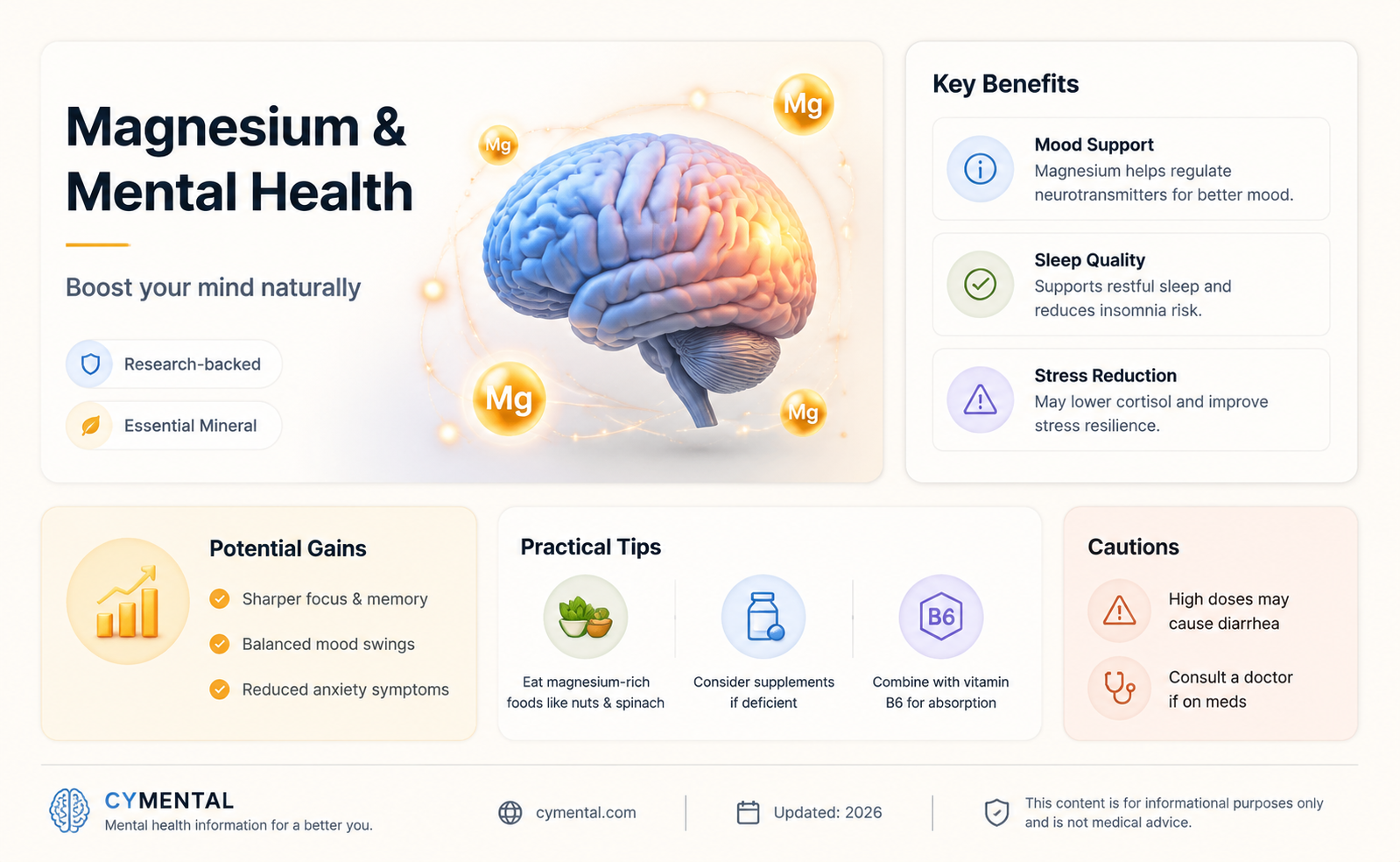
Magnesium, an essential mineral involved in over 300 biochemical reactions in the body, has garnered attention for its potential role in supporting mental health. Research suggests that magnesium may influence neurotransmitter function, reduce inflammation, and modulate the stress response, all of which are critical factors in mental well-being. Studies have linked magnesium deficiency to increased symptoms of anxiety, depression, and stress, while supplementation has shown promise in alleviating these conditions. Additionally, magnesium’s ability to improve sleep quality and regulate cortisol levels further underscores its potential as a natural intervention for mental health. While more research is needed to fully understand its mechanisms and efficacy, current evidence suggests that maintaining adequate magnesium levels could be a valuable component of holistic mental health care.
| Characteristics | Values |
|---|---|
| Anxiety Reduction | Studies suggest magnesium supplementation may reduce symptoms of anxiety, particularly in individuals with hypomagnesaemia (low magnesium levels). Mechanism potentially involves regulation of neurotransmitters like GABA. |
| Depression Symptom Improvement | Some research indicates magnesium supplementation might improve depressive symptoms, possibly due to its role in brain function and neurotransmitter regulation. More research is needed for conclusive evidence. |
| Stress Management | Magnesium may help regulate the body's stress response by influencing the hypothalamic-pituitary-adrenal (HPA) axis and cortisol levels. |
| Sleep Quality | Magnesium's calming effects may contribute to improved sleep quality, indirectly benefiting mental health. |
| Mood Regulation | Magnesium plays a role in neurotransmitter synthesis and function, potentially influencing mood regulation. |
| Neuroprotection | Magnesium may have neuroprotective properties, potentially protecting against neurodegenerative diseases and cognitive decline, which can impact mental health. |
| Mechanism of Action | Magnesium interacts with NMDA receptors, regulates calcium channels, and influences neurotransmitter release, all of which are crucial for brain function and mental health. |
| Recommended Dosage | Individual needs vary. Consult a healthcare professional for personalized dosage recommendations. |
| Food Sources | Leafy green vegetables, nuts, seeds, whole grains, legumes, and fortified foods. |
| Supplement Forms | Magnesium citrate, glycinate, threonate, oxide, chloride, etc. |
| Safety and Side Effects | Generally safe for most people when taken in recommended doses. Potential side effects include diarrhea, nausea, and stomach upset. |
| Limitations of Research | More large-scale, long-term studies are needed to fully understand magnesium's role in mental health and determine optimal dosages for specific conditions. |
Explore related products



What You'll Learn

Magnesium's role in reducing anxiety symptoms
Magnesium, an often-overlooked mineral, plays a pivotal role in neurological function, and its deficiency has been linked to heightened anxiety symptoms. Studies suggest that magnesium helps regulate neurotransmitters like GABA, which inhibits excessive neuronal activity, promoting a calming effect on the brain. For instance, a 2017 review in *Nutrients* found that magnesium supplementation significantly reduced subjective measures of anxiety in adults, particularly those with mild-to-moderate symptoms. This highlights magnesium’s potential as a complementary approach to managing anxiety, especially in populations with inadequate dietary intake.
To harness magnesium’s anxiety-reducing benefits, consider incorporating magnesium-rich foods into your diet, such as spinach, almonds, and black beans. However, for those with severe deficiencies or immediate needs, supplementation may be necessary. The recommended daily allowance (RDA) for magnesium is 310–420 mg for adults, but doses of 200–350 mg of elemental magnesium per day have been used effectively in anxiety studies. Always start with the lower end of the dosage range and consult a healthcare provider to avoid potential side effects like diarrhea or nausea, which can occur with excessive intake.
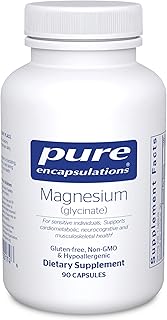
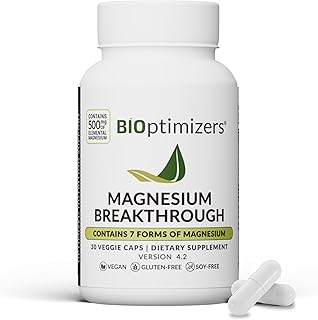
A comparative analysis of magnesium forms reveals that magnesium glycinate and magnesium threonate are particularly effective for anxiety due to their high bioavailability and ability to cross the blood-brain barrier. Magnesium glycinate, for example, combines magnesium with the amino acid glycine, which has its own calming properties, making it a dual-action supplement. In contrast, magnesium oxide, while inexpensive, has poor absorption and is less likely to yield noticeable anxiety relief. Choosing the right form is crucial for maximizing benefits.
Practical tips for integrating magnesium into your anxiety management routine include taking supplements with meals to enhance absorption and pairing them with vitamin D, which aids in magnesium utilization. For those who prefer topical applications, magnesium chloride oil or Epsom salt baths can provide transdermal absorption, bypassing digestive issues. Additionally, tracking symptoms in a journal can help determine the effectiveness of magnesium supplementation over time. While magnesium is not a standalone cure for anxiety, it can be a valuable tool in a holistic approach to mental well-being.
Can Faith and Divine Intervention Aid Mental Health Struggles?
You may want to see also
Explore related products

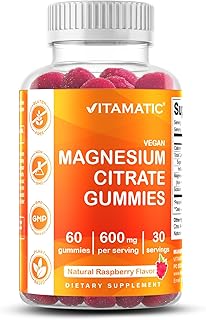


Impact of magnesium on depression management
Magnesium, an essential mineral involved in over 300 biochemical reactions, has emerged as a potential adjunct in managing depression. Research suggests that magnesium deficiency is linked to increased risk of depressive symptoms, prompting investigations into its therapeutic role. Studies indicate that magnesium supplementation may improve mood by modulating neurotransmitters like serotonin and reducing inflammation, a common factor in depression. For instance, a 2017 study in *PLOS ONE* found that participants who took 248 mg of magnesium daily for six weeks reported significant reductions in depression scores compared to a control group.
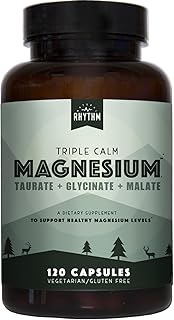
When considering magnesium for depression management, dosage and form are critical. Oral supplements such as magnesium glycinate or threonate are often recommended for their bioavailability and calming effects on the nervous system. A typical starting dose ranges from 200 to 400 mg daily, though individual needs vary based on age, sex, and severity of symptoms. For older adults, who are more prone to magnesium deficiency due to reduced absorption, doses may need adjustment under medical supervision. It’s essential to consult a healthcare provider to avoid interactions with medications like antibiotics or diuretics.
While magnesium shows promise, it’s not a standalone cure for depression. Its effectiveness is most notable in cases where deficiency is present, as evidenced by symptoms like fatigue, muscle cramps, or insomnia. Combining magnesium supplementation with lifestyle changes—such as a balanced diet rich in leafy greens, nuts, and seeds—can enhance its benefits. Additionally, pairing magnesium with other evidence-based treatments like cognitive-behavioral therapy or antidepressants may yield better outcomes. Practical tips include taking magnesium in divided doses with meals to improve absorption and monitoring for side effects like diarrhea, which can occur with excessive intake.
A comparative analysis highlights magnesium’s unique advantages over traditional antidepressants. Unlike medications, magnesium has a lower risk of severe side effects and can address comorbid conditions like anxiety or sleep disturbances. However, its onset of action is slower, requiring consistent use for several weeks to notice improvements. For those hesitant to start antidepressants or seeking complementary options, magnesium offers a natural, accessible alternative. Yet, it’s crucial to manage expectations—magnesium is not a panacea, and severe depression still requires comprehensive treatment.
In conclusion, magnesium’s impact on depression management is grounded in its ability to address underlying physiological imbalances. By incorporating it thoughtfully into a broader treatment plan, individuals may experience improved mood and overall well-being. However, success hinges on personalized dosing, careful monitoring, and realistic expectations. As research continues to evolve, magnesium stands out as a valuable tool in the mental health toolkit, particularly for those with documented deficiencies or mild to moderate symptoms.
Keto Diet and Mental Health: Unlocking Brain Benefits or Myth?
You may want to see also
Explore related products


Magnesium and stress hormone regulation
Magnesium plays a pivotal role in regulating the body’s stress response by modulating the hypothalamic-pituitary-adrenal (HPA) axis, the system responsible for cortisol production. Cortisol, often called the stress hormone, spikes during periods of anxiety or tension. Research indicates that magnesium deficiency can lead to hyperactivity of the HPA axis, resulting in elevated cortisol levels and prolonged stress responses. Conversely, adequate magnesium intake helps dampen this overactivity, promoting a calmer physiological state. For instance, a 2017 study published in *PLOS ONE* found that participants with higher magnesium levels exhibited lower cortisol levels after exposure to stressful situations.
To harness magnesium’s stress-regulating benefits, consider incorporating magnesium-rich foods into your diet, such as spinach, almonds, and dark chocolate. For targeted support, magnesium supplements like magnesium glycinate or magnesium threonate are effective options. Dosage recommendations vary, but adults typically benefit from 200–400 mg daily, preferably taken in the evening to enhance relaxation. However, consult a healthcare provider before starting supplementation, especially if you have kidney issues or are on medication, as excessive magnesium can cause side effects like diarrhea or nausea.
A comparative analysis of magnesium forms reveals that magnesium glycinate is highly absorbable and gentle on the stomach, making it ideal for stress relief. Magnesium threonate, on the other hand, crosses the blood-brain barrier, potentially offering cognitive benefits alongside stress reduction. For those under chronic stress, combining dietary sources with a supplement may yield the best results. For example, pairing a magnesium-rich dinner (e.g., a salad with spinach and almonds) with a 200 mg magnesium glycinate capsule before bed can optimize stress hormone regulation.
Practical tips for integrating magnesium into your routine include adding a handful of pumpkin seeds to your morning smoothie or swapping refined grains for quinoa. If opting for supplements, start with a lower dose (100–200 mg) to assess tolerance before increasing. Additionally, magnesium works synergistically with vitamin B6, which aids in its absorption and further supports stress management. Incorporating B6-rich foods like bananas or fortified cereals can enhance magnesium’s effectiveness. By addressing magnesium levels, you can directly influence stress hormone regulation, fostering resilience against daily pressures.
Supporting Mentally Disabled Adults: Accessing Essential Resources and Assistance
You may want to see also
Explore related products


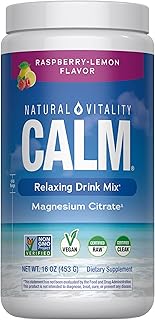

Effects of magnesium on sleep quality
Magnesium, an essential mineral involved in over 300 biochemical reactions, plays a pivotal role in regulating sleep quality. Research indicates that magnesium promotes relaxation by activating the parasympathetic nervous system, which calms the body and prepares it for rest. Studies have shown that individuals with higher magnesium levels often experience deeper, more restorative sleep cycles. For instance, a 2012 study published in the *Journal of Research in Medical Sciences* found that magnesium supplementation improved sleep quality, especially in older adults, who are more prone to magnesium deficiency due to reduced absorption and dietary intake.
To harness magnesium’s sleep-enhancing benefits, consider incorporating it into your evening routine. The recommended daily allowance (RDA) for magnesium is 310-420 mg for adults, but for sleep-specific benefits, doses of 200-400 mg taken 1-2 hours before bedtime are often suggested. Magnesium glycinate, a highly bioavailable form, is particularly effective for sleep due to its calming properties. Alternatively, transdermal magnesium, such as Epsom salt baths or magnesium oil sprays, can be absorbed through the skin, bypassing the digestive system for those with sensitivity. Pairing magnesium supplementation with sleep hygiene practices, like dimming lights and limiting screen time, maximizes its effectiveness.
While magnesium’s impact on sleep is promising, it’s not a one-size-fits-all solution. Factors like age, sex, and underlying health conditions influence its efficacy. For example, pregnant women, individuals with kidney disorders, or those on certain medications should consult a healthcare provider before starting supplementation. Additionally, excessive magnesium intake can cause gastrointestinal side effects like diarrhea, so starting with a lower dose and gradually increasing is advisable. Monitoring your response over 2-3 weeks helps determine the optimal dosage for your needs.
Comparatively, magnesium stands out among natural sleep aids for its dual action on both sleep onset and quality. Unlike melatonin, which primarily regulates sleep-wake cycles, magnesium addresses underlying stressors like muscle tension and anxiety that often disrupt sleep. A 2017 study in the *Journal of Clinical Sleep Medicine* highlighted that magnesium’s ability to regulate GABA, a neurotransmitter that inhibits brain activity, contributes to its sedative effects. This makes it a valuable option for those seeking a holistic approach to improving sleep without reliance on habit-forming medications.
Incorporating magnesium-rich foods into your diet is another practical strategy to enhance sleep quality. Foods like almonds, spinach, pumpkin seeds, and dark chocolate are excellent sources of magnesium. For instance, a 30g serving of almonds provides approximately 80 mg of magnesium, contributing to your daily intake. Combining dietary sources with targeted supplementation ensures consistent levels, particularly for individuals with high stress or poor dietary habits. Tracking sleep patterns using apps or journals can help assess magnesium’s impact, allowing for adjustments to dosage or timing for optimal results.
Vitamin D's Role in Boosting Mental Health and Well-being
You may want to see also
Explore related products


Magnesium deficiency and mental health risks
Magnesium deficiency, often overlooked, can silently undermine mental well-being. Studies show that low magnesium levels are linked to increased anxiety, depression, and stress. For instance, a 2017 review in *PLOS ONE* found that magnesium supplementation significantly reduced anxiety symptoms in participants with mild to moderate anxiety. This mineral plays a critical role in regulating neurotransmitters like serotonin, which directly influence mood and emotional stability. Without adequate magnesium, the brain struggles to maintain balance, leaving individuals more susceptible to mental health challenges.
Consider the daily recommended intake of magnesium: 310-420 mg for adults, depending on age and sex. However, modern diets often fall short, with processed foods and soil depletion contributing to widespread deficiency. Symptoms like irritability, fatigue, and difficulty concentrating may signal low magnesium levels. For those at risk—including older adults, individuals with gastrointestinal disorders, or those under chronic stress—monitoring intake becomes crucial. Incorporating magnesium-rich foods like spinach, almonds, and black beans can help, but supplementation may be necessary under professional guidance.
The relationship between magnesium deficiency and mental health risks is particularly concerning for specific populations. Adolescents, for example, face heightened vulnerability due to their developing brains and often poor dietary habits. A 2020 study in *Nutrients* highlighted that magnesium deficiency in teens correlated with increased depressive symptoms. Similarly, pregnant women require higher magnesium levels to support both their health and fetal development, with deficiency potentially exacerbating prenatal anxiety and depression. Tailoring interventions to these groups—such as dietary adjustments or targeted supplements—can mitigate risks effectively.
Practical steps to address magnesium deficiency include regular blood tests to monitor levels, especially if mental health symptoms persist despite other interventions. Pairing magnesium supplements with vitamin D can enhance absorption, as these nutrients work synergistically. However, caution is advised: excessive magnesium intake (above 350 mg from supplements) can cause diarrhea and gastrointestinal distress. Always consult a healthcare provider before starting supplementation, particularly if taking medications like antibiotics or diuretics, which can interfere with magnesium absorption.
In conclusion, recognizing the link between magnesium deficiency and mental health risks empowers individuals to take proactive steps. By prioritizing magnesium intake through diet or supplementation, and addressing specific needs based on age or health status, one can fortify mental resilience. This simple yet impactful mineral serves as a reminder that nutritional deficiencies can have profound psychological consequences—and that addressing them is a vital component of holistic mental health care.
Creatine's Cognitive Boost: Enhancing Mental Performance and Brain Function
You may want to see also
Frequently asked questions
Yes, magnesium plays a role in regulating neurotransmitters and the body's stress response. Studies suggest that magnesium supplementation may help reduce symptoms of anxiety and stress by promoting relaxation and improving mood.
Magnesium can enhance sleep quality by supporting the production of melatonin and GABA, which are essential for relaxation. Better sleep often correlates with improved mental health, as poor sleep is linked to increased anxiety and depression.
Some research indicates that magnesium deficiency is associated with depressive symptoms. Supplementing with magnesium, particularly in combination with other treatments, may help alleviate mild to moderate depression by supporting brain function and reducing inflammation. However, more studies are needed for conclusive evidence.