Caleb Wright
Self-expression plays a pivotal role in supporting mental health by providing individuals with a constructive outlet to articulate their thoughts, emotions, and experiences. Whether through art, writing, music, or even everyday conversations, expressing oneself fosters a sense of authenticity and reduces the burden of internalized feelings, which can otherwise lead to stress, anxiety, or depression. It encourages self-awareness, helping individuals better understand their own needs and emotions, while also promoting emotional regulation and resilience. Additionally, self-expression can strengthen social connections, as sharing one’s inner world often invites empathy and support from others, combating feelings of isolation. By validating personal experiences and fostering a sense of identity, self-expression becomes a powerful tool for healing, growth, and maintaining overall mental well-being.
| Characteristics | Values |
|---|---|
| Emotional Release | Self-expression allows individuals to release pent-up emotions, reducing stress and anxiety. Creative outlets like writing, art, or music help process and externalize feelings. |
| Improved Self-Awareness | Engaging in self-expression fosters introspection, helping individuals better understand their thoughts, emotions, and behaviors, leading to greater self-acceptance. |
| Stress Reduction | Creative activities lower cortisol levels, promoting relaxation and reducing symptoms of depression and anxiety. |
| Enhanced Communication | Self-expression improves the ability to articulate thoughts and feelings, strengthening relationships and reducing feelings of isolation. |
| Sense of Identity | Expressing oneself helps individuals define and affirm their personal identity, boosting self-esteem and confidence. |
| Coping Mechanism | It serves as a healthy way to cope with trauma, grief, or mental health challenges, providing a sense of control and resilience. |
| Social Connection | Sharing self-expression with others fosters community, reduces loneliness, and provides validation and support. |
| Cognitive Benefits | Creative self-expression enhances problem-solving skills, focus, and cognitive flexibility, benefiting overall mental well-being. |
| Empowerment | It gives individuals a voice, promoting autonomy and a sense of purpose, which is crucial for mental health recovery. |
| Mindfulness and Presence | Engaging in expressive activities encourages being present in the moment, reducing rumination and improving mental clarity. |
Explore related products


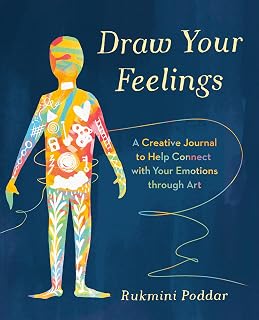

What You'll Learn
- Creative Outlets: Art, music, writing reduce stress, foster emotional release, and enhance self-awareness effectively
- Emotional Release: Expressing feelings openly alleviates anxiety, depression, and internalized emotional burdens
- Identity Formation: Self-expression helps individuals define and affirm their unique identities and values
- Social Connection: Sharing thoughts and feelings builds supportive relationships and reduces feelings of isolation
- Coping Mechanism: Healthy self-expression provides a constructive way to manage and process difficult emotions

Creative Outlets: Art, music, writing reduce stress, foster emotional release, and enhance self-awareness effectively
Engaging in creative activities like art, music, and writing isn’t just a hobby—it’s a therapeutic tool backed by research. Studies show that spending as little as 20 minutes a day on creative expression can significantly lower cortisol levels, the body’s primary stress hormone. For instance, journaling for 15–20 minutes daily has been linked to reduced anxiety and improved mood in adults. Similarly, playing an instrument or painting can induce a meditative state, calming the mind and providing a mental escape from stressors. These activities act as a buffer against the overwhelming demands of daily life, offering a structured yet flexible way to unwind.
Consider the act of emotional release through creativity. Writing, for example, allows individuals to externalize feelings that may be difficult to articulate verbally. A study published in *The Journal of the American Medical Association* found that expressive writing about traumatic events for 15–20 minutes, four days in a row, led to measurable improvements in both physical and mental health. Art, too, serves as a non-verbal outlet for emotions. Whether through bold brushstrokes or abstract shapes, creating visual art can help process complex feelings without the need for words. Music, on the other hand, taps into the limbic system—the brain’s emotional center—allowing for catharsis through melody and rhythm. These outlets provide a safe space to confront and release pent-up emotions, preventing them from festering into more serious mental health issues.
Self-awareness is another critical benefit of creative expression. When you write, paint, or compose, you often uncover thoughts and feelings that were previously unconscious. For teenagers, keeping a sketchbook or writing poetry can help them navigate identity formation and emotional turbulence. Adults, too, can use creative practices to reflect on their experiences and gain clarity. For instance, creating a collage of images that represent personal struggles and triumphs can reveal patterns and insights about one’s life. This heightened self-awareness fosters better decision-making and emotional regulation, key components of mental well-being.
Practical integration of these outlets into daily life doesn’t require artistic talent or expensive tools. Start small: carry a pocket notebook to jot down thoughts, doodle during work breaks, or hum a tune while commuting. For music lovers, apps like GarageBand or Spotify’s playlist feature can make composition or curation accessible. Art supplies like colored pencils or a simple canvas are affordable and easy to use. The key is consistency—aim for short, regular sessions rather than marathon efforts. Even 10 minutes of creative activity can yield noticeable benefits over time. By making creativity a habit, you build a resilient mental health toolkit that’s always within reach.
Eliminating Stress: A Key to Enhancing Mental Health and Well-being
You may want to see also
Explore related products


$18.14 $27.99


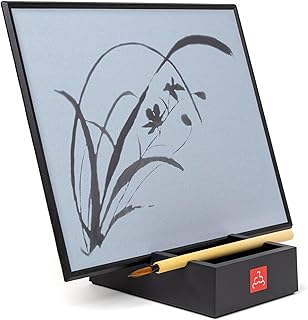

Emotional Release: Expressing feelings openly alleviates anxiety, depression, and internalized emotional burdens
Suppressed emotions are like a pressure cooker: left unattended, they build until something breaks. Emotional release, the act of expressing feelings openly, acts as the valve, preventing internalized burdens from morphing into anxiety, depression, or physical illness. Research shows that bottling up emotions activates the body’s stress response, flooding the system with cortisol and adrenaline. Over time, this chronic state of arousal weakens the immune system, disrupts sleep, and fuels mental health disorders. Conversely, vocalizing or creatively channeling emotions reduces this physiological strain, offering immediate relief and long-term resilience.
Consider journaling as a practical tool for emotional release. A 2018 study in *Advances in Psychiatric Treatment* found that expressive writing for 15–20 minutes daily over 3–4 days significantly lowered symptoms of depression and anxiety in participants. The key lies in specificity: instead of vague entries like “I feel bad,” detail the situation, the emotions, and their physical manifestations. For instance, “My chest tightened when my boss criticized me, and I felt a wave of shame.” This process externalizes the experience, making it tangible and manageable. Pairing journaling with deep breathing amplifies its effects, as diaphragmatic breathing activates the parasympathetic nervous system, counteracting stress.
Artistic expression serves as another powerful avenue for emotional release, particularly for those who struggle with verbal communication. Painting, dancing, or playing music bypasses the logical brain, tapping directly into the emotional centers. A 2010 study published in *Art Therapy* revealed that trauma survivors who engaged in art therapy reported a 71% reduction in PTSD symptoms after 8 weeks. Even doodling or sculpting clay can provide an outlet for emotions that feel too complex to articulate. The act of creation transforms abstract feelings into something concrete, fostering a sense of control and catharsis.
Group settings, such as support groups or therapy circles, offer a unique form of emotional release through shared vulnerability. Speaking aloud in a safe, nonjudgmental space not only normalizes one’s experiences but also fosters connection, reducing feelings of isolation. A 2017 meta-analysis in *Clinical Psychology Review* found that group therapy was as effective as individual therapy for treating depression and anxiety, with the added benefit of communal support. For those hesitant to speak, starting with small disclosures—like sharing a single emotion or a brief anecdote—can build confidence over time.
However, emotional release is not without caution. Dumping feelings without boundaries can overwhelm both the expresser and the listener. For instance, venting anger aggressively may provide temporary relief but often escalates conflict. Instead, pair emotional expression with mindfulness: pause to identify the emotion, its triggers, and its purpose. For children and adolescents, whose emotional regulation skills are still developing, guided activities like storytelling or role-playing can prevent overwhelm while encouraging openness.
Incorporating emotional release into daily life need not be time-consuming. Start with micro-practices: a 5-minute gratitude list, a quick sketch of your mood, or a text to a trusted friend. Consistency matters more than duration. Over time, these small acts accumulate, reshaping how you process and respond to emotions. Remember, emotional release is not about erasing pain but about honoring it, transforming it from a burden into a catalyst for growth.
Counseling for Mental Health: Effective Support or Overrated Solution?
You may want to see also
Explore related products


Identity Formation: Self-expression helps individuals define and affirm their unique identities and values
Self-expression acts as a mirror, reflecting back to individuals their own thoughts, feelings, and values, which are often obscured by societal expectations or internalized beliefs. Through creative outlets like art, writing, or even fashion, people can externalize their inner worlds, making abstract concepts tangible. For instance, a teenager experimenting with bold fashion choices isn’t just dressing up—they’re communicating their emerging sense of self, testing boundaries, and observing how the world responds. This process of externalization allows individuals to see themselves more clearly, fostering a deeper understanding of who they are and what they stand for.
Consider the act of journaling as a tool for identity formation. Writing down thoughts and experiences isn’t merely a record-keeping exercise; it’s a deliberate act of self-definition. Research shows that expressive writing can reduce stress and improve mental clarity, but its role in identity formation is equally profound. By articulating personal narratives, individuals can identify recurring themes, values, and aspirations. For example, a young adult who consistently writes about their passion for environmental justice may begin to see this as a core part of their identity, shaping their career choices, relationships, and daily habits.
However, self-expression isn’t without its challenges. Affirming one’s identity often requires vulnerability, which can expose individuals to judgment or rejection. A musician sharing their original songs, for instance, risks criticism that may feel like a personal attack. Yet, this vulnerability is a necessary step in solidifying identity. It forces individuals to confront their fears and insecurities, reinforcing their commitment to their authentic selves. Practical strategies, such as starting with small, low-stakes expressions (e.g., sharing work with a trusted friend) or joining supportive communities, can mitigate these risks while still fostering growth.
Comparatively, those who suppress self-expression often struggle with identity diffusion—a psychological term for a fragmented or unclear sense of self. This can lead to anxiety, depression, or a persistent feeling of "not fitting in." In contrast, individuals who actively engage in self-expression tend to report higher levels of self-esteem and life satisfaction. For example, a study on LGBTQ+ youth found that those who openly expressed their identities experienced greater mental well-being, even in unsupportive environments. The takeaway is clear: self-expression isn’t just about creativity; it’s a vital mechanism for building a coherent, resilient identity.
To harness the power of self-expression for identity formation, start by identifying safe spaces where you can experiment without fear of judgment. This could be a private journal, a small art class, or an online community with shared interests. Gradually, challenge yourself to share your expressions more publicly, whether through social media, local exhibitions, or performances. Remember, the goal isn’t perfection but authenticity. By consistently engaging in self-expression, you’ll not only define your identity but also affirm its value in a world that often seeks conformity.
Crafting for Calm: How Creative Hobbies Boost Mental Well-Being
You may want to see also
Explore related products


Social Connection: Sharing thoughts and feelings builds supportive relationships and reduces feelings of isolation
Sharing personal thoughts and emotions isn’t just a form of venting—it’s a bridge to meaningful social connection. When individuals openly express themselves, they invite others to understand their inner world, fostering empathy and trust. This act of vulnerability signals to others that they are valued enough to be let in, strengthening the bond between people. For instance, a study published in the *Journal of Social and Personal Relationships* found that couples who regularly shared their feelings reported higher relationship satisfaction and lower stress levels. The takeaway is clear: self-expression isn’t just about personal release; it’s a relational investment that pays dividends in emotional support.
Consider the mechanics of this process. When someone shares their struggles, it activates mirror neurons in the listener’s brain, creating a shared emotional experience. This neurological response encourages the listener to offer comfort, advice, or simply a listening ear, reducing the speaker’s sense of isolation. For example, a teenager confiding in a friend about academic pressure might hear, “I’ve felt that way too,” which normalizes their experience and reinforces a sense of belonging. Practical tip: Start small by sharing one specific feeling or thought daily, even if it’s as simple as, “I’m feeling overwhelmed today.” Over time, this habit builds a foundation for deeper, more supportive relationships.
However, not all self-expression yields positive outcomes. The key lies in choosing the right audience and timing. Sharing with someone who dismisses or invalidates your feelings can exacerbate isolation rather than alleviate it. Caution: Avoid oversharing with acquaintances or in group settings where the focus is on superficial interaction. Instead, prioritize one-on-one conversations with trusted individuals who have demonstrated emotional maturity. For older adults, community groups or therapy sessions can provide safe spaces for expression, while younger individuals might find peer support groups particularly beneficial.
The comparative benefits of expressive sharing versus bottling up emotions are stark. Research from the *American Psychological Association* highlights that individuals who suppress their feelings are more likely to experience anxiety, depression, and even physical health issues like hypertension. In contrast, those who express themselves openly tend to have stronger immune systems and better overall mental health. A practical step for anyone struggling to open up is to practice self-expression in low-stakes environments, such as journaling or speaking aloud to a pet, before engaging with others. This builds confidence and clarity, making real-world conversations less daunting.
Ultimately, sharing thoughts and feelings is a powerful tool for combating isolation and nurturing social connections. It transforms relationships from superficial interactions into deep, supportive alliances. For maximum impact, combine verbal expression with non-verbal cues like maintaining eye contact or using open body language, which enhances emotional resonance. Remember, self-expression isn’t a one-time act but a lifelong practice that evolves with age, experience, and relationships. By making it a priority, individuals can create a network of support that sustains them through life’s challenges.
Exploring Alcohol's Role in Mental Health: Benefits or Risks?
You may want to see also
Explore related products




Coping Mechanism: Healthy self-expression provides a constructive way to manage and process difficult emotions
Difficult emotions, when left unaddressed, can fester and manifest as physical symptoms, strained relationships, or even self-destructive behaviors. Healthy self-expression acts as a pressure valve, releasing this emotional buildup in a constructive manner. Consider journaling: studies show that expressive writing for 15-20 minutes a day, 3-5 times a week, can significantly reduce stress, anxiety, and symptoms of depression. This simple act of putting pen to paper allows individuals to externalize their inner turmoil, gaining clarity and perspective on their emotions.
Unlike unhealthy coping mechanisms like substance abuse or emotional suppression, self-expression encourages active engagement with difficult feelings. It's not about avoiding the pain, but rather channeling it into something tangible. For instance, a teenager struggling with anger might find solace in pounding drums, a painter might transform grief into a hauntingly beautiful canvas, and a dancer might use movement to express the weight of anxiety. These acts of creation become a form of emotional alchemy, transforming raw, overwhelming feelings into something meaningful and, often, cathartic.
The key to effective self-expression as a coping mechanism lies in finding the right outlet. What works for one person may not work for another. Experimentation is crucial. Some may find solace in solitary pursuits like writing poetry or playing an instrument, while others thrive in collaborative environments like theater groups or community choirs. The important thing is to choose an activity that feels authentic and allows for genuine emotional release. Remember, self-expression isn't about creating a masterpiece; it's about the process of creation itself, the act of giving voice to the voiceless emotions within.
It's important to note that self-expression shouldn't replace professional help when dealing with severe mental health issues. However, it can be a powerful adjunct to therapy, providing individuals with a tool to process emotions between sessions and deepen their understanding of themselves. By embracing healthy self-expression, we empower ourselves to navigate the complexities of our emotional landscape, transforming struggles into opportunities for growth and healing.
Drama Therapy: A Creative Path to Mental Health Healing
You may want to see also
Frequently asked questions
Self-expression helps mental health by providing an outlet for emotions, reducing stress, and fostering a sense of identity and purpose. It allows individuals to process and communicate their feelings, which can alleviate anxiety and depression.
Common forms include journaling, art, music, dance, writing, and even fashion. These activities encourage creativity and emotional release, helping individuals cope with challenges and express themselves authentically.
Yes, self-expression can reduce isolation by connecting individuals with others who share similar experiences or interests. It fosters a sense of belonging and validation, which is crucial for mental well-being.
Self-expression allows individuals to externalize and process difficult emotions or traumatic experiences in a safe and constructive way. It can provide clarity, promote healing, and help individuals regain a sense of control over their emotions.