Lucas Bennett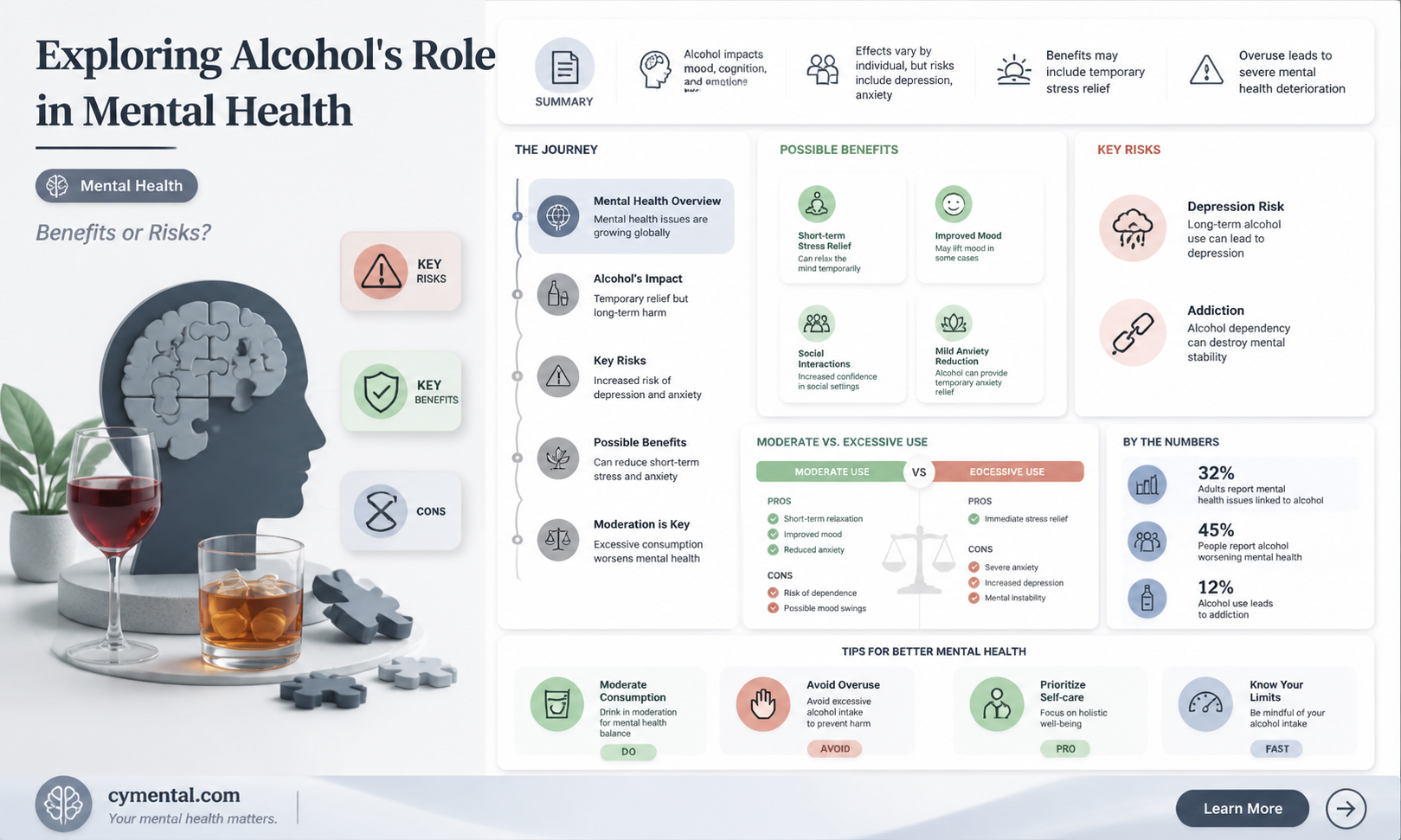
The relationship between alcohol and mental health is complex and often misunderstood. While some individuals may turn to alcohol as a temporary coping mechanism for stress, anxiety, or depression, research consistently shows that its long-term effects can exacerbate mental health issues. Alcohol is a depressant that alters brain chemistry, potentially worsening symptoms of anxiety and depression over time. Additionally, reliance on alcohol can lead to dependency, creating a vicious cycle that further deteriorates mental well-being. While moderate consumption may seem harmless, its impact varies widely depending on individual factors such as genetics, environment, and pre-existing conditions. Understanding this dynamic is crucial for addressing mental health effectively and exploring healthier alternatives for emotional support.
| Characteristics | Values |
|---|---|
| Short-term Stress Relief | Alcohol can act as a sedative, temporarily reducing feelings of anxiety or stress by increasing GABA activity in the brain. |
| Social Lubricant | Moderate alcohol use may reduce social anxiety in some individuals, facilitating social interactions. |
| Long-term Mental Health Risks | Chronic alcohol use is linked to increased risk of depression, anxiety disorders, and suicidal ideation. |
| Dependence and Addiction | Regular use can lead to alcohol dependence, worsening mental health and creating a cycle of self-medication. |
| Neurological Impact | Prolonged alcohol consumption can damage brain function, impairing cognitive abilities and emotional regulation. |
| Sleep Disruption | While alcohol may help fall asleep faster, it disrupts REM sleep, leading to poorer overall sleep quality and increased anxiety/depression. |
| Medication Interference | Alcohol can negatively interact with mental health medications, reducing their effectiveness or causing adverse effects. |
| Worsening of Symptoms | Alcohol often exacerbates symptoms of mental health conditions, such as bipolar disorder or PTSD, due to its depressant effects. |
| Increased Risk of Self-Harm | Heavy drinking is associated with higher rates of self-harm and suicidal behavior, particularly in individuals with pre-existing mental health issues. |
| Economic and Social Consequences | Alcohol misuse can lead to financial strain, relationship problems, and social isolation, further deteriorating mental health. |
| Temporary vs. Long-term Effects | Any perceived benefits of alcohol on mental health are short-lived, with long-term use causing more harm than good. |
| Alternative Coping Mechanisms | Healthier alternatives like therapy, exercise, mindfulness, and medication are more effective and sustainable for managing mental health. |
Explore related products


What You'll Learn
- Moderate Drinking and Stress Relief: Small amounts may temporarily reduce stress, but long-term effects are questionable
- Alcohol and Anxiety: Short-term calming effects can lead to increased anxiety over time
- Depression and Alcohol Use: Often self-medicated, but alcohol worsens depressive symptoms
- Social Connection Benefits: Drinking in social settings may improve mood temporarily for some
- Risks of Dependence: Regular use for mental health can lead to addiction and harm

Moderate Drinking and Stress Relief: Small amounts may temporarily reduce stress, but long-term effects are questionable
A glass of wine after a long day can feel like a quick fix for stress, but the science behind moderate drinking’s impact on mental health is far from straightforward. Research suggests that small amounts of alcohol—typically defined as one drink per day for women and up to two for men—may trigger the release of neurotransmitters like GABA, which can induce a temporary calming effect. This immediate relaxation is why many turn to alcohol as a stress reliever. However, this short-term benefit comes with a caveat: the body quickly builds tolerance, requiring more alcohol to achieve the same effect, which can lead to dependency rather than sustained stress relief.
Consider the mechanism at play. Alcohol acts as a central nervous system depressant, slowing brain activity and reducing feelings of anxiety in the moment. For instance, a 2015 study published in *Alcoholism: Clinical and Experimental Research* found that moderate drinkers reported lower stress levels immediately after consumption. Yet, this effect is fleeting. The body’s stress response system, particularly the hypothalamic-pituitary-adrenal (HPA) axis, can become dysregulated with regular alcohol use, leading to heightened stress and anxiety over time. This paradox highlights the difference between acute relief and chronic consequences.
Practical advice for those considering alcohol as a stress-relief tool is crucial. If you choose to drink, limit intake to the recommended moderate levels: one standard drink (14 grams of pure alcohol, equivalent to a 5-ounce glass of wine or 12-ounce beer) for women and two for men daily. Pairing alcohol with a balanced meal can slow absorption, reducing its immediate impact on the brain and minimizing the risk of overconsumption. Additionally, alternate alcoholic drinks with water to stay hydrated and maintain control over intake. However, it’s essential to recognize that alcohol should not replace healthier coping mechanisms like exercise, mindfulness, or therapy.
Comparing alcohol to other stress-relief methods underscores its limitations. While a moderate drink might offer temporary relief, activities like meditation, yoga, or even a brisk walk provide sustained benefits without the risk of dependency or negative long-term effects. For example, a 2018 study in *JAMA Internal Medicine* found that regular physical activity reduces stress hormones like cortisol more effectively than alcohol. Unlike alcohol, these practices strengthen the body’s resilience to stress, fostering long-term mental well-being rather than merely masking symptoms.
In conclusion, while moderate drinking may offer a brief respite from stress, its long-term efficacy is questionable and potentially harmful. The temporary relaxation it provides comes at the cost of increased tolerance, disrupted stress response systems, and the risk of dependency. For those seeking sustainable stress relief, prioritizing non-alcoholic strategies is not only safer but also more effective in building mental resilience. Alcohol’s role in mental health, if any, should be minimal and always secondary to proven, healthier alternatives.
Mental Health History: Boosting Temporary Insanity Claims in Court?
You may want to see also
Explore related products


Alcohol and Anxiety: Short-term calming effects can lead to increased anxiety over time
Alcohol’s immediate sedative effects can make it seem like a quick fix for anxiety. A single drink might lower inhibitions and induce relaxation, particularly in social settings. For instance, a 2020 study published in *Psychopharmacology* found that low doses of alcohol (equivalent to one to two standard drinks) reduced stress responses in participants. However, this short-term relief comes with a biochemical trade-off: alcohol disrupts the balance of neurotransmitters like GABA and glutamate, which regulate anxiety. While this disruption temporarily suppresses anxious feelings, it also primes the brain for heightened reactivity once the alcohol wears off.
The cycle of relief and rebound is where the danger lies. Regular use of alcohol to manage anxiety can lead to tolerance, requiring larger amounts to achieve the same calming effect. For example, someone who initially finds relief in one glass of wine might need three or four within weeks. This escalation isn’t just about quantity—it’s about frequency. A 2019 study in *The Lancet Psychiatry* linked even moderate drinking (7–14 drinks per week) to increased anxiety symptoms over time, particularly in individuals aged 25–45. The brain adapts to the presence of alcohol, recalibrating its chemistry to compensate, which can exacerbate baseline anxiety levels.
Breaking this cycle requires understanding the physiological mechanisms at play. Alcohol withdrawal, even from moderate use, can trigger symptoms like restlessness, irritability, and insomnia—all of which mimic or worsen anxiety. For instance, a person who drinks nightly to unwind might experience heightened anxiety the next day as blood alcohol levels drop. This phenomenon is often mistaken for a return of the original anxiety, leading to further drinking. To counteract this, tapering alcohol intake under professional guidance can help manage withdrawal symptoms while addressing the root cause of anxiety.
Practical strategies can mitigate the long-term risks. Limiting alcohol consumption to occasional use (no more than 1–2 drinks per occasion) and incorporating non-pharmacological anxiety management techniques, such as mindfulness or cognitive-behavioral therapy, can break the reliance on alcohol. For those with severe anxiety, consulting a healthcare provider for medication or therapy is crucial. A 2021 meta-analysis in *JAMA Psychiatry* found that combining medication with behavioral interventions reduced anxiety symptoms more effectively than either approach alone. Ultimately, while alcohol may offer fleeting relief, its long-term impact on anxiety underscores the need for sustainable, evidence-based solutions.
Supporting Mental Health: Effective Ways to Help Someone in Need
You may want to see also
Explore related products


Depression and Alcohol Use: Often self-medicated, but alcohol worsens depressive symptoms
Alcohol is often turned to as a quick fix for emotional pain, with many individuals using it to self-medicate symptoms of depression. This behavior is particularly prevalent among young adults aged 18-25, where studies show that 15-20% use alcohol to cope with depressive feelings. The immediate sedative effects of alcohol can provide temporary relief, creating a false sense of calm. However, this relief is short-lived, as alcohol is a depressant that disrupts neurotransmitter balance in the brain, exacerbating underlying mental health issues over time.
Consider the mechanism at play: alcohol increases GABA activity, which initially reduces anxiety, but simultaneously suppresses glutamate, leading to sluggish brain function. While a single drink (defined as 14 grams of pure alcohol, roughly one 5-ounce glass of wine or 12-ounce beer) might seem harmless, consistent use—especially binge drinking (4+ drinks for women, 5+ for men in 2 hours)—diminates serotonin production, a neurotransmitter critical for mood regulation. This biochemical disruption not only deepens depressive symptoms but also fosters dependency, creating a vicious cycle where alcohol becomes both the problem and the perceived solution.
From a practical standpoint, breaking this cycle requires addressing both the depression and the alcohol use simultaneously. Cognitive Behavioral Therapy (CBT) has proven effective, helping individuals identify triggers for drinking and develop healthier coping strategies. For instance, replacing evening drinking with mindfulness exercises or journaling can reduce reliance on alcohol. Additionally, medications like SSRIs, when prescribed by a healthcare provider, can stabilize mood without the sedative side effects of alcohol. It’s crucial to limit alcohol intake to moderate levels (up to 1 drink per day for women, 2 for men) if not abstaining entirely, especially during depressive episodes.
Comparing alcohol’s impact to prescribed antidepressants highlights its ineffectiveness as a treatment. While medications like fluoxetine work by gradually increasing serotonin levels over weeks, alcohol provides an immediate but fleeting dopamine spike, followed by a crash that worsens mood. This contrast underscores why self-medicating with alcohol is not only counterproductive but dangerous. Long-term use can lead to tolerance, requiring higher amounts to achieve the same effect, and withdrawal symptoms like anxiety and insomnia, which mimic or intensify depression.
In conclusion, while alcohol may offer temporary respite from depressive symptoms, its biochemical and behavioral consequences make it a harmful coping mechanism. Recognizing this pattern is the first step toward seeking evidence-based treatments. Combining therapy, medication (when appropriate), and lifestyle changes offers a sustainable path to managing depression without the pitfalls of alcohol dependency. Practical steps, such as setting drink limits, engaging in sober activities, and seeking support from mental health professionals, can help break the cycle and foster genuine recovery.
Supporting Your Child’s Mental Health: Practical Steps for Parents
You may want to see also
Explore related products


Social Connection Benefits: Drinking in social settings may improve mood temporarily for some
Alcohol's role in social settings often sparks debate, but one aspect is clear: for some, moderate drinking can temporarily enhance mood by fostering social connection. This phenomenon isn’t about the alcohol itself but the context in which it’s consumed. Sharing a drink with friends or colleagues can lower inhibitions, ease anxiety, and create a sense of camaraderie. For instance, a 2015 study published in *Psychopharmacology* found that low doses of alcohol (equivalent to one or two standard drinks) increased participants’ feelings of sociability and relaxation in a controlled social environment. However, the key here is moderation—typically defined as up to one drink per day for women and up to two for men, according to dietary guidelines. Exceeding this can quickly shift the experience from beneficial to detrimental.
Consider the mechanics of this temporary mood boost. Alcohol acts as a central nervous system depressant, initially reducing stress and promoting a sense of ease. In social settings, this effect can make individuals feel more comfortable engaging in conversation or bonding activities. For example, a casual happy hour after work might help someone who struggles with social anxiety feel more at ease, allowing them to connect with coworkers on a deeper level. Yet, this effect is highly individual; not everyone responds the same way, and factors like genetics, mental health history, and drinking habits play a role. Practical tip: if you’re using alcohol to ease social anxiety, pair it with non-alcoholic strategies like deep breathing or setting a drink limit to maintain control.
The comparative perspective is also worth exploring. While alcohol can temporarily improve mood in social settings, it’s not the only—or necessarily the healthiest—way to achieve this. Alternatives like caffeine or even placebo drinks have been shown to produce similar social-enhancing effects in some studies, suggesting that the ritual of sharing a beverage, rather than the alcohol itself, may be the driving force. For instance, a 2019 study in *Journal of Psychopharmacology* found that participants who believed they were drinking alcohol (but were actually consuming a placebo) reported increased sociability, highlighting the power of expectation and context. This raises an important takeaway: if social connection is the goal, focus on the setting and company rather than relying solely on alcohol.
Finally, it’s crucial to weigh the risks against the benefits. While occasional, moderate drinking in social settings may offer a temporary mood lift, it’s not a sustainable or universally safe strategy. For individuals with a history of substance abuse, mental health disorders, or certain medications, even small amounts of alcohol can be harmful. Additionally, the temporary relief it provides doesn’t address underlying issues like chronic anxiety or depression. Practical advice: if you notice a pattern of relying on alcohol to feel socially comfortable, consider consulting a mental health professional for alternative strategies. In the end, the social connection benefits of drinking are real for some, but they come with caveats that demand careful consideration.
Supporting Through Crisis: Essential Steps to Aid Mental Health Emergencies
You may want to see also
Explore related products




Risks of Dependence: Regular use for mental health can lead to addiction and harm
Alcohol's temporary calming effects can mask deeper mental health issues, creating a dangerous illusion of relief. While a single drink might seem to ease anxiety or lift mood, repeated use to self-medicate can quickly spiral into dependence. The brain adapts to the presence of alcohol, requiring more to achieve the same effect and triggering withdrawal symptoms when consumption stops. This cycle, driven by the brain's neurochemical changes, is the hallmark of addiction. For individuals already vulnerable due to mental health struggles, this risk is exponentially higher. Studies show that those with depression, anxiety, or PTSD are twice as likely to develop alcohol use disorder compared to the general population.
Example: A person experiencing chronic stress might find temporary solace in a nightly glass of wine. Over time, one glass becomes two, then three, as tolerance builds and the initial calming effect diminishes. Soon, skipping the evening ritual leads to restlessness, irritability, and heightened anxiety, classic signs of withdrawal and dependence.
The progression from occasional use to dependence is often subtle, making it crucial to recognize early warning signs. Increased frequency of drinking, unsuccessful attempts to cut back, and prioritizing alcohol over responsibilities are red flags. Physical symptoms like tremors, insomnia, and nausea upon cessation further indicate a developing problem. *Analysis:* The National Institute on Alcohol Abuse and Alcoholism defines moderate drinking as up to one drink per day for women and two for men. Exceeding these limits, especially consistently, significantly increases the risk of dependence, particularly when used as a coping mechanism for mental health issues.
Takeaway: While alcohol may provide fleeting relief, its potential for harm far outweighs any perceived benefits. Recognizing the signs of dependence and seeking professional help early is crucial for breaking the cycle before it leads to long-term damage.
Breaking free from alcohol dependence requires a multi-faceted approach. *Steps:* 1. Acknowledge the problem: Admitting the need for change is the first step. 2. Seek professional support: Therapists, counselors, and support groups provide invaluable guidance and accountability. 3. Address underlying issues: Treating the root causes of mental health struggles is essential for lasting recovery. 4. Develop healthy coping mechanisms: Finding alternative ways to manage stress and emotions, such as exercise, meditation, or creative outlets, is crucial. *Cautions:* Detoxing from alcohol can be dangerous and should be done under medical supervision. Withdrawal symptoms can be severe and even life-threatening.
Conclusion: Overcoming alcohol dependence is challenging, but with the right support and strategies, recovery is possible. Prioritizing mental health through healthy coping mechanisms and professional guidance offers a sustainable path to well-being, free from the grip of addiction.
Supporting Mental Health: Practical Ways to Help Someone in Need
You may want to see also
Frequently asked questions
While alcohol may provide temporary relief from stress and anxiety, it is not a healthy or sustainable solution. Alcohol is a depressant and can worsen anxiety and depression over time, leading to dependence and other mental health issues.
Some studies suggest that moderate alcohol consumption might have a temporary calming effect or social benefits, but these are outweighed by the risks. Even moderate drinking can disrupt sleep, impair judgment, and contribute to long-term mental health problems.
Using alcohol as a coping mechanism is harmful and can lead to addiction, worsened mental health, and physical health issues. Healthier alternatives include therapy, exercise, mindfulness, and seeking support from friends or professionals.
Alcohol may temporarily enhance mood or reduce inhibitions, but it often leads to mood swings, irritability, and impaired judgment. Relying on alcohol for social interactions can also mask underlying issues and hinder genuine connections.