Noah Parker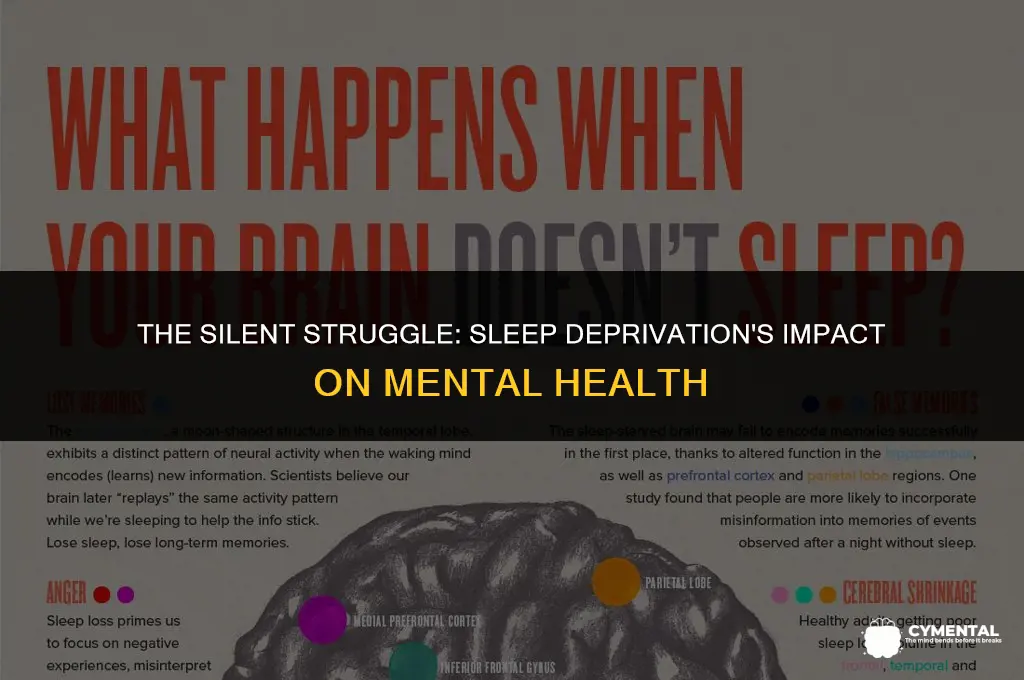
Sleep deprivation has a profound impact on mental health, affecting cognitive function, emotional regulation, and overall well-being. Chronic lack of sleep can lead to increased symptoms of anxiety and depression, impairing one's ability to cope with stress and daily challenges. Additionally, sleep deprivation can exacerbate existing mental health conditions, making it crucial to prioritize adequate rest for maintaining psychological resilience.
Explore related products


What You'll Learn
- Cognitive Impairment: Sleep deprivation can lead to difficulties in concentration, memory, and decision-making
- Mood Disturbances: Lack of sleep can cause irritability, anxiety, and depression, exacerbating existing mental health conditions
- Psychosis Risk: Severe sleep deprivation may trigger psychotic episodes, particularly in individuals with a predisposition
- Emotional Regulation: Sleep helps regulate emotions; deprivation can result in heightened emotional responses and instability
- Suicidal Thoughts: Chronic sleep deprivation is associated with an increased risk of suicidal ideation and attempts

Cognitive Impairment: Sleep deprivation can lead to difficulties in concentration, memory, and decision-making
Sleep deprivation has a profound impact on cognitive functions, significantly impairing concentration, memory, and decision-making abilities. Research indicates that even a single night of inadequate sleep can reduce attention span and increase the likelihood of making errors. This impairment is comparable to the effects of alcohol intoxication, highlighting the severity of sleep deprivation on mental performance.
One of the primary ways sleep deprivation affects cognition is by disrupting the brain's ability to consolidate memories. During sleep, the brain processes and stores information from the day, transferring it from short-term to long-term memory. Without sufficient sleep, this process is hindered, leading to forgetfulness and difficulty recalling information. Studies have shown that sleep-deprived individuals perform poorly on memory tests, and this deficit can persist even after a period of catch-up sleep.
Decision-making is another critical cognitive function adversely affected by sleep deprivation. When well-rested, the brain can effectively weigh options, consider consequences, and make rational choices. However, sleep-deprived brains struggle with this process, often leading to impulsive decisions and a decreased ability to anticipate and respond to potential risks. This can have serious implications in both personal and professional settings, where poor decision-making can lead to accidents, financial losses, or damaged relationships.
Furthermore, sleep deprivation can exacerbate existing mental health conditions, such as anxiety and depression. The cognitive impairments caused by lack of sleep can contribute to the development of negative thought patterns and emotional instability, making it more challenging for individuals to manage their mental health effectively. In some cases, chronic sleep deprivation can even lead to the onset of psychiatric disorders.
To mitigate the cognitive effects of sleep deprivation, it is essential to prioritize good sleep hygiene practices. This includes maintaining a consistent sleep schedule, creating a restful sleep environment, and avoiding stimulants such as caffeine and electronics before bedtime. In cases where sleep deprivation is unavoidable, such as during periods of high stress or workload, it is crucial to recognize the signs of cognitive impairment and take steps to minimize risks, such as delegating tasks or seeking support from colleagues.
In conclusion, sleep deprivation poses a significant threat to cognitive health, impacting concentration, memory, and decision-making abilities. By understanding the mechanisms behind these impairments and adopting strategies to promote better sleep, individuals can protect their mental performance and overall well-being.
Unveiling the Impact: Mental Illness and Brain Function Explored
You may want to see also
Explore related products


Mood Disturbances: Lack of sleep can cause irritability, anxiety, and depression, exacerbating existing mental health conditions
Chronic sleep deprivation has a profound impact on mood regulation, often leading to irritability, anxiety, and depression. These mood disturbances can significantly exacerbate existing mental health conditions, creating a vicious cycle that is difficult to break. For instance, individuals with anxiety disorders may find that lack of sleep intensifies their anxious thoughts and feelings, making it harder to manage their condition effectively.
One of the key mechanisms by which sleep deprivation affects mood is through the disruption of neurotransmitter balance in the brain. Sleep plays a crucial role in maintaining the proper functioning of neurotransmitters such as serotonin, dopamine, and norepinephrine, which are essential for regulating mood, motivation, and emotional responses. When sleep is consistently inadequate, these neurotransmitter systems can become imbalanced, leading to the development of mood disorders.
Moreover, sleep deprivation can impair cognitive function, including attention, memory, and decision-making abilities. This cognitive impairment can further contribute to mood disturbances, as individuals may feel overwhelmed and stressed by their inability to perform tasks effectively. In addition, the physical symptoms of sleep deprivation, such as fatigue and bodily aches, can also contribute to a decline in mood, making it challenging for individuals to maintain a positive outlook.
It is also important to note that the impact of sleep deprivation on mood can vary depending on individual factors such as age, gender, and genetic predisposition. For example, adolescents and young adults may be more susceptible to mood disturbances due to sleep deprivation, as their brains are still developing and are more sensitive to the effects of sleep loss. Similarly, individuals with a family history of mental health conditions may be at a higher risk of developing mood disorders as a result of chronic sleep deprivation.
In conclusion, addressing sleep disturbances is a critical component of managing mental health conditions. By prioritizing sleep hygiene and seeking treatment for sleep disorders, individuals can improve their mood regulation and overall mental well-being. It is essential for healthcare providers to recognize the bidirectional relationship between sleep and mental health, and to incorporate sleep assessments and interventions into their treatment plans for patients with mood disorders.
Exploring the Impact of Internet Usage on Mental Health
You may want to see also
Explore related products


Psychosis Risk: Severe sleep deprivation may trigger psychotic episodes, particularly in individuals with a predisposition
Severe sleep deprivation has been identified as a potential trigger for psychotic episodes, particularly in individuals who may already be predisposed to such conditions. This connection underscores the critical role that sleep plays in maintaining mental health and stability. Psychosis, characterized by a disconnection from reality, can manifest in various forms, including hallucinations, delusions, and disorganized thinking. When sleep deprivation is severe and prolonged, it can significantly increase the risk of these symptoms emerging or worsening.
Research has shown that sleep disturbances can affect the brain's ability to process information and regulate emotions, which are key factors in the development of psychotic disorders. For individuals with a genetic or environmental predisposition to psychosis, lack of sleep can act as a catalyst, bringing forward the onset of symptoms or exacerbating existing ones. This is particularly concerning for populations such as students, military personnel, and healthcare workers, who may experience extended periods of sleep deprivation due to their demanding schedules or high-stress environments.
It is essential to recognize the signs of sleep deprivation and take proactive steps to address them before they escalate to more severe mental health issues. Strategies such as maintaining a consistent sleep schedule, creating a restful sleep environment, and practicing relaxation techniques can be effective in mitigating the risks associated with sleep deprivation. Additionally, seeking professional help when sleep problems persist or when symptoms of psychosis begin to emerge is crucial for early intervention and treatment.
In conclusion, the link between severe sleep deprivation and psychosis risk highlights the importance of prioritizing sleep as a fundamental aspect of mental health. By understanding this relationship and taking appropriate measures to ensure adequate sleep, individuals can reduce their vulnerability to psychotic episodes and maintain overall well-being.
Harmonizing Minds: The Powerful Impact of Music on Mental Health
You may want to see also
Explore related products


$11.74


Emotional Regulation: Sleep helps regulate emotions; deprivation can result in heightened emotional responses and instability
Sleep plays a critical role in emotional regulation, acting as a natural reset button for our emotional responses. During sleep, the brain processes and consolidates emotional experiences, helping to reduce their intensity and promote emotional stability. However, when sleep is deprived, this regulatory process is disrupted, leading to heightened emotional responses and instability.
Research has shown that sleep deprivation can significantly impact emotional regulation, making individuals more prone to irritability, anxiety, and mood swings. This is because sleep helps to dampen the activity of the amygdala, the brain's emotional center, and deprivation can lead to an overactive amygdala, resulting in exaggerated emotional reactions.
Furthermore, sleep deprivation can impair cognitive functions such as attention, memory, and decision-making, which are essential for effective emotional regulation. When these functions are compromised, individuals may struggle to manage their emotions, leading to impulsive behaviors and poor decision-making.
In addition to its impact on emotional regulation, sleep deprivation can also exacerbate existing mental health conditions such as depression and anxiety. This is because sleep plays a crucial role in maintaining the balance of neurotransmitters such as serotonin and dopamine, which are essential for mood regulation.
To mitigate the effects of sleep deprivation on emotional regulation, it is essential to prioritize good sleep hygiene practices such as maintaining a consistent sleep schedule, creating a relaxing sleep environment, and avoiding stimulating activities before bedtime. In cases where sleep deprivation is unavoidable, such as during periods of high stress or workload, it is important to practice stress management techniques such as deep breathing, meditation, and physical exercise to help regulate emotions.
In conclusion, sleep is a vital component of emotional regulation, and deprivation can have significant consequences for mental health. By understanding the importance of sleep and implementing good sleep hygiene practices, individuals can better manage their emotions and maintain overall well-being.
The Ripple Effect: Mental Health's Impact on Society
You may want to see also
Explore related products
![Insomnia (The Criterion Collection) [Blu-ray]](https://m.media-amazon.com/images/I/71OhwWxtDUL._AC_UY218_.jpg)


Suicidal Thoughts: Chronic sleep deprivation is associated with an increased risk of suicidal ideation and attempts
Chronic sleep deprivation has a profound impact on mental health, significantly increasing the risk of suicidal ideation and attempts. This is a critical concern that warrants immediate attention, as sleep disturbances are often overlooked as a potential precursor to suicidal behavior. Research indicates that individuals who experience prolonged periods of insufficient sleep are more likely to develop suicidal thoughts and engage in self-harming behaviors.
One possible explanation for this correlation is the effect of sleep deprivation on cognitive function and emotional regulation. When individuals are sleep-deprived, their ability to process information, make rational decisions, and regulate their emotions is severely impaired. This can lead to a heightened sense of hopelessness, helplessness, and despair, which are common precursors to suicidal ideation.
Furthermore, sleep deprivation can exacerbate existing mental health conditions, such as depression and anxiety, which are already associated with an increased risk of suicide. In individuals with these conditions, chronic sleep disturbances can further destabilize their mental state, making them more vulnerable to suicidal thoughts and behaviors.
It is essential to recognize the warning signs of sleep deprivation and take proactive steps to address this issue. Some common indicators of sleep deprivation include persistent fatigue, difficulty concentrating, irritability, and mood disturbances. If left unaddressed, these symptoms can escalate, leading to more severe mental health consequences, including suicidal ideation.
To mitigate the risk of suicidal thoughts associated with sleep deprivation, it is crucial to prioritize sleep hygiene and seek professional help when necessary. This may involve establishing a consistent sleep schedule, creating a relaxing bedtime routine, and avoiding stimulants such as caffeine and electronics before bedtime. In cases where sleep disturbances persist, consulting a healthcare professional or a sleep specialist can provide valuable guidance and support.
In conclusion, the relationship between chronic sleep deprivation and suicidal ideation is a significant mental health concern that requires awareness and action. By recognizing the signs of sleep deprivation and taking steps to address this issue, individuals can reduce their risk of developing suicidal thoughts and behaviors, ultimately promoting better mental health and well-being.
The Impact of Procrastination on Mental Health: A Comprehensive Guide
You may want to see also
Frequently asked questions
Sleep deprivation can lead to immediate effects such as irritability, mood swings, and decreased cognitive function. It can also exacerbate symptoms of existing mental health conditions like depression and anxiety.
Chronic sleep deprivation can have severe long-term impacts on mental health, including an increased risk of developing psychiatric disorders such as depression, anxiety, and bipolar disorder. It can also lead to a decline in cognitive performance and memory.
Yes, sleep deprivation can trigger psychotic episodes in individuals with schizophrenia. Lack of sleep can disrupt the balance of neurotransmitters in the brain, leading to an increase in symptoms such as hallucinations and delusions.
Strategies to mitigate the effects of sleep deprivation on mental health include maintaining a consistent sleep schedule, creating a relaxing bedtime routine, avoiding caffeine and alcohol before bedtime, and engaging in regular physical activity. Cognitive Behavioral Therapy for Insomnia (CBT-I) can also be an effective treatment option.