Harper Lewis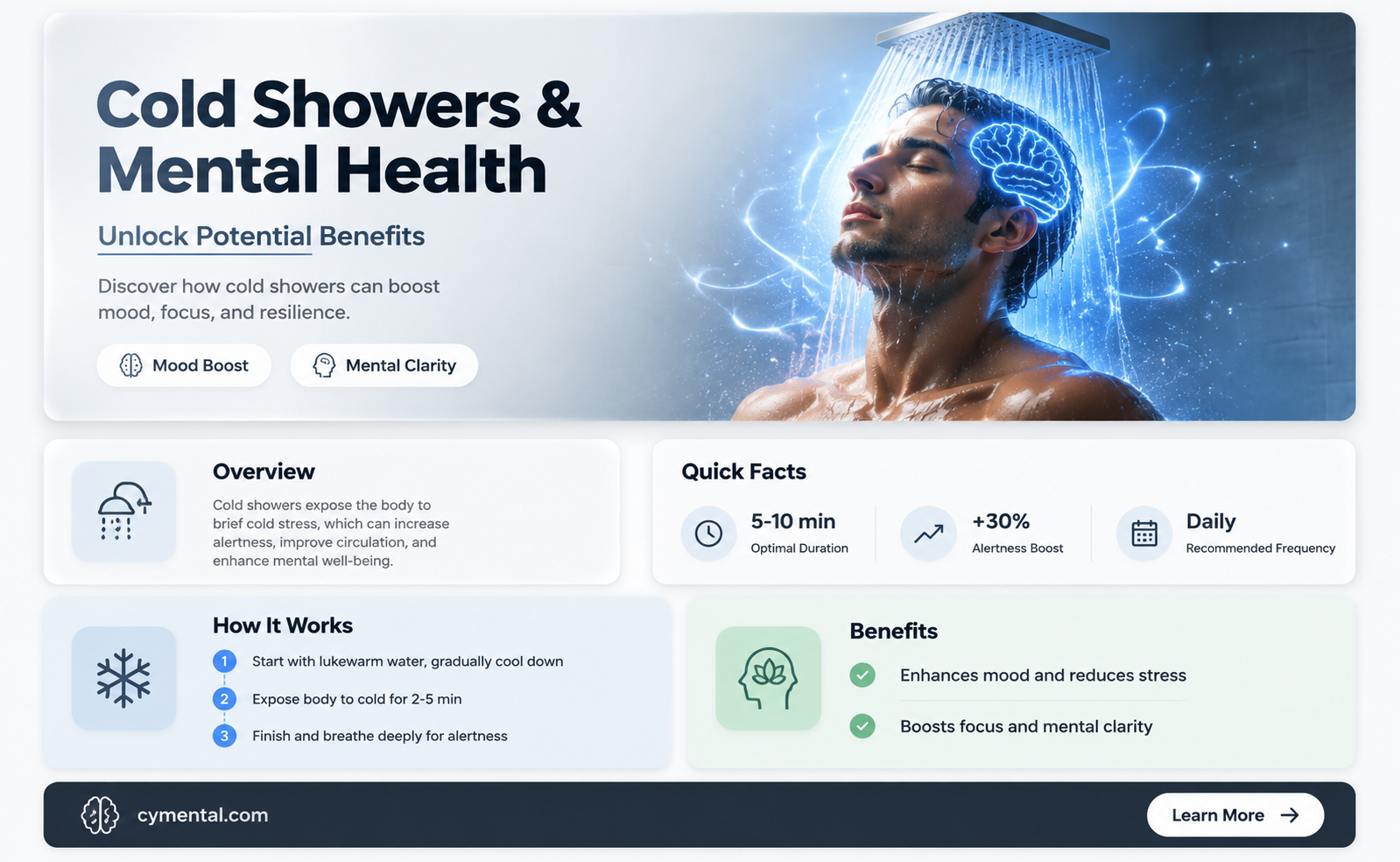
Cold showers have gained attention as a potential tool for improving mental health, with proponents suggesting they can reduce stress, boost mood, and enhance overall well-being. The practice is rooted in the body’s physiological response to cold exposure, which triggers the release of endorphins, often referred to as feel-good hormones, and activates the sympathetic nervous system, promoting alertness and focus. Additionally, cold showers are believed to reduce inflammation and cortisol levels, the body’s primary stress hormone, which may contribute to a calmer mental state. While anecdotal evidence and some studies support these claims, further research is needed to fully understand the long-term effects of cold showers on mental health. Nonetheless, many individuals incorporate this practice into their routines as a simple, accessible way to potentially support their mental well-being.
| Characteristics | Values |
|---|---|
| Stress Reduction | Cold showers may stimulate the blue spot area in the brain, which is linked to stress relief. Studies suggest a potential decrease in cortisol levels, though results vary. |
| Mood Enhancement | Exposure to cold water can trigger the release of endorphins, often referred to as "feel-good" hormones, potentially improving mood and reducing symptoms of depression. |
| Alertness & Focus | Cold showers can increase heart rate and oxygen intake, leading to heightened alertness and improved focus. |
| Resilience to Stress | Regular cold showers may help build psychological resilience to stress by habituating the body to discomfort. |
| Anti-Inflammatory Effects | Cold therapy has been shown to reduce inflammation, which is linked to various mental health conditions. |
| Sleep Quality | Some individuals report improved sleep quality after cold showers, possibly due to the regulation of body temperature and stress reduction. |
| Anxiety Reduction | The intense sensory experience of a cold shower can act as a form of mindfulness, potentially reducing anxiety symptoms. |
| Note: | Research is ongoing, and individual experiences may vary. Consult a healthcare professional for personalized advice. |
Explore related products


What You'll Learn

Stress reduction through cold showers
Cold showers act as a physiological reset button for stress. When you step into a cold shower, your body responds by increasing heart rate and deepening breathing—a reaction akin to the "fight or flight" response. This immediate activation of the sympathetic nervous system is followed by a compensatory surge in parasympathetic activity, promoting relaxation. Research suggests that this process can lower cortisol levels, the hormone associated with stress, by up to 25% after consistent exposure. For optimal results, aim for 2–3 minutes of cold water exposure daily, gradually increasing duration as tolerance builds.
The practice of cold showers for stress relief is rooted in both ancient traditions and modern science. Nordic cultures have long embraced cold water immersion for its calming effects, while contemporary studies validate its impact on mood regulation. A 2008 study published in *Medical Hypotheses* proposed that cold showers stimulate the release of endorphins, the body’s natural painkillers and mood elevators. To incorporate this into your routine, start with lukewarm water and gradually lower the temperature over 30 seconds before fully immersing. Avoid sudden temperature shocks, especially if you have cardiovascular concerns.
Comparing cold showers to other stress-relief methods highlights their efficiency and accessibility. Unlike meditation or exercise, which require time and focus, cold showers can be integrated into daily hygiene routines. They are particularly beneficial for individuals with busy schedules or those seeking immediate stress relief. However, cold showers are not a standalone solution for chronic stress. Pair them with mindfulness practices or therapy for a holistic approach. For best results, take a cold shower in the morning to energize your day or in the evening to unwind after a stressful workday.
Practical tips can enhance the stress-reducing benefits of cold showers. Begin with deep breathing exercises before stepping in to calm your mind. Focus on slow, controlled breaths during the shower to maintain relaxation. Afterward, wrap yourself in a warm towel and spend 5–10 minutes in quiet reflection to extend the calming effect. For those new to the practice, start with 30-second bursts of cold water and gradually increase exposure. Consistency is key—aim for daily showers to train your body’s stress response over time.
While cold showers are generally safe, certain precautions are essential. Individuals with heart conditions, high blood pressure, or respiratory issues should consult a doctor before starting. Pregnant women and children under 12 should avoid prolonged cold exposure. Listen to your body—if you feel dizzy or unwell, exit the shower immediately. Despite these cautions, cold showers remain a simple, cost-effective tool for managing stress. By understanding their mechanism and applying practical techniques, anyone can harness their calming power to foster mental resilience.
Comic Books and Cartoons: Unlocking Mental Health Benefits Through Art
You may want to see also
Explore related products



Cold showers and mood enhancement
Cold showers have been touted as a simple, cost-effective way to boost mood and mental clarity. The science behind this practice lies in the body’s response to cold stress, which triggers the release of endorphins—often referred to as "feel-good" hormones. These endorphins act as natural painkillers and mood elevators, creating a sense of euphoria and well-being. For instance, a 2007 study published in *Medical Hypotheses* suggested that cold showers could alleviate symptoms of depression by stimulating the brain’s "blue spot," an area linked to mood regulation. To harness this effect, start with 30-second bursts of cold water at the end of your shower, gradually increasing to 2–3 minutes as your tolerance builds.
While the physiological benefits are compelling, the psychological impact of cold showers is equally noteworthy. The act of enduring discomfort fosters mental resilience, teaching the mind to adapt to stress. This practice aligns with the principles of hormesis—the idea that low doses of stress can strengthen the body and mind. For example, athletes often use cold therapy to improve recovery and mental toughness. Incorporating cold showers into your routine can serve as a daily micro-challenge, reinforcing a mindset of discipline and control. Begin by setting a consistent time for your cold shower, such as first thing in the morning, to establish a ritual that primes your mind for the day ahead.
Critics argue that the mood-enhancing effects of cold showers may be short-lived or placebo-driven, but anecdotal evidence and emerging research suggest otherwise. A 2016 study in the *Journal of Medical Hypotheses and Ideas* proposed that cold showers could reduce symptoms of anxiety by lowering levels of uric acid, a compound linked to stress. Additionally, the shock of cold water activates the sympathetic nervous system, increasing alertness and focus. For optimal results, combine cold showers with deep breathing exercises—inhale deeply before stepping into the cold water and exhale slowly as you adjust. This technique maximizes the calming effect and minimizes discomfort.
Practicality is key when integrating cold showers into your mental health routine. Start slowly, especially if you’re new to the practice, and avoid extreme temperatures that could cause shock. Individuals with cardiovascular conditions or Raynaud’s disease should consult a doctor before attempting cold therapy. For those seeking a structured approach, consider the "Wim Hof Method," which pairs cold exposure with breathing techniques to enhance mental and physical resilience. While not a cure-all, cold showers offer a tangible, accessible tool for mood enhancement, grounded in both science and tradition. Consistency is crucial—aim for daily or near-daily exposure to build lasting benefits.
Post-Pandemic Mental Health: Are Younger Generations Seeking More Support?
You may want to see also
Explore related products




Impact on anxiety levels
Cold showers have been touted as a simple, accessible tool for managing anxiety, but their effectiveness hinges on both physiological responses and consistent practice. When you expose your body to cold water, it triggers the activation of the sympathetic nervous system, leading to an immediate increase in heart rate and alertness. This "shock" response mimics the body's reaction to stress, which may seem counterintuitive for anxiety relief. However, repeated exposure trains the body to recover more quickly from stress, fostering resilience over time. For instance, a 2018 study published in the *Medical Hypotheses* journal suggested that cold showers could blunt the body’s exaggerated response to future stressors, potentially reducing anxiety symptoms. To harness this benefit, start with 30-second cold showers daily, gradually increasing to 2–3 minutes as tolerance builds.
The role of cold showers in anxiety management also ties to their impact on neurotransmitters and hormones. Cold exposure stimulates the release of endorphins, often referred to as "feel-good" hormones, which can counteract feelings of anxiety. Additionally, it lowers cortisol levels, the primary stress hormone, particularly when practiced in the morning. A practical tip is to pair cold showers with deep breathing exercises—inhale deeply before stepping in, and exhale slowly once the cold hits. This combination amplifies the calming effect by engaging the parasympathetic nervous system, which promotes relaxation. For best results, aim for consistency; irregular use may yield minimal impact on anxiety levels.
While cold showers show promise, they are not a one-size-fits-all solution. Individuals with certain medical conditions, such as cardiovascular issues or Raynaud’s disease, should consult a healthcare provider before incorporating this practice. Moreover, cold showers work best as a complementary tool rather than a standalone treatment for anxiety disorders. For example, combining them with therapy, meditation, or medication can enhance overall efficacy. A cautionary note: avoid overly long exposures, as prolonged cold stress can lead to discomfort or even hypothermia. Stick to 2–5 minutes per session, and always listen to your body’s signals.
Comparatively, cold showers offer a low-cost, drug-free alternative to traditional anxiety management methods, making them particularly appealing for those seeking holistic approaches. Unlike medications, which may have side effects or dependency risks, cold showers carry minimal risks when practiced responsibly. However, their effectiveness varies by individual—some report immediate relief, while others notice gradual improvements over weeks. To maximize benefits, incorporate them into a morning routine, as this can set a calm tone for the day. Pairing them with mindfulness practices, such as focusing on the sensation of the water, can further enhance their anxiety-reducing potential.
In conclusion, cold showers can be a valuable addition to an anxiety management toolkit, provided they are used thoughtfully and consistently. Their ability to modulate stress responses, balance hormones, and promote resilience makes them a compelling natural intervention. However, they are not a cure-all, and their success depends on individual factors such as tolerance, health status, and adherence. Start small, stay consistent, and combine them with other strategies for optimal results. As with any new practice, patience and experimentation are key to unlocking their full potential.
Family Doctors: Your First Line in Mental Health Support?
You may want to see also
Explore related products


Cold therapy for depression symptoms
Cold showers, a form of cold therapy, have been explored as a potential adjunctive treatment for depression symptoms, leveraging the body’s physiological responses to low temperatures. When exposed to cold, the body releases endorphins, often referred to as "feel-good" hormones, which can temporarily elevate mood. Studies suggest that cold therapy may also reduce inflammation and increase norepinephrine levels, a neurotransmitter linked to improved alertness and mood regulation. For individuals with depression, incorporating cold showers into a routine could offer a natural, non-invasive way to complement traditional treatments like medication or therapy.
To implement cold therapy effectively, start gradually. Begin with a warm shower, then lower the temperature for the final 30–60 seconds. Over time, extend the cold exposure to 2–3 minutes. Consistency is key; aim for daily or near-daily sessions to maximize potential benefits. For safety, avoid extremely cold temperatures if you have cardiovascular issues or are pregnant, and always consult a healthcare provider before starting. Practical tips include focusing on your breath to manage discomfort and using a timer to track progress.
Comparing cold showers to other mood-boosting practices, such as exercise or meditation, highlights their accessibility and immediacy. Unlike a gym session or mindfulness routine, cold showers require minimal time and no special equipment. However, they are not a standalone cure for depression but rather a tool to manage symptoms. For instance, while exercise increases serotonin and endorphins over time, cold therapy provides a rapid, short-term boost, making it a valuable addition to a holistic approach.
A descriptive account of the experience reveals both challenges and rewards. The initial shock of cold water can be intense, often triggering a gasp reflex or heightened heart rate. However, as the body adapts, many report a sense of clarity and calm afterward, akin to a "reset" for the mind. This post-shower euphoria, combined with the discipline required to maintain the practice, can foster a sense of accomplishment, indirectly combating feelings of helplessness often associated with depression.
In conclusion, cold therapy, particularly through cold showers, offers a simple yet powerful way to address depression symptoms. By understanding its mechanisms, starting gradually, and integrating it thoughtfully into a broader wellness plan, individuals can harness its potential benefits. While not a cure-all, it serves as a practical, cost-effective strategy to enhance mental well-being, one shower at a time.
Seeking Support: A Guide to Accessing Mental Health Assistance
You may want to see also
Explore related products




Mental resilience and cold exposure
Cold exposure, particularly through practices like cold showers, has been linked to enhanced mental resilience—the ability to adapt and bounce back from stress, adversity, or trauma. This connection stems from the body’s physiological response to cold, which triggers the release of stress hormones like norepinephrine and endorphins. These chemicals not only prepare the body for immediate challenges but also train the mind to handle future stressors more effectively. For instance, a 2018 study published in the *Medical Hypotheses* journal suggested that regular cold exposure could reduce symptoms of depression and anxiety by modulating the body’s stress response.
To build mental resilience through cold showers, start gradually. Begin with 30 seconds of cold water at the end of your regular shower, increasing the duration by 10–15 seconds each week. Aim for 2–3 minutes of full cold exposure within a month. Consistency is key; daily practice yields the most noticeable benefits. For those new to cold therapy, focus on deep, controlled breathing during exposure to minimize discomfort and maximize the calming effect on the nervous system.
A comparative analysis reveals that cold showers may offer a unique advantage over other resilience-building practices like meditation or exercise. While meditation calms the mind and exercise strengthens the body, cold exposure simultaneously challenges both physical and mental fortitude. It acts as a micro-stressor, teaching the brain to remain composed under pressure. For example, athletes often use ice baths to recover physically, but the mental discipline required to endure the cold translates into greater emotional resilience off the field.
Practical tips for optimizing this practice include showering in the morning to energize the mind and set a resilient tone for the day. Pairing cold exposure with positive affirmations can further reinforce mental toughness. However, caution is advised for individuals with cardiovascular conditions or Raynaud’s disease, as extreme cold can exacerbate these issues. Always consult a healthcare provider before starting any new wellness regimen.
In conclusion, cold showers are a simple yet powerful tool for cultivating mental resilience. By systematically exposing the body to controlled stress, individuals can train their minds to remain calm and adaptable in the face of life’s challenges. With consistent practice and mindful techniques, this ancient practice can become a modern cornerstone of mental health and emotional strength.
Prisoner Mental Health Support: Accessing Care Behind Bars
You may want to see also
Frequently asked questions
Yes, cold showers can positively impact mental health by reducing stress, improving mood, and increasing alertness. The cold water stimulates the release of endorphins, often referred to as "feel-good" hormones, which can alleviate symptoms of anxiety and depression.
Consistency is key. Taking cold showers 2–3 times per week can provide noticeable mental health benefits. Start with shorter durations (30 seconds to 1 minute) and gradually increase as you become more comfortable.
No, cold showers are a complementary practice and should not replace professional treatment like therapy or medication. They can, however, be a helpful addition to a holistic mental health routine when combined with other evidence-based strategies.