Ava Ramirez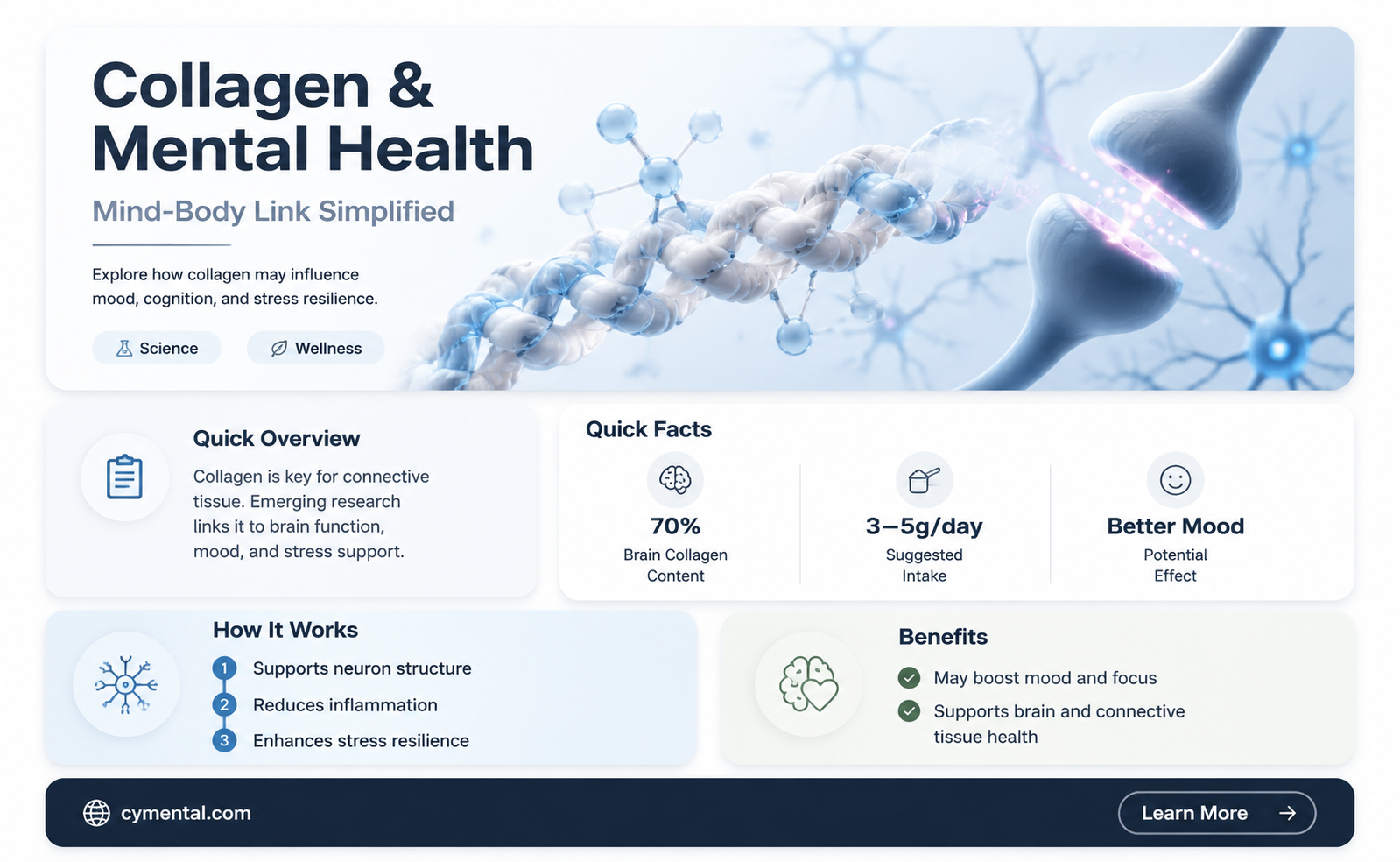
Collagen, primarily known for its role in skin elasticity and joint health, is increasingly being explored for its potential benefits on mental health. Emerging research suggests that collagen may influence brain function and mood regulation, possibly due to its amino acid composition, particularly glycine and proline, which are involved in neurotransmitter production and reducing inflammation. Additionally, collagen’s ability to support gut health may indirectly impact mental well-being, as a healthy gut-brain axis is linked to reduced anxiety and depression. While studies are still in their early stages, anecdotal evidence and preliminary findings hint at collagen’s potential as a complementary approach to mental health support, though further research is needed to establish definitive conclusions.
| Characteristics | Values |
|---|---|
| Anxiety Reduction | Limited evidence suggests collagen may indirectly support mental health by improving gut health, which is linked to reduced anxiety via the gut-brain axis. |
| Mood Enhancement | Collagen contains amino acids like glycine and proline, which may play a role in neurotransmitter regulation, potentially influencing mood. However, direct evidence is lacking. |
| Stress Resilience | Glycine, found in collagen, has been studied for its potential to reduce stress responses and improve sleep quality, which can indirectly benefit mental health. |
| Cognitive Function | No direct evidence supports collagen's role in cognitive function, though overall health improvements from collagen supplementation may indirectly support brain health. |
| Depression | No significant studies directly link collagen supplementation to depression relief. Any potential benefits are likely indirect, such as through improved overall health. |
| Scientific Consensus | Current research is insufficient to conclusively prove collagen's direct impact on mental health. Most benefits are theoretical or indirect. |
| Mechanism | Collagen may support mental health by improving gut integrity, reducing inflammation, and providing amino acids involved in neurotransmitter synthesis. |
| Recommended Dosage | No specific dosage is established for mental health benefits; general collagen supplementation ranges from 10-20 grams daily. |
| Side Effects | Generally considered safe, but some individuals may experience digestive issues or allergic reactions. |
| Alternative Approaches | Other supplements like omega-3 fatty acids, magnesium, and vitamin D have stronger evidence for mental health benefits. |
Explore related products




What You'll Learn

Collagen's role in brain structure and function
Collagen, the body's most abundant protein, is often associated with skin elasticity and joint health, but its role in brain structure and function is equally compelling. The brain's extracellular matrix (ECM), a network that supports neural cells, is rich in collagen, particularly types I, III, and IV. These collagen fibers provide structural integrity, facilitating communication between neurons and protecting them from damage. Emerging research suggests that collagen may influence synaptic plasticity, the brain’s ability to form and reorganize synaptic connections, which is crucial for learning and memory.
Consider the brain’s blood-brain barrier (BBB), a critical structure that regulates the passage of substances between the bloodstream and the central nervous system. Collagen, especially type IV, is a key component of the BBB’s basement membrane. A compromised BBB is linked to neurodegenerative diseases like Alzheimer’s and Parkinson’s, as well as mental health disorders such as depression and anxiety. By supporting the integrity of the BBB, collagen may indirectly contribute to mental health by preventing harmful substances from entering the brain while ensuring essential nutrients pass through.
To harness collagen’s potential for brain health, practical steps can be taken. Incorporating collagen-rich foods like bone broth, fish, and chicken skin into your diet is a natural way to boost intake. For those seeking convenience, hydrolyzed collagen supplements (typically 10–20 grams daily) are widely available and easily absorbed. However, it’s essential to choose high-quality sources, as not all supplements are created equal. Pairing collagen with vitamin C-rich foods enhances its synthesis, as vitamin C is a cofactor in collagen production.
While the link between collagen and mental health is promising, it’s not a standalone solution. Collagen’s role in brain structure and function complements other lifestyle factors like regular exercise, adequate sleep, and a balanced diet. For older adults, whose natural collagen production declines, supplementation may be particularly beneficial in supporting cognitive function and mental well-being. Always consult a healthcare provider before starting any new supplement regimen, especially if you have underlying health conditions.
In summary, collagen’s structural and protective roles in the brain make it a fascinating area of study for mental health. From supporting synaptic plasticity to maintaining the blood-brain barrier, its influence is multifaceted. By integrating collagen-rich foods or supplements into your routine, you can take a proactive step toward nurturing both brain health and overall mental resilience.
Travel Therapy: How Exploring New Places Boosts Mental Well-Being
You may want to see also
Explore related products




Impact of collagen on stress and anxiety levels
Collagen, primarily known for its role in skin elasticity and joint health, is increasingly being explored for its potential impact on mental well-being, particularly stress and anxiety levels. Emerging research suggests that collagen peptides may influence the gut-brain axis, a critical pathway linking gastrointestinal function to mood regulation. Since collagen supports gut lining integrity, it could indirectly reduce inflammation and improve neurotransmitter production, both of which are tied to stress and anxiety management. While studies are still in early stages, anecdotal evidence and preliminary findings hint at collagen’s role in promoting a calmer, more balanced mental state.
To harness collagen’s potential benefits for stress and anxiety, consider incorporating 10–20 grams of hydrolyzed collagen peptides into your daily routine. This dosage, typically found in one to two scoops of collagen powder, can be added to coffee, smoothies, or soups. For optimal absorption, pair collagen with vitamin C-rich foods like citrus fruits or bell peppers, as vitamin C enhances collagen synthesis. While results vary, consistent use over 8–12 weeks may yield noticeable improvements in mood stability and stress resilience, particularly in individuals with gut-related issues like leaky gut syndrome, which is often linked to heightened anxiety.
A comparative analysis of collagen’s effects on stress versus traditional supplements like magnesium or adaptogens reveals a unique mechanism. Unlike magnesium, which directly targets muscle relaxation and sleep, collagen works systemically by improving gut health, a root cause of inflammation often associated with anxiety. Similarly, while adaptogens like ashwagandha modulate stress hormones, collagen’s role in repairing the gut lining may address underlying imbalances contributing to chronic stress. This makes collagen a complementary addition to existing mental health regimens rather than a standalone solution.
Practical tips for maximizing collagen’s impact on stress and anxiety include prioritizing sleep and hydration, as both are essential for collagen synthesis and overall mental health. Avoid excessive sugar and processed foods, which can degrade collagen and exacerbate inflammation. For those over 30, when natural collagen production declines, supplementation becomes particularly beneficial. Pairing collagen with mindfulness practices like meditation or yoga can amplify its effects, creating a holistic approach to managing stress and anxiety. While not a cure-all, collagen offers a promising, science-backed avenue for supporting mental resilience.
Supporting Mental Health: Practical Ways to Help Loved Ones Heal
You may want to see also
Explore related products


Collagen supplementation and mood regulation benefits
Collagen, primarily known for its role in skin elasticity and joint health, is increasingly being explored for its potential impact on mental well-being. Emerging research suggests that collagen supplementation may influence mood regulation by supporting gut health, reducing inflammation, and improving sleep quality—all factors closely tied to mental health. While the science is still in its early stages, anecdotal evidence and preliminary studies hint at a connection worth examining.
One of the key mechanisms linking collagen to mood regulation is its role in gut integrity. Collagen helps repair the gut lining, reducing "leaky gut" syndrome, a condition associated with increased inflammation and altered neurotransmitter production. Since the gut produces about 90% of the body’s serotonin, a neurotransmitter critical for mood stability, maintaining gut health could indirectly support emotional well-being. A daily dose of 10–20 grams of hydrolyzed collagen peptides, taken with vitamin C for enhanced absorption, may aid in this process. However, individual needs vary, so consulting a healthcare provider is advisable.
Another angle to consider is collagen’s anti-inflammatory properties. Chronic inflammation is a known contributor to depression and anxiety, and collagen contains amino acids like glycine and proline, which have been shown to reduce inflammation. A 2020 study published in *Nutrients* found that glycine supplementation improved sleep quality and reduced fatigue, both of which are closely tied to mood disorders. Incorporating collagen-rich bone broth or supplements into your diet could be a practical way to harness these benefits, especially for adults over 30, who naturally produce less collagen.
While collagen shows promise, it’s not a standalone solution for mental health issues. Pairing supplementation with lifestyle changes, such as regular exercise, a balanced diet, and stress management techniques, can maximize its potential benefits. For instance, combining collagen with magnesium-rich foods or supplements may enhance its calming effects, as magnesium supports neurotransmitter function. Additionally, staying hydrated is crucial, as collagen works best in a well-hydrated body.
In conclusion, collagen supplementation may offer a complementary approach to mood regulation by addressing gut health, inflammation, and sleep quality. While more research is needed, its accessibility and safety profile make it a worthwhile consideration for those exploring holistic mental health strategies. Start with a moderate dose, monitor your body’s response, and integrate it into a broader wellness routine for the best results.
Can Advil Ease Emotional Pain? Exploring the Mind-Body Connection
You may want to see also
Explore related products


Gut-brain connection: collagen's effect on mental health
The gut-brain axis is a bidirectional communication network linking emotional and cognitive centers of the brain with intestinal functions. Recent studies suggest collagen, a protein abundant in connective tissues, may influence this connection by supporting gut integrity and modulating inflammation. For instance, collagen peptides have been shown to strengthen the intestinal barrier, potentially reducing the leakage of harmful substances into the bloodstream—a process linked to anxiety and depression.
To harness collagen’s potential, consider incorporating 10–20 grams of hydrolyzed collagen peptides daily, either in powder form mixed into beverages or through bone broth. Pair this with prebiotic-rich foods like garlic, bananas, or asparagus to promote a healthy gut microbiome, which is critical for optimal gut-brain signaling. Avoid excessive sugar and processed foods, as they can degrade collagen and disrupt gut health.
A comparative analysis reveals that collagen’s amino acids, such as glycine and proline, play distinct roles in mental health. Glycine acts as an inhibitory neurotransmitter, promoting relaxation and better sleep, while proline supports the production of glutathione, a key antioxidant that reduces oxidative stress in the brain. Unlike synthetic supplements, collagen provides these amino acids in a bioavailable form, making it a practical choice for those seeking natural mental health support.
For individuals over 30, collagen supplementation becomes increasingly relevant, as natural production declines with age. Pairing collagen with vitamin C-rich foods (e.g., citrus fruits, bell peppers) enhances its absorption and synthesis. However, caution is advised for those with allergies to fish or bovine sources, as these are common collagen origins. Always consult a healthcare provider before starting any new supplement regimen, especially if you have pre-existing conditions like autoimmune disorders.
In conclusion, collagen’s role in the gut-brain connection offers a promising avenue for mental health support. By fortifying gut integrity, reducing inflammation, and providing essential amino acids, it addresses underlying factors that influence mood and cognition. Practical, consistent use, combined with a gut-friendly diet, can maximize its benefits, making it a valuable addition to holistic mental wellness strategies.
Dogs as Healers: Boosting Mental Health Through Canine Companionship
You may want to see also
Explore related products

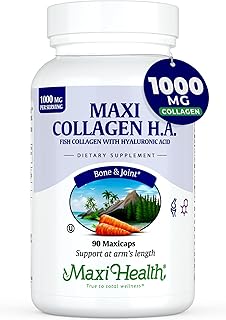


Collagen peptides and cognitive performance enhancement
Collagen peptides, often hailed for their skin and joint benefits, are now under scrutiny for their potential role in cognitive performance enhancement. Emerging research suggests that these bioactive peptides may influence brain health by supporting the integrity of the blood-brain barrier and modulating neuroinflammation. A 2021 study published in *Nutrients* found that collagen peptides improved memory and attention in middle-aged adults after 12 weeks of daily supplementation. This raises the question: could collagen be a novel tool in the quest for sharper cognitive function?
To explore this, consider the mechanism at play. Collagen peptides contain high levels of glycine, proline, and hydroxyproline, amino acids that are precursors to neurotransmitters and antioxidants. Glycine, for instance, acts as an inhibitory neurotransmitter, promoting calmness and potentially enhancing focus. Proline supports the production of glutathione, a master antioxidant that protects brain cells from oxidative stress. While these pathways are promising, practical application requires precision. A daily dose of 10–20 grams of hydrolyzed collagen peptides, taken with vitamin C to enhance absorption, may be optimal for cognitive benefits, though individual needs vary.
However, not all collagen supplements are created equal. When selecting a product, prioritize hydrolyzed collagen peptides derived from grass-fed bovine or marine sources, as these are more bioavailable. Avoid blends with added sugars or artificial flavors, which could counteract cognitive benefits. For those over 40, combining collagen supplementation with a diet rich in omega-3 fatty acids and regular aerobic exercise may amplify results, as aging brains are more susceptible to inflammation and oxidative damage.
Critics argue that the link between collagen and cognitive enhancement is still preliminary, with most studies conducted on animal models or small human cohorts. Yet, anecdotal evidence from biohackers and nootropic enthusiasts suggests noticeable improvements in mental clarity and focus within 4–6 weeks of consistent use. To test this, start with a 30-day trial, tracking cognitive metrics like reaction time, memory recall, or problem-solving ability using apps like Cambridge Brain Sciences. If no improvement is observed, reassess dosage or consider alternative cognitive enhancers.
In conclusion, while collagen peptides are not a magic bullet for cognitive performance, their potential as a supportive supplement is compelling. By understanding their mechanisms, selecting quality products, and combining them with lifestyle modifications, individuals may unlock a subtle yet meaningful boost in brain function. As research evolves, collagen could become a staple in the cognitive optimization toolkit, particularly for those seeking natural, multi-functional supplements.
Supporting Your Wife: Navigating Mental Health Conversations and Care Options
You may want to see also
Frequently asked questions
While collagen is primarily known for its benefits to skin, bones, and joints, it indirectly supports mental health by reducing inflammation and improving gut health, which are linked to mood regulation.
There is limited direct evidence that collagen specifically reduces anxiety or depression. However, its role in gut health may indirectly support mental well-being, as a healthy gut is connected to a healthier brain.
Collagen contains amino acids like glycine and proline, which may support neurotransmitter function and reduce oxidative stress in the brain, potentially enhancing cognitive function and mental clarity.