Caleb Wright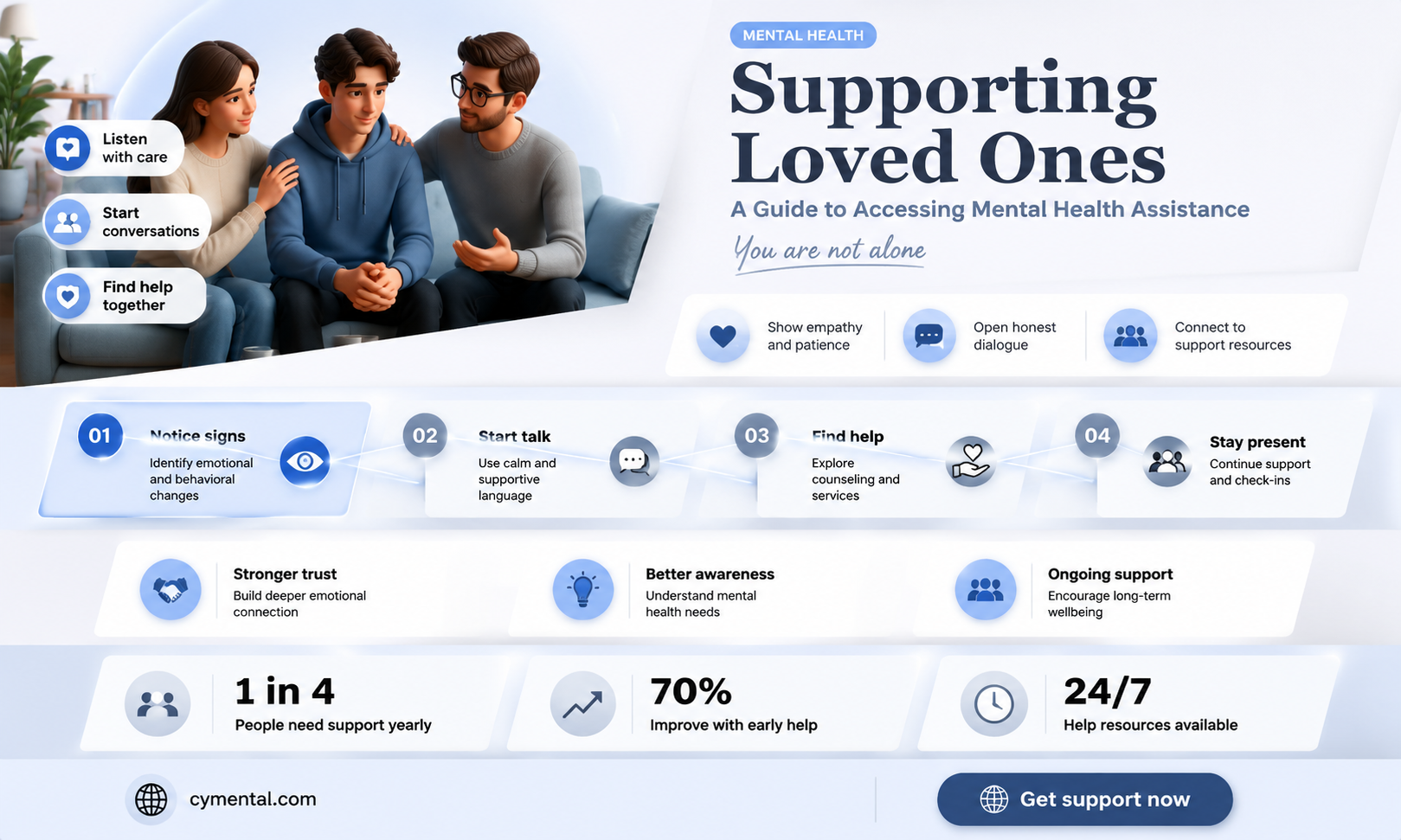
Seeking mental health help for someone can be a crucial step in supporting their well-being, but it often requires sensitivity, patience, and knowledge of available resources. The first step is to approach the person with empathy and understanding, expressing concern without judgment and encouraging open communication. It’s important to listen actively and validate their feelings, while gently suggesting professional help if needed. Researching local mental health services, such as therapists, counselors, or support groups, can provide options tailored to their needs. In urgent situations, knowing crisis hotlines or emergency services ensures immediate assistance. Encouraging the individual to take small steps, like scheduling an appointment or speaking to a trusted professional, can make the process less overwhelming. Ultimately, offering consistent support and reassurance while respecting their autonomy is key to helping them access the care they deserve.
| Characteristics | Values |
|---|---|
| Recognize Signs | Educate yourself on symptoms of mental health issues (e.g., mood changes, withdrawal, substance abuse). Use resources like the NIMH or WHO. |
| Approach with Empathy | Use non-judgmental language, express concern, and listen actively. Avoid forcing conversations. |
| Encourage Professional Help | Suggest contacting a therapist, psychiatrist, or counselor. Provide resources like Psychology Today for finding providers. |
| Crisis Support | In emergencies, call local crisis hotlines (e.g., 988 in the U.S.) or use global resources like Befrienders Worldwide. |
| Offer Practical Assistance | Help with scheduling appointments, transportation, or researching treatment options. |
| Promote Self-Care | Encourage healthy habits (sleep, exercise, nutrition) and mindfulness practices. |
| Involve Support Networks | Connect them with trusted friends, family, or support groups (e.g., NAMI). |
| Respect Boundaries | Avoid pressuring them; let them move at their own pace. |
| Follow-Up | Check in regularly without being intrusive. Show ongoing support. |
| Educate on Stigma | Challenge misconceptions about mental health and normalize seeking help. |
| Use Digital Tools | Recommend mental health apps (e.g., Calm, Headspace) or online therapy platforms (e.g., BetterHelp, Talkspace). |
| Legal or Financial Aid | Assist with insurance navigation or finding low-cost/free services (e.g., community health centers). |
| Cultural Sensitivity | Consider cultural beliefs and preferences when suggesting resources. Use culturally competent providers. |
| Emergency Planning | Help create a safety plan for crises, including contact numbers and coping strategies. |
| Advocate for Access | Support policies that improve mental health care accessibility and affordability. |
| Stay Informed | Keep updated on latest mental health research and resources via reputable sources like CDC or Mental Health America. |
Explore related products


What You'll Learn

Recognizing Signs of Mental Health Issues
Mental health issues often manifest subtly, making early recognition crucial for timely intervention. Changes in behavior, mood, or functioning can signal underlying struggles, but these signs vary widely across individuals and conditions. For instance, a person with depression might withdraw from social activities, while someone with anxiety may exhibit restlessness or irritability. Observing patterns rather than isolated incidents is key—persistent symptoms lasting two weeks or more warrant attention. Practical tip: Keep a journal to track observed changes, noting frequency and context, which can aid in discussions with professionals.
Analyzing physical symptoms can also provide insight into mental health. Sleep disturbances, such as insomnia or oversleeping, are common indicators of conditions like depression or bipolar disorder. Similarly, unexplained weight changes, fatigue, or chronic pain may accompany mental health struggles. For example, a sudden 5% change in body weight within a month could signal an eating disorder or severe stress. Caution: Avoid self-diagnosis; instead, use these observations to initiate a conversation or seek professional advice.
Instructing caregivers or friends to look for cognitive and emotional shifts is equally important. Difficulty concentrating, memory lapses, or indecisiveness may reflect anxiety or depression. Emotional signs like prolonged sadness, unexplained anger, or extreme mood swings should not be dismissed as "just a phase." For adolescents (ages 12–18), increased sensitivity to criticism or sudden academic decline could indicate emerging mental health challenges. Takeaway: Early recognition paired with empathetic communication can encourage the individual to seek help.
Persuasively, it’s critical to address stigma when recognizing signs of mental health issues. Fear of judgment often prevents individuals from acknowledging their struggles or accepting help. By normalizing conversations about mental health and using nonjudgmental language, you create a safe space for disclosure. Comparative perspective: Just as physical ailments require medical attention, mental health issues demand professional support. Practical tip: Educate yourself on local resources, such as crisis hotlines or counseling services, to offer informed assistance when needed.
Coconut Oil and Mental Health: Exploring Potential Benefits and Science
You may want to see also
Explore related products


Approaching the Person with Empathy
Empathy is the cornerstone of any meaningful conversation about mental health. Without it, even the most well-intentioned efforts can fall flat, leaving the person feeling misunderstood or isolated. To approach someone with empathy, start by acknowledging their emotional state without judgment. For instance, instead of saying, "You’re overreacting," try, "I can see this is really hard for you." This simple shift validates their experience and opens the door for trust. Research shows that feeling heard reduces stress and increases the likelihood of someone accepting help.
Consider the context of the person’s life when framing your approach. Age, cultural background, and past experiences shape how individuals perceive mental health. For example, a teenager might respond better to casual, peer-like conversations, while an older adult may prefer structured, formal discussions. Tailoring your language and tone to their comfort level demonstrates respect and empathy. Avoid assumptions; ask open-ended questions like, "How are you feeling about this?" to encourage them to share at their own pace.
Practical empathy also involves active listening—a skill often overlooked. This means not just hearing words but observing body language, tone, and pauses. For instance, if someone hesitates before mentioning anxiety, it may indicate embarrassment or fear. Respond by saying, "It’s okay to feel that way," and allow silence to show you’re not rushing them. Studies highlight that active listening fosters deeper connections and makes individuals more receptive to seeking professional help.
Finally, empathy requires patience. Mental health struggles are rarely resolved in a single conversation. Be prepared for setbacks or resistance, and avoid pushing too hard. Offer specific, actionable support, such as, "Would it help if I looked up therapists with you?" or "Can I check in next week?" Small, consistent gestures reinforce your commitment to their well-being. Remember, the goal isn’t to fix their problems but to walk alongside them as they navigate their journey.
Rising Demand for Mental Health Support: A Growing Trend in Seeking Help
You may want to see also
Explore related products





Finding Local Mental Health Resources
Local mental health resources are often the first line of support for individuals in need, yet many people remain unaware of the services available in their community. Start by contacting your primary care physician or local health department, as they frequently maintain updated lists of mental health providers, clinics, and support groups. These entities can offer referrals tailored to specific needs, such as therapy for anxiety, depression, or trauma, and may also provide information on sliding-scale fees or free services for those with financial constraints.
Another effective method is to utilize online directories specifically designed to locate mental health resources. Websites like Psychology Today, SAMHSA’s Treatment Locator, and NAMI’s HelpLine allow you to search by location, specialty, and insurance acceptance. For example, if you’re seeking a therapist who specializes in adolescent mental health, these platforms can filter results to match your criteria. Additionally, many local governments have dedicated mental health resource pages on their websites, offering comprehensive lists of community-based programs, crisis hotlines, and peer support groups.
Community organizations and nonprofits often play a critical role in filling gaps in mental health care. Churches, schools, and libraries frequently host workshops, support groups, or awareness events that can connect you with local resources. For instance, a community center might offer free mindfulness classes or a youth mental health program. Engaging with these organizations not only provides access to services but also fosters a sense of belonging, which is vital for mental well-being.
When exploring local resources, consider the unique needs of the individual you’re assisting. For children and adolescents, look for providers trained in developmental psychology or family therapy. For older adults, seek out geriatric mental health specialists who understand age-related challenges. Cultural competency is also crucial; ensure the provider or program respects and addresses cultural, racial, or linguistic differences. For example, some communities offer bilingual therapy sessions or culturally specific support groups, which can enhance the effectiveness of care.
Finally, don’t overlook the power of word-of-mouth recommendations. Reach out to trusted friends, family, or colleagues who may have personal experience with local mental health services. Personal testimonials can provide insights into a provider’s approach, availability, and effectiveness. Combining these recommendations with formal research ensures a well-rounded understanding of the options available. By taking these steps, you can navigate the often complex landscape of local mental health resources with confidence and compassion.
Celexa vs. Zoloft: Which Enhances Mental Clarity Better?
You may want to see also
Explore related products


$20.49 $36.99



Encouraging Professional Help and Therapy
Recognizing when someone needs professional mental health support is the first step, but encouraging them to seek therapy can be delicate. Start by expressing genuine concern without judgment. Use "I" statements to share your observations and feelings, such as, "I’ve noticed you’ve seemed overwhelmed lately, and I’m worried about you." This approach avoids placing blame and opens the door for a conversation. Offer specific examples of behaviors or changes you’ve observed to make your concern tangible. For instance, "You’ve been canceling plans a lot, and it seems like you’re isolating yourself." This shows you’re paying attention and care deeply.
Once the conversation is open, provide actionable steps to make therapy feel less daunting. Research local therapists or online platforms beforehand and share a few options tailored to their needs. For example, if they’re anxious about in-person sessions, suggest teletherapy platforms like BetterHelp or Talkspace. If cost is a concern, mention sliding-scale clinics or community mental health centers that offer affordable services. Offer to help with logistics, such as scheduling the first appointment or accompanying them if they’re nervous. Small gestures like these can reduce barriers and make professional help feel more accessible.
A common hurdle is the stigma surrounding therapy, which can make individuals hesitant to seek help. Address this by normalizing mental health care through relatable examples. Share stories of public figures or friends who’ve benefited from therapy, or even your own experiences if appropriate. Emphasize that therapy isn’t just for crises—it’s a tool for personal growth, stress management, and self-discovery. For instance, explain how therapy helped someone you know improve their communication skills or navigate life transitions. Framing therapy as a proactive choice rather than a last resort can shift their perspective.
Finally, be patient and respectful of their autonomy. Encouraging professional help is about planting a seed, not forcing a decision. If they’re resistant, avoid pushing too hard, as this can create resentment. Instead, let them know you’re there to support them whenever they’re ready. Follow up periodically to check in, but give them space to process your conversation. Remember, the goal is to empower them to take the first step, not to control their journey. Over time, your consistent support and understanding can make a significant difference in their willingness to seek therapy.
Physicians Seeking Mental Health Support: Breaking Stigma, Prioritizing Well-being
You may want to see also
Explore related products


$8.99 $19.99



Supporting Them Through the Process
Encouraging someone to seek mental health support is just the beginning; the real challenge lies in providing consistent encouragement throughout their journey. This process can be emotionally demanding, but your role as a supportive companion is invaluable. Here's a strategic approach to navigate this path effectively.
Step 1: Understand the Treatment Landscape
Imagine a vast network of mental health services, each with unique offerings. From psychotherapy to medication, support groups to residential programs, the options can be overwhelming. Educate yourself about these avenues to become a knowledgeable guide. For instance, Cognitive Behavioral Therapy (CBT) is a common treatment for anxiety and depression, typically involving 12-20 sessions over several months. Understanding such specifics enables you to set realistic expectations and provide informed reassurance.
A Comparative Perspective:
Consider the difference between short-term solutions and long-term management. Acute interventions like crisis hotlines (e.g., National Suicide Prevention Lifeline: 988) offer immediate support, while ongoing therapies require commitment. For instance, a person with severe depression might need a combination of antidepressants (SSRI dosage: 10-40 mg/day) and weekly therapy sessions, a regimen that demands patience and persistence.
Practical Support Strategies:
- Accompany Them: Offer to attend initial appointments, providing moral support and helping them articulate concerns.
- Create a Routine: Assist in scheduling sessions and medication reminders, especially crucial for adolescents (aged 12-18) who may struggle with consistency.
- Monitor Progress: Regularly check-in, but respect their boundaries. Ask specific questions like, "How did the new coping technique work this week?"
- Celebrate Milestones: Acknowledge achievements, no matter how small. This positive reinforcement is a powerful motivator.
Cautions and Considerations:
Supporting someone's mental health journey is a delicate balance. Avoid becoming their sole source of support, as this can lead to caregiver burnout. Encourage professional help and self-care practices. Be mindful of your own limitations; you cannot 'fix' their struggles, but your consistent presence can make a significant difference.
In this process, remember that progress is often non-linear. There will be setbacks and breakthroughs, and your role is to provide a stable, non-judgmental presence. By offering practical assistance, emotional support, and a realistic understanding of the treatment process, you can significantly impact their path to recovery. This journey requires patience, adaptability, and a deep commitment to their well-being.
Philosophy's Role in Healing: Enhancing Mental Health and Well-being
You may want to see also
Frequently asked questions
Start by researching licensed therapists, psychologists, or psychiatrists in your area. You can use online directories, ask for referrals from healthcare providers, or contact local mental health organizations for recommendations. Ensure the professional specializes in the specific issues the person is facing.
Approach the conversation with empathy and understanding. Share your concerns calmly and express your support. Offer to accompany them to an appointment or help them find resources. Sometimes, providing information about mental health benefits or sharing stories of others who’ve sought help can reduce resistance.
Be a good listener and offer emotional support. Encourage healthy habits like regular exercise, balanced eating, and adequate sleep. Help them create a routine and stay engaged in activities they enjoy. If they’re in crisis, know emergency resources like hotlines or crisis centers.