Ava Ramirez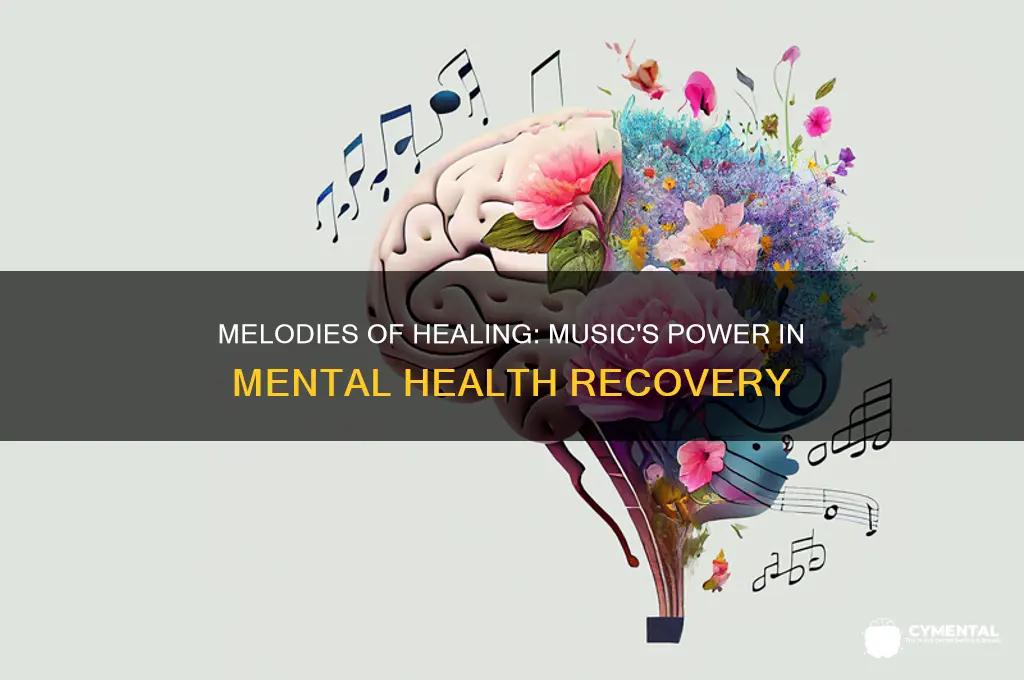
Music has long been recognized as a powerful tool for supporting mental health, offering a unique and accessible way to alleviate symptoms of anxiety, depression, and stress. Its therapeutic effects stem from its ability to engage multiple areas of the brain, fostering emotional expression, relaxation, and a sense of connection. For individuals struggling with mental health issues, music can serve as a non-verbal outlet for emotions, helping to process complex feelings and reduce feelings of isolation. Whether through listening, creating, or performing, music provides a sense of structure, distraction, and even empowerment, making it a valuable complement to traditional mental health treatments. Research has shown that music therapy can improve mood, enhance coping mechanisms, and promote overall well-being, highlighting its potential as a holistic approach to mental health care.
| Characteristics | Values |
|---|---|
| Stress Reduction | Listening to music lowers cortisol levels, a key stress hormone, promoting relaxation and reducing anxiety. |
| Mood Enhancement | Music stimulates the release of dopamine, a neurotransmitter associated with pleasure and reward, improving mood and reducing symptoms of depression. |
| Emotional Expression | Music provides a safe outlet for expressing and processing complex emotions, helping individuals cope with mental health challenges. |
| Cognitive Improvement | Engaging with music (e.g., playing an instrument) enhances cognitive functions like memory, attention, and problem-solving, benefiting those with conditions like ADHD or dementia. |
| Social Connection | Group music activities (e.g., choir, band) foster social interaction, reduce feelings of isolation, and build supportive communities for individuals with mental health issues. |
| Pain Management | Music therapy can reduce perceived pain levels and decrease the need for pain medication, benefiting those with chronic pain or mental health conditions exacerbated by physical discomfort. |
| Sleep Improvement | Calming music improves sleep quality by reducing insomnia and promoting deeper, more restorative sleep, which is crucial for mental health recovery. |
| Self-Awareness and Reflection | Lyrics and melodies can resonate with personal experiences, encouraging introspection and self-awareness, which aids in therapy and personal growth. |
| Coping Mechanism | Music serves as a healthy distraction from negative thoughts and behaviors, providing a constructive way to manage symptoms of anxiety, depression, and PTSD. |
| Neuroplasticity | Regular musical engagement promotes brain plasticity, helping individuals recover from mental health disorders by rewiring neural pathways. |
| Cultural and Personal Identity | Music connects individuals to their cultural roots or personal histories, fostering a sense of belonging and identity, which is protective against mental health issues. |
| Motivation and Energy | Upbeat music can increase motivation and energy levels, helping individuals with depression or fatigue engage in daily activities. |
| Therapeutic Tool in Clinical Settings | Music therapy is increasingly used in mental health treatment plans to complement traditional therapies, showing significant improvements in symptoms of depression, anxiety, and schizophrenia. |
Explore related products



What You'll Learn
- Reduces Stress and Anxiety: Calming melodies lower cortisol levels, promoting relaxation and easing tension in the mind
- Improves Mood and Emotion: Uplifting tunes boost serotonin, enhancing happiness and emotional well-being effectively
- Enhances Focus and Clarity: Rhythmic patterns improve concentration, aiding in managing ADHD and cognitive disorders
- Provides Emotional Outlet: Lyrics and melodies help express feelings, reducing emotional suppression and isolation
- Fosters Social Connection: Group activities like choirs or concerts combat loneliness, building supportive communities

Reduces Stress and Anxiety: Calming melodies lower cortisol levels, promoting relaxation and easing tension in the mind
Music has a profound ability to soothe the mind, and this is not merely anecdotal—it’s backed by science. Studies show that listening to calming melodies can significantly lower cortisol levels, the hormone associated with stress. For instance, research published in the *Journal of Music Therapy* found that participants who listened to slow-tempo music experienced a 65% reduction in cortisol compared to those in silence. This physiological response underscores why music is a powerful tool for managing stress and anxiety.
To harness this benefit, consider incorporating music into your daily routine as a deliberate practice. Start by setting aside 15–20 minutes each day to listen to instrumental tracks with a tempo of 60–80 beats per minute, such as classical pieces by Mozart or ambient tracks by artists like Brian Eno. Use noise-canceling headphones to minimize distractions and maximize the calming effect. For those with high-stress jobs or anxiety disorders, pairing music with deep breathing exercises can amplify relaxation, as the combination helps slow heart rate and stabilize blood pressure.
A comparative analysis reveals that not all music is equally effective. While heavy metal or fast-paced electronic music can elevate heart rate and cortisol levels, genres like classical, jazz, or nature sounds consistently promote relaxation. For example, a study in *Psychological Medicine* found that patients awaiting surgery experienced less anxiety when listening to classical music compared to audiobooks. This highlights the importance of selecting the right type of music for stress reduction, particularly in high-pressure situations.
Practical tips for integrating music into stress management include creating a personalized playlist of calming tracks, using apps like Calm Radio or Spotify’s "Peaceful Piano" playlist, and experimenting with different genres to find what resonates most. For children and teenagers, who often face academic and social pressures, incorporating music into bedtime routines can improve sleep quality and reduce nighttime anxiety. Adults, especially those over 40, may benefit from combining music with mindfulness practices, such as guided meditation or yoga, to enhance the stress-relieving effects.
In conclusion, calming melodies are more than just pleasant background noise—they are a scientifically supported method for reducing stress and anxiety. By understanding the role of cortisol and choosing the right music, individuals can create a tailored auditory environment that promotes relaxation and eases mental tension. Whether used as a standalone practice or in conjunction with other techniques, music offers a simple yet effective way to support mental well-being.
Equine Therapy: A Powerful Tool for Mental Health Healing?
You may want to see also
Explore related products


Improves Mood and Emotion: Uplifting tunes boost serotonin, enhancing happiness and emotional well-being effectively
Music has a profound ability to shift our emotional landscape, often within minutes. Research shows that listening to uplifting tunes triggers the release of serotonin, a neurotransmitter linked to feelings of happiness and well-being. This biochemical response isn’t just anecdotal; studies have demonstrated that just 20 minutes of listening to joyful music can significantly elevate mood in individuals of all ages, from adolescents to the elderly. For those grappling with mental health issues like depression or anxiety, this simple intervention can act as a temporary emotional reset, providing a much-needed respite from negative thought patterns.
Consider this practical application: if you’re feeling overwhelmed or down, create a playlist of songs that make you smile or energize you. Aim for tracks with a tempo of 100–120 beats per minute, as this range has been shown to synchronize with the heart rate and promote relaxation. Pair this with active listening—focus on the melody, lyrics, or rhythm—to maximize the serotonin boost. For added effectiveness, combine music with light physical activity, like dancing or walking, to amplify the mood-enhancing effects.
However, it’s important to note that not all music works the same for everyone. What’s uplifting for one person might be neutral or even distressing for another. Personalization is key. Experiment with genres, artists, and even instrumental versus lyrical tracks to discover what resonates most with your emotional needs. For instance, classical music has been found to reduce cortisol levels, while pop or dance music often increases dopamine, another feel-good neurotransmitter. Tailoring your musical choices to your specific mood and preferences ensures the most effective emotional uplift.
A cautionary note: while music is a powerful tool, it’s not a substitute for professional mental health treatment. For individuals with severe depression or anxiety, relying solely on music can delay necessary interventions. Instead, use it as a complementary strategy alongside therapy, medication, or other treatments. Additionally, be mindful of overusing music as an emotional crutch; excessive reliance on any single coping mechanism can diminish its effectiveness over time. Balance is crucial for long-term emotional well-being.
In conclusion, music’s ability to improve mood and emotion through serotonin enhancement is both scientifically supported and practically accessible. By incorporating uplifting tunes into daily routines—whether during a morning commute, a workout, or a quiet evening—individuals can harness this natural mood booster. Remember, the goal isn’t to eliminate negative emotions but to create a healthier emotional balance. With thoughtful selection and mindful listening, music becomes more than entertainment—it becomes a tool for emotional resilience.
Do Mental Illness Diagnoses Help or Harm Recovery?
You may want to see also
Explore related products


Enhances Focus and Clarity: Rhythmic patterns improve concentration, aiding in managing ADHD and cognitive disorders
Rhythmic patterns in music act as a metronome for the mind, offering a structured framework that can significantly enhance focus and clarity. For individuals with ADHD or cognitive disorders, maintaining concentration is often a daily challenge. Music, particularly with steady beats and predictable structures, provides an external anchor that helps synchronize neural activity. Studies show that listening to music with a tempo of 60-80 beats per minute (BPM) can mimic the brain’s natural resting state, promoting a sense of calm and improving attention span. This is not just anecdotal; neuroscientific research highlights how rhythmic auditory stimulation activates the prefrontal cortex, the brain region responsible for decision-making and focus.
Consider this practical application: for students with ADHD, incorporating instrumental music without lyrics during study sessions can reduce distractions and improve task engagement. A 20-minute session of classical or ambient music before starting homework can act as a mental reset, priming the brain for concentration. Similarly, adults with cognitive disorders, such as mild traumatic brain injury, have shown improved performance in memory tasks when paired with rhythmic auditory cues. The key is consistency; integrating music into daily routines—whether during work, study, or therapy—can create a predictable environment that fosters sustained attention.
However, not all music is created equal in this context. Fast-paced or complex compositions with erratic rhythms can have the opposite effect, overstimulating the brain and hindering focus. The goal is to select music that complements the task at hand. For instance, repetitive, minimalist compositions by artists like Philip Glass or Max Richter are ideal for tasks requiring deep concentration. Conversely, for activities that demand alertness but not intense focus, such as organizing or cleaning, slightly faster tempos (80-100 BPM) can be more effective. Tailoring the music to the individual’s needs and preferences is crucial for maximizing its cognitive benefits.
One cautionary note: while music can be a powerful tool, it should not replace professional treatment for ADHD or cognitive disorders. Instead, it should be used as a complementary strategy. Over-reliance on music without addressing underlying issues through therapy or medication can lead to diminished returns. Additionally, prolonged exposure to loud or intense music can cause auditory fatigue, counteracting its focus-enhancing effects. Limiting listening sessions to 30-45 minutes at a time, with breaks in between, ensures the brain remains receptive to the rhythmic cues without becoming overwhelmed.
In conclusion, rhythmic patterns in music offer a non-invasive, accessible way to enhance focus and clarity for those with ADHD or cognitive disorders. By understanding the science behind tempo and rhythm, individuals can strategically incorporate music into their routines to improve concentration. Whether it’s a student preparing for exams or an adult managing cognitive challenges, the right music, used thoughtfully, can transform the way the brain engages with tasks. It’s a simple yet profound reminder of music’s potential to harmonize not just sound, but also the mind.
Transformers: Empowering Mental Health Support and Healing Journeys
You may want to see also
Explore related products


$29.97 $37.77


Provides Emotional Outlet: Lyrics and melodies help express feelings, reducing emotional suppression and isolation
Music serves as a powerful emotional outlet, allowing individuals to express feelings that may otherwise remain bottled up. Lyrics often articulate complex emotions—sadness, anger, joy, or longing—that resonate deeply with listeners. When someone struggles to put their own feelings into words, a song can act as a surrogate voice, validating their experiences and making them feel understood. This emotional release is particularly crucial for those dealing with mental health issues, as suppression of feelings can exacerbate conditions like depression or anxiety. For instance, a study published in *Psychology of Aesthetics, Creativity, and the Arts* found that participants who listened to music with relatable lyrics reported reduced feelings of loneliness and increased emotional clarity.
Consider the act of singing along to a song or even writing music as a form of emotional catharsis. Engaging with melodies and lyrics actively—whether through listening, performing, or creating—can help individuals process and externalize their emotions. For example, teenagers struggling with identity or self-esteem issues often find solace in genres like indie or hip-hop, where themes of rebellion, vulnerability, and self-discovery are prevalent. Parents and caregivers can encourage this by creating safe spaces for music exploration, such as allowing teens to curate playlists or attend concerts that align with their emotional needs. Even 15–20 minutes of daily music engagement can provide a consistent outlet for emotional expression.
A comparative analysis reveals that music’s emotional outlet function is uniquely effective because it bypasses the need for verbal communication. For individuals who find therapy or conversation overwhelming, music offers a non-threatening medium to confront and release emotions. Classical compositions, for instance, can evoke and help process grief without relying on words, while upbeat pop songs might provide an outlet for pent-up energy or frustration. This versatility makes music accessible to people of all ages and communication styles, from children who struggle to articulate their feelings to older adults coping with loss or isolation.
To maximize music’s role as an emotional outlet, practical strategies can be employed. Start by curating playlists tailored to specific emotional states—one for calming anxiety, another for boosting mood, and perhaps one for processing anger. Apps like Spotify or Apple Music allow users to create and share these playlists easily. Additionally, combining music with journaling can deepen emotional expression. After listening to a song, write down the feelings it stirred and why. For those in therapy, discussing these reactions with a mental health professional can provide further insight. Remember, the goal is not to replace therapy but to complement it with a tool that feels natural and enjoyable.
In conclusion, music’s ability to provide an emotional outlet is a lifeline for many grappling with mental health challenges. By offering a universal language of feelings, it bridges the gap between internal turmoil and external expression, reducing isolation and fostering connection. Whether through listening, creating, or sharing, integrating music into daily routines can be a simple yet profound way to nurture emotional well-being. Start small, stay consistent, and let the melodies do the talking.
Exercise and Mental Health: Unlocking the Mind-Body Connection for Wellness
You may want to see also
Explore related products


$15.77 $22.95


Fosters Social Connection: Group activities like choirs or concerts combat loneliness, building supportive communities
Loneliness is a silent epidemic, particularly among older adults and those struggling with mental health issues. Group musical activities, such as joining a choir or attending concerts, offer a powerful antidote. These settings naturally encourage interaction, shared goals, and emotional expression, creating a sense of belonging that can be difficult to find elsewhere. For instance, a study published in *Psychology of Music* found that choir members reported significantly lower levels of loneliness compared to non-participants, highlighting the communal benefits of singing together.
Consider the mechanics of a choir rehearsal: individuals from diverse backgrounds unite under a common purpose—to harmonize and create something beautiful. This shared endeavor fosters empathy and understanding, as members learn to listen to one another, both musically and emotionally. The act of singing in sync releases oxytocin, often referred to as the "bonding hormone," which strengthens social connections. For those battling anxiety or depression, this structured yet creative environment can provide a safe space to engage socially without the pressure of forced conversation.
Concerts, too, play a unique role in combating isolation. Attending live music events isn’t just about the performance; it’s about being part of a collective experience. The energy of a crowd, the shared emotions evoked by a song, and even the simple act of standing or sitting together create a temporary community. For introverts or those with social anxiety, concerts can serve as a low-stakes way to be around others, gradually building comfort in social settings. Practical tip: start with smaller, local concerts or open mic nights, which often feel less overwhelming than large-scale events.
Building on these experiences, group music activities can also lead to lasting relationships. Many choirs, bands, or music therapy groups evolve into supportive networks, where members check in on one another outside of rehearsals. For example, a community choir in the UK launched a "buddy system" where newer members were paired with long-time participants, fostering mentorship and friendship. This sense of accountability and camaraderie can be particularly beneficial for individuals who struggle with motivation or feelings of disconnection.
Incorporating group music activities into a mental health routine doesn’t require musical expertise. Beginners are often welcomed in community choirs or drum circles, where the focus is on participation rather than perfection. Aim for consistency—attending weekly rehearsals or monthly concerts—to maximize the social benefits. For those hesitant to join, start as an observer; simply being present in a musical group setting can still provide a sense of connection. Ultimately, music’s power to unite people makes it an invaluable tool for building communities that heal and support.
Mental Health Awareness: A Powerful Tool to Prevent ER Crises
You may want to see also
Frequently asked questions
Music therapy uses music to address emotional, cognitive, and social needs, helping individuals express feelings, reduce stress, and improve mood. It can also enhance communication and provide a sense of control and accomplishment.
Yes, listening to music, especially calming or uplifting genres, can lower cortisol levels (stress hormones) and release dopamine, which improves mood and reduces symptoms of anxiety and depression.
Creating music, whether through playing an instrument or songwriting, fosters self-expression, boosts self-esteem, and provides a healthy outlet for emotions. It also promotes mindfulness and focus.
Music can help individuals with PTSD by reducing hyperarousal, improving sleep, and providing a safe emotional outlet. Rhythmic music, in particular, can help regulate the nervous system.
Yes, certain types of music, like instrumental or classical, can enhance concentration and reduce restlessness in individuals with ADHD. It acts as a background stimulus that helps maintain focus without overwhelming the senses.