Ava Ramirez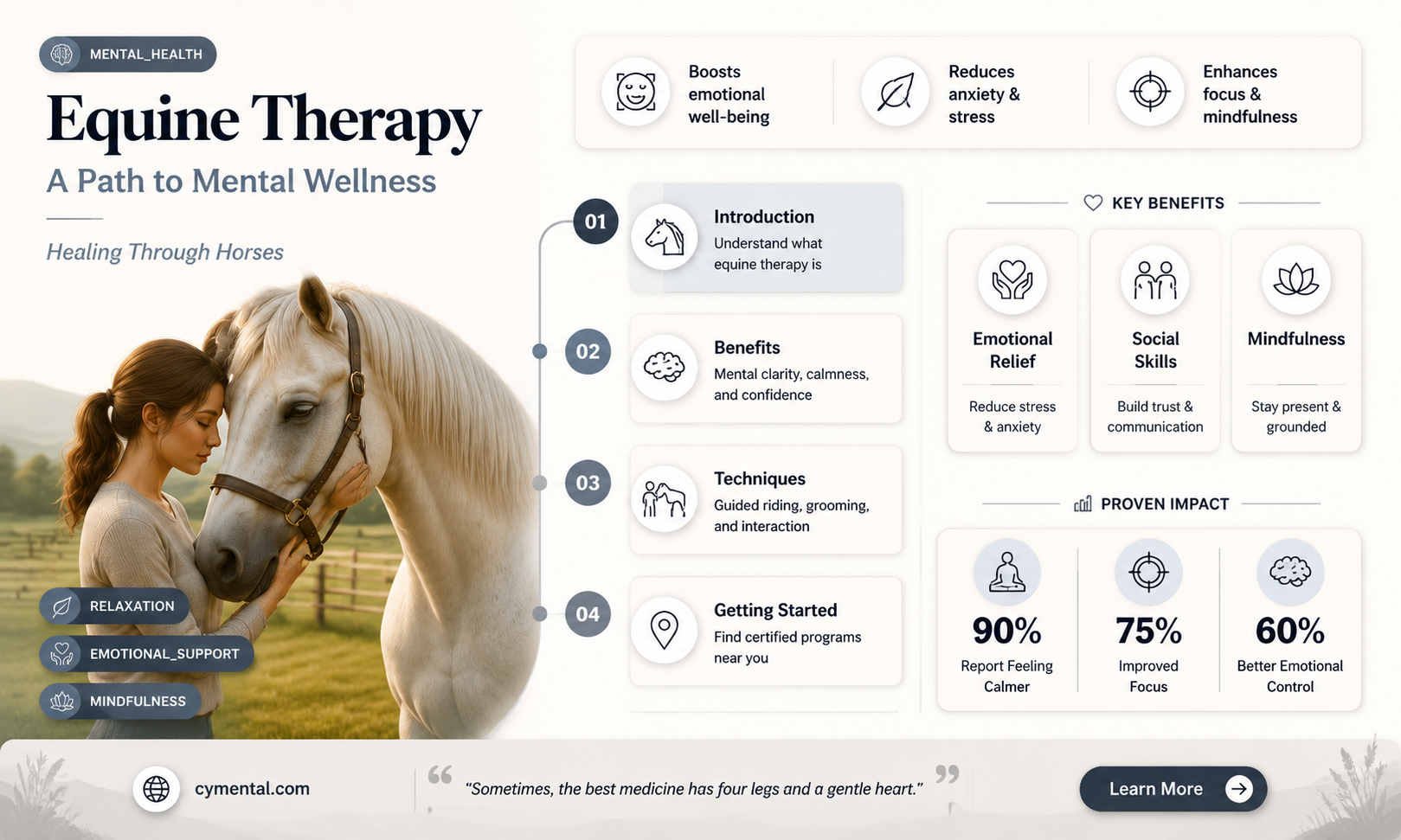
Equine therapy, also known as horse-assisted therapy, has gained recognition as a complementary approach to improving mental health and well-being. This therapeutic method involves interactions between individuals and horses, often under the guidance of a trained professional, to address various psychological and emotional challenges. Proponents of equine therapy suggest that the unique bond formed between humans and horses can foster trust, empathy, and self-awareness, which are essential components of mental health recovery. Research indicates that engaging with horses may reduce symptoms of anxiety, depression, and post-traumatic stress disorder (PTSD), while also enhancing emotional regulation and social skills. As interest in alternative therapies grows, equine therapy is increasingly being explored as a valuable tool to support individuals struggling with mental health issues, offering a holistic and non-traditional pathway to healing.
| Characteristics | Values |
|---|---|
| Definition | Equine-assisted therapy (EAT) or equine-assisted psychotherapy (EAP) involves interactions between patients and horses under the guidance of a mental health professional and an equine specialist. |
| Populations Helped | Individuals with anxiety, depression, PTSD, autism spectrum disorder, ADHD, addiction, and other mental health conditions. |
| Mechanisms of Action | 1. Emotional Regulation: Horses provide immediate feedback, helping individuals recognize and manage emotions. 2. Trust and Bonding: Building a relationship with a horse fosters trust and empathy. 3. Mindfulness: Interacting with horses encourages present-moment awareness. 4. Physical Activity: Being around horses promotes movement and reduces stress. |
| Evidence of Effectiveness | Growing body of research supports its benefits, though more rigorous studies are needed. Studies show improvements in mood, self-esteem, and social skills. |
| Limitations | 1. Cost: Can be expensive and not always covered by insurance. 2. Accessibility: Requires specialized facilities and trained professionals. 3. Individual Variability: Effectiveness may vary depending on the individual and the specific program. |
| Safety Considerations | Properly trained staff and safety protocols are essential to prevent injuries. |
| Complementary Therapy | Often used alongside traditional therapies like CBT or medication, not as a standalone treatment. |
| Recent Trends | Increasing popularity and integration into mental health treatment plans, with more research being conducted. |
Explore related products


What You'll Learn

Reducing Anxiety and Stress
Anxiety and stress often manifest as physical tension, racing thoughts, and emotional overwhelm, creating a cycle that’s difficult to break. Equine therapy, or equine-assisted psychotherapy, offers a unique intervention by engaging individuals in activities with horses that demand mindfulness and presence. Unlike traditional talk therapy, this approach forces participants to focus on the immediate task—grooming, leading, or simply being near a horse—which interrupts the mental spirals associated with anxiety. The horse’s nonjudgmental nature and responsiveness to human energy create a safe space for individuals to practice grounding techniques, such as deep breathing or observing their surroundings, which are essential for stress reduction.
Consider the process of leading a horse through an obstacle course. This activity requires clear communication, patience, and awareness of both the horse’s and one’s own body language. For someone struggling with anxiety, the structured yet unpredictable nature of this task shifts their focus from internal worries to external problem-solving. Research suggests that such interactions lower cortisol levels, the body’s primary stress hormone, while increasing oxytocin, often referred to as the “bonding hormone.” A study published in the *Journal of Clinical Psychology* found that participants who engaged in equine therapy reported a 25% reduction in anxiety symptoms after just six sessions, highlighting its efficacy as a complementary treatment.
For those considering equine therapy, it’s important to note that no prior horse experience is necessary. Sessions typically last 45–60 minutes and are tailored to individual needs, whether that’s gentle grooming for relaxation or more active exercises for confidence-building. Children as young as five and adults of all ages can benefit, though it’s crucial to work with a certified equine therapist who can ensure safety and provide emotional support. Practical tips include wearing closed-toe shoes, dressing in layers for outdoor sessions, and starting with short, consistent sessions to build trust with the horse and the therapeutic process.
While equine therapy is not a standalone cure for anxiety or stress, its experiential nature complements traditional treatments like cognitive-behavioral therapy (CBT) or medication. The physical and emotional engagement with horses provides a tangible way to practice coping skills in real-time, making abstract concepts like “mindfulness” or “emotional regulation” more accessible. For instance, a person learning to set boundaries with a horse can apply those skills to interpersonal relationships, reducing stress in daily life. This hands-on approach bridges the gap between knowing and doing, offering a powerful tool for long-term mental health management.
Therapy's Impact: Unlocking Mental Health Healing and Personal Growth
You may want to see also
Explore related products


Improving Mood and Depression
Equine therapy, also known as horse-assisted therapy, has emerged as a unique and effective approach to improving mood and alleviating symptoms of depression. The bond between humans and horses, rooted in nonverbal communication and mutual trust, creates a therapeutic environment that traditional talk therapy often cannot replicate. Studies have shown that interactions with horses can reduce cortisol levels, the body’s primary stress hormone, while increasing oxytocin, which promotes feelings of well-being and connection. For individuals struggling with depression, this physiological shift can be a critical first step toward emotional healing.
Consider the process of grooming a horse, a common activity in equine therapy sessions. This task requires focus and presence, pulling the individual out of their internalized struggles and into the moment. The horse’s responsiveness to gentle touch and care fosters a sense of accomplishment and purpose, counteracting feelings of worthlessness often associated with depression. For adolescents and adults alike, this hands-on engagement can serve as a metaphor for self-care, encouraging patients to apply similar patience and kindness to themselves. Sessions typically last 45–60 minutes, with weekly participation recommended for sustained benefits.
One of the most compelling aspects of equine therapy is its ability to address the social withdrawal that often accompanies depression. Horses are highly social animals, and their herd dynamics mirror human relationships in many ways. Through guided exercises, such as leading a horse through an obstacle course, individuals learn to assert boundaries, build confidence, and practice effective communication—skills that translate directly to interpersonal interactions. This experiential learning can be particularly impactful for those who find verbal expression challenging, offering a non-threatening way to process emotions and rebuild social connections.
While equine therapy is not a standalone cure for depression, it complements traditional treatments like medication and psychotherapy. For instance, a 2019 study published in the *Journal of Clinical Psychology* found that participants who engaged in equine therapy alongside cognitive-behavioral therapy (CBT) reported greater reductions in depressive symptoms compared to those receiving CBT alone. Practical considerations include ensuring access to certified equine therapists and facilities, as well as accounting for physical limitations or allergies. For maximum efficacy, sessions should be tailored to the individual’s needs, with progress monitored over time.
Incorporating equine therapy into a mental health regimen requires an open mind and a willingness to step outside conventional treatment frameworks. Its success lies in its ability to engage the body, mind, and spirit simultaneously, offering a holistic approach to mood improvement. Whether used as a primary intervention or a supplementary tool, equine therapy holds promise for those seeking innovative ways to combat depression and reclaim their emotional well-being.
ChatGPT and Mental Health: A Supportive Tool or Limited Aid?
You may want to see also
Explore related products




Enhancing Emotional Regulation
Emotional regulation is a cornerstone of mental health, and equine therapy offers a unique avenue to cultivate this skill. Horses, as highly sensitive prey animals, mirror human emotions with remarkable accuracy. This biofeedback mechanism allows individuals to become more aware of their emotional states in real-time. For instance, a tense posture or elevated voice might cause a horse to become skittish, immediately reflecting the individual’s internal turmoil. This instant feedback loop encourages self-awareness and prompts the need for emotional control to effectively communicate with the horse.
To harness this benefit, sessions typically begin with grounding exercises, such as deep breathing or mindful observation of the horse’s behavior. Participants are then guided through tasks like leading or grooming the horse, which require calmness and clarity. For children aged 8–12, simpler activities like brushing the horse’s mane can teach them to recognize and manage frustration. Adolescents and adults might engage in more complex tasks, such as navigating an obstacle course with the horse, which demands sustained emotional regulation under pressure. Research suggests that consistent sessions—ideally 60–90 minutes, once or twice weekly for 8–12 weeks—yield measurable improvements in emotional control.
However, equine therapy is not a one-size-fits-all solution. Individuals with severe anxiety or trauma may initially find the unpredictability of horses overwhelming. Therapists must carefully assess readiness and provide a safe, structured environment. For example, starting with passive interactions, like observing the horse from a distance, can build comfort before progressing to hands-on activities. Additionally, integrating cognitive-behavioral techniques, such as identifying emotional triggers during sessions, enhances the therapeutic impact.
The persuasive power of equine therapy lies in its ability to make emotional regulation tangible. Unlike traditional talk therapy, which relies on abstract concepts, working with horses provides immediate, concrete consequences for emotional expression. A participant who successfully calms themselves to soothe a nervous horse experiences a profound sense of accomplishment. This experiential learning reinforces the value of emotional control and builds confidence in one’s ability to manage challenging situations.
In conclusion, equine therapy serves as a dynamic tool for enhancing emotional regulation by leveraging the horse’s innate sensitivity and responsiveness. Through structured, progressive activities tailored to individual needs, participants learn to recognize, manage, and transform their emotions in real-time. While it requires careful implementation, particularly for vulnerable populations, its experiential nature offers a compelling advantage over conventional methods. For those seeking practical, embodied ways to improve emotional regulation, equine therapy provides a path worth exploring.
Accessing Free Mental Health Support: Options and Resources Available
You may want to see also
Explore related products


$6.79 $14.99


Building Trust and Confidence
Horses, with their innate sensitivity and non-judgmental nature, create a unique environment for building trust and confidence in individuals struggling with mental health issues. Unlike traditional therapy settings, equine-assisted therapy places the individual in a dynamic, outdoor space where they must learn to read and respond to another living being's cues. This interaction fosters a sense of responsibility and accomplishment, particularly when the individual successfully navigates a task with the horse, such as leading it through an obstacle course or simply establishing a calm presence in its vicinity.
Studies show that these interactions can significantly reduce anxiety and depression symptoms, particularly in adolescents and young adults. A 2019 meta-analysis published in the *Journal of Clinical Psychology* found that equine-assisted therapy led to a 25% reduction in anxiety symptoms and a 18% reduction in depressive symptoms across various participant groups.
Building trust with a horse requires patience, consistency, and clear communication. Start with small, achievable goals, like offering a treat or gently stroking the horse's neck. Gradually progress to more complex tasks, always prioritizing the horse's comfort and safety. Remember, horses are prey animals and highly attuned to body language. Approach them calmly, avoid sudden movements, and maintain a relaxed posture. This mirrors the process of building trust in human relationships, emphasizing the importance of respect, boundaries, and nonverbal communication.
Observing experienced handlers interact with horses can provide valuable insights. Notice their calm demeanor, their use of gentle touches and vocal cues, and their ability to read the horse's body language. This observational learning can be particularly beneficial for individuals who struggle with social interactions or have experienced trauma.
The benefits of building trust and confidence through equine therapy extend beyond the session itself. The skills learned – patience, empathy, assertiveness, and self-awareness – translate into improved relationships, increased self-esteem, and a greater sense of control over one's life. For individuals struggling with anxiety or social phobias, successfully interacting with a horse can be a powerful catalyst for overcoming fears and building resilience.
While equine therapy is not a magic bullet, it offers a unique and powerful tool for individuals seeking to build trust and confidence. Its combination of physical activity, emotional connection, and tangible accomplishments can lead to significant improvements in mental well-being, providing a path towards healing and personal growth.
Gardening for Mental Health: Cultivating Peace and Well-Being Naturally
You may want to see also
Explore related products


Supporting PTSD Recovery
Post-traumatic stress disorder (PTSD) often leaves individuals feeling disconnected from their emotions and surroundings, making traditional talk therapy challenging. Equine-assisted therapy (EAT) offers a unique approach by leveraging the non-verbal, intuitive nature of horses to foster emotional regulation and trust. Unlike humans, horses respond to body language and energy, providing immediate feedback that helps individuals with PTSD recognize and manage their emotional states. For instance, a tense posture might cause a horse to move away, mirroring how anxiety can push others away in social interactions. This real-time feedback allows clients to practice grounding techniques in a safe, non-judgmental environment.
Implementing EAT for PTSD recovery involves structured sessions tailored to the individual’s needs. A typical session might begin with grooming, which encourages mindfulness and presence, followed by leading the horse through obstacles, which builds confidence and problem-solving skills. For severe cases, sessions may start with observing the horse from a distance to establish comfort before progressing to hands-on activities. Research suggests that consistent engagement, such as weekly 60-minute sessions over 8–12 weeks, can lead to measurable improvements in symptoms like hypervigilance and emotional numbing. However, it’s crucial to work with a certified equine therapist who can adapt activities to the client’s triggers and progress.
One of the most compelling aspects of EAT for PTSD is its ability to address the somatic symptoms often overlooked in traditional therapy. Horses’ large, calm presence can help individuals reconnect with their bodies, reducing dissociation and promoting a sense of safety. For example, the rhythmic motion of horseback riding has been shown to regulate the nervous system, similar to the effects of deep pressure therapy. This sensory input can be particularly beneficial for veterans or first responders whose PTSD stems from high-stress, high-arousal environments. Combining EAT with other modalities, such as cognitive-behavioral therapy, can enhance overall treatment efficacy.
Despite its benefits, EAT is not a one-size-fits-all solution. Individuals with severe anxiety or fear of animals may initially find the experience overwhelming. Therapists must carefully assess clients’ readiness and provide gradual exposure to ensure a positive experience. Additionally, while EAT can be transformative, it should complement, not replace, evidence-based treatments for PTSD. Practical tips for maximizing its effectiveness include wearing comfortable clothing, setting realistic goals, and maintaining open communication with the therapist about progress and challenges. When approached thoughtfully, EAT can be a powerful tool in the PTSD recovery toolkit, offering hope and healing through the unique bond between human and horse.
Can Therapists Effectively Help Clients Manage and Overcome Stress?
You may want to see also
Frequently asked questions
Equine therapy, also known as equine-assisted therapy, involves interactions between individuals and horses to promote emotional and mental well-being. It focuses on building trust, communication, and self-awareness, which can help address issues like anxiety, depression, and trauma.
Yes, equine therapy has shown promising results in improving mental health. Studies suggest it can reduce symptoms of anxiety, depression, PTSD, and ADHD by fostering emotional regulation, confidence, and social skills through interactions with horses.
Equine therapy can benefit individuals of all ages, including children, teens, and adults. It is particularly helpful for those struggling with trauma, autism, addiction, and emotional regulation issues, as well as those seeking alternative therapeutic approaches.
Horses are highly intuitive animals that respond to human emotions and behaviors. Interacting with them encourages mindfulness, empathy, and self-reflection. The non-judgmental nature of horses helps individuals feel safe, build trust, and develop coping strategies for mental health challenges.