Caleb Wright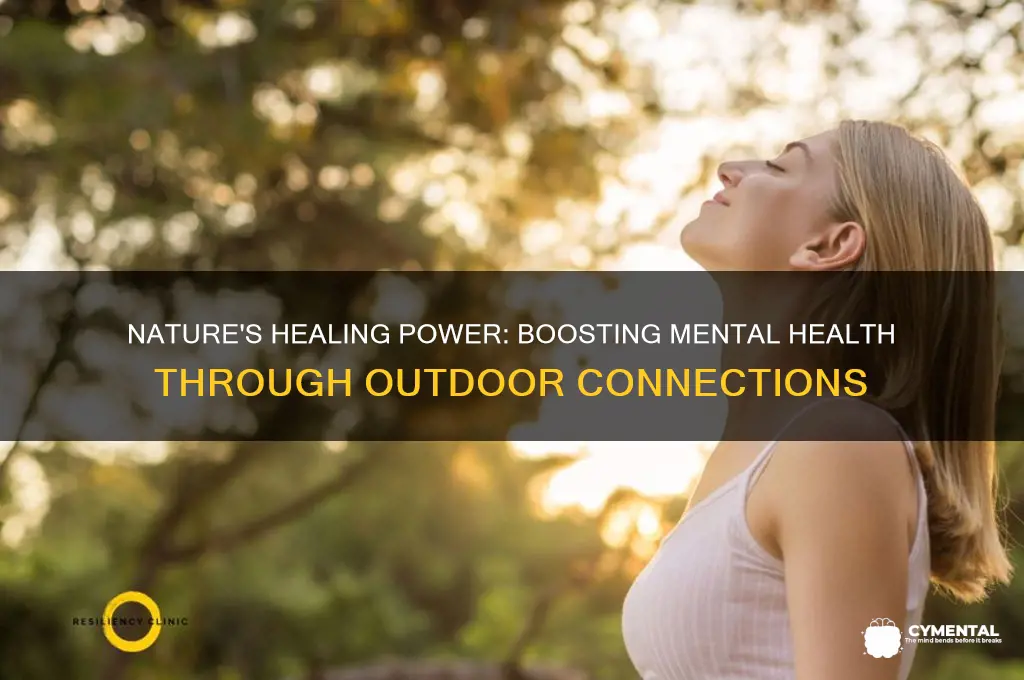
Nature has a profound and often underestimated impact on mental health, offering a sanctuary for those seeking solace and clarity. Spending time in natural environments, such as forests, parks, or even urban green spaces, has been scientifically proven to reduce stress, anxiety, and symptoms of depression. The calming effects of natural sounds, like rustling leaves or flowing water, combined with the visual serenity of greenery, can lower cortisol levels and promote relaxation. Additionally, physical activities in nature, such as hiking or gardening, encourage mindfulness and connection to the present moment, fostering a sense of peace and well-being. Beyond its immediate benefits, nature also nurtures a deeper sense of belonging and interconnectedness, reminding individuals of their place in the larger ecosystem and providing perspective on life’s challenges. Whether through a walk in the woods or simply gazing at the sky, nature serves as a powerful tool for healing and maintaining mental health.
Explore related products


What You'll Learn
- Forest Bathing: Immersing in forests reduces stress, lowers blood pressure, and enhances overall well-being
- Green Exercise: Physical activity in nature boosts mood, reduces anxiety, and improves cognitive function
- Biophilic Design: Incorporating natural elements in spaces promotes calmness, focus, and mental clarity
- Nature Sounds: Listening to birdsong, water, or wind reduces stress and improves sleep quality
- Gardening Therapy: Tending plants fosters mindfulness, reduces depression, and increases sense of accomplishment

Forest Bathing: Immersing in forests reduces stress, lowers blood pressure, and enhances overall well-being
The practice of forest bathing, or *shinrin-yoku*, originated in Japan in the 1980s as a therapeutic antidote to the stresses of urban life. It’s not about exercise or reaching a destination; instead, it’s a mindful immersion in the forest environment, engaging all senses to reconnect with nature. Studies show that spending just 15–20 minutes in a forest setting can significantly reduce cortisol levels, the body’s primary stress hormone. For optimal benefits, aim for 2–4 hours in a forested area, allowing yourself to fully disconnect from digital distractions and breathe in the phytoncides—natural compounds emitted by trees that boost immune function and reduce anxiety.
Consider this: a 2019 study published in the *International Journal of Environmental Research and Public Health* found that forest bathing participants experienced a 12.4% decrease in cortisol levels compared to urban walkers. The practice isn’t limited to dense forests; even urban parks with tree cover can provide similar benefits. For those new to forest bathing, start small. Find a quiet wooded area, leave your phone behind, and focus on the sounds of rustling leaves, the scent of earth, and the play of sunlight through the canopy. Walk slowly, pause often, and let your senses guide you.
From a physiological standpoint, forest bathing works by lowering blood pressure and heart rate, promoting a state of relaxation. A 2011 study in the *Journal of Cardiology* revealed that participants who spent time in forests had a 5% reduction in blood pressure compared to those in urban settings. This effect is particularly beneficial for adults over 40, who are at higher risk for hypertension. Pairing forest bathing with deep breathing exercises amplifies its calming effects. Try the “4-7-8” technique: inhale for 4 seconds, hold for 7, exhale for 8. Repeat this cycle for 5 minutes while seated on a forest floor or leaning against a tree.
Critics might argue that forest bathing is merely a trend, but its roots in scientific research are deep. Phytoncides, for instance, have been shown to increase the activity of natural killer cells in the immune system by up to 50%. Additionally, the practice aligns with biophilia—the innate human connection to nature. For families, forest bathing can be a shared activity that fosters mindfulness and reduces screen time. Encourage children to collect leaves, listen for bird calls, or simply lie on the ground and observe the sky through the trees. The key is to make it unstructured and exploratory.
Incorporating forest bathing into a regular routine doesn’t require a wilderness expedition. Urban dwellers can seek out local arboretums, botanical gardens, or even tree-lined streets. For those with limited mobility, sitting near a window with a view of trees or listening to forest sounds can still provide some benefits. The takeaway? Nature’s healing power is accessible to all, and forest bathing offers a simple yet profound way to nurture mental and physical health. Start today—find your nearest green space, step inside, and let the forest do the rest.
Art Therapy: Healing Serious Mental Illness Through Creative Expression
You may want to see also
Explore related products


Green Exercise: Physical activity in nature boosts mood, reduces anxiety, and improves cognitive function
Physical activity in natural environments, often termed "green exercise," has emerged as a potent tool for enhancing mental well-being. Research consistently shows that combining movement with nature exposure amplifies the psychological benefits of exercise alone. A 2019 meta-analysis published in *Social Science & Medicine* found that green exercise significantly reduces symptoms of anxiety and depression, with effects comparable to traditional therapies like cognitive-behavioral therapy. Unlike indoor workouts, outdoor activities in parks, forests, or along waterways engage multiple senses, fostering a deeper connection to the environment and promoting mindfulness.
To harness these benefits, aim for at least 30 minutes of green exercise, three times a week. Activities like hiking, cycling, or even a brisk walk in a park are effective. For children and adolescents, unstructured play in natural settings, such as climbing trees or exploring trails, can improve mood and reduce stress. Adults may benefit from more structured activities, like outdoor yoga or trail running, which combine physical challenge with the calming effects of nature. The key is consistency; integrating green exercise into a routine maximizes its long-term impact on mental health.
One of the most compelling aspects of green exercise is its ability to enhance cognitive function. A study from the University of Michigan demonstrated that participants who walked in nature showed a 20% improvement in creative problem-solving tasks compared to those who walked in urban settings. This cognitive boost is attributed to the restorative effects of natural environments, which reduce mental fatigue and increase attention span. For older adults, green exercise can also mitigate age-related cognitive decline, making it a valuable preventive measure.
However, not all green spaces are created equal. Maximize benefits by choosing environments with diverse flora, water features, or wildlife, as these elements have been shown to amplify positive effects. Urban dwellers can seek out city parks or green corridors, while those in rural areas may opt for forests or riversides. Practical tips include dressing appropriately for the weather, staying hydrated, and incorporating mindfulness practices, such as focusing on the sounds of birds or the feel of the wind, to deepen the experience.
Incorporating green exercise into daily life requires minimal effort but yields substantial rewards. Whether it’s a morning jog through a park or a weekend hike in the woods, the synergy of physical activity and nature immersion offers a holistic approach to mental health. By prioritizing green exercise, individuals can reduce anxiety, boost mood, and sharpen cognitive abilities, all while reconnecting with the natural world. It’s a simple yet powerful strategy for fostering resilience and well-being in an increasingly fast-paced society.
Talking Therapy: Unlocking Healing and Hope for Mental Illness Patients
You may want to see also
Explore related products


Biophilic Design: Incorporating natural elements in spaces promotes calmness, focus, and mental clarity
Imagine stepping into a room where sunlight filters through a living green wall, the scent of lavender wafts from potted herbs, and the gentle sound of a tabletop water feature mimics a babbling brook. This isn't a daydream; it's the reality of biophilic design, a concept that integrates natural elements into built environments to enhance human well-being. By incorporating plants, natural light, water features, and organic materials, biophilic design creates spaces that not only look beautiful but also actively promote mental health. Studies show that exposure to nature, even in small doses, can reduce stress, improve mood, and enhance cognitive function. For instance, spending just 20 minutes in a nature-infused environment has been linked to a 10% reduction in cortisol levels, the hormone associated with stress.
To implement biophilic design effectively, start with small, intentional changes. Introduce indoor plants like spider plants or peace lilies, which are low-maintenance and known for their air-purifying qualities. Maximize natural light by using sheer curtains or strategically placing mirrors to reflect sunlight. Incorporate natural textures such as wood, stone, or rattan in furniture and decor. For those with limited space, even a single potted plant or a nature-inspired artwork can make a difference. The key is to create a sensory connection to the natural world, whether through sight, sound, touch, or smell. For example, a desk worker could place a small succulent within view or use a diffuser with essential oils like eucalyptus or pine to evoke a forest-like atmosphere.
One of the most compelling aspects of biophilic design is its adaptability to various settings, from homes and offices to schools and healthcare facilities. In corporate environments, companies like Amazon and Google have embraced biophilic principles by incorporating indoor gardens, natural materials, and ample greenery into their workspaces. Research from the University of Exeter found that employees in offices with plants and natural elements reported a 15% increase in productivity and a 13% higher level of well-being. Similarly, in healthcare settings, biophilic design has been shown to reduce patient recovery times and alleviate anxiety. For instance, a study in a hospital with nature-inspired rooms found that patients required 23% less pain medication compared to those in standard rooms.
However, biophilic design isn’t just about aesthetics; it’s about creating a functional relationship between humans and their environment. For optimal benefits, consider the "30-3-300 rule" proposed by urban planner Timothy Beatley: aim for 30% green space in urban areas, ensure every resident lives within 3 minutes of nature, and protect 300 bird species as a biodiversity benchmark. While this rule applies to urban planning, its principles can be scaled down for individual spaces. For example, dedicating 30% of a room to natural elements, ensuring access to a window with a view of greenery within 3 steps, and incorporating elements that support biodiversity (like bird feeders or pollinator-friendly plants) can amplify the mental health benefits.
Incorporating biophilic design is not just a trend but a necessity in an increasingly urbanized world. As people spend 90% of their time indoors, the need for nature-infused spaces has never been greater. Whether you’re redesigning a living room, revamping an office, or planning a public space, the principles of biophilic design offer a powerful tool to combat stress, enhance focus, and foster mental clarity. Start small, stay consistent, and let nature become your interior designer—your mind will thank you.
Empowering Change: Simple Ways You Can Make a Difference Today
You may want to see also
Explore related products



Nature Sounds: Listening to birdsong, water, or wind reduces stress and improves sleep quality
The gentle chirping of birds at dawn, the rhythmic lapping of waves against the shore, or the whispering rustle of leaves in the wind—these nature sounds are more than just auditory pleasures. They are powerful tools for calming the mind and restoring mental balance. Research shows that listening to such sounds can significantly reduce cortisol levels, the body’s primary stress hormone, by activating the parasympathetic nervous system, which promotes relaxation. For instance, a study published in *Scientific Reports* found that participants who listened to birdsong for just 10 minutes experienced a 20% decrease in stress markers.
To harness these benefits, consider incorporating nature sounds into your daily routine. Start by setting aside 15–20 minutes each day to listen to recordings or, better yet, immerse yourself in a natural environment. Apps like Calm or YouTube playlists offer high-quality nature soundscapes, but nothing beats the real thing—a walk in a park, a hike in the woods, or even sitting by an open window can provide authentic auditory benefits. For sleep improvement, try playing soft water sounds or wind recordings at a low volume in your bedroom. Studies suggest that consistent exposure to these sounds can improve sleep quality by up to 30%, particularly for those with insomnia or anxiety-related sleep disturbances.
While nature sounds are universally beneficial, their effectiveness can vary based on personal preferences and context. For example, birdsong is most effective during the day, as it aligns with natural circadian rhythms and can boost mood and focus. In contrast, water sounds are ideal for nighttime, as their steady rhythm mimics the brain’s theta waves during deep relaxation. Experiment with different sounds to find what resonates most with you. Additionally, combining nature sounds with mindfulness practices, such as deep breathing or meditation, can amplify their stress-reducing effects.
One practical tip is to create a “sound sanctuary” in your home or workspace. Use speakers or headphones to play nature sounds at a comfortable volume, ensuring they’re loud enough to mask distracting noises but not so loud as to become overwhelming. For children or older adults, who may be more sensitive to auditory stimuli, start with shorter listening sessions (5–10 minutes) and gradually increase the duration. Schools and workplaces are also adopting nature soundscapes to enhance focus and reduce stress, with some studies reporting a 15% increase in productivity among employees exposed to these sounds.
In conclusion, nature sounds are a simple yet profound way to improve mental health. Whether you’re seeking stress relief, better sleep, or a moment of calm, the auditory gifts of the natural world are accessible and effective. By integrating these sounds into your daily life, you can tap into their restorative power and cultivate a greater sense of well-being. As the saying goes, sometimes the best medicine is the quiet whisper of the wind or the joyful song of a bird.
Culture's Impact: Shaping Mental Health Attitudes and Help-Seeking Behaviors
You may want to see also
Explore related products


![[UV Resistant] Artificial Eucalyptus Leaf Vines | 2-Pack | Plastic | UV Resistant | Outdoor Decor | Get Well Occasion (Fuchsia)](https://m.media-amazon.com/images/I/71TQavph4sL._AC_UY218_.jpg)

![[UV Resistant] Artificial Eucalyptus Leaf Vines | 2-Pack | Plastic | UV Resistant | Outdoor Decor | Get Well Occasion (White)](https://m.media-amazon.com/images/I/71+bgjNRbYL._AC_UY218_.jpg)
Gardening Therapy: Tending plants fosters mindfulness, reduces depression, and increases sense of accomplishment
The simple act of planting a seed and watching it grow can be a powerful tool for improving mental well-being. Gardening therapy, a practice gaining recognition in the field of mental health, offers a unique and accessible way to cultivate a healthier mind. This hands-on approach to healing provides an opportunity to connect with nature, fostering a sense of calm and purpose.
A Mindful Practice: Gardening is an inherently mindful activity. It demands presence and attention, encouraging individuals to focus on the task at hand. As one prunes a rose bush or gently pats soil around a seedling, the mind becomes absorbed in the sensory experience—the feel of earth, the scent of flowers, the vibrant colors of blooming plants. This mindfulness can be a form of meditation, offering a respite from anxious thoughts and worries. Research suggests that such mindful engagement with nature can reduce symptoms of anxiety and depression, providing a natural and therapeutic outlet for stress relief.
Nurturing Life, Nurturing Self: The process of caring for plants mirrors the act of self-care. Just as a gardener tends to their garden, providing water, sunlight, and nutrients, individuals can learn to nurture themselves. This analogy is particularly powerful in therapy settings. For instance, a person struggling with depression might find purpose and motivation in the responsibility of caring for a plant. The act of nurturing life can instill a sense of accomplishment and encourage a more positive outlook. A study published in the *Journal of Health Psychology* found that gardening tasks significantly reduced depression and improved mood, with participants reporting increased feelings of achievement and satisfaction.
Therapeutic Benefits for All Ages: Gardening therapy is versatile, offering benefits across different age groups. For children, it can be an educational and engaging way to learn about nature and responsibility. Schools and community centers can incorporate gardening activities to promote mental well-being and social skills. In a study involving urban youth, gardening programs were linked to improved emotional well-being and reduced behavioral problems. For older adults, gardening can provide gentle physical activity and a sense of community. Retirement homes often utilize gardening as a therapeutic activity, fostering social connections and a sense of belonging.
Practical Tips for Green-Thumbed Therapy: To harness the therapeutic benefits of gardening, consider the following:
- Start small: Begin with easy-to-care-for plants or herbs. Success with low-maintenance plants can boost confidence.
- Create a sensory garden: Include plants with various textures, scents, and colors to engage the senses.
- Set achievable goals: Plan simple tasks like planting seeds or creating a small herb garden. Accomplishing these goals can enhance self-esteem.
- Combine with mindfulness: Practice deep breathing while gardening, focusing on the present moment.
- Join a community garden: Social connections and shared purpose can amplify the therapeutic effects.
Incorporating gardening into mental health practices offers a holistic approach to well-being, providing a tangible and rewarding way to connect with nature and oneself. It is a reminder that sometimes, healing can be found in the simple act of nurturing life.
Boost Your Mind: The Mental Benefits of Staying Active
You may want to see also
Frequently asked questions
Spending time in nature reduces stress, anxiety, and depression by lowering cortisol levels, promoting relaxation, and increasing feelings of calm and well-being.
Yes, exposure to natural environments, such as forests or parks, has been shown to reduce symptoms of anxiety and depression by boosting mood and providing a sense of tranquility.
Forest bathing (Shinrin-yoku) is the practice of immersing oneself in nature, often in a forest. It reduces stress, improves mood, and enhances overall mental clarity by connecting with natural surroundings.
Engaging in physical activities like hiking, walking, or gardening in nature combines the benefits of exercise and outdoor exposure, reducing stress, improving mood, and increasing energy levels.
Yes, spending time in nature has been linked to improved concentration and reduced mental fatigue by providing a restorative environment that allows the brain to recover from overstimulation.

![[UV Resistant] Artificial Eucalyptus Leaf Vines | 2-Pack | Plastic | UV Resistant | Outdoor Decor | Get Well Occasion (Purple)](https://m.media-amazon.com/images/I/81BPPVxchnL._AC_UY218_.jpg)