Noah Parker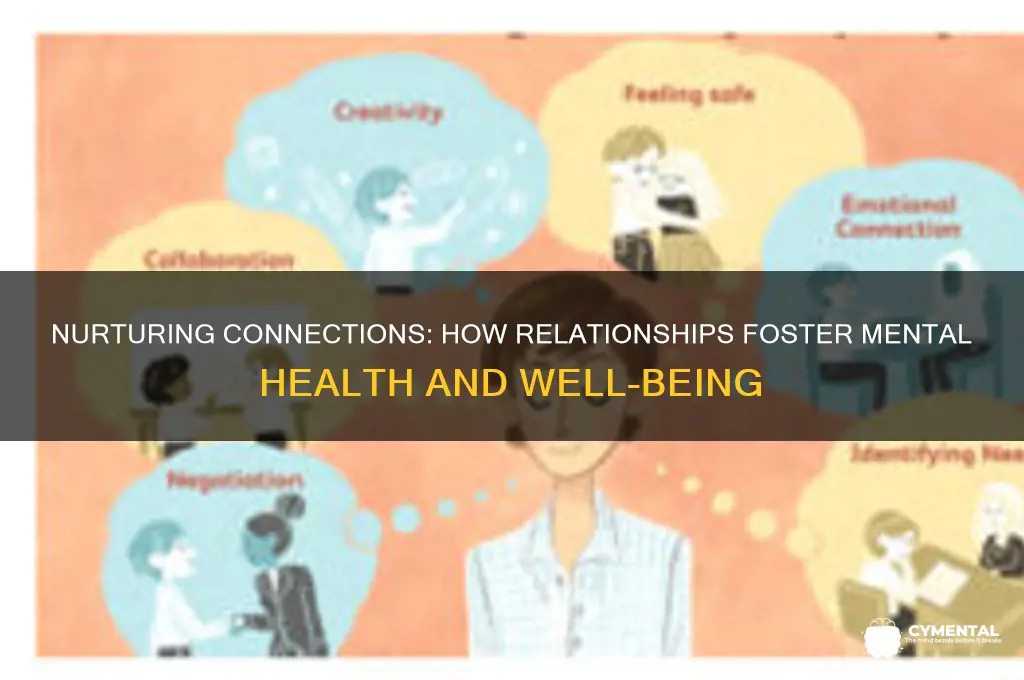
Relationships play a pivotal role in supporting mental health by providing emotional, social, and psychological benefits. Meaningful connections with family, friends, or partners foster a sense of belonging and reduce feelings of loneliness, which are often linked to anxiety and depression. These bonds offer a safe space for individuals to share their thoughts, seek advice, and receive encouragement, helping them navigate life’s challenges with greater resilience. Additionally, healthy relationships promote self-esteem, as positive interactions and validation from others reinforce one’s sense of worth. The support system created through relationships can also encourage healthier habits, such as regular communication, shared activities, and mutual accountability, all of which contribute to improved mental well-being. Ultimately, nurturing relationships is not just about companionship but also about building a foundation for emotional stability and long-term mental health.
Explore related products


What You'll Learn
- Emotional Support: Having someone to lean on reduces stress and fosters a sense of security
- Social Connection: Regular interaction combats loneliness, enhancing overall well-being and happiness
- Shared Experiences: Bonding over activities boosts serotonin, improving mood and mental resilience
- Validation & Acceptance: Feeling understood and accepted boosts self-esteem and reduces anxiety
- Accountability & Growth: Healthy relationships encourage personal development and positive lifestyle changes

Emotional Support: Having someone to lean on reduces stress and fosters a sense of security
Human connection is a powerful buffer against life's stressors. Studies show that individuals with strong social support networks experience lower levels of cortisol, the stress hormone, during challenging situations. This physiological response highlights the tangible impact of having someone to rely on emotionally. When faced with a difficult work presentation, a looming deadline, or a personal crisis, knowing you have a partner, friend, or family member who will listen without judgment and offer encouragement can significantly reduce the perceived burden.
Imagine navigating a major life transition, like moving to a new city or losing a job, alone. The weight of uncertainty and anxiety can feel crushing. Now, picture having a confidante who provides a safe space to express fears, share vulnerabilities, and brainstorm solutions. This emotional support acts as a safety net, mitigating the negative impact of stress and fostering resilience. Research suggests that individuals with strong social connections are better equipped to cope with adversity, demonstrating greater emotional regulation and problem-solving skills.
A study published in the journal "Personal Relationships" found that simply holding a loved one's hand during a stressful task reduced participants' blood pressure and heart rate. This physical manifestation of emotional support underscores its profound impact on our well-being. It's not just about having someone to talk to; it's about the feeling of security and belonging that comes from knowing you're not alone.
Cultivating these supportive relationships requires intentionality. It involves vulnerability, open communication, and reciprocity. Make a conscious effort to express gratitude for the support you receive and be present for others in their times of need. Remember, emotional support is a two-way street, and nurturing these connections strengthens the bond and enhances the protective benefits for both parties.
Love's Healing Power: Can Emotional Support Ease Mental Illness?
You may want to see also
Explore related products


Social Connection: Regular interaction combats loneliness, enhancing overall well-being and happiness
Human beings are inherently social creatures, and our mental health thrives on connection. Studies show that loneliness can be as detrimental to health as smoking 15 cigarettes a day. Conversely, regular social interaction acts as a powerful antidote, reducing stress hormones, boosting immune function, and even lowering the risk of cognitive decline.
Consider this: a 2019 study published in *The Lancet* found that individuals with strong social connections had a 50% lower risk of early death compared to those with weak social ties. This isn’t about having a vast network; it’s about quality interactions. A weekly coffee date with a friend, a daily check-in call with a family member, or even joining a local book club can significantly combat feelings of isolation. The key is consistency—aim for at least 30 minutes of meaningful social engagement daily, whether in person or virtually.
However, not all interactions are created equal. Small talk at the grocery store won’t cut it. Deep, authentic conversations that foster emotional intimacy are what truly nourish the mind. For instance, sharing personal experiences, expressing vulnerability, or simply listening actively can strengthen bonds and create a sense of belonging. If you’re unsure where to start, try asking open-ended questions like, “What’s something you’re looking forward to this week?” or “How has your day been, really?”
For those struggling with loneliness, it’s crucial to take proactive steps. Start small: join a community group aligned with your interests, volunteer for a cause you care about, or even adopt a pet. Pets, particularly dogs, provide unconditional companionship and encourage routine, which can be a lifeline for mental health. Additionally, limit passive social media use, as it often exacerbates feelings of isolation. Instead, use platforms to arrange in-person meetups or video calls with loved ones.
Incorporating social connection into your routine isn’t just beneficial—it’s essential. Think of it as a daily vitamin for your mental well-being. By prioritizing meaningful interactions, you’re not just combating loneliness; you’re actively building resilience, fostering happiness, and creating a support system that can carry you through life’s challenges. Start today—reach out, engage, and watch your mental health flourish.
Swimming's Impact: Boosting Mental Health and Well-Being Naturally
You may want to see also
Explore related products


Shared Experiences: Bonding over activities boosts serotonin, improving mood and mental resilience
Engaging in shared activities with others isn’t just enjoyable—it’s a biological mood booster. When you participate in something meaningful with a friend, partner, or family member, your brain releases serotonin, often called the "feel-good" neurotransmitter. This chemical surge doesn’t just elevate your mood temporarily; it builds mental resilience over time, equipping you to handle stress and adversity more effectively. Whether it’s cooking a meal together, hiking a trail, or attending a concert, these shared experiences create a foundation of emotional support that strengthens your mental health.
Consider the science behind it: serotonin plays a critical role in regulating mood, appetite, and sleep. Studies show that social bonding activities can increase serotonin levels by up to 20%, depending on the intensity of the connection and the enjoyment derived from the activity. For instance, a 2021 study published in *Frontiers in Psychology* found that individuals who engaged in group activities reported significantly lower levels of anxiety and depression compared to those who participated alone. The key lies in the combination of social interaction and purposeful engagement, which amplifies the serotonin response.
To maximize these benefits, choose activities that foster collaboration and communication. For example, playing a team sport like basketball or volleyball not only boosts serotonin but also encourages problem-solving and trust-building. If physical activity isn’t your preference, creative pursuits like painting classes or book clubs can achieve similar results. The goal is to create a shared focus that allows for natural interaction and connection. Aim for at least two such activities per week to maintain consistent serotonin elevation and mental health benefits.
However, not all shared experiences are created equal. Passive activities, like watching TV together, may provide companionship but lack the active engagement needed to trigger a significant serotonin release. Instead, opt for activities that require participation and interaction. For instance, a study from the *Journal of Happiness Studies* found that couples who engaged in novel activities together reported higher relationship satisfaction and lower stress levels compared to those who stuck to routine tasks. The novelty factor keeps the brain engaged and enhances the emotional payoff.
Incorporating shared experiences into your routine doesn’t require grand gestures. Start small: plan a weekly walk with a friend, join a local hobby group, or cook a new recipe with your partner. The key is consistency and intentionality. Over time, these activities not only strengthen your relationships but also build a reservoir of positive memories and emotional resilience. By prioritizing shared experiences, you’re not just having fun—you’re actively investing in your mental well-being.
Virtual Reality: A New Frontier for Astronaut Mental Health Support
You may want to see also
Explore related products


Validation & Acceptance: Feeling understood and accepted boosts self-esteem and reduces anxiety
Human beings are inherently social creatures, and our relationships play a pivotal role in shaping our mental well-being. Among the myriad benefits, validation and acceptance stand out as powerful catalysts for positive change. When individuals feel truly understood and accepted by their peers, partners, or family members, it can significantly impact their self-perception and emotional resilience. This sense of validation acts as a cornerstone for building self-esteem and mitigating anxiety, fostering a healthier and more fulfilling life.
The Power of Empathy and Understanding
Imagine a scenario where a person shares their deepest fears or insecurities with a trusted friend. The friend listens attentively, acknowledges their feelings, and responds with empathy. This simple act of validation can be transformative. Research suggests that feeling understood activates the brain's reward system, releasing neurotransmitters like oxytocin and dopamine, which promote feelings of happiness and security. Over time, consistent validation can rewire an individual's self-perception, helping them develop a more positive and realistic self-image. For instance, a study published in the *Journal of Personality and Social Psychology* found that individuals who received regular empathy and validation from their partners reported higher levels of self-esteem and lower levels of depression and anxiety.
Practical Strategies for Validation
Incorporating validation into daily interactions requires intentionality and active listening. Here are some practical steps to foster a validating environment:
- Reflective Listening: When someone shares their thoughts or feelings, paraphrase and reflect back what they've said to show understanding. For example, "It sounds like you're feeling overwhelmed with the new project. That must be challenging."
- Ask Open-Ended Questions: Encourage dialogue by asking questions that require more than a yes or no answer. This demonstrates genuine interest and allows the speaker to elaborate on their thoughts.
- Avoid Judgment: Create a safe space by refraining from criticism or unsolicited advice. Instead, focus on acknowledging their emotions and experiences.
- Offer Specific Praise: Recognize and appreciate individual strengths and efforts. For instance, "I admire how you handled that difficult conversation with such patience and clarity."
The Impact on Anxiety Reduction
Anxiety often thrives in environments of uncertainty and self-doubt. When individuals receive consistent validation, it helps to counteract these negative thought patterns. A study conducted by the University of California, Los Angeles (UCLA) found that social support, including validation, significantly reduces the body's stress response, lowering cortisol levels and promoting a sense of calm. For adolescents and young adults, who are particularly vulnerable to anxiety disorders, having a supportive network that provides validation can be a protective factor. Parents and mentors can play a crucial role by offering age-appropriate validation, such as acknowledging a teenager's struggles with peer pressure or academic stress.
A Comparative Perspective
Contrastingly, environments lacking validation can exacerbate mental health issues. In relationships where criticism or neglect is prevalent, individuals may internalize negative beliefs about themselves, leading to increased anxiety and low self-worth. For example, a child constantly criticized for their academic performance may develop a fear of failure, which can persist into adulthood, affecting their career choices and personal relationships. On the other hand, a supportive partner or friend who provides regular validation can help break these cycles, offering a new narrative of self-acceptance and growth.
In essence, validation and acceptance are not merely feel-good gestures but essential components of mental health maintenance. By integrating these practices into our interactions, we can create a supportive ecosystem that nurtures self-esteem and alleviates anxiety, ultimately fostering more resilient and fulfilled individuals.
Swimming's Mental Benefits: Stress Relief, Focus, and Emotional Well-being
You may want to see also
Explore related products


Accountability & Growth: Healthy relationships encourage personal development and positive lifestyle changes
Healthy relationships act as incubators for personal growth, leveraging accountability as a cornerstone. When we commit to shared goals with a trusted partner, friend, or mentor, we're more likely to follow through. Research shows that individuals with accountability partners are 65% more likely to achieve their objectives, whether it’s quitting smoking, exercising regularly, or advancing a career. This dynamic isn’t about pressure; it’s about mutual support. For instance, a study published in the *Journal of Social and Clinical Psychology* found that couples who worked out together not only improved their physical health but also reported higher relationship satisfaction and reduced stress levels. The key lies in the blend of encouragement and gentle reminders that keep us on track without fostering resentment.
Consider the mechanics of accountability in relationships. It’s not about one person policing another but about creating a system of checks and balances. For example, a friend might ask, “How’s your meditation practice going?” knowing you’ve been trying to manage anxiety. This simple question serves as a nudge, reinforcing the habit without judgment. Over time, these small interactions compound, fostering discipline and self-efficacy. A 2019 study in *Health Psychology* revealed that individuals with supportive accountability partners saw a 30% increase in adherence to mental health routines, such as journaling or therapy attendance. The takeaway? Accountability in relationships isn’t intrusive; it’s a collaborative tool that transforms vague intentions into tangible progress.
However, accountability only thrives in relationships built on trust and respect. Without these, it can morph into criticism or control, undermining mental health rather than bolstering it. For instance, a partner who constantly points out failures without offering constructive feedback may create anxiety or self-doubt. To avoid this, set clear boundaries and communicate expectations. Start by defining what accountability looks like for both parties—perhaps weekly check-ins or shared progress trackers. Tools like habit-tracking apps (e.g., Habitica or Strides) can make this process fun and non-confrontational. The goal is to create a safe space where growth is celebrated, not scrutinized.
Finally, healthy relationships don’t just hold us accountable; they inspire us to grow. When we see a loved one pursuing their passions or overcoming challenges, it sparks motivation. This phenomenon, known as “social contagion,” explains why positive behaviors often spread within social circles. For example, a 2016 study in *Nature Communications* found that having a friend who quits smoking increases your own likelihood of quitting by 36%. Similarly, witnessing a partner’s dedication to therapy might encourage you to address your own mental health. By fostering an environment of mutual growth, relationships become catalysts for transformation, proving that the journey to self-improvement is rarely a solo endeavor.
Move Your Body, Boost Your Mind: The Mental Health Benefits of Physical Activity
You may want to see also
Frequently asked questions
Relationships provide emotional support, reduce feelings of loneliness, and foster a sense of belonging, all of which contribute to improved mental well-being.
Yes, healthy relationships can act as a buffer against stress and anxiety by offering comfort, encouragement, and practical help during challenging times.
Positive relationships provide validation, appreciation, and constructive feedback, which can enhance self-esteem and self-worth.
Consistent, supportive relationships promote resilience, provide a safe space for emotional expression, and encourage healthy coping mechanisms, all of which support long-term mental health stability.