Caleb Wright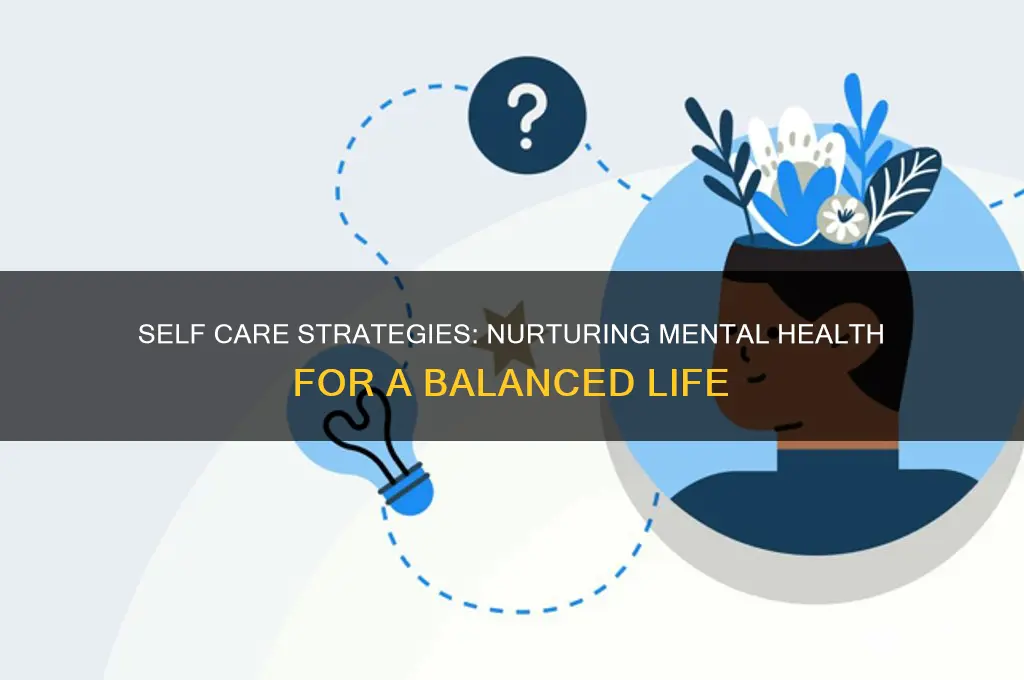
Self-care plays a pivotal role in maintaining and enhancing mental health by providing individuals with the tools and practices necessary to manage stress, reduce anxiety, and foster emotional well-being. Engaging in self-care activities, such as mindfulness, exercise, adequate sleep, and setting boundaries, helps to recharge the mind and body, preventing burnout and promoting resilience. By prioritizing personal needs and nurturing oneself, individuals can improve their self-esteem, gain clarity, and develop a stronger sense of self, which are essential for navigating life’s challenges. Moreover, self-care encourages a proactive approach to mental health, empowering individuals to recognize and address their emotional needs before they escalate into more serious issues. Ultimately, incorporating self-care into daily routines fosters a healthier, more balanced lifestyle, contributing to long-term mental well-being and overall happiness.
| Characteristics | Values |
|---|---|
| Stress Reduction | Self-care activities like meditation, exercise, or hobbies lower cortisol levels, reducing stress and anxiety. |
| Improved Mood | Engaging in enjoyable activities releases endorphins, boosting mood and overall happiness. |
| Enhanced Self-Esteem | Prioritizing self-care fosters a sense of self-worth and accomplishment. |
| Better Emotional Regulation | Self-care practices like journaling or therapy help process emotions effectively. |
| Increased Resilience | Regular self-care builds mental toughness, enabling better coping with challenges. |
| Improved Sleep Quality | Relaxation techniques and consistent routines promote better sleep, vital for mental health. |
| Reduced Risk of Burnout | Self-care prevents emotional and physical exhaustion by setting boundaries and taking breaks. |
| Strengthened Relationships | Taking care of oneself improves emotional availability and communication in relationships. |
| Enhanced Focus and Productivity | Self-care reduces mental clutter, improving concentration and efficiency. |
| Promotes Mindfulness | Practices like yoga or mindfulness meditation increase present-moment awareness, reducing rumination. |
| Encourages Healthy Habits | Self-care often involves nutritious eating, exercise, and hydration, which positively impact mental health. |
| Provides a Sense of Control | Engaging in self-care activities empowers individuals to take charge of their well-being. |
| Supports Long-Term Mental Health | Consistent self-care is a preventive measure against mental health disorders like depression and anxiety. |
Explore related products


What You'll Learn
- Stress reduction through self-care practices like meditation, exercise, and adequate sleep
- Improved self-esteem by setting boundaries and prioritizing personal needs and values
- Emotional regulation via journaling, mindfulness, and healthy coping mechanisms for mood stability
- Enhanced resilience by building habits that foster mental strength and adaptability
- Social connection nurtured through self-care, improving relationships and reducing feelings of isolation

Stress reduction through self-care practices like meditation, exercise, and adequate sleep
Stress is the body's natural response to challenges, but chronic stress can wreak havoc on mental health, leading to anxiety, depression, and burnout. Self-care practices like meditation, exercise, and adequate sleep act as powerful antidotes, rewiring the brain and body to manage stress more effectively. Meditation, for instance, has been shown to reduce cortisol levels, the hormone associated with stress. A study published in the *Journal of Clinical Psychology* found that just 10 minutes of daily mindfulness meditation can significantly lower stress markers in adults over 18. By focusing on the present moment, meditation interrupts the cycle of worry and rumination, offering a mental reset.
Exercise is another cornerstone of stress reduction, but not all workouts are created equal. Moderate-intensity activities like brisk walking, swimming, or cycling for 30 minutes a day, five days a week, are most effective for stress relief, according to the American Psychological Association. Physical activity triggers the release of endorphins, the brain’s feel-good chemicals, while also improving sleep quality and boosting self-esteem. For those who find traditional exercise daunting, even dancing, gardening, or yoga can provide similar benefits. The key is consistency—making movement a non-negotiable part of your routine, regardless of age or fitness level.
Sleep is often overlooked as a self-care practice, yet it’s critical for stress management. During deep sleep, the brain clears toxins and consolidates memories, processes that are essential for emotional regulation. Adults aged 18–64 need 7–9 hours of sleep per night, but nearly 35% of Americans report sleeping less than 7 hours regularly. Poor sleep amplifies stress by impairing judgment, increasing irritability, and weakening the immune system. To improve sleep hygiene, establish a bedtime routine that includes dimming lights, avoiding screens an hour before bed, and keeping the bedroom cool and quiet. Herbal teas like chamomile or valerian root can also promote relaxation.
Combining these practices creates a synergistic effect. For example, morning meditation can set a calm tone for the day, followed by an afternoon workout to release tension, and a consistent sleep schedule to ensure recovery. However, it’s important to tailor these practices to individual needs. Someone with a high-stress job might prioritize meditation and sleep, while a student juggling exams could benefit more from exercise and structured downtime. The goal is not perfection but progress—small, sustainable changes that accumulate over time. By integrating meditation, exercise, and sleep into daily life, individuals can build resilience against stress and foster long-term mental well-being.
Hockey's Mental Health Benefits: Boosting Resilience and Well-being on the Ice
You may want to see also
Explore related products


$10.7 $15.99


Improved self-esteem by setting boundaries and prioritizing personal needs and values
Boundaries are the invisible fences that protect your mental garden. Without them, weeds of resentment, exhaustion, and self-doubt choke out the flowers of self-worth. Setting clear limits on your time, energy, and emotional availability isn't selfish; it's essential for cultivating a healthy sense of self. Imagine saying no to a request that drains you, not out of spite, but because you recognize your own needs deserve priority. This act of self-preservation, repeated consistently, becomes a powerful affirmation: "I matter."
Every time you honor your boundaries, you reinforce your self-value. You communicate to yourself and others that your time, energy, and well-being are non-negotiable. This internal shift is subtle but profound. It's the difference between feeling like a doormat and feeling like a worthy individual with agency over your life.
Think of it as a muscle. Initially, saying no might feel awkward, even painful. You might worry about disappointing others or being perceived as rude. But like any muscle, the boundary-setting muscle strengthens with use. Start small. Decline an invitation that doesn't excite you. Delegate a task that overwhelms you. Gradually, you'll build the confidence to assert your needs in more challenging situations. Remember, boundaries aren't walls; they're filters, allowing in what nourishes you and keeping out what depletes you.
Prioritizing personal needs and values is the fertilizer for your self-esteem garden. It's about identifying what truly matters to you – whether it's creative expression, quality time with loved ones, or simply solitude – and making space for it in your life. This doesn't mean neglecting responsibilities, but rather recognizing that your well-being is a prerequisite for fulfilling them effectively. Schedule that painting class, take that walk in nature, or simply carve out 30 minutes of uninterrupted reading time each day. These seemingly small acts of self-care accumulate, creating a life aligned with your values and a deep sense of fulfillment.
When you consistently prioritize yourself, you send a powerful message: "My needs are valid. My desires are important. I am worth investing in." This internal dialogue, fueled by actions that honor your boundaries and values, is the cornerstone of healthy self-esteem. It's not about becoming self-absorbed, but about recognizing your inherent worth and treating yourself with the same kindness and respect you'd offer a cherished friend.
Boost Your Mind: Mental Benefits of Regular Exercise Revealed
You may want to see also
Explore related products


Emotional regulation via journaling, mindfulness, and healthy coping mechanisms for mood stability
Journaling isn't just for writers or teenagers with angsty poetry. It's a powerful tool for emotional regulation, offering a safe space to process complex feelings without judgment. Studies show that expressive writing, even for as little as 15-20 minutes a day, can significantly reduce stress, anxiety, and symptoms of depression. The act of putting pen to paper (or fingers to keyboard) helps organize chaotic emotions, identify patterns, and gain perspective. For instance, a simple prompt like "What am I feeling right now, and why?" can unravel tangled thoughts, making them more manageable. Unlike venting to a friend, journaling allows for unfiltered honesty, which is crucial for understanding and accepting one’s emotional landscape.
Mindfulness, often misunderstood as mere meditation, is about cultivating present-moment awareness without attachment to thoughts or feelings. It’s not about emptying the mind but observing its contents with curiosity and compassion. A 2019 meta-analysis found that mindfulness-based interventions reduce symptoms of anxiety and depression by an average of 28%. Practically, this could mean dedicating 5-10 minutes daily to a body scan, where you focus on each part of your body, noticing sensations without judgment. Or, try mindful breathing: inhale for 4 counts, hold for 4, exhale for 6, and repeat. This technique activates the parasympathetic nervous system, counteracting the fight-or-flight response and promoting emotional stability.
Healthy coping mechanisms are the unsung heroes of mood stability, yet many default to maladaptive strategies like emotional eating or avoidance. Replacing these with constructive alternatives requires intentionality. For example, progressive muscle relaxation—tensing and releasing muscle groups systematically—can alleviate physical tension tied to emotional stress. Another effective method is grounding techniques, such as the 5-4-3-2-1 exercise: name 5 things you see, 4 you can touch, 3 you hear, 2 you smell, and 1 you taste. This pulls you back into the present, disrupting spiraling thoughts. Pairing these practices with journaling can amplify their effects, as writing about the experience afterward reinforces learning and self-awareness.
The synergy of journaling, mindfulness, and healthy coping mechanisms lies in their ability to address emotional regulation at different levels. Journaling provides a cognitive outlet, mindfulness fosters emotional detachment, and coping mechanisms offer immediate relief. Together, they create a robust framework for managing mood fluctuations. For instance, someone experiencing anger might first use a grounding technique to calm down, then journal about the triggers, and finally practice mindful breathing to restore equilibrium. Consistency is key; these practices are most effective when integrated into daily routines, not reserved for crises. Over time, they rewire the brain’s response to stress, making emotional stability less of a struggle and more of a habit.
Pets in High Schools: Boosting Mental Health and Well-being
You may want to see also
Explore related products


Enhanced resilience by building habits that foster mental strength and adaptability
Resilience isn’t an innate trait but a muscle strengthened through consistent practice. Habits like daily mindfulness, regular physical activity, and structured sleep patterns act as foundational blocks for mental fortitude. For instance, a 10-minute morning meditation, paired with 30 minutes of moderate exercise, rewires the brain to handle stress more effectively. Research shows that individuals who engage in these practices report a 30% reduction in anxiety levels within three months. The key lies in consistency—small, repeatable actions compound over time, creating a buffer against life’s unpredictability.
Consider the analogy of a tree in a storm. Trees with deep roots bend without breaking, much like individuals with resilient habits. One practical habit is journaling for emotional clarity. Spending 15 minutes nightly reflecting on challenges and victories fosters self-awareness and adaptability. Pair this with a weekly digital detox to reduce cognitive overload. Studies indicate that limiting screen time to 2 hours daily improves focus and emotional regulation, particularly in adults aged 25–40. These habits aren’t just reactive; they’re proactive measures to build mental stamina before adversity strikes.
Building resilience requires intentionality, but it’s equally important to avoid common pitfalls. Overloading your routine with too many changes at once can lead to burnout. Start with one habit, like a 5-minute gratitude practice, and gradually layer others. For example, after mastering gratitude, introduce a weekly goal-setting session to enhance purpose. Caution against perfectionism—resilience thrives on flexibility, not rigidity. If you miss a day, resume without self-criticism. Adaptability is the goal, not flawless execution.
The science behind habit formation supports this approach. Neuroplasticity allows the brain to rewire itself through repeated actions, making resilience a tangible skill. For instance, replacing negative self-talk with affirmations for 21 days can create lasting neural pathways. Combine this with social habits, like joining a support group or scheduling weekly check-ins with a friend, to reinforce accountability. These practices not only build mental strength but also create a safety net during challenging times.
Ultimately, resilience through habit-building is a long-term investment in mental health. It’s about cultivating a mindset that views challenges as opportunities for growth rather than threats. Start small, stay consistent, and embrace adaptability. Over time, these habits become second nature, transforming how you navigate life’s storms. The takeaway? Resilience isn’t about avoiding hardship—it’s about equipping yourself to face it head-on, one habit at a time.
Encouraging Mental Health Support: Ethical Approaches to Intervention
You may want to see also
Explore related products

$15.83 $16.99


Social connection nurtured through self-care, improving relationships and reducing feelings of isolation
Self-care isn’t just about solitary bubble baths or meditation apps—it’s a bridge to deeper social connections. When you prioritize your mental and emotional well-being, you show up more authentically in relationships. For instance, setting boundaries through self-care practices like saying "no" to overcommitments frees up time and energy to engage meaningfully with loved ones. This intentionality fosters trust and intimacy, strengthening the bonds that combat feelings of isolation.
Consider the ripple effect of self-care on communication. When you practice mindfulness or journaling, you become more attuned to your emotions, which translates to clearer, more empathetic conversations. A study published in *Psychology Today* highlights that individuals who engage in regular self-care report improved conflict resolution skills, a cornerstone of healthy relationships. For example, taking a 10-minute pause to breathe deeply before addressing a disagreement can prevent escalation and promote understanding.
Group self-care activities, like joining a yoga class or volunteering, double as opportunities for social connection. These shared experiences create a sense of belonging and reduce loneliness. Research from the *American Psychological Association* suggests that adults aged 18–35 who participate in communal self-care activities report higher levels of social satisfaction. Even small acts, such as inviting a friend to a walk or cooking together, can nurture connections while prioritizing well-being.
However, self-care for social connection requires balance. Overemphasis on group activities without solo reflection can dilute personal growth, while too much isolation may hinder relationship-building. Aim for a 70/30 split: 70% of self-care practices can be solitary (e.g., reading, exercising), while 30% involve others (e.g., group hobbies, check-ins). This ratio ensures you recharge while staying socially engaged.
Ultimately, self-care isn’t selfish—it’s relational. By nurturing yourself, you become a more present, patient, and compassionate partner, friend, or family member. This symbiotic relationship between self-care and social connection creates a feedback loop: healthier relationships boost mental health, which in turn fuels the motivation to continue self-care practices. Start small, stay consistent, and watch how your inner work transforms your outer world.
Protesting for Change: Reducing Mental Illness Stigma and Promoting Awareness
You may want to see also
Frequently asked questions
Self-care involves intentional actions to nurture physical, emotional, and mental well-being. It relates to mental health by reducing stress, improving mood, and fostering resilience, helping individuals better cope with challenges.
Self-care practices like exercise, mindfulness, and adequate sleep regulate stress hormones and boost serotonin levels, which can alleviate symptoms of anxiety and depression by promoting relaxation and emotional balance.
Yes, engaging in self-care reinforces self-worth and self-respect. Activities like setting boundaries, pursuing hobbies, or practicing self-compassion help build confidence and a positive self-image.
Simple self-care practices include deep breathing exercises, short walks, hydration, and setting aside 10 minutes for a hobby or relaxation. These small actions can have a significant impact on mental well-being.
Consistent self-care strengthens emotional resilience, improves coping mechanisms, and prevents burnout. Over time, it helps maintain mental balance, reduces the risk of mental health disorders, and promotes overall well-being.