Harper Lewis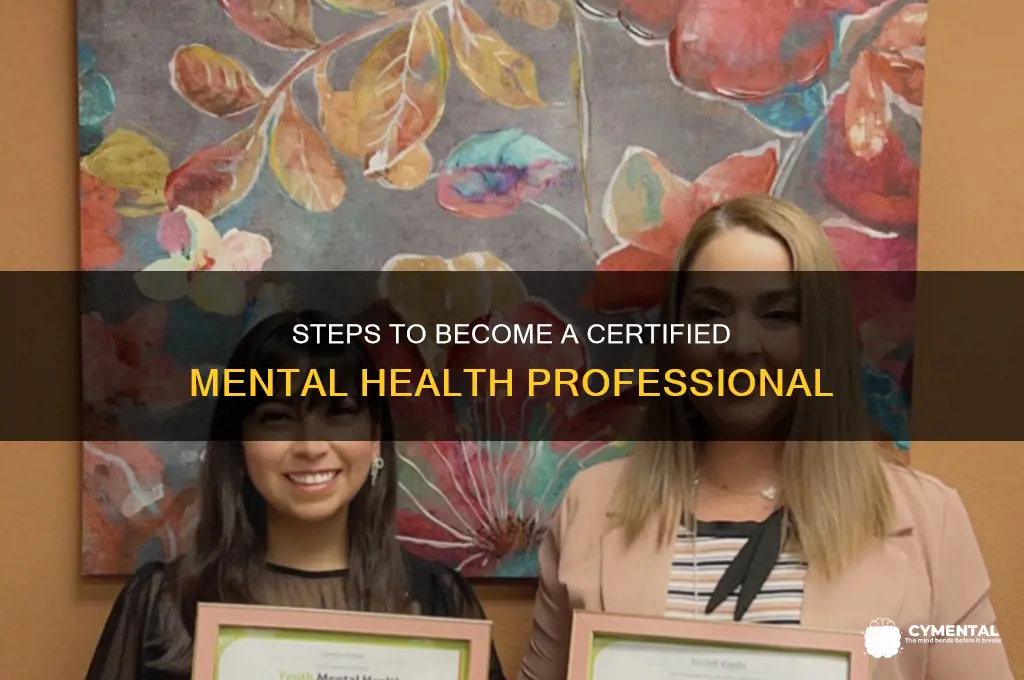
Becoming certified to offer mental health support involves a structured process that combines education, training, and licensure. Typically, individuals start by earning a relevant degree, such as a bachelor’s or master’s in psychology, counseling, social work, or a related field. Advanced roles, like becoming a licensed therapist or psychologist, often require a doctoral degree. After completing formal education, aspiring professionals must undergo supervised clinical training, accruing hundreds to thousands of hours of hands-on experience under the guidance of licensed practitioners. Licensure requirements vary by location but generally include passing standardized exams, such as the National Counselor Examination (NCE) or the Examination for Professional Practice in Psychology (EPPP). Additionally, ongoing continuing education is mandatory to maintain certification and stay updated with best practices in mental health care. Specializations, such as trauma therapy or addiction counseling, may require additional certifications or credentials. Ethical guidelines and adherence to professional standards are also critical components of becoming a certified mental health provider.
| Characteristics | Values |
|---|---|
| Education | Typically requires a master's or doctoral degree in psychology, counseling, social work, or a related field from an accredited institution. |
| Licensure | Must obtain a license to practice independently. Requirements vary by state/country but generally include supervised clinical hours and passing exams (e.g., EPPP in the U.S.). |
| Specialization | May pursue certifications in specific areas like marriage and family therapy, addiction counseling, or school counseling. |
| Supervised Experience | 1,500–4,000 hours of supervised clinical experience, depending on the license type (e.g., LPC, LMFT, LCSW). |
| Examinations | National exams (e.g., EPPP, NCE) and state-specific jurisprudence exams. |
| Continuing Education | Ongoing education credits (CEUs) required to maintain licensure, typically 20–40 hours every 2 years. |
| Ethical Standards | Adherence to ethical guidelines set by professional organizations (e.g., APA, ACA, NASW). |
| Background Check | Criminal background checks are often required for licensure. |
| Supervision | Post-degree supervision by a licensed professional is mandatory for most licenses. |
| Renewal | Licenses must be renewed periodically, with requirements varying by jurisdiction. |
| Certifications | Optional certifications (e.g., Certified Trauma Professional, Certified Clinical Anxiety Treatment Professional) can enhance credentials. |
| Cultural Competence | Training in culturally sensitive practices is increasingly required or recommended. |
| Telehealth Certification | Additional training or certification may be needed for offering telehealth services. |
Explore related products


![Psychiatric Mental Health Nursing Study Guide: PMHN Practitioner Exam Review Secrets, Full-Length Practice Test, Detailed Answer Explanations: [3rd Edition] (Mometrix Test Preparation)](https://m.media-amazon.com/images/I/719Plao-cKL._AC_UY218_.jpg)
What You'll Learn
- Educational Requirements: Earn a degree in psychology, counseling, or related field from accredited institutions
- Licensing Exams: Pass required exams like the NCE, CPM, or state-specific licensing tests
- Supervised Experience: Complete supervised clinical hours under a licensed professional for hands-on training
- Specialization Options: Pursue certifications in areas like CBT, trauma, or addiction for expertise
- Continuing Education: Maintain certification with ongoing training and stay updated on industry standards

Educational Requirements: Earn a degree in psychology, counseling, or related field from accredited institutions
Earning a degree in psychology, counseling, or a related field is the cornerstone of becoming certified to offer mental health services. Accredited institutions ensure that your education meets rigorous standards, providing you with the theoretical knowledge and practical skills necessary to support individuals effectively. Whether you pursue a bachelor’s, master’s, or doctoral degree, each level unlocks different opportunities within the mental health field. For instance, a bachelor’s degree may qualify you for entry-level roles like case management or behavioral health technician, while a master’s or doctorate is typically required for licensure as a therapist, counselor, or psychologist.
When selecting a program, consider the curriculum’s alignment with your career goals. Psychology degrees often focus on research, behavior analysis, and cognitive processes, making them ideal for those interested in clinical or academic paths. Counseling degrees, on the other hand, emphasize therapeutic techniques, interpersonal communication, and ethical practice, preparing graduates for direct client work. Related fields like social work, marriage and family therapy, or psychiatric nursing also offer viable pathways, each with its own specialization and licensure requirements. Accreditation is non-negotiable—ensure your institution is recognized by bodies like the American Psychological Association (APA) or the Council for Accreditation of Counseling and Related Educational Programs (CACREP) to guarantee your degree’s validity.
The duration and intensity of these programs vary significantly. A bachelor’s degree typically takes four years, while a master’s can range from two to three years, depending on whether you attend full-time or part-time. Doctoral programs, such as a PsyD or PhD in psychology, often require four to six years of study, including internships, dissertations, or comprehensive exams. Practical experience is a critical component of these programs, with most requiring supervised clinical hours. For example, a master’s in counseling usually mandates 600–900 hours of practicum and internship work, while a doctoral program may require over 3,000 hours. These hands-on experiences not only fulfill academic requirements but also build the confidence and competence needed to work with diverse client populations.
Choosing the right degree also involves understanding licensure and certification prerequisites. In the U.S., becoming a Licensed Professional Counselor (LPC) or Licensed Clinical Social Worker (LCSW) typically requires a master’s degree, while becoming a Licensed Psychologist necessitates a doctorate. Each state has its own regulations, so research your target state’s requirements early in your educational journey. For instance, some states may require additional coursework in areas like ethics, diagnosis, or cultural competency. Internationally, requirements differ further, with countries like the UK or Canada having distinct pathways for titles like “Counsellor” or “Psychotherapist.”
Finally, while the educational path is demanding, it is also deeply rewarding. These programs not only equip you with the tools to help others but also foster personal growth and resilience. Consider joining professional organizations like the American Counseling Association (ACA) or the National Association of School Psychologists (NASP) during your studies to network, access resources, and stay informed about industry trends. Scholarships, grants, and work-study programs can help offset the financial burden of higher education, making this career path more accessible. By committing to a rigorous, accredited program, you lay the foundation for a meaningful career dedicated to improving mental health outcomes.
Supporting Mental Health: Practical Ways to Aid Recovery and Resilience
You may want to see also
Explore related products



Licensing Exams: Pass required exams like the NCE, CPM, or state-specific licensing tests
To become certified to offer mental health services, passing licensing exams is a critical step. These exams, such as the National Counselor Examination (NCE), Certified Professional Counselor (CPC) exam, or state-specific tests, are designed to assess your knowledge, skills, and readiness to practice. Each exam has unique requirements, formats, and content areas, so understanding the specifics of the test you’re taking is essential. For instance, the NCE covers eight major content areas, including human growth and development, social and cultural foundations, and counseling practice and intervention. Familiarize yourself with the exam blueprint to tailor your study plan effectively.
Analyzing the structure of these exams reveals common patterns that can aid your preparation. Most licensing exams combine multiple-choice questions, case studies, and occasionally, clinical simulations. The NCE, for example, consists of 200 multiple-choice questions, while state-specific exams may include additional sections on local laws and ethics. Allocate study time proportionally to the weight of each section. Practice exams are invaluable—they not only test your knowledge but also help you manage time and reduce test anxiety. Aim to complete at least three full-length practice tests under timed conditions before the actual exam.
A persuasive argument for prioritizing licensing exams is their role in ensuring public safety and professional credibility. These exams are not just bureaucratic hurdles; they validate your competence to handle sensitive mental health issues. For example, failing to diagnose a client’s dual diagnosis accurately could lead to inappropriate treatment, highlighting the real-world consequences of inadequate preparation. Invest in quality study materials, such as official exam guides, online courses, or study groups. Some candidates find that breaking down study sessions into 30-minute blocks over several months is more effective than cramming.
Comparing the NCE and state-specific exams reveals both similarities and differences. While the NCE is nationally recognized and focuses on broad counseling principles, state exams often emphasize regional regulations and practice standards. For instance, California’s Marriage and Family Therapist (MFT) exam includes questions on the California Business and Professions Code. If you plan to practice in a specific state, prioritize its exam requirements. However, passing the NCE can sometimes expedite the licensing process in certain states, so consider your long-term career goals when deciding which exams to pursue.
In conclusion, mastering licensing exams requires a strategic approach. Start by identifying the specific exam(s) required for your desired certification and gather detailed information about their content and format. Develop a structured study plan that includes regular practice tests and focuses on weaker areas. Remember, these exams are not just about memorization but also about applying knowledge to clinical scenarios. By dedicating time and effort to thorough preparation, you’ll not only pass the exam but also build a strong foundation for your mental health practice.
School Nurses: Prepared to Address Student Mental Health Challenges?
You may want to see also
Explore related products

$49.99 $58.95

$48.99 $62.99
![Psychiatric-Mental Health Nurse Practitioner Study Cards: PMHNP Exam Review and Practice Test Questions for The Psychiatric Mental Health Nursing Certification [Full Color Cards]](https://m.media-amazon.com/images/I/51IRL+rhRgL._AC_UY218_.jpg)


Supervised Experience: Complete supervised clinical hours under a licensed professional for hands-on training
Supervised clinical hours are the backbone of any mental health certification, serving as the bridge between theoretical knowledge and real-world application. Typically, aspiring professionals must complete 1,500 to 3,000 hours of supervised practice, depending on the credential (e.g., Licensed Professional Counselor, Licensed Clinical Social Worker). These hours are not merely a checkbox but a transformative process where skills like active listening, crisis intervention, and treatment planning are honed under the guidance of a seasoned practitioner. For instance, a trainee might spend 20 hours per week over two years in a community mental health center, gradually taking on more complex cases as their competence grows.
The structure of supervised experience varies by profession and state requirements. In some programs, supervision occurs in weekly one-on-one sessions with a licensed supervisor, while others incorporate group supervision or peer consultation. A common ratio is one hour of supervision for every 10 to 20 hours of direct client contact. For example, a trainee working 20 clinical hours weekly might receive two hours of supervision, one individual and one group. Practical tips include documenting sessions meticulously, as supervisors often review case notes to provide feedback, and seeking diverse client populations to broaden competency.
One critical aspect often overlooked is the quality of supervision itself. Effective supervisors do more than correct mistakes; they model ethical practice, challenge assumptions, and foster self-awareness. For instance, a supervisor might use a challenging case to explore a trainee’s countertransference, helping them understand how personal biases could influence treatment. Trainees should actively seek supervisors whose expertise aligns with their career goals—a child psychologist, for example, would benefit from a supervisor specializing in play therapy.
Comparatively, supervised experience in mental health differs from fields like medicine, where residency programs are highly structured. Mental health supervision is often more individualized, tailored to the trainee’s learning curve and the supervisor’s style. This flexibility can be a double-edged sword: while it allows for personalized growth, it requires trainees to advocate for their needs, such as requesting more exposure to specific modalities like cognitive-behavioral therapy or trauma-informed care.
In conclusion, supervised clinical hours are not just a requirement but a rite of passage. They demand resilience, humility, and a commitment to lifelong learning. Trainees who approach this phase with curiosity and openness emerge not only as competent practitioners but as empathetic healers. Practical advice includes setting clear goals with supervisors, reflecting on each session through journaling, and embracing feedback as a tool for growth rather than criticism. This phase is where the art of therapy is truly mastered, one hour at a time.
Public vs. Private Care: Which Better Supports Chronic Mental Illness?
You may want to see also
Explore related products

$35.99 $42.99

$36.02 $64.95


Specialization Options: Pursue certifications in areas like CBT, trauma, or addiction for expertise
Specializations in mental health certifications allow practitioners to tailor their expertise to specific client needs, enhancing both efficacy and career prospects. For instance, Cognitive Behavioral Therapy (CBT) certifications equip professionals with evidence-based tools to address disorders like anxiety and depression. A typical CBT certification program includes 12–16 hours of supervised practice, case studies, and mastery of techniques such as cognitive restructuring and behavioral activation. This specialization is particularly valuable for those working with adults aged 18–65, as CBT has proven efficacy in this demographic across numerous randomized controlled trials.
Trauma-focused certifications, on the other hand, delve into modalities like Eye Movement Desensitization and Reprocessing (EMDR) or Trauma-Focused CBT (TF-CBT). These programs often require 40–50 hours of training, including live demonstrations and case consultations. Practitioners learn to address symptoms of PTSD, complex trauma, and dissociative disorders, with a focus on stabilizing clients before processing traumatic memories. This specialization is critical for working with survivors of abuse, combat veterans, or individuals exposed to acute stress, particularly in age groups where trauma exposure peaks, such as adolescents and young adults.
Addiction certifications, such as the Certified Alcohol and Drug Counselor (CADC) or the Certified Addiction Professional (CAP), emphasize harm reduction, motivational interviewing, and relapse prevention strategies. These programs typically involve 300–500 hours of supervised clinical experience, alongside coursework in pharmacology, ethics, and co-occurring disorders. Professionals in this field often work with clients across all age groups, though interventions may vary—for example, family-based approaches for adolescents versus individual therapy for adults. The demand for addiction specialists is particularly high in regions with opioid crises or rising substance misuse rates.
Choosing a specialization requires self-reflection on personal interests, client populations, and career goals. For instance, a therapist passionate about working with children might prioritize Play Therapy or TF-CBT certifications, while someone drawn to crisis intervention could focus on Dialectical Behavior Therapy (DBT) for high-risk clients. Financial considerations also play a role: CBT certifications often range from $500–$2,000, while EMDR training can cost $3,000–$5,000. However, specialized credentials often lead to higher earning potential and expanded job opportunities in clinics, hospitals, or private practice.
Ultimately, specialization transforms general mental health practitioners into sought-after experts, capable of delivering targeted, effective care. Whether focusing on CBT, trauma, or addiction, certifications provide the skills and credibility needed to address complex client needs. By aligning training with personal and professional aspirations, practitioners can build rewarding careers while making a meaningful impact in their chosen niche.
Mirtazapine's Role in Enhancing Mental Health and Well-being
You may want to see also
Explore related products


![By Bruce Ecker Coherence Therapy Practice Manual and Training Guide [Spiral-bound]](https://m.media-amazon.com/images/I/71UYrum56IL._AC_UY218_.jpg)


Continuing Education: Maintain certification with ongoing training and stay updated on industry standards
Maintaining certification in the field of mental health is not a one-time achievement but a continuous commitment to professional growth and client care. After earning initial credentials, practitioners must engage in ongoing training to stay current with evolving therapeutic techniques, ethical guidelines, and evidence-based practices. Most certifying bodies, such as the American Counseling Association (ACA) or the National Board for Certified Counselors (NBCC), require a minimum of 20–40 hours of continuing education every 2–3 years, depending on the specialization. These hours often include a mix of formal coursework, workshops, and supervised practice to ensure both theoretical knowledge and practical skill development.
The structure of continuing education programs varies widely, catering to different learning styles and professional needs. For instance, online modules offer flexibility for busy practitioners, while in-person seminars provide opportunities for hands-on training and peer networking. Some programs focus on niche areas like trauma-informed care or telehealth best practices, while others cover broader topics such as cultural competency or ethical decision-making. Practitioners should assess their own gaps in knowledge and select courses that align with their client population and career goals. For example, a therapist working with adolescents might prioritize training in cognitive-behavioral therapy (CBT) for anxiety, while a counselor in a corporate setting could benefit from stress management techniques.
One critical aspect of continuing education is staying updated on industry standards and regulatory changes. Mental health laws, ethical codes, and treatment protocols evolve rapidly, often in response to societal shifts or new research. For instance, the rise of telehealth during the COVID-19 pandemic necessitated updated guidelines on digital confidentiality and informed consent. Practitioners who fail to keep pace risk not only losing their certification but also compromising client safety and trust. Subscribing to professional journals, joining associations, and attending conferences are practical ways to stay informed. Additionally, many certifying bodies offer resources like newsletters or webinars to help professionals navigate changes effectively.
Despite its importance, continuing education can be challenging due to time constraints, financial costs, and burnout. To overcome these barriers, practitioners should adopt a strategic approach. For example, bundling training hours with annual conferences or seeking employer-sponsored programs can reduce costs. Micro-learning, such as 15-minute daily modules, can make education more manageable. Practitioners should also view continuing education as an investment in their career longevity rather than a chore. By staying updated, they not only maintain their certification but also enhance their ability to provide effective, compassionate care in an ever-changing field.
Nature's Healing Power: How Outdoor Time Boosts Mental Well-Being
You may want to see also
Frequently asked questions
Requirements vary by country and profession, but generally include a relevant degree (e.g., psychology, counseling, social work), supervised clinical hours, and passing a licensing exam.
Yes, most certifications require a master’s or doctoral degree in fields like psychology, counseling, social work, or marriage and family therapy.
The number varies, but it often ranges from 2,000 to 4,000 hours of supervised practice, depending on the profession and licensing board.
While some certifications are internationally recognized (e.g., NCC for counselors), most mental health certifications are country-specific and regulated by local licensing boards.
It depends on the laws of the state or country where your client is located. Some jurisdictions require separate licensure or registration for telehealth services. Always check local regulations.