Ava Ramirez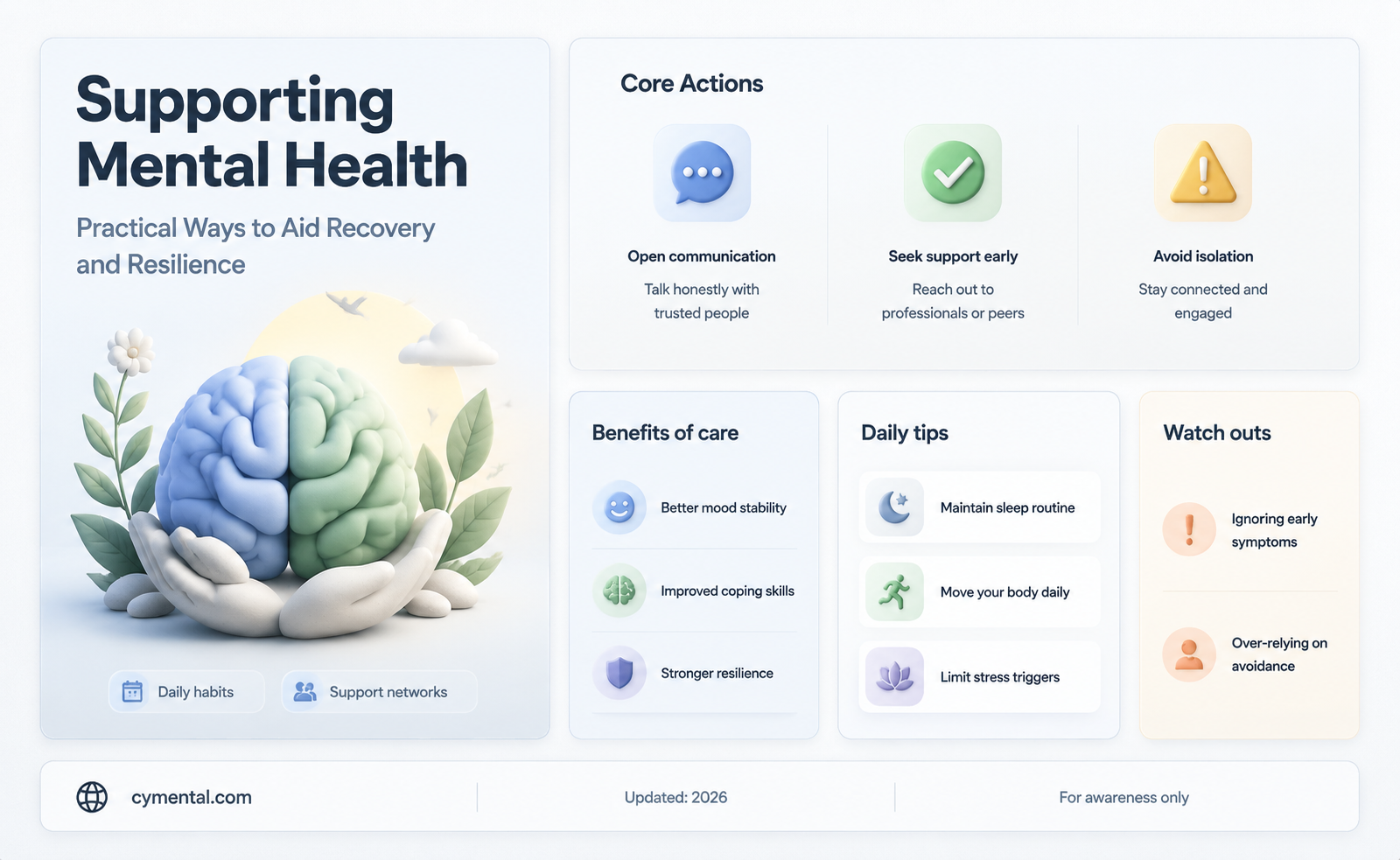
Mental illness affects millions of people worldwide, impacting not only individuals but also families, communities, and societies as a whole. Addressing this growing concern requires a multifaceted approach that combines awareness, education, and accessible resources. By fostering open conversations, reducing stigma, and promoting early intervention, we can create a supportive environment for those struggling with mental health challenges. Additionally, investing in mental health services, training professionals, and integrating mental well-being into public health policies are essential steps toward providing effective care. Ultimately, collective efforts from individuals, governments, and organizations are crucial to ensuring that everyone has the tools and support needed to manage and recover from mental illness.
Explore related products


What You'll Learn
- Early Detection & Intervention: Recognize signs, seek help promptly, prevent worsening symptoms, and promote timely treatment
- Access to Affordable Care: Expand mental health services, reduce costs, and ensure availability for all populations
- Stigma Reduction Campaigns: Educate, raise awareness, challenge stereotypes, and foster empathy in communities
- Supportive Workplaces: Implement mental health policies, provide resources, and create safe, inclusive work environments
- Community & Peer Support: Build networks, offer group therapy, and encourage shared experiences for recovery

Early Detection & Intervention: Recognize signs, seek help promptly, prevent worsening symptoms, and promote timely treatment
Mental health conditions often manifest subtly, with early signs easily dismissed as temporary stress or personality quirks. Recognizing these signs—such as persistent sadness, withdrawal from social activities, or sudden changes in behavior—is the first step toward intervention. For instance, a teenager who stops engaging with friends or a colleague who misses deadlines consistently might be showing early signs of depression or anxiety. Awareness campaigns, like those by the National Alliance on Mental Illness (NAMI), emphasize the importance of noticing these changes and normalizing conversations about mental health. Early detection isn’t just about spotting symptoms; it’s about understanding that these shifts can be precursors to more severe conditions if left unaddressed.
Once signs are recognized, seeking help promptly is critical. Delays in treatment can allow symptoms to escalate, making recovery more challenging. For example, untreated anxiety can evolve into panic disorder, and mild depression can deepen into major depressive disorder. Practical steps include scheduling a primary care visit, contacting a mental health hotline, or using telehealth platforms for immediate support. Organizations like the Substance Abuse and Mental Health Services Administration (SAMHSA) offer 24/7 helplines (1-800-662-HELP) for guidance. For adolescents, parents can consult school counselors or pediatricians, who often screen for mental health issues during routine check-ups. Timely action not only prevents worsening symptoms but also reduces the stigma associated with seeking help.
Preventing symptom escalation requires a multi-faceted approach. Psychoeducation plays a key role—understanding that mental health is as vital as physical health encourages proactive management. For instance, mindfulness practices, such as daily meditation or journaling, can mitigate early symptoms of stress and anxiety. Similarly, maintaining a structured routine, including regular sleep and exercise, supports mental stability. Employers can contribute by offering mental health days and workshops on stress management. For severe cases, early pharmacological intervention, like low-dose SSRIs for anxiety, can be prescribed under professional guidance. The goal is to create an environment where addressing mental health is as routine as treating a physical ailment.
Promoting timely treatment involves dismantling barriers to access. Cost, stigma, and lack of awareness often prevent individuals from seeking help. Community-based programs, like peer support groups or sliding-scale therapy clinics, make mental health care more accessible. Digital tools, such as mental health apps (e.g., Calm or Talkspace), offer immediate resources for self-management. Policymakers can play a role by mandating insurance coverage for mental health services, as seen in the Mental Health Parity and Addiction Equity Act. Ultimately, early detection and intervention are not just individual responsibilities but collective efforts requiring systemic change. By prioritizing timely treatment, society can reduce the long-term impact of mental illness and foster resilience.
Gardening for Mental Health: Cultivating Peace and Well-Being Naturally
You may want to see also
Explore related products





Access to Affordable Care: Expand mental health services, reduce costs, and ensure availability for all populations
Mental health care remains out of reach for millions due to prohibitive costs, limited availability, and systemic disparities. Expanding access to affordable care is not just a moral imperative but a practical necessity, as untreated mental illness exacts a staggering toll on individuals, families, and economies. To address this crisis, a multi-pronged approach is required, focusing on service expansion, cost reduction, and equitable distribution.
Step 1: Integrate Mental Health into Primary Care Settings
Primary care clinics serve as the first point of contact for many individuals, making them ideal hubs for mental health screenings and interventions. By training primary care providers to identify and manage common conditions like depression and anxiety, we can reduce barriers to entry. For example, collaborative care models, where primary care physicians work with mental health specialists, have shown a 40% improvement in patient outcomes. Telehealth platforms can further extend this reach, particularly in rural or underserved areas, ensuring that geography is no longer a determinant of care.
Step 2: Leverage Technology to Reduce Costs
Digital tools offer scalable, cost-effective solutions to mental health care. Mobile apps like Calm and Headspace provide evidence-based mindfulness exercises, while AI-driven chatbots offer immediate support for mild symptoms. For more severe cases, teletherapy platforms connect patients with licensed therapists at a fraction of the cost of in-person sessions. Governments and insurers should subsidize these tools, ensuring they are free or low-cost for low-income populations. For instance, a monthly subscription to a mental health app could be covered under Medicaid, making it accessible to millions.
Step 3: Address Workforce Shortages with Innovative Solutions
The global shortage of mental health professionals is a critical bottleneck. To bridge this gap, task-sharing models can be employed, where non-specialists like community health workers are trained to deliver basic mental health services. In Zimbabwe, the Friendship Bench program trained lay health workers to provide problem-solving therapy, resulting in a 50% reduction in depression symptoms among participants. Additionally, incentivizing mental health professionals to work in underserved areas through loan forgiveness programs or salary supplements can improve geographic distribution.
Caution: Avoid One-Size-Fits-All Approaches
While expanding services is essential, it’s equally important to tailor solutions to the unique needs of diverse populations. For example, culturally adapted therapies have been shown to be more effective for minority groups. A study among Latinx communities found that incorporating family-based interventions improved engagement and outcomes. Similarly, LGBTQ+ individuals often face stigma and discrimination in healthcare settings, necessitating safe, affirming spaces. Funding should prioritize programs that address these specific needs, ensuring inclusivity.
Expanding access to affordable mental health care requires coordinated efforts from policymakers, healthcare providers, and communities. By integrating mental health into primary care, leveraging technology, addressing workforce shortages, and tailoring services to diverse populations, we can create a system that leaves no one behind. The cost of inaction is far greater than the investment required—it’s time to act decisively and compassionately.
Stem Cell Therapy: A Potential Breakthrough for Mental Illness Treatment?
You may want to see also
Explore related products


Stigma Reduction Campaigns: Educate, raise awareness, challenge stereotypes, and foster empathy in communities
Stigma surrounding mental illness silences sufferers, delays treatment, and exacerbates symptoms. Stigma reduction campaigns serve as a frontline defense, dismantling barriers through education, awareness, and empathy-building. These initiatives challenge stereotypes by humanizing mental health struggles, replacing fear with understanding, and fostering inclusive communities where seeking help is normalized.
Consider the "Time to Change" campaign in England, which employed storytelling to combat stigma. By sharing personal narratives of individuals living with mental illness, the campaign achieved a 9.6% reduction in discriminatory attitudes between 2009 and 2017. Such success underscores the power of relatable narratives in shifting public perception. Campaigns like these often follow a three-pronged approach: educate by disseminating factual information, raise awareness through public platforms, and challenge stereotypes via counter-narratives. For instance, a school-based program might use workshops to debunk myths like "mental illness is a sign of weakness," replacing them with evidence-based facts, such as "1 in 4 adults experience mental illness annually."
However, crafting effective campaigns requires caution. Over-simplification can trivialize complex issues, while sensationalism may reinforce stigma. For example, portraying mental illness solely through dramatic depictions of depression risks perpetuating stereotypes of unpredictability or danger. Instead, campaigns should balance authenticity with sensitivity, incorporating diverse voices and experiences. Practical tips include collaborating with mental health professionals, using inclusive language, and measuring impact through surveys or focus groups. For instance, a workplace campaign might track changes in employee attitudes pre- and post-intervention, ensuring the message resonates across age categories (e.g., tailored materials for Gen Z vs. Baby Boomers).
Ultimately, stigma reduction campaigns are not one-size-fits-all. They must adapt to cultural contexts, audience needs, and emerging trends. A rural community might benefit from faith-based partnerships, while urban areas could leverage social media influencers. The key lies in fostering empathy, not just awareness. By encouraging active listening and shared experiences, these campaigns transform passive observers into active allies, creating a ripple effect of understanding and support.
Logic's Role in Managing Mental Illness: A Thoughtful Exploration
You may want to see also
Explore related products


Supportive Workplaces: Implement mental health policies, provide resources, and create safe, inclusive work environments
Workplaces are often where adults spend the majority of their waking hours, making them a critical setting for addressing mental health. Yet, many organizations still treat mental well-being as an afterthought, if at all. Implementing robust mental health policies isn’t just a moral imperative—it’s a strategic one. Studies show that companies prioritizing mental health see a 20-30% increase in productivity and a significant reduction in absenteeism. Policies should include clear guidelines on flexible work arrangements, mental health days, and protections against discrimination. For instance, a tech company in Seattle introduced a "wellness week" where employees could take five consecutive days off without questions asked, resulting in a 40% drop in burnout reports within six months.
Providing resources is the next step, but it’s not enough to simply offer an EAP (Employee Assistance Program) and call it a day. Employees need accessible, diverse, and stigma-free options. This could include subsidized therapy sessions, mindfulness apps, or on-site wellness workshops. A financial firm in Chicago partnered with a local mental health clinic to offer biweekly group therapy sessions during lunch hours, seeing a 50% increase in employee engagement within the first year. Practical tips for employers include conducting anonymous surveys to understand employee needs, ensuring resources are culturally sensitive, and training managers to recognize signs of distress without overstepping boundaries.
Creating a safe and inclusive environment goes beyond policies and resources—it’s about culture. Leaders must model vulnerability and openness about mental health. For example, a CEO sharing their own struggles with anxiety during a company-wide meeting can normalize the conversation. Physical spaces also matter: incorporating natural light, quiet rooms, and ergonomic designs can reduce stress. Caution, however, must be taken to avoid tokenism. A "wellness corner" with yoga mats won’t fix systemic issues like unrealistic deadlines or toxic leadership. The takeaway? Culture change requires sustained effort, from hiring practices that prioritize emotional intelligence to regular check-ins that ask, “How are you—really?”
Finally, inclusivity means recognizing that mental health isn’t one-size-fits-all. LGBTQ+ employees, for instance, may face unique stressors, while working parents might need different support systems. Tailoring resources to these demographics can make a world of difference. A marketing agency in Austin implemented a "mental health ally" program where trained volunteers from diverse backgrounds offered peer support, leading to a 35% increase in employees feeling heard. The conclusion is clear: supportive workplaces don’t just happen—they’re built through intentional policies, thoughtful resources, and a culture that values every individual’s well-being.
DHS Assistance: Navigating Disability Benefits for Mental Health Disorders
You may want to see also
Explore related products


Community & Peer Support: Build networks, offer group therapy, and encourage shared experiences for recovery
Social isolation often exacerbates mental health struggles, creating a feedback loop where withdrawal from society deepens feelings of hopelessness and despair. Building community networks intentionally disrupts this cycle by embedding individuals in supportive ecosystems. Start by identifying local organizations or online platforms that align with specific mental health challenges—for example, the National Alliance on Mental Illness (NAMI) offers peer-led support groups for conditions like depression, anxiety, and bipolar disorder. These networks provide a safe space to share experiences without fear of judgment, fostering a sense of belonging that counteracts the isolating effects of mental illness.
Group therapy, when integrated into treatment plans, amplifies recovery by normalizing struggles and modeling coping strategies. Unlike individual therapy, group sessions allow participants to witness others navigating similar challenges, reducing feelings of uniqueness and shame. For instance, cognitive-behavioral group therapy has shown efficacy in treating anxiety disorders, with studies indicating a 50–75% reduction in symptoms after 12–16 sessions. To maximize benefits, ensure groups are facilitated by trained professionals and capped at 8–12 members to maintain intimacy and focus. Participants should commit to regular attendance, as consistency builds trust and deepens therapeutic alliances.
Encouraging shared experiences extends beyond formal therapy into everyday life, transforming recovery into a collective endeavor. Peer-led initiatives, such as hiking groups for individuals with PTSD or art workshops for those with depression, create opportunities for connection through shared activities. These experiences not only distract from negative thought patterns but also rebuild social skills eroded by mental illness. For example, a study published in *The Journal of Nervous and Mental Disease* found that peer-led outdoor activities significantly improved mood and reduced symptoms in participants with major depressive disorder. When organizing such activities, prioritize inclusivity by offering options for varying physical abilities and comfort levels.
However, reliance on community and peer support alone carries risks. Without professional oversight, groups may inadvertently spread misinformation or reinforce unhealthy behaviors. To mitigate this, establish clear guidelines for peer-led initiatives, such as prohibiting medical advice and encouraging members to consult clinicians for personalized treatment. Additionally, be mindful of power dynamics within groups; ensure facilitators are trained to address conflicts and maintain a balanced environment. When executed thoughtfully, community and peer support become powerful adjuncts to traditional treatment, offering emotional sustenance and practical tools for long-term recovery.
Probiotics and Mental Health: Exploring the Gut-Brain Connection for Wellness
You may want to see also
Frequently asked questions
Listen without judgment, encourage professional help, educate yourself about their condition, and offer practical support like helping with daily tasks or accompanying them to appointments.
Speak openly and empathetically about mental health, challenge stereotypes, share accurate information, and treat individuals with mental illness with respect and dignity.
Self-care is crucial for both individuals with mental illness and their caregivers. It involves maintaining physical health, setting boundaries, seeking support, and engaging in activities that promote emotional well-being.