Madison Cole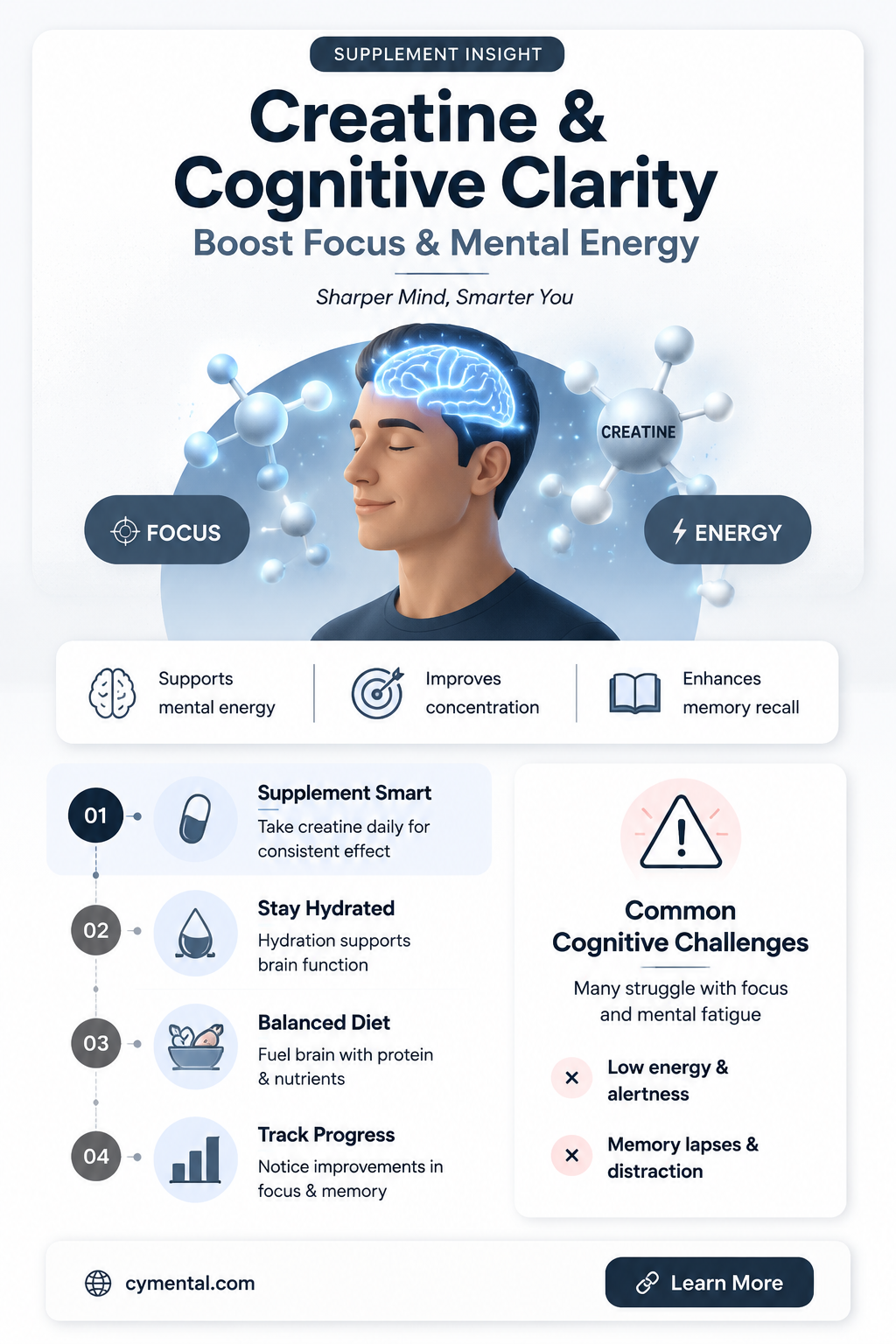
Creatine, a popular supplement widely recognized for its benefits in enhancing physical performance and muscle strength, has also garnered attention for its potential impact on cognitive function and mental focus. While primarily associated with athletic performance, emerging research suggests that creatine may play a role in improving mental clarity, concentration, and overall brain function. Studies indicate that creatine supplementation could increase phosphocreatine levels in the brain, which may enhance energy availability for cognitive tasks, particularly during periods of mental fatigue or high cognitive demand. Additionally, some research links creatine to improved memory, problem-solving abilities, and attention span, especially in individuals with low baseline creatine levels. Although the evidence is promising, further research is needed to fully understand the extent of creatine's effects on mental focus and its long-term implications for cognitive health.
Explore related products




What You'll Learn
- Creatine's impact on cognitive performance during intense mental tasks
- Effects of creatine on memory retention and recall abilities
- Role of creatine in reducing mental fatigue and enhancing alertness
- Creatine supplementation and its influence on problem-solving skills
- Potential benefits of creatine for sustained attention and focus

Creatine's impact on cognitive performance during intense mental tasks
Creatine, a compound renowned for its role in enhancing physical performance, has emerged as a subject of interest in cognitive science. Research indicates that creatine supplementation may bolster cognitive performance during intense mental tasks by supporting energy metabolism in the brain. The brain, despite its small size, consumes approximately 20% of the body’s energy, and creatine helps replenish phosphocreatine stores, which are critical for rapid ATP regeneration. This mechanism is particularly relevant during tasks requiring sustained attention, problem-solving, or decision-making under pressure.
Consider a scenario where a professional, such as a software developer or chess player, faces a high-stakes project with tight deadlines. Studies suggest that a daily creatine dose of 5 grams, taken consistently over 4–6 weeks, can improve mental endurance and reduce mental fatigue. For instance, a 2003 study published in *Experimental Gerontology* found that young adults performing cognitive tasks after creatine supplementation exhibited faster reaction times and enhanced memory retention compared to a placebo group. This effect is especially pronounced in vegetarians or individuals with lower baseline creatine levels, as their bodies may respond more significantly to supplementation.
However, the impact of creatine on cognitive performance is not universal. Factors such as age, baseline cognitive function, and task complexity play a role. Older adults, for example, may experience more pronounced benefits due to age-related declines in phosphocreatine levels. Conversely, individuals already performing at peak cognitive capacity may notice minimal improvements. It’s also crucial to note that creatine’s effects are task-specific; it may enhance performance in short-duration, high-intensity mental tasks but show less impact on prolonged, low-intensity activities.
To maximize creatine’s cognitive benefits, practical strategies include pairing supplementation with a balanced diet rich in omega-3 fatty acids and antioxidants, which support overall brain health. Additionally, maintaining proper hydration is essential, as creatine draws water into muscle and brain cells. For those new to creatine, starting with a loading phase of 20 grams per day for 5–7 days, followed by a maintenance dose of 5 grams daily, can optimize results. Monitoring individual responses and adjusting dosage based on tolerance and goals is also advisable.
In conclusion, while creatine’s role in cognitive performance during intense mental tasks is promising, its effectiveness depends on individual factors and task demands. By understanding its mechanisms and applying evidence-based practices, individuals can harness creatine’s potential to enhance mental focus and resilience in high-pressure situations.
Supporting Mental Health: How Can We Effectively Help Those Struggling?
You may want to see also
Explore related products


Effects of creatine on memory retention and recall abilities
Creatatine, a popular supplement in the fitness world, has garnered attention for its potential cognitive benefits, particularly in memory retention and recall. Research suggests that creatine may enhance brain function by increasing phosphocreatine stores, which help replenish ATP, the brain’s primary energy source. Studies have shown that supplementing with 5 grams of creatine monohydrate daily can improve short-term memory and reasoning skills, especially in individuals with lower baseline creatine levels, such as vegetarians or older adults. This effect is thought to stem from creatine’s role in supporting neuronal health and reducing mental fatigue during cognitively demanding tasks.
Consider the practical application of creatine for students or professionals seeking to enhance memory recall. A 2003 study published in *Experimental Gerontology* found that young adults who took creatine supplements demonstrated faster problem-solving abilities and improved memory performance compared to a placebo group. To maximize these benefits, it’s recommended to start with a loading phase of 20 grams per day (divided into 4 doses) for 5–7 days, followed by a maintenance dose of 3–5 grams daily. Pairing creatine with a carbohydrate or protein source can enhance absorption, as insulin spikes aid in its uptake by cells.
However, not all studies show consistent results, and individual responses to creatine can vary. For instance, individuals with already high creatine levels may experience minimal cognitive benefits. Additionally, long-term studies on creatine’s effects on memory retention are limited, so caution is advised for prolonged use. Pregnant or breastfeeding women, as well as those with kidney issues, should consult a healthcare provider before starting supplementation. Despite these caveats, creatine remains a promising, cost-effective option for those looking to support cognitive function.
A comparative analysis reveals that creatine’s memory-enhancing effects may be more pronounced in older adults or those under high cognitive stress. A 2007 study in *Aging, Neuropsychology, and Cognition* found that older adults (ages 63–75) who took creatine showed significant improvements in memory and intelligence tests compared to younger participants. This suggests that creatine’s benefits may be particularly valuable for age-related cognitive decline. For optimal results, combine creatine supplementation with a balanced diet rich in omega-3 fatty acids and antioxidants, which synergistically support brain health.
In conclusion, while creatine’s primary reputation lies in muscle performance, its role in memory retention and recall is increasingly supported by research. By understanding dosage, timing, and individual factors, users can harness its cognitive benefits effectively. Whether for academic pursuits, professional demands, or age-related memory support, creatine offers a practical, evidence-based approach to enhancing mental focus and recall abilities.
Seeking Support: Effective Ways to Get Help When You Need It Most
You may want to see also
Explore related products


Role of creatine in reducing mental fatigue and enhancing alertness
Creatatine, a compound naturally produced in the body and found in foods like red meat and fish, plays a pivotal role in energy metabolism, particularly within muscle and brain cells. While its benefits for physical performance are well-documented, emerging research suggests it may also combat mental fatigue and enhance alertness. Studies indicate that creatine supplementation can improve cognitive function during tasks requiring sustained attention, especially in sleep-deprived individuals or those under mental stress. For instance, a 2012 study published in *Aminu Acids* found that participants who took 5 grams of creatine daily experienced reduced mental fatigue and improved performance on cognitive tests compared to a placebo group.
To harness creatine’s potential for mental focus, consider these practical steps. Start with a loading phase of 20 grams per day, divided into 4 doses of 5 grams each, for 5–7 days to saturate muscle and brain stores. Follow this with a maintenance dose of 3–5 grams daily. For optimal results, pair creatine with a carbohydrate or protein source, as insulin enhances its absorption. While generally safe for adults, consult a healthcare provider if you have kidney issues or are pregnant. Adolescents under 18 should avoid supplementation unless advised by a doctor, as long-term effects in this age group remain understudied.
Comparing creatine to other cognitive enhancers highlights its unique mechanism. Unlike stimulants like caffeine, which provide short-term energy spikes, creatine works by replenishing phosphocreatine stores in the brain, supporting sustained energy production. This makes it particularly effective for tasks requiring prolonged mental effort, such as studying for exams or working through long meetings. However, it’s not a quick fix for acute focus lapses; its benefits accumulate over time with consistent use.
A cautionary note: while creatine’s cognitive benefits are promising, they are not universal. Individual responses vary based on factors like baseline creatine levels, diet, and overall health. For example, vegetarians, who typically have lower creatine stores, may experience more pronounced effects. Additionally, combining creatine with other nootropics or supplements should be done cautiously to avoid overloading the body’s metabolic pathways. Always monitor how your body responds and adjust dosage as needed.
In conclusion, creatine’s role in reducing mental fatigue and enhancing alertness is grounded in its ability to support cellular energy production in the brain. By following a structured supplementation regimen and considering individual factors, you can maximize its cognitive benefits. Whether you’re a student, professional, or simply seeking to maintain mental stamina, creatine offers a scientifically backed tool to support your focus and productivity.
Melodies of Healing: How Music Supports Mental Health Recovery
You may want to see also
Explore related products


Creatine supplementation and its influence on problem-solving skills
Creatine, a compound renowned for its role in enhancing physical performance, has recently garnered attention for its potential cognitive benefits, particularly in the realm of problem-solving skills. Research suggests that creatine supplementation may improve mental focus and cognitive function by increasing phosphocreatine stores in the brain, which are crucial for rapid energy production during demanding tasks. Studies have shown that individuals engaging in complex problem-solving activities may experience enhanced mental clarity and sustained attention with consistent creatine use. For instance, a 2012 study published in *Experimental Gerontology* found that older adults who took 5 grams of creatine daily for 12 weeks demonstrated significant improvements in memory and problem-solving tasks compared to a placebo group.
To harness creatine’s potential for problem-solving, consider the following practical steps. Start with a loading phase of 20 grams per day, divided into 4 doses of 5 grams each, for 5–7 days to saturate muscle and brain creatine stores. After this, maintain with a daily dose of 3–5 grams. Pair supplementation with cognitive activities like puzzles, coding challenges, or strategic games to maximize its effects. It’s important to note that creatine’s cognitive benefits are most pronounced in vegetarians, older adults, and individuals with lower baseline creatine levels, as their bodies may be more responsive to supplementation.
While the evidence is promising, it’s essential to approach creatine supplementation with caution. Overconsumption, particularly beyond 20 grams daily, can lead to side effects such as bloating, weight gain, or gastrointestinal discomfort. Additionally, individuals with kidney issues or those taking medications should consult a healthcare professional before starting creatine. Hydration is also critical, as creatine draws water into muscle cells, potentially causing dehydration if fluid intake is inadequate.
Comparatively, creatine’s impact on problem-solving skills stands out when juxtaposed with other nootropics like caffeine or L-theanine, which primarily enhance alertness or relaxation. Creatine’s mechanism of action—supporting ATP regeneration in the brain—provides a unique advantage for tasks requiring sustained mental effort and creativity. For example, a programmer tackling a complex algorithm or a student solving intricate math problems may find creatine particularly beneficial due to its ability to maintain cognitive energy levels over extended periods.
In conclusion, creatine supplementation offers a compelling avenue for enhancing problem-solving skills, particularly in scenarios demanding prolonged mental focus and energy. By understanding its mechanisms, following appropriate dosing guidelines, and integrating it into a cognitive training regimen, individuals can unlock its potential to sharpen their analytical abilities. As research continues to evolve, creatine’s role in cognitive enhancement may become as well-established as its benefits in physical performance, making it a valuable tool for anyone seeking to optimize their mental acuity.
Stuffed Animals: Surprising Mental Health Benefits and Comfort They Offer
You may want to see also
Explore related products


![Sugar-Free Creatine Monohydrate Gummies 5gram per Serving, Potent Creatine Gummies for Men & Women, Supplement for Muscle Support, Cellular Energy & Cognitive Function [Lemon Drops Candy Flavor]](https://m.media-amazon.com/images/I/714Cnw7GvKL._AC_UL320_.jpg)


Potential benefits of creatine for sustained attention and focus
Creatatine, a compound renowned for its role in enhancing physical performance, has emerged as a potential cognitive enhancer, particularly in the realm of sustained attention and focus. Research suggests that creatine supplementation may improve mental fatigue resistance, allowing individuals to maintain concentration during prolonged tasks. A study published in the *Journal of Environmental and Occupational Medicine* found that vegetarians, who typically have lower creatine levels, experienced significant improvements in working memory and intelligence test scores after supplementing with 5 grams of creatine daily for six weeks. This highlights the compound’s ability to bolster cognitive endurance, especially in populations with suboptimal creatine stores.
To harness creatine’s focus-enhancing benefits, consider a loading phase of 20 grams per day, divided into 4 doses of 5 grams each, for 5–7 days. This saturates muscle and brain creatine stores rapidly. Following this, a maintenance dose of 3–5 grams daily is sufficient to sustain elevated levels. For optimal results, pair creatine with a carbohydrate or protein source, as insulin spikes enhance its absorption. While generally safe, individuals with kidney issues or those under 18 should consult a healthcare provider before starting supplementation.
Comparatively, creatine’s cognitive benefits extend beyond those of caffeine or other stimulants, which often provide short-term focus boosts but may lead to jitters or crashes. Creatine works by enhancing ATP production in the brain, providing a steady energy source for neurons, thereby supporting prolonged mental effort. This mechanism makes it particularly valuable for tasks requiring sustained attention, such as studying, coding, or creative work. Unlike nootropics like L-theanine or rhodiola, creatine’s effects are more pronounced in physically active individuals or those with dietary deficiencies, making it a targeted solution rather than a universal cognitive aid.
Practical tips for integrating creatine into your routine include consistency—take it daily at the same time to maintain stable levels. Combine it with a morning smoothie or post-workout shake for convenience. Monitor your response over 4–6 weeks, as cognitive benefits may be subtler than physical gains. For those seeking a natural edge in focus, creatine offers a scientifically backed, cost-effective option, particularly when paired with adequate sleep, hydration, and a balanced diet. Its dual role in physical and mental performance makes it a versatile supplement for high-demand lifestyles.
Pats and Mental Health: Unlocking the Healing Power of Touch
You may want to see also
Frequently asked questions
Yes, creatine has been shown to enhance mental focus and concentration, particularly during cognitively demanding tasks. It supports brain energy metabolism by increasing phosphocreatine levels, which helps maintain ATP production in the brain.
In the short term, creatine can improve cognitive performance by reducing mental fatigue and enhancing memory and attention, especially in sleep-deprived or stressed individuals.
Yes, creatine may benefit older adults by supporting brain health and cognitive function. Studies suggest it can improve memory and processing speed in aging populations.
Creatine is generally safe for most people when used as directed. However, some individuals may experience mild side effects like bloating, weight gain, or gastrointestinal discomfort. Always consult a healthcare provider before starting supplementation.