Ava Ramirez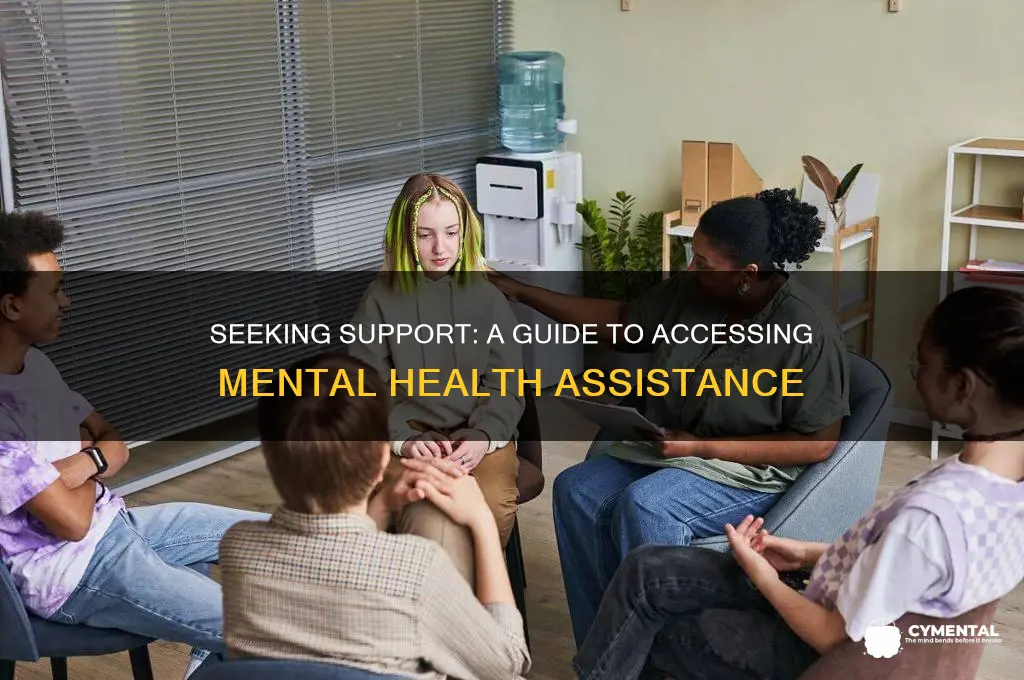
Seeking help for mental health is a crucial step toward well-being, yet many people hesitate due to stigma, uncertainty, or not knowing where to start. Fortunately, numerous resources are available, including therapists, counselors, support groups, and helplines, which can provide professional guidance and emotional support. Primary care physicians can also offer referrals or initial assessments, while online platforms and apps provide accessible tools for self-help and therapy. It’s important to recognize that reaching out is a sign of strength, not weakness, and taking that first step can lead to significant improvements in mental health and quality of life.
Explore related products


What You'll Learn
- Finding a Therapist: Research, ask for referrals, check credentials, and schedule consultations to find the right fit
- Using Hotlines: Access 24/7 crisis hotlines for immediate support and guidance in emergencies
- Online Resources: Explore apps, websites, and forums offering tools, therapy, and community support
- Support Groups: Join local or virtual groups to connect with others facing similar challenges
- Self-Care Strategies: Practice mindfulness, exercise, journaling, and healthy habits to manage mental health daily

Finding a Therapist: Research, ask for referrals, check credentials, and schedule consultations to find the right fit
Finding the right therapist is akin to finding a good pair of shoes—comfort, fit, and purpose matter. Start with research, using reputable platforms like Psychology Today, GoodTherapy, or the American Psychological Association’s therapist locator. Filter by specialization (e.g., anxiety, trauma, couples therapy), modalities (CBT, DBT, psychodynamic), and insurance acceptance. Look for profiles that resonate with your needs—some therapists offer sliding scales or telehealth options, which can be game-changers for accessibility.
Next, ask for referrals, but don’t stop at names. Probe deeper: What did the referrer like about the therapist? Did they feel heard? Was the therapist proactive or more reflective? Personal recommendations can save time, but remember, therapy is subjective. What works for one person may not work for another. For instance, a friend might thrive with a direct, solution-focused therapist, while you may prefer someone more empathetic and exploratory.
Checking credentials is non-negotiable. Verify licenses through your state’s psychology or counseling board. Look for degrees (e.g., PhD, PsyD, LCSW, LMFT) and certifications in specific therapies. Be wary of red flags: vague qualifications, lack of transparency, or unverifiable claims. For example, a therapist claiming to specialize in EMDR should have completed accredited training in that modality.
Finally, schedule consultations—many therapists offer free 15–20-minute calls. Treat these like interviews. Ask about their approach, experience with your concerns, and what a typical session looks like. Pay attention to how you feel during the call. Do they listen actively? Do you feel judged or understood? Trust your gut—if something feels off, it’s okay to move on. Finding the right therapist can take time, but the effort pays dividends in the quality of care you receive.
Supporting Loved Ones: Strategies to Assist Those Denying Mental Health Struggles
You may want to see also
Explore related products


Using Hotlines: Access 24/7 crisis hotlines for immediate support and guidance in emergencies
In moments of acute mental distress, the immediacy of support can be a lifeline. Crisis hotlines offer 24/7 access to trained professionals who provide real-time guidance, emotional grounding, and actionable steps to de-escalate emergencies. Unlike therapy or medication, which require scheduling or prescriptions, hotlines are instantaneous—a critical resource when every second counts. For instance, the National Suicide Prevention Lifeline (988 in the U.S.) connects callers to counselors equipped to handle suicidal ideation, panic attacks, or overwhelming anxiety. This immediacy is unparalleled, making hotlines a cornerstone of emergency mental health care.
Consider the mechanics of using a hotline effectively. First, locate a quiet, safe space to ensure privacy and minimize distractions. If you’re unsure what to say, start with a simple statement like, “I’m in crisis and need help.” The operator will guide the conversation, assessing your needs and offering strategies to stabilize your situation. For example, they might use grounding techniques (e.g., “Name five things you can see right now”) or help you create a safety plan. If you’re calling on behalf of someone else, provide as much context as possible—their age, symptoms, and any known triggers. Remember, hotlines are confidential, so honesty is key to receiving tailored support.
While hotlines are invaluable in emergencies, they are not a substitute for long-term care. Think of them as a bridge—a way to stabilize until you can access ongoing treatment like therapy or medication. For instance, a hotline operator might help you schedule an urgent appointment with a mental health provider or recommend local resources. However, reliance solely on hotlines can delay addressing underlying issues. A 2020 study found that 70% of callers reported immediate relief, but only 30% followed up with additional care within a month. This highlights the importance of using hotlines as a first step, not the only one.
Critically, hotlines are not one-size-fits-all. Different populations may require specialized services. For example, the Crisis Text Line (text HOME to 741741) caters to those who prefer texting over calling, while The Trevor Project (1-866-488-7386) focuses on LGBTQ+ youth. Veterans can access the Veterans Crisis Line (press 1 after dialing 988) for counselors trained in military-related trauma. These tailored services ensure culturally competent care, increasing the likelihood of effective support. Knowing which hotline aligns with your needs can make the experience more impactful.
In practice, preparing for a hotline call can enhance its effectiveness. Save relevant numbers in your phone or write them down in a visible place. Keep a list of current medications, symptoms, and triggers handy to share with the operator. If you’re calling for a loved one, familiarize yourself with their history and any recent changes in behavior. After the call, take note of the strategies discussed and follow through on any recommended next steps. Hotlines are a powerful tool, but their true value lies in how you integrate their guidance into your broader mental health journey.
Finding Support: Where to Seek Help for Depression and Healing
You may want to see also
Explore related products





Online Resources: Explore apps, websites, and forums offering tools, therapy, and community support
The digital age has transformed mental health support, making it more accessible than ever. A quick search reveals a plethora of online resources, from apps that offer daily mindfulness exercises to forums where individuals share their struggles and triumphs. These platforms provide tools, therapy, and community support, often at a fraction of the cost of traditional methods. For instance, apps like Headspace and Calm have become household names, offering guided meditations and sleep stories that cater to users of all ages, from teenagers dealing with exam stress to adults managing workplace anxiety.
Consider the therapeutic potential of online forums and communities. Platforms like 7 Cups and Reddit’s mental health subreddits connect individuals with peers and trained listeners who offer real-time support. These spaces foster a sense of belonging, crucial for those feeling isolated. However, it’s essential to approach these forums with caution. While they provide emotional relief, they are not a substitute for professional therapy. Users should verify the credentials of anyone offering advice and avoid sharing sensitive personal information.
For those seeking structured therapy, online platforms like BetterHelp and Talkspace connect users with licensed therapists via text, video, or audio sessions. These services often allow for flexible scheduling and are particularly beneficial for individuals in remote areas or with mobility challenges. A typical session lasts 45–60 minutes, mirroring traditional therapy, but the convenience of accessing it from home can significantly improve adherence. Studies show that online therapy can be as effective as in-person sessions for conditions like depression and anxiety, especially when combined with consistent use of therapeutic tools provided by the platforms.
Analyzing the effectiveness of these resources, it’s clear that their success depends on user engagement and personal fit. For example, while apps like Woebot use AI to provide cognitive-behavioral therapy techniques, they may not resonate with everyone. Some users prefer the human touch of a therapist or the anonymity of a forum. The key is experimentation—try multiple resources to find what aligns with your needs. Additionally, combining online tools with offline practices, such as journaling or physical exercise, can enhance their impact.
In conclusion, online resources offer a versatile and scalable solution for mental health support. Whether you’re exploring mindfulness apps, engaging in therapy sessions, or finding solace in community forums, these tools can complement traditional care or serve as a starting point for those hesitant to seek help. The digital landscape is vast, but with thoughtful navigation, it can be a powerful ally in your mental health journey.
Supporting Student Well-being: Practical Strategies for Schools to Enhance Mental Health
You may want to see also
Explore related products


$15.71 $20

$12.14 $19.99


Support Groups: Join local or virtual groups to connect with others facing similar challenges
Human connection is a powerful antidote to the isolation often accompanying mental health struggles. Support groups leverage this by creating safe spaces where shared experiences foster understanding, empathy, and collective healing. Unlike individual therapy, these groups offer a unique blend of peer support, practical advice, and a sense of belonging that can significantly enhance recovery.
Whether you're grappling with anxiety, depression, grief, or any other challenge, finding a group where your struggles are mirrored can be transformative.
Locating the right support group requires some legwork, but numerous resources exist. Local community centers, mental health clinics, and religious institutions often host in-person meetings. Online platforms like Meetup, Facebook Groups, and specialized mental health websites (e.g., 7 Cups, Supportiv) offer virtual options, ensuring accessibility regardless of location or mobility. When choosing a group, consider the format (structured vs. open discussion), focus (specific diagnosis or general mental wellness), and facilitator qualifications. Some groups are led by mental health professionals, while others are peer-led, each offering distinct benefits.
Tip: Attend a few sessions before committing to ensure the group's dynamics and approach resonate with you.
Virtual support groups have surged in popularity, offering convenience and anonymity. These online communities break down geographical barriers, allowing individuals in remote areas or with social anxiety to access support. Platforms often feature moderated forums, video conferencing, and chat rooms, catering to different communication preferences. While virtual groups lack the physical presence of in-person meetings, they foster connections through shared stories, resource sharing, and 24/7 accessibility. * Caution: Ensure the platform prioritizes privacy and moderation to maintain a safe and respectful environment.
Example: Online platforms like In The Rooms provide specialized groups for various mental health concerns, including anxiety, depression, and PTSD.
Support groups are not a replacement for professional treatment but a valuable adjunct. They provide a unique form of social support, reducing feelings of loneliness and stigma. Sharing experiences and coping strategies can empower individuals, offering hope and practical tools for managing symptoms. Research suggests that participation in support groups can lead to improved mood, increased self-esteem, and better adherence to treatment plans. * Takeaway: By joining a support group, you gain a community that understands your struggles, celebrates your victories, and walks alongside you on your journey toward mental well-being.
Moving Out: A Mental Health Boost or Added Stress?
You may want to see also
Explore related products




Self-Care Strategies: Practice mindfulness, exercise, journaling, and healthy habits to manage mental health daily
Mental health struggles often stem from a disconnect between our minds and bodies, a gap that self-care strategies can help bridge. Mindfulness, for instance, isn’t just a buzzword—it’s a scientifically backed practice that rewires the brain to focus on the present moment. Studies show that just 10 minutes of daily mindfulness meditation can reduce symptoms of anxiety and depression by up to 30%. Start small: sit in a quiet space, close your eyes, and focus on your breath. When your mind wanders (it will), gently bring it back. Apps like Headspace or Calm can guide beginners, but the key is consistency, not perfection.
Exercise is another cornerstone of self-care, acting as both a preventative measure and a treatment for mental health issues. The American Psychological Association recommends at least 150 minutes of moderate aerobic activity weekly, but even 30 minutes of brisk walking five days a week can boost mood by increasing endorphin production. For those who find traditional workouts daunting, incorporate movement into daily routines: take the stairs, dance while cooking, or try yoga, which combines physical activity with mindfulness. The goal isn’t to achieve peak fitness but to use movement as a tool to reconnect with your body and reduce stress.
Journaling serves as a mental decluttering tool, allowing you to externalize thoughts and emotions that might otherwise spiral unchecked. Research suggests that expressive writing for 15–20 minutes a day can improve emotional well-being and reduce symptoms of depression. There’s no right way to journal—some prefer structured prompts like “What am I grateful for today?” while others free-write. The key is honesty. Keep your journal private to encourage vulnerability, and if writing feels too heavy, try bullet-point reflections or doodling to express emotions visually.
Healthy habits form the foundation of self-care, yet they’re often overlooked in favor of more glamorous strategies. Sleep, for example, is non-negotiable: adults need 7–9 hours nightly, and poor sleep hygiene exacerbates mental health issues. Establish a bedtime routine by dimming lights an hour before bed, avoiding screens, and keeping the room cool. Nutrition also plays a critical role—foods rich in omega-3s (like salmon and walnuts) and probiotics (like yogurt) support brain health. Small changes, like swapping sugary snacks for fruit or drinking water instead of soda, can have a cumulative impact on mood and energy levels.
Together, these strategies create a holistic approach to managing mental health daily. They’re not a replacement for professional help but powerful tools to complement therapy or medication. The beauty of self-care lies in its accessibility—no prescriptions, no appointments, just intentional actions that remind you: your well-being is worth prioritizing. Start with one strategy, then gradually layer others in. Over time, these practices become habits, weaving resilience into the fabric of your daily life.
Supporting Reluctant Loved Ones: Strategies for Accessing Mental Health Care
You may want to see also
Frequently asked questions
If you’re experiencing persistent feelings of sadness, anxiety, hopelessness, or if your emotions are interfering with daily life, relationships, or work, it’s time to seek help. Physical symptoms like sleep disturbances, changes in appetite, or unexplained aches can also be signs.
Begin by consulting your primary care physician, who can provide referrals to mental health professionals. You can also contact local mental health clinics, use online resources like Psychology Today or BetterHelp, or reach out to helplines such as the National Alliance on Mental Illness (NAMI).
Common professionals include psychiatrists (medical doctors who can prescribe medication), psychologists (PhD or PsyD, focus on therapy), licensed therapists (LMFT, LCSW, LPC), and counselors. Choose based on your needs—medication management, therapy, or a combination of both.
Many therapists offer sliding scale fees based on income, and community health centers often provide low-cost or free services. Online platforms like Open Path Collective connect individuals with affordable therapists. Nonprofits and local organizations may also offer financial assistance.
Your first session typically involves discussing your concerns, goals, and background. The therapist will ask questions to understand your situation and may explain their approach. It’s a chance for you to see if you feel comfortable with them, as the therapeutic relationship is key to success.