Harper Lewis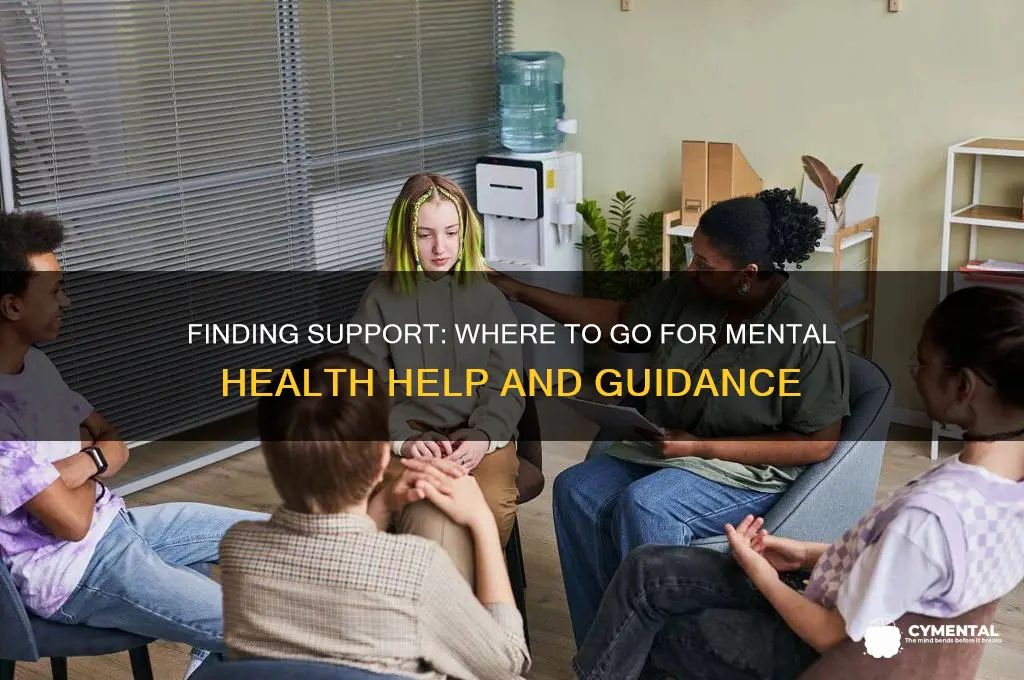
Seeking help for mental health is a crucial step toward well-being, and knowing where to turn can make all the difference. There are numerous resources available, including mental health professionals such as therapists, psychologists, and psychiatrists, who can provide personalized treatment plans. Local community health centers often offer affordable or sliding-scale services, while online platforms and telehealth options have made accessing care more convenient than ever. Support groups and hotlines, like the National Alliance on Mental Illness (NAMI) or the Crisis Text Line, offer immediate assistance and a sense of community. Additionally, many workplaces and schools provide counseling services or Employee Assistance Programs (EAPs) to support individuals in need. Recognizing the importance of reaching out and utilizing these resources is the first step toward healing and recovery.
Explore related products


What You'll Learn
- Local Mental Health Clinics: Find community-based clinics offering therapy, counseling, and psychiatric services for accessible care
- Online Therapy Platforms: Access licensed therapists and support through virtual sessions from home or anywhere
- Support Hotlines: Call or text crisis hotlines for immediate emotional support and guidance 24/7
- Support Groups: Join peer-led groups for shared experiences, understanding, and collective healing in safe spaces
- Primary Care Physicians: Consult your doctor for initial mental health assessments and referrals to specialists

Local Mental Health Clinics: Find community-based clinics offering therapy, counseling, and psychiatric services for accessible care
Local mental health clinics are often the cornerstone of accessible care, providing a range of services from therapy to psychiatric evaluations within the community. These clinics are designed to be more approachable and affordable than private practices, making them ideal for individuals who may face financial or logistical barriers to care. For instance, many community-based clinics operate on a sliding fee scale, adjusting costs based on income, and some even offer free services for those who qualify. This model ensures that mental health support is not a privilege but a right accessible to all, regardless of socioeconomic status.
To locate a local mental health clinic, start by checking resources like the Substance Abuse and Mental Health Services Administration (SAMHSA) treatment locator or contacting your county’s health department. These tools provide detailed information on nearby clinics, including services offered, hours of operation, and contact details. Additionally, community health centers often have partnerships with local clinics, so reaching out to these organizations can yield valuable referrals. When visiting a clinic, expect a multidisciplinary approach: therapists, counselors, and psychiatrists often work together to address both emotional and medical aspects of mental health, ensuring comprehensive care tailored to individual needs.
One of the standout advantages of local mental health clinics is their integration into the community. Unlike isolated private practices, these clinics often collaborate with schools, churches, and social service agencies to provide holistic support. For example, a clinic might offer group therapy sessions for teens struggling with anxiety, partnering with local high schools to identify and refer students in need. This community-centric approach not only reduces stigma but also fosters a sense of belonging, as individuals receive care in a familiar, supportive environment.
However, it’s important to note that while local clinics are accessible, they may have limitations. Wait times can be longer due to high demand, and specialized services like intensive outpatient programs may not always be available. To navigate these challenges, consider calling ahead to inquire about wait times and service availability. Some clinics also offer telehealth options, which can be a convenient alternative for those with transportation difficulties or busy schedules. By understanding these nuances, you can maximize the benefits of community-based care while managing potential drawbacks.
In conclusion, local mental health clinics serve as vital hubs for accessible, community-driven care. By offering therapy, counseling, and psychiatric services on a sliding scale, they break down financial barriers and ensure that mental health support is within reach for everyone. While challenges like wait times exist, proactive steps such as researching clinics and exploring telehealth options can help individuals navigate these hurdles effectively. For those seeking affordable, comprehensive care, community-based clinics are an invaluable resource worth exploring.
Moving Out: A Mental Health Boost or Added Stress?
You may want to see also
Explore related products


$9.79 $17.99
$10.99 $18.99


Online Therapy Platforms: Access licensed therapists and support through virtual sessions from home or anywhere
Online therapy platforms have revolutionized mental health care by breaking down geographical and logistical barriers. With just a stable internet connection, individuals can access licensed therapists from the comfort of their homes, eliminating the need for travel or waiting rooms. Platforms like BetterHelp, Talkspace, and Calmerry offer a range of services, from text-based messaging to live video sessions, catering to diverse preferences and needs. This accessibility is particularly beneficial for those in remote areas, with mobility challenges, or who prefer the anonymity of virtual interactions.
Consider the process of starting online therapy as a structured yet flexible journey. First, most platforms require users to complete a detailed intake questionnaire to match them with a suitable therapist based on their concerns, preferences, and goals. Sessions typically last 45–60 minutes, mirroring traditional in-person therapy, but with the added convenience of scheduling flexibility. For instance, a working parent might opt for evening sessions, while a college student could choose midday breaks. Payment models vary, with subscription plans often ranging from $60 to $100 per week, though some platforms accept insurance or offer financial aid for those with limited budgets.
One of the standout advantages of online therapy is its adaptability to individual lifestyles. For example, someone with social anxiety might find text-based therapy less intimidating than face-to-face interaction, gradually transitioning to video sessions as they build confidence. Similarly, individuals with busy schedules can engage in asynchronous messaging, allowing them to reflect on their thoughts before responding. However, it’s crucial to note that online therapy may not be suitable for severe mental health crises, such as suicidal ideation, which require immediate, in-person intervention.
When choosing an online therapy platform, evaluate its credentials and transparency. Ensure therapists are licensed and accredited, and check if the platform complies with privacy laws like HIPAA in the U.S. Reading user reviews can provide insights into the platform’s effectiveness and user experience. For instance, some users praise BetterHelp for its extensive therapist network, while others prefer Talkspace for its specialized couples therapy options. Practical tips include testing your internet connection before sessions, finding a quiet, private space, and treating virtual appointments with the same commitment as in-person visits.
In conclusion, online therapy platforms offer a convenient, effective, and often affordable way to access mental health support. While they may not replace traditional therapy for everyone, their flexibility and accessibility make them a valuable resource for many. By understanding how these platforms work, their limitations, and how to maximize their benefits, individuals can take proactive steps toward improving their mental well-being.
Recognizing the Signs: When to Seek Help for Your Well-Being
You may want to see also
Explore related products





Support Hotlines: Call or text crisis hotlines for immediate emotional support and guidance 24/7
In moments of crisis, when emotions feel overwhelming and thoughts race uncontrollably, immediate support can be a lifeline. Support hotlines offer exactly that—a direct connection to trained professionals who provide emotional grounding and practical guidance, available 24/7. Unlike therapy sessions that require scheduling, these hotlines are designed for urgent needs, ensuring no one faces their darkest moments alone. Whether you’re experiencing anxiety, depression, suicidal thoughts, or simply need someone to listen, a single call or text can bridge the gap between despair and hope.
Consider the mechanics of these services: most hotlines are staffed by volunteers and professionals trained in active listening, crisis intervention, and de-escalation techniques. For instance, the National Suicide Prevention Lifeline (988 in the U.S.) connects callers to a network of over 200 crisis centers nationwide, while the Crisis Text Line (text HOME to 741741) pairs texters with counselors skilled in addressing issues like self-harm, relationship stress, and loneliness. These services are anonymous, confidential, and free, removing barriers like cost or fear of judgment. For teens and young adults, who often prefer texting over calling, the text-based option can feel less intimidating and more accessible.
A common misconception is that hotlines are only for extreme emergencies. In reality, they’re for anyone struggling emotionally, regardless of the severity. Feeling overwhelmed by a breakup? Call. Struggling with insomnia and racing thoughts? Text. Even if you’re unsure whether your situation qualifies, reaching out is always the right choice. Hotlines are not just about preventing tragedy; they’re about providing a safe space to express pain, confusion, or fear without fear of being dismissed. This accessibility is particularly vital in a world where mental health stigma still discourages many from seeking help.
Practical tips can enhance the effectiveness of these services. First, keep hotline numbers saved in your phone or written down for easy access—in a crisis, searching for a number can feel impossible. Second, if you’re texting, be as honest and specific as possible; counselors can better assist when they understand the full context. Third, if you’re calling and the line is busy, don’t give up—try again or use a text-based service. Finally, remember that hotlines are a starting point, not a long-term solution. Counselors can help you create a safety plan, connect you to local resources, or simply provide the clarity needed to take the next step.
The beauty of support hotlines lies in their immediacy and universality. No appointment, no waitlist, no stigma—just a human voice or a text response ready to meet you where you are. In a world where mental health struggles are increasingly common, these services remind us that help is always within reach. Whether you’re in crisis or simply need someone to talk to, hotlines offer a beacon of hope, proving that even in the darkest moments, you’re never truly alone.
Kick Stress Away: Soccer's Surprising Mental Health Benefits
You may want to see also
Explore related products




Support Groups: Join peer-led groups for shared experiences, understanding, and collective healing in safe spaces
Support groups offer a unique form of solace: the understanding that comes from being heard by someone who’s walked your path. Unlike clinical therapy, these peer-led spaces prioritize shared experience over professional expertise, fostering a sense of "me too" that can be profoundly validating. Imagine a room where anxiety isn’t met with platitudes, but with nods of recognition from people who’ve battled the same intrusive thoughts. This collective empathy becomes a powerful antidote to the isolating nature of mental health struggles.
For those hesitant to dive into traditional therapy, support groups provide a low-pressure entry point. They’re often free or low-cost, meeting in community centers, churches, or even online platforms like Zoom. Groups are typically structured around a specific issue – depression, grief, addiction, PTSD – allowing participants to connect with others facing similar challenges. A typical session might involve introductions, a check-in round where members share their current struggles and victories, and a discussion facilitated by a trained peer leader who ensures the space remains safe and respectful.
While support groups aren’t a substitute for professional treatment, they complement it beautifully. They provide a sense of community, accountability, and hope that can be crucial for long-term recovery. Studies show that participation in support groups can lead to reduced symptoms of depression and anxiety, improved coping skills, and increased feelings of social connectedness. Think of them as a gym for your mental health – a place to build resilience alongside others on the same journey.
Finding the right group is key. Look for ones affiliated with reputable organizations like the National Alliance on Mental Illness (NAMI) or the Anxiety and Depression Association of America (ADAA). Online directories like Psychology Today and Meetup also list local and virtual options. Don’t be afraid to try a few before settling on one that feels like a good fit. Remember, the goal is to find a space where you feel comfortable being vulnerable and supported.
Supporting Loved Ones: Practical Ways to Help with Anxiety and Depression
You may want to see also
Explore related products


Primary Care Physicians: Consult your doctor for initial mental health assessments and referrals to specialists
Your primary care physician (PCP) is often the first line of defense in addressing mental health concerns. They are trained to recognize symptoms of common mental health issues like depression, anxiety, and stress-related disorders. During a routine check-up, your doctor can screen for these conditions using standardized tools such as the PHQ-9 for depression or the GAD-7 for anxiety. These screenings are quick, typically taking less than 10 minutes, and provide a baseline for further evaluation. If symptoms are detected, your PCP can initiate a more detailed assessment, ensuring early intervention before conditions worsen.
While PCPs are not mental health specialists, they play a crucial role in managing mild to moderate cases. For instance, they can prescribe first-line medications like SSRIs for depression or benzodiazepines for acute anxiety, often starting with lower dosages (e.g., 10 mg of Lexapro) and adjusting based on response. They can also recommend lifestyle changes, such as regular exercise, a balanced diet, and sleep hygiene, which are foundational to mental well-being. However, their most significant contribution is their ability to refer patients to specialists when needed, ensuring a seamless transition to more targeted care.
Referrals from a PCP are often more efficient than self-referrals. They can provide specialists with a comprehensive medical history, lab results, and initial observations, saving time and reducing redundancy. For example, if a patient presents with symptoms of bipolar disorder, a PCP can refer them to a psychiatrist who specializes in mood disorders, bypassing the need for a general mental health intake. Additionally, PCPs can coordinate care between multiple providers, ensuring that physical and mental health treatments are aligned, especially for conditions like diabetes or heart disease that often co-occur with depression.
One practical tip is to prepare for your appointment by jotting down symptoms, their frequency, and how they impact daily life. This helps your doctor make an accurate assessment. If you’re hesitant to discuss mental health, start by mentioning physical symptoms like fatigue or insomnia, which are often linked to psychological distress. Remember, PCPs are accustomed to these conversations and are there to help without judgment. For adolescents and older adults, who may face unique mental health challenges, PCPs can tailor referrals to age-specific specialists, such as pediatric psychologists or geriatric psychiatrists.
In conclusion, consulting your primary care physician is a practical and often overlooked step in addressing mental health concerns. They provide initial assessments, manage milder cases, and facilitate referrals to specialists with precision and care. By leveraging their role, patients can navigate the complex mental health system more effectively, ensuring timely and appropriate treatment. Don’t underestimate the power of this first step—it could be the key to finding the help you need.
Finding Support: A Guide to Getting Help for Schizophrenia
You may want to see also
Frequently asked questions
You can seek professional help from licensed therapists, psychologists, psychiatrists, or counselors. Resources include local mental health clinics, private practices, telehealth platforms, or community health centers.
Yes, many organizations offer free or low-cost mental health services. Options include community mental health centers, non-profit organizations, government-funded programs, and hotlines like the National Alliance on Mental Illness (NAMI) or Crisis Text Line.
Start by researching online directories like Psychology Today, TherapyDen, or your insurance provider’s network. Consider factors like specialization, location, cost, and therapeutic approach. Many therapists offer free consultations to help you decide if they’re a good fit.
In a mental health emergency, call 911 or go to the nearest emergency room. You can also contact the National Suicide Prevention Lifeline at 988 (in the U.S.) or use Crisis Text Line by texting HOME to 741741 for immediate support.