Caleb Wright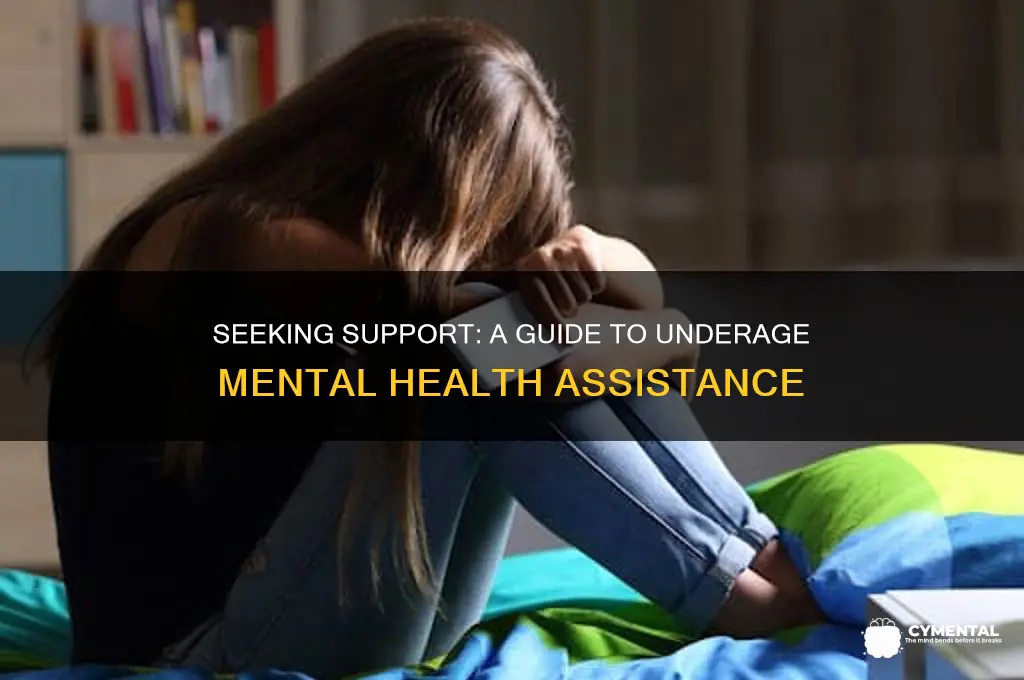
Navigating mental health challenges can be particularly daunting for young people, who may face unique barriers such as stigma, lack of awareness, or limited access to resources. However, seeking help is a crucial step toward healing and well-being. For those under age, there are several avenues to explore, including reaching out to trusted adults like parents, teachers, or school counselors, who can provide guidance and connect them to professional support. Many schools also offer mental health services or have partnerships with local clinics. Additionally, confidential helplines and online resources tailored for youth, such as Teen Line or Crisis Text Line, offer immediate support and advice. It’s important to remember that asking for help is a sign of strength, and no one has to face their struggles alone.
Explore related products

$7.97 $18.99



What You'll Learn

Finding Local Youth Mental Health Services
Navigating the maze of mental health services can feel overwhelming, especially for young people. Local resources often exist but remain hidden, requiring proactive discovery. Start by contacting your school’s counseling office or nurse—many schools maintain partnerships with community mental health providers or offer in-house support tailored to students under 18. These services are typically free or low-cost and designed to address age-specific challenges like academic stress, peer pressure, or family conflicts.
Another practical step is to visit your local health department’s website or call their helpline. Most regions have directories of youth-focused mental health programs, including crisis hotlines, therapy clinics, and peer support groups. For instance, in the U.S., the Substance Abuse and Mental Health Services Administration (SAMHSA) offers a treatment locator tool that filters results by age group, ensuring you find providers experienced in adolescent care. If confidentiality is a concern, ask about privacy policies—many programs prioritize anonymity for minors.
For those in rural or underserved areas, telehealth platforms have become a lifeline. Apps like *TeenCounseling* or *7 Cups* connect youth with licensed therapists via text, chat, or video, often at reduced rates. However, verify that the platform complies with state laws regarding minor consent—some require parental involvement, while others offer exceptions for sensitive issues like self-harm or abuse. Pairing telehealth with local resources, such as a school counselor for in-person check-ins, can create a balanced support system.
Lastly, don’t underestimate the power of community organizations. Youth centers, religious institutions, and nonprofits often host workshops, drop-in sessions, or mentorship programs that indirectly support mental well-being. For example, art therapy groups or sports clubs can provide outlets for emotional expression while fostering connections with peers facing similar struggles. These informal settings may feel less intimidating than clinical environments, making them ideal starting points for hesitant teens.
The key takeaway? Local youth mental health services are more accessible than they appear—but finding them requires initiative and creativity. Combine institutional resources (schools, health departments) with modern solutions (telehealth, apps) and community-based options for a comprehensive safety net. Remember, reaching out is a sign of strength, not weakness, and the right support can transform challenges into opportunities for growth.
Art's Impact: Unveiling Mental Health Benefits Through Statistical Insights
You may want to see also
Explore related products
$9.59 $16.99



Talking to Trusted Adults for Support
Identifying a trusted adult is the first step toward accessing mental health support as a minor. Trusted adults can be parents, guardians, teachers, school counselors, coaches, or family friends—anyone who has consistently shown care, respect, and reliability. The key is to choose someone who listens without judgment and has your best interests at heart. For example, a teacher who has noticed your struggles and offered encouragement in the past might be a good candidate. Avoid individuals who dismiss your feelings or have a history of breaking your trust, as this could worsen your mental health.
Once you’ve identified a trusted adult, approach the conversation with clarity and honesty. Start by expressing how you’ve been feeling, using specific examples if possible. For instance, instead of saying, “I’m stressed,” try, “I’ve been having trouble sleeping and feel overwhelmed with schoolwork.” Be direct about needing help, as adults may not always recognize the severity of your struggles. If you’re unsure how to begin, write down your thoughts beforehand or practice with a close friend. Remember, vulnerability is a strength, not a weakness, and asking for help is a courageous act.
It’s important to manage expectations when talking to trusted adults, as their reactions may vary. Some may respond with immediate support, while others might need time to process or may initially react poorly due to their own fears or misconceptions about mental health. If the first conversation doesn’t go as planned, don’t lose hope. Try again, or consider approaching a different trusted adult. For example, if a parent seems dismissive, a school counselor or favorite teacher might be more receptive. The goal is to find someone who can connect you with professional resources, such as therapy or counseling services.
After the initial conversation, work with the trusted adult to create a plan for ongoing support. This might involve scheduling regular check-ins, finding a therapist, or accessing school-based mental health services. If you’re under 18, most schools offer counseling services that are free and confidential. Trusted adults can also help navigate insurance or financial barriers to treatment. For instance, they might assist in finding low-cost clinics or telehealth options if cost is a concern. The key is to collaborate, ensuring you receive the consistent support needed to improve your mental health.
Transformers: Empowering Mental Health Support and Healing Journeys
You may want to see also
Explore related products


$9.79 $17.99



Using Online Mental Health Resources
Online mental health resources can be a lifeline for underage individuals seeking support, offering anonymity, accessibility, and flexibility. Platforms like TeenMentalHealth.org, Teen Line, and 7 Cups provide age-specific forums, chat services, and self-help tools tailored to adolescent struggles. These resources often bypass the stigma or logistical barriers of in-person therapy, making them ideal for those who hesitate to speak openly or lack transportation. However, not all online tools are created equal—some lack professional oversight, while others may oversimplify complex issues. The key is to choose platforms vetted by mental health organizations or those with licensed counselors on staff.
Navigating these resources effectively requires a strategic approach. Start by identifying your primary concern—whether it’s anxiety, depression, or relationship stress—and seek platforms specializing in that area. For instance, Calm Harm is an app designed to manage self-harm urges, while Koko offers peer support for emotional distress. Always check the age appropriateness of the resource; some are strictly for users 13 and older, while others cater to younger teens. Pairing these tools with a trusted adult’s guidance can amplify their effectiveness, as they can help interpret advice or escalate concerns when needed.
One common pitfall is over-reliance on online resources as a substitute for professional care. While apps and websites can provide immediate relief or coping strategies, they are not a replacement for therapy or medication when conditions are severe. For example, a teen experiencing suicidal thoughts should use crisis hotlines like the Trevor Project (available via chat or call) but must also seek emergency services or a mental health professional. Online tools are best used as supplements, not standalone solutions, especially for persistent or worsening symptoms.
To maximize the benefits of online mental health resources, establish a routine. Dedicate 10–15 minutes daily to journaling on platforms like Moodpath or practicing mindfulness with apps like Smiling Mind. Consistency reinforces coping skills and helps track progress over time. Additionally, involve a parent, school counselor, or trusted friend in your process—sharing your findings or progress can foster accountability and ensure you’re using the tools correctly. Remember, the goal is not to cure but to manage and understand your mental health while working toward professional support when necessary.
Healing After Embezzlement Charges: Mental Health Support and Recovery Strategies
You may want to see also
Explore related products


School Counselors and Peer Support
School counselors are often the first line of defense for students grappling with mental health challenges. Positioned within the educational system, these professionals are uniquely equipped to identify early signs of distress, from sudden drops in academic performance to changes in social behavior. Unlike external therapists, school counselors can intervene in real-time, collaborating with teachers and parents to create a supportive ecosystem. For instance, a counselor might notice a 14-year-old withdrawing from group activities and initiate a private conversation, offering immediate coping strategies while also referring the student to specialized care if needed. This dual role—part observer, part advocate—makes them invaluable for adolescents who may not recognize their own struggles or know how to seek help.
Peer support programs, on the other hand, leverage the power of shared experience to foster resilience and connection. Trained student volunteers, often aged 15–18, act as confidants for their younger or same-age peers, providing a judgment-free space to discuss issues like anxiety, bullying, or family stress. These programs are particularly effective because teens are more likely to open up to someone their own age. For example, a peer supporter might organize a weekly drop-in session during lunch breaks, where students can anonymously share concerns or simply listen to others. Research shows that such programs reduce stigma around mental health and increase help-seeking behaviors, especially in populations hesitant to approach adults.
However, the effectiveness of both school counselors and peer support hinges on proper training and boundaries. Counselors must balance their role as mandatory reporters with the need to build trust, ensuring students feel safe disclosing sensitive information. Peer supporters, meanwhile, require clear guidelines on when to escalate issues to adults, such as if a classmate mentions self-harm. Schools should invest in ongoing professional development for counselors and structured curricula for peer leaders, covering topics like active listening, crisis intervention, and confidentiality limits. Without these safeguards, well-intentioned efforts can inadvertently cause harm.
To maximize impact, schools should integrate these systems into the daily fabric of student life. For instance, counselors could host workshops on stress management during exam periods, while peer supporters might run awareness campaigns on social media platforms frequented by teens. Parents can encourage participation by normalizing conversations about mental health at home and staying informed about school resources. Ultimately, the goal is to create a culture where seeking help is not a sign of weakness but a step toward strength—one supported by both professional expertise and the understanding of peers.
Christian Psychology: A Faith-Based Approach to Mental Health Healing?
You may want to see also
Explore related products


Crisis Hotlines and Emergency Help
In moments of acute distress, crisis hotlines serve as immediate lifelines for underage individuals grappling with mental health emergencies. These services, typically accessible via phone, text, or online chat, connect callers to trained counselors who provide real-time support, de-escalation techniques, and resource referrals. For instance, the National Suicide Prevention Lifeline (988 in the U.S.) offers 24/7 assistance, while Crisis Text Line (text HOME to 741741) caters to those more comfortable with written communication. Both platforms are confidential and free, ensuring accessibility regardless of financial constraints.
Analyzing their effectiveness, crisis hotlines bridge the gap between recognizing a mental health crisis and accessing professional care. Studies show that callers often experience reduced emotional intensity and increased feelings of safety after a single interaction. However, these services are not a substitute for long-term therapy or medical intervention. They act as a critical first step, guiding individuals toward emergency rooms, local mental health providers, or follow-up appointments. For underage users, this immediate support can be particularly vital, as adolescents may face barriers like parental consent or stigma when seeking help.
When utilizing these services, it’s essential to know what to expect. Counselors are trained to listen nonjudgmentally, validate emotions, and assist in creating a safety plan. For example, if a teenager is experiencing suicidal thoughts, the counselor might help identify coping strategies, such as deep breathing exercises or contacting a trusted adult. In extreme cases, the counselor can dispatch emergency services to the caller’s location, though this is always discussed with the individual first. Practical tips include keeping the hotline number saved in your phone and familiarizing yourself with the service’s process during calmer moments.
Comparatively, crisis hotlines differ from peer support groups or school counselors in their immediacy and anonymity. While peer groups foster community and school counselors offer ongoing guidance, hotlines provide instant, professional intervention during emergencies. For underage individuals, this distinction is crucial, as they may hesitate to involve peers or educators in deeply personal struggles. Hotlines also cater to a broader range of crises, from self-harm ideation to overwhelming anxiety, making them versatile tools in a young person’s mental health toolkit.
In conclusion, crisis hotlines are indispensable resources for underage individuals facing mental health emergencies. Their accessibility, confidentiality, and professional guidance make them a cornerstone of immediate support. However, they are just one component of a comprehensive mental health strategy. Encouraging young people to know these resources, understand their limitations, and use them proactively can save lives and foster resilience in moments of crisis.
Navigating Mental Health Struggles: Finding Support When Work Feels Impossible
You may want to see also
Frequently asked questions
You can start by talking to a trusted adult, such as a parent, teacher, or school counselor. Many schools offer mental health services or can refer you to local resources. Additionally, organizations like the National Alliance on Mental Illness (NAMI) or Crisis Text Line provide support and guidance for young people.
It’s okay to seek help from other trusted adults, like a school counselor, teacher, or relative. You can also contact helplines such as the National Suicide Prevention Lifeline (988) or Crisis Text Line (text HOME to 741741) for confidential support.
Yes, many communities offer free or low-cost mental health services for young people. Schools often provide counseling, and local health clinics or nonprofits may offer free therapy or support groups. You can also explore online resources like apps or websites that provide mental health tools.
In most cases, minors need parental consent to receive therapy. However, some states allow minors to consent to mental health treatment in certain situations, such as for issues like depression or anxiety. If you’re in crisis, emergency services can provide immediate help without parental involvement.
If you’re in immediate danger or need urgent help, call 911 or the National Suicide Prevention Lifeline at 988. You can also text HOME to 741741 to connect with a crisis counselor. These services are available 24/7 and can provide immediate support and guidance.