Ava Ramirez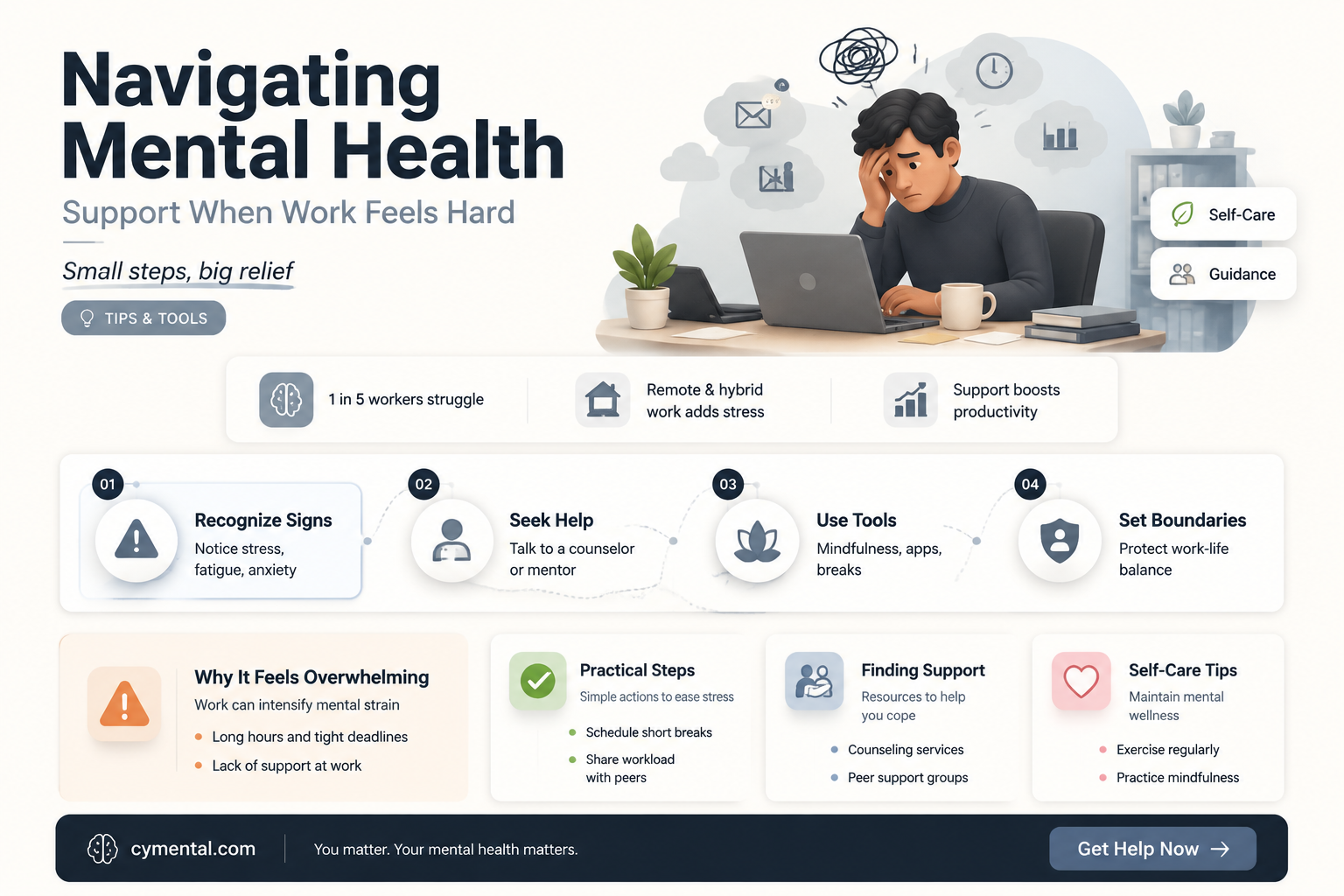
Navigating the challenges of mental illness can make it incredibly difficult to maintain employment, leaving many feeling trapped and uncertain about their future. Whether it’s anxiety, depression, burnout, or other conditions, the impact on one’s ability to work can be profound, often leading to financial instability and increased stress. Seeking help is not a sign of weakness but a crucial step toward recovery and stability. Resources such as therapy, support groups, disability benefits, and workplace accommodations can provide much-needed relief and a path forward. Recognizing the validity of these struggles and accessing the right support can empower individuals to reclaim their lives and explore alternative ways to thrive, even when traditional work feels out of reach.
| Characteristics | Values |
|---|---|
| Eligibility Criteria | Varies by country/region; typically requires diagnosis of severe mental illness (e.g., depression, anxiety, bipolar disorder, schizophrenia) and proof of inability to work. |
| Financial Assistance Programs | Disability benefits (e.g., SSDI in the U.S., PIP in the UK), unemployment benefits, or welfare programs. |
| Medical Documentation Required | Diagnosis from a licensed mental health professional, treatment history, and functional limitations. |
| Application Process | Online or in-person application, medical evaluations, and possible interviews. |
| Average Approval Time | 3–6 months (varies by program and case complexity). |
| Support Services | Counseling, therapy, vocational rehabilitation, and peer support groups. |
| Legal Rights | Protection under disability discrimination laws (e.g., ADA in the U.S., Equality Act in the UK). |
| Work Accommodations | Flexible hours, remote work, reduced workload, or leave of absence (if returning to work is possible). |
| Common Challenges | Stigma, lengthy approval processes, and insufficient benefits to cover living expenses. |
| Resources for Help | Mental health organizations (e.g., NAMI, Mind), government websites, and legal aid services. |
| Long-Term Support | Ongoing case management, medication management, and reintegration programs for those able to return to work. |
Explore related products


What You'll Learn
- Accessing Disability Benefits: Learn how to apply for financial support when unable to work due to mental illness
- Legal Rights at Work: Understand workplace protections and accommodations for employees with mental health conditions
- Finding Support Groups: Connect with communities offering emotional and practical help for those unable to work
- Managing Finances: Tips for budgeting and reducing expenses when mental illness impacts employment and income
- Vocational Rehabilitation: Explore programs to regain skills or find alternative work suited to your needs

Accessing Disability Benefits: Learn how to apply for financial support when unable to work due to mental illness
Mental illness can be as debilitating as any physical condition, yet the path to securing disability benefits often feels shrouded in mystery. Unlike a broken leg, depression, anxiety, or bipolar disorder doesn’t leave visible scars, making it harder to prove to bureaucracies. The Social Security Administration (SSA) in the U.S., for instance, requires extensive medical documentation, including treatment history, medication lists, and therapist notes. Without this, even the most severe cases risk denial. The first step? Gather every piece of evidence—doctor’s reports, hospital records, and even journal entries detailing daily struggles—to paint a comprehensive picture of your condition.
Applying for disability benefits is a marathon, not a sprint. Start by filing an application through the SSA’s website or local office, but brace for a process that can take months, even years. One critical tip: hire a disability attorney or advocate. While it may seem like an added expense, their expertise can significantly increase your chances of approval. They understand the nuances of the system, from how to phrase symptoms to which medical terms carry the most weight. For example, specifying “severe panic attacks three times weekly, requiring hospitalization twice in the past year” is more compelling than simply stating “anxiety.”
Not everyone qualifies for federal benefits, but that doesn’t mean financial support is out of reach. Many states offer supplemental programs for those with mental illness, often with less stringent criteria. In California, for instance, the Supplemental Security Income (SSI) program provides cash assistance to low-income individuals, while New York’s Office of Mental Health offers vocational rehabilitation services. Research your state’s offerings—sometimes a simple Google search or call to a local mental health organization can uncover hidden resources.
Finally, don’t underestimate the power of persistence. Denials are common, but they’re not the end of the road. The appeals process is rigorous, requiring additional evidence and possibly a hearing, but success rates increase at this stage. Document every step of your journey—keep copies of all correspondence, track submission dates, and note any conversations with SSA representatives. This not only ensures you’re organized but also demonstrates your commitment to the process. Remember, accessing disability benefits is about proving your inability to work, but it’s also about advocating for your right to live with dignity.
Yoga's Transformative Power: Enhancing Mental Health and Well-being Naturally
You may want to see also
Explore related products





Legal Rights at Work: Understand workplace protections and accommodations for employees with mental health conditions
Employees with mental health conditions are entitled to legal protections under various laws, ensuring they can seek help without fear of discrimination. The Americans with Disabilities Act (ADA) and the Family and Medical Leave Act (FMLA) are cornerstone legislations that safeguard workers’ rights. Under the ADA, employers must provide reasonable accommodations—such as flexible scheduling, modified job duties, or quiet workspaces—to enable employees to perform their jobs effectively. The FMLA allows eligible employees to take up to 12 weeks of unpaid leave for mental health treatment without risking job loss. Understanding these laws empowers individuals to advocate for their needs while maintaining their employment.
Navigating workplace accommodations requires clear communication and documentation. Start by disclosing your mental health condition to your employer or HR department, focusing on how it impacts your job performance. Provide a note from a healthcare professional outlining necessary accommodations, such as reduced hours or remote work options. Employers are legally obligated to engage in a good-faith discussion about these requests, though they are not required to approve accommodations that cause undue hardship. Keep records of all conversations and decisions to protect your rights if disputes arise. Proactive communication ensures both parties work toward a mutually beneficial solution.
A common misconception is that mental health conditions automatically disqualify someone from employment. In reality, the ADA prohibits discrimination based on mental health status, provided the individual can perform essential job functions with or without accommodations. For instance, an employee with anxiety may request regular breaks to manage symptoms, while someone with depression might need adjusted deadlines during treatment. Employers must assess each case individually, avoiding assumptions about an employee’s capabilities. This legal framework fosters inclusivity, allowing workers to contribute meaningfully while addressing their health needs.
Comparing mental health protections across countries highlights the importance of advocacy. In the UK, the Equality Act 2010 mirrors the ADA, requiring employers to make reasonable adjustments. Meanwhile, Canada’s Human Rights Act offers similar safeguards, emphasizing the global recognition of mental health as a workplace issue. Despite these laws, enforcement varies, and employees often face stigma or reluctance from employers. By learning from international examples, workers can push for stronger implementation and cultural shifts in their own workplaces, ensuring legal rights translate into practical support.
Ultimately, knowing your legal rights is the first step toward securing workplace accommodations for mental health conditions. Educate yourself on relevant laws, document your needs, and communicate assertively with your employer. While the process may feel daunting, these protections exist to level the playing field, allowing you to prioritize your well-being without sacrificing your career. Remember, seeking help is not a sign of weakness but a strategic move toward long-term stability and success in both personal and professional spheres.
Exploring Ayahuasca's Potential in Treating Mental Health Disorders
You may want to see also
Explore related products


Finding Support Groups: Connect with communities offering emotional and practical help for those unable to work
Living with a mental illness that prevents you from working can feel isolating. You’re not alone. Support groups provide a lifeline, connecting you with people who understand your struggles and offer both emotional and practical assistance. These communities foster a sense of belonging, reduce stigma, and equip you with coping strategies to navigate daily challenges.
Finding the right group requires intentionality. Start by identifying your specific needs. Do you seek peer-to-peer understanding, professional guidance, or a combination of both? Online platforms like 7 Cups and Supportiv offer anonymous, 24/7 text-based support, ideal for those preferring digital interaction. Local community centers, churches, or mental health organizations often host in-person groups, fostering deeper connections through shared experiences.
Consider the structure and focus of the group. Some follow a 12-step model, emphasizing recovery and accountability, while others are more conversational, allowing free-flowing discussions. Groups may center on specific diagnoses (e.g., depression, anxiety) or broader themes like coping with unemployment. Research platforms like Meetup or Psychology Today’s “Find a Support Group” tool to locate options tailored to your needs.
Engaging in a support group isn’t passive; it’s an active step toward healing. Share openly, listen empathetically, and lean on the collective wisdom of the group. Remember, these communities aren’t a substitute for professional treatment but a complementary resource. By connecting with others who “get it,” you’ll discover resilience, hope, and practical strategies to manage your mental health while navigating life outside the workforce.
Seeking Support: A Guide to Accessing Mental Health Assistance
You may want to see also
Explore related products


Managing Finances: Tips for budgeting and reducing expenses when mental illness impacts employment and income
Mental illness can disrupt employment, leading to reduced income and heightened financial stress. When every dollar counts, strategic budgeting becomes a lifeline. Start by categorizing expenses into essentials (housing, utilities, medication) and discretionary spending (entertainment, dining out). Use budgeting apps like Mint or YNAB to track spending in real time, ensuring you stay within limits. Allocate a small percentage of your income to a "self-care" fund—even $10 a month can cover a therapy session copay or a mindfulness app subscription, which are critical for managing symptoms.
Reducing expenses requires creativity and honesty about needs versus wants. Cancel non-essential subscriptions (gym memberships, streaming services) and opt for free alternatives like library e-books or community fitness programs. Meal planning and bulk cooking save both money and energy, especially on days when symptoms flare. Consider downsizing housing or negotiating bills—many utility companies offer hardship programs that reduce rates temporarily. If transportation costs are high, explore public transit discounts for individuals with disabilities or carpooling options.
Government assistance and nonprofit resources can provide crucial support. Apply for Supplemental Security Income (SSI) or Social Security Disability Insurance (SSDI) if eligible, and explore state-specific programs like Medicaid or housing assistance. Nonprofits like the National Alliance on Mental Illness (NAMI) offer financial literacy workshops tailored to individuals with mental health challenges. Additionally, some employers provide Employee Assistance Programs (EAPs) that include financial counseling—check if yours does, even if you’re on leave or working reduced hours.
Finally, build a support network to share strategies and emotional encouragement. Join online communities or local support groups focused on mental health and financial wellness. A trusted friend or family member can act as a financial accountability partner, helping you stick to your budget without judgment. Remember, managing finances with mental illness isn’t about perfection—it’s about progress. Small, consistent steps can stabilize your financial situation while you focus on healing.
Can You Force Someone to Get Mental Help? Ethical and Legal Considerations
You may want to see also
Explore related products


![[4 Pack] KeyGrip Disability Aid Key Turners - Added Strength & Leverage For Seniors & Elderly - Perfect For Parkinson's, Arthritis, MS, Tremors & ALS - Textured For Grip - Bright Colors For Low Vision](https://m.media-amazon.com/images/I/71f2dVQu+8L._AC_UL320_.jpg)

Vocational Rehabilitation: Explore programs to regain skills or find alternative work suited to your needs
Mental illness can disrupt careers, leaving individuals feeling stranded in a professional void. Vocational rehabilitation (VR) programs offer a lifeline, bridging the gap between illness and employment through tailored support. These initiatives, often state-run or federally funded, assess your unique challenges and strengths, then craft a plan to rebuild job-ready skills or discover new career paths aligned with your abilities.
Think of VR as a personalized roadmap back to work. It's not about forcing you into a mold, but about uncovering your potential within the context of your mental health needs.
The process typically begins with a comprehensive evaluation. VR counselors, trained in both mental health and career development, delve into your work history, educational background, and the specific ways your illness impacts your ability to function in a professional setting. This isn't a one-size-fits-all approach. A person struggling with severe anxiety might require gradual exposure therapy combined with job coaching, while someone with bipolar disorder may benefit from flexible scheduling and stress management training.
VR programs offer a toolbox of services, including skills training, job placement assistance, and even financial aid for education or certifications. They can connect you with employers who are committed to creating inclusive workplaces and understand the value of diverse perspectives.
Consider Sarah, a graphic designer whose depression made it impossible to meet deadlines. VR helped her identify freelance opportunities that allowed for flexible hours and remote work, while also providing access to therapy and medication management. Or take John, whose schizophrenia made traditional office environments overwhelming. VR connected him with a supported employment program at a local bookstore, where he thrives in a structured yet low-pressure environment.
Success in VR hinges on honesty and active participation. Be open about your limitations and aspirations. Advocate for your needs and actively engage in the process. Remember, VR is a partnership, not a quick fix. It requires commitment and patience, but the rewards – financial independence, a sense of purpose, and renewed self-worth – are immeasurable.
Exploring the Role of Medication in Mental Health Treatment
You may want to see also
Frequently asked questions
If you’re unable to work due to mental illness, consult a mental health professional for a proper diagnosis and treatment plan. You may also explore options like disability benefits, workplace accommodations, or temporary leave under laws like the Family and Medical Leave Act (FMLA) in the U.S.
Yes, depending on your location, you may qualify for financial assistance through disability benefits (e.g., SSDI in the U.S.), government aid programs, or private insurance policies that cover mental health-related disabilities.
Be honest and professional when discussing your situation with your employer. Provide a doctor’s note or medical documentation if needed, and explore options like reduced hours, remote work, or a leave of absence. Remember, many workplaces are legally required to provide reasonable accommodations under disability laws.