Ava Ramirez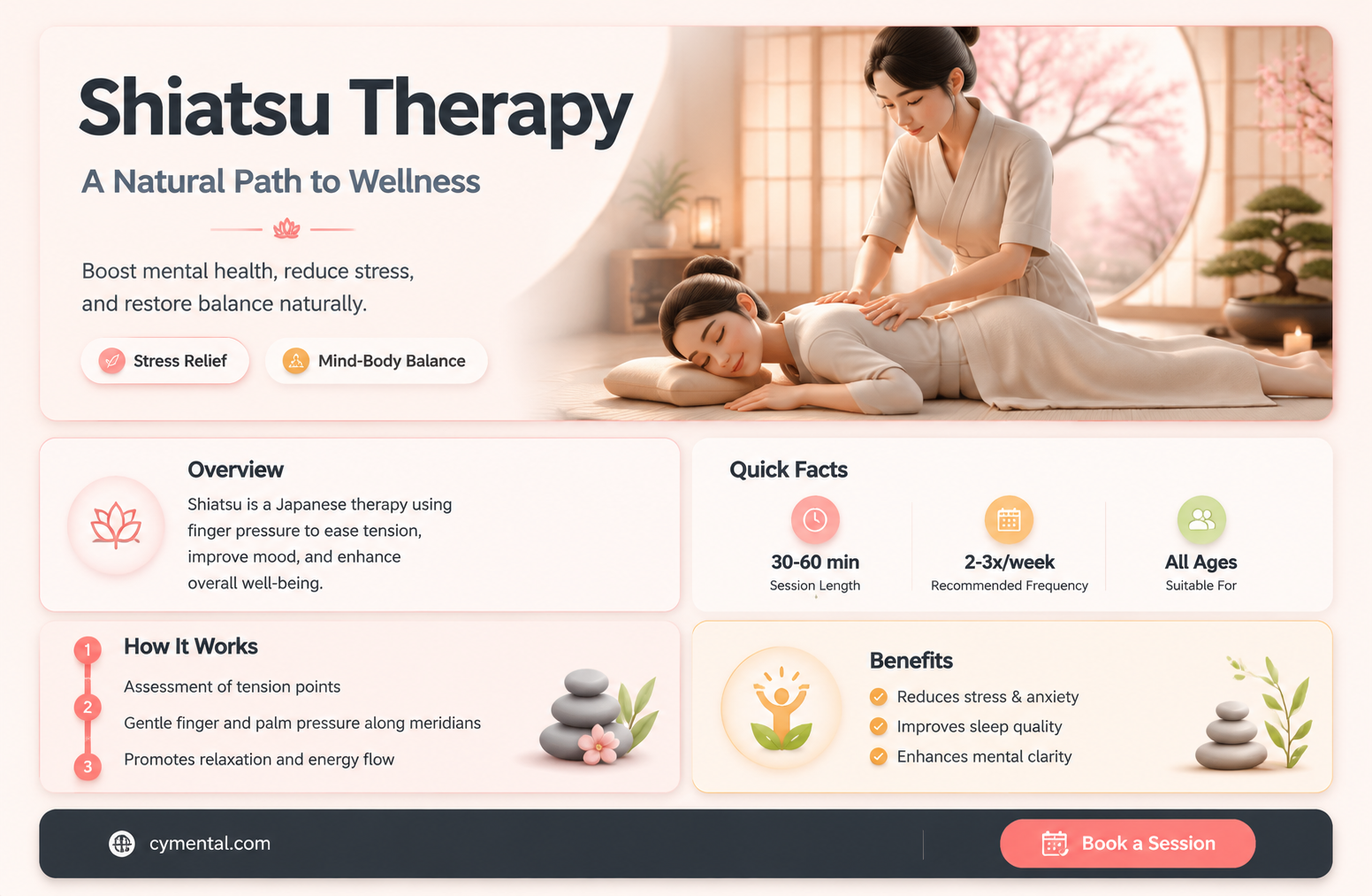
Shiatsu, a traditional Japanese therapy involving finger pressure on specific points of the body, has gained attention for its potential benefits in addressing mental health issues. Rooted in the principles of traditional Chinese medicine, shiatsu aims to balance the body’s energy flow, known as *qi*, which is believed to promote physical and emotional well-being. While primarily recognized for its physical benefits, such as stress reduction and relaxation, emerging research and anecdotal evidence suggest that shiatsu may also help alleviate symptoms of mental illnesses like anxiety, depression, and PTSD. By fostering a sense of calm, improving sleep, and enhancing overall emotional resilience, shiatsu could serve as a complementary therapy alongside conventional treatments, offering a holistic approach to mental health care. However, further scientific studies are needed to fully understand its efficacy and mechanisms in treating mental illness.
Explore related products


What You'll Learn

Shiatsu's impact on reducing anxiety and stress levels
Shiatsu, a Japanese healing practice rooted in traditional Chinese medicine, has gained attention for its potential to alleviate mental health issues, particularly anxiety and stress. By applying pressure to specific points on the body, practitioners aim to restore balance to the body’s energy flow, or *qi*. Research suggests that this hands-on therapy can trigger the release of endorphins, the body’s natural painkillers and mood elevators, while reducing cortisol, the stress hormone. A 2018 study published in the *Journal of Alternative and Complementary Medicine* found that participants who received shiatsu sessions reported significant reductions in anxiety levels compared to a control group. This physiological response underscores why shiatsu is increasingly viewed as a complementary tool for managing mental health.
To maximize shiatsu’s stress-reducing benefits, consistency is key. Practitioners recommend sessions lasting 60–90 minutes, ideally once or twice a week for at least four weeks to observe noticeable changes. For those new to shiatsu, starting with weekly sessions allows the body to gradually adapt to the pressure and energy work. It’s also important to communicate openly with the practitioner about areas of tension or discomfort, as this ensures the treatment is tailored to individual needs. For example, points along the meridians of the liver and spleen are often targeted to address stress, while the heart and kidney meridians may be focused on for anxiety relief. Combining shiatsu with deep breathing exercises during the session can further enhance relaxation.
While shiatsu is generally safe for all ages, certain precautions should be taken. Pregnant individuals, those with severe osteoporosis, or anyone with acute injuries should consult a healthcare provider before beginning treatment. Additionally, shiatsu is not a standalone cure for severe anxiety or stress disorders but rather a complementary therapy. For optimal results, it should be integrated into a holistic wellness plan that includes lifestyle changes, such as regular exercise, a balanced diet, and mindfulness practices. A comparative analysis of shiatsu versus other therapies like massage or acupuncture reveals that shiatsu’s focus on energy flow and pressure points offers a unique approach, particularly for those seeking a non-invasive, drug-free option.
The descriptive experience of a shiatsu session often involves a sense of deep relaxation and grounding. Clients typically lie fully clothed on a comfortable mat while the practitioner uses palms, thumbs, and elbows to apply rhythmic pressure. The environment is usually calm, with soft lighting and soothing music, enhancing the therapeutic effect. Over time, many report not only reduced anxiety and stress but also improved sleep quality and emotional resilience. This sensory and energetic approach distinguishes shiatsu from conventional treatments, making it a compelling option for those exploring alternative mental health support. By addressing both physical and energetic imbalances, shiatsu offers a holistic pathway to calming the mind and restoring inner peace.
Mental Health Attitudes: Impact on Help-Seeking Behavior and Service Utilization
You may want to see also
Explore related products


$76.08


How shiatsu may alleviate symptoms of depression
Shiatsu, a Japanese healing practice rooted in traditional Chinese medicine, involves applying pressure to specific points on the body to stimulate energy flow. While it’s often associated with physical ailments, emerging research and anecdotal evidence suggest it may also alleviate symptoms of depression by addressing both physiological and emotional imbalances. Unlike conventional treatments, shiatsu offers a holistic approach, targeting the mind-body connection through touch and energy work.
Consider the mechanism: depression often disrupts the body’s autonomic nervous system, leading to chronic stress and reduced serotonin levels. Shiatsu’s focus on acupressure points and meridians can activate the parasympathetic nervous system, promoting relaxation and reducing cortisol. A 2017 study published in the *Journal of Alternative and Complementary Medicine* found that participants receiving shiatsu sessions reported significant decreases in depression symptoms compared to a control group. The practice’s rhythmic pressure and stretching may also improve blood circulation, enhancing oxygen delivery to the brain and supporting neurotransmitter function.
Incorporating shiatsu into a depression management plan requires consistency. Practitioners recommend starting with 60-minute sessions once or twice weekly for at least six weeks to observe noticeable changes. For self-care, individuals can learn basic techniques, such as pressing the *Yin Tang* point (between the eyebrows) for 2–3 minutes daily to reduce anxiety and improve mood. However, it’s crucial to consult a trained therapist, especially for those with severe depression or comorbid conditions, as improper technique can exacerbate discomfort.
Comparatively, shiatsu differs from Western massage therapy in its focus on energy pathways rather than muscle manipulation. While massage primarily targets physical tension, shiatsu aims to restore balance to the body’s *ki* (energy), addressing emotional blockages that may contribute to depressive states. This makes it a complementary therapy, ideally paired with psychotherapy or medication, rather than a standalone treatment. For instance, a 35-year-old patient with treatment-resistant depression reported improved sleep and reduced hopelessness after integrating weekly shiatsu sessions with cognitive-behavioral therapy.
Practically, accessibility is a consideration. Shiatsu sessions typically cost $60–$120 per hour, depending on location and practitioner experience. For those on a budget, group workshops or community clinics may offer discounted rates. Additionally, mindfulness practices like deep breathing during sessions can enhance their effectiveness, as relaxation amplifies the therapy’s impact on the nervous system. While not a cure, shiatsu’s gentle, non-invasive nature makes it a valuable tool for individuals seeking adjunctive support in managing depression.
Reading for Resilience: How Books Boost Mental Health and Well-Being
You may want to see also
Explore related products




Shiatsu's role in improving sleep and mood disorders
Sleep and mood disorders often intertwine, creating a cycle where poor sleep exacerbates mood issues, and vice versa. Shiatsu, a Japanese therapy involving finger pressure on specific points, offers a holistic approach to breaking this cycle. By stimulating the body’s meridians, shiatsu aims to restore energy balance, reduce stress, and promote relaxation—key factors in improving sleep quality and stabilizing mood. Unlike pharmaceutical interventions, shiatsu addresses the root causes rather than symptoms, making it a complementary tool for those seeking natural remedies.
Consider a 45-minute shiatsu session, ideally performed 2–3 times per week for individuals with insomnia or anxiety-related sleep disturbances. During the session, the practitioner focuses on points like the *Yin Tang* (forehead) to calm the mind, *Shen Men* (ear) to reduce anxiety, and *Spleen 6* (inner leg) to regulate blood flow and ease restlessness. For mood disorders, points such as *Heart 7* (wrist) and *Liver 3* (foot) are targeted to alleviate depression and irritability. Consistency is key; regular sessions over 4–6 weeks often yield noticeable improvements in sleep duration and emotional resilience.
While shiatsu’s benefits are promising, it’s not a one-size-fits-all solution. For instance, individuals with severe sleep apnea or bipolar disorder should consult a healthcare provider before relying solely on shiatsu. Additionally, self-shiatsu techniques, like pressing the *Anmian* points (behind the ears) for 1–2 minutes daily, can complement professional sessions. Pairing shiatsu with lifestyle changes—such as a consistent sleep schedule, reduced screen time, and mindfulness practices—maximizes its effectiveness.
The science behind shiatsu’s impact on sleep and mood lies in its ability to lower cortisol levels and increase serotonin production. A 2018 study published in the *Journal of Alternative and Complementary Medicine* found that participants receiving shiatsu reported significant reductions in insomnia severity and improved mood compared to a control group. This aligns with shiatsu’s focus on the mind-body connection, emphasizing that physical relaxation often precedes mental calmness.
Incorporating shiatsu into a mental health regimen requires patience and openness. It’s not an instant fix but a gradual process of rebalancing the body’s energy. For those struggling with sleep or mood disorders, shiatsu offers a gentle, non-invasive option to explore. Start with a certified practitioner to ensure proper technique, and track changes in sleep patterns and emotional well-being over time. With its focus on harmony and healing, shiatsu can be a valuable ally in the journey toward better mental health.
Dance Therapy: Unlocking Mental Wellness Through Movement and Expression
You may want to see also
Explore related products


$8.49 $11.99


Potential benefits of shiatsu for PTSD recovery
Shiatsu, a Japanese healing practice rooted in acupressure, has shown promise in alleviating symptoms of PTSD by addressing both physical and emotional tension. Unlike traditional talk therapy, shiatsu focuses on the body’s energy pathways, known as meridians, to release blockages that may contribute to psychological distress. For individuals with PTSD, this approach can be particularly beneficial, as trauma often manifests as chronic muscle tension, disrupted sleep, and heightened anxiety—symptoms that shiatsu targets directly. By applying sustained pressure to specific points, practitioners aim to restore balance, reduce hyperarousal, and promote relaxation, creating a foundation for emotional healing.
Consider the case of a 34-year-old veteran who, after six weekly shiatsu sessions, reported a 40% reduction in nightmares and improved sleep quality. This example underscores the potential of shiatsu to address PTSD symptoms indirectly by improving physical well-being. The practice encourages mindfulness of bodily sensations, which can help individuals reconnect with their bodies in a safe, controlled manner—a critical step for those who experience dissociation or numbing as part of their trauma response. Incorporating shiatsu into a holistic treatment plan may enhance the effectiveness of other therapies by fostering a sense of grounding and self-awareness.
For optimal results, sessions should last 60–90 minutes, focusing on areas like the shoulders, neck, and lower back, where stress and trauma tend to accumulate. Practitioners often combine techniques such as gentle stretching and breathing exercises to deepen relaxation. It’s essential to communicate openly with the therapist about comfort levels and any triggers, as PTSD can make physical touch sensitive. Starting with weekly sessions for at least a month allows for consistent progress, though individual needs may vary. Pairing shiatsu with journaling or guided meditation can further amplify its emotional benefits.
While shiatsu is not a standalone cure for PTSD, its ability to reduce physical tension and promote emotional release makes it a valuable complementary therapy. Research suggests that somatic approaches like shiatsu can help regulate the nervous system, decreasing the body’s "fight or flight" response over time. For those seeking non-pharmacological options or struggling with traditional talk therapy, shiatsu offers a gentle, non-invasive way to address trauma’s lingering effects. As with any therapy, consistency and patience are key—but the potential for relief makes it a worthwhile exploration.
Capturing Calm: How Photography Boosts Mental Health and Well-Being
You may want to see also
Explore related products


Shiatsu as a complementary therapy for mental health support
Shiatsu, a Japanese bodywork therapy rooted in traditional Chinese medicine, has gained attention as a complementary approach to mental health support. By applying pressure to specific points on the body, practitioners aim to balance the flow of energy, or *ki*, which is believed to promote physical and emotional well-being. Research suggests that shiatsu can reduce symptoms of anxiety and depression by lowering cortisol levels and increasing serotonin, though studies often emphasize the need for larger, controlled trials to confirm these effects. For individuals seeking non-pharmacological options, shiatsu offers a gentle, holistic alternative that addresses both the body and mind.
Incorporating shiatsu into a mental health regimen requires careful consideration of frequency and duration. Sessions typically last 60–90 minutes, with practitioners recommending weekly treatments for 4–6 weeks to observe noticeable improvements. For maintenance, biweekly or monthly sessions may suffice. It’s crucial to communicate openly with the therapist about specific mental health concerns, as techniques can be tailored to target stress, insomnia, or emotional tension. While shiatsu is generally safe, individuals with severe mental health conditions should use it as a complement to, not a replacement for, professional psychiatric care.
One of the strengths of shiatsu lies in its adaptability to diverse populations. Unlike some therapies, shiatsu is accessible to people of all ages, from children to the elderly, making it a versatile tool for family-oriented mental health support. For instance, gentle shiatsu techniques can help children manage anxiety or ADHD symptoms, while for older adults, it may alleviate stress and improve sleep quality. Practical tips include wearing loose clothing during sessions, staying hydrated afterward, and practicing deep breathing to enhance the therapy’s effects.
Comparatively, shiatsu stands out from other complementary therapies like acupuncture or massage due to its focus on energy pathways (*meridians*) and its hands-on, rhythmic pressure technique. While acupuncture uses needles and massage targets muscles, shiatsu combines pressure, stretching, and joint mobilization to restore balance. This unique approach may explain why some individuals find shiatsu particularly effective for emotional release and relaxation. However, its efficacy can vary, and it’s essential to manage expectations while exploring how it fits into a broader mental health strategy.
Ultimately, shiatsu’s role as a complementary therapy for mental health support lies in its ability to foster a sense of calm and self-awareness. By addressing physical tension often linked to emotional distress, it provides a tangible way to manage symptoms of mental illness. While not a standalone cure, shiatsu can be a valuable addition to a multidisciplinary approach, offering relief and resilience to those navigating the complexities of mental health. As with any therapy, consistency and personalization are key to unlocking its potential benefits.
Effective Strategies and Tools to Help You Overcome Daily Challenges
You may want to see also
Frequently asked questions
Yes, shiatsu can help reduce anxiety and stress by promoting relaxation, improving circulation, and balancing the body’s energy flow, which may calm the nervous system.
Shiatsu may complement depression treatment by reducing physical tension, enhancing mood, and fostering a sense of well-being, though it should not replace professional mental health care.
Yes, shiatsu can improve sleep quality by reducing stress, easing muscle tension, and promoting relaxation, which may benefit individuals with mental health challenges.
Shiatsu may help manage PTSD symptoms by reducing hyperarousal, improving emotional regulation, and creating a safe, grounding experience, but it should be used alongside therapy.
Yes, shiatsu can complement medication by addressing physical symptoms and promoting relaxation, but always consult a healthcare provider before combining treatments.