Noah Parker
Seeking help for mental health or depression is a courageous step toward healing and well-being. If you or someone you know is struggling, it’s essential to recognize that support is available and recovery is possible. Start by reaching out to a trusted friend, family member, or mental health professional who can provide guidance and encouragement. Many resources exist, including therapists, counselors, helplines, and support groups, which offer evidence-based treatments like therapy and medication. Online platforms and apps can also provide accessible tools for managing symptoms. Remember, asking for help is a sign of strength, and taking that first step can lead to significant improvements in your mental health and quality of life.
Explore related products


What You'll Learn
- Recognizing Symptoms: Identify signs like persistent sadness, fatigue, or loss of interest in activities
- Finding Therapists: Search for licensed professionals via referrals, online directories, or mental health apps
- Support Groups: Join peer-led or professional groups for shared experiences and emotional support
- Medication Options: Consult psychiatrists for antidepressants or other prescribed treatments tailored to your needs
- Self-Care Strategies: Practice mindfulness, exercise, healthy eating, and consistent sleep to manage symptoms

Recognizing Symptoms: Identify signs like persistent sadness, fatigue, or loss of interest in activities
Persistent sadness, fatigue, and a loss of interest in once-enjoyable activities are often the first whispers of depression, but they can be easy to dismiss as fleeting moods or temporary stress. Recognizing these symptoms early is crucial, as untreated depression can deepen and disrupt every aspect of life. For instance, a college student who stops attending classes or a parent who withdraws from family gatherings might be exhibiting more than just laziness or irritability—these could be red flags signaling a need for intervention.
Analyzing these signs requires a nuanced approach. Persistent sadness isn’t just feeling "down" for a day; it’s a heavy, unrelenting emotion lasting weeks or months. Fatigue in depression isn’t resolved by sleep; instead, it’s a draining exhaustion that makes even small tasks feel insurmountable. Loss of interest, or anhedonia, goes beyond skipping a hobby—it’s a disconnect from activities that once brought joy, like a musician no longer finding solace in playing. Tracking these changes over time, perhaps in a journal, can help distinguish between normal fluctuations in mood and symptoms of depression.
Persuading someone to take these symptoms seriously can be challenging, especially when societal stigma minimizes mental health struggles. For example, phrases like "just snap out of it" or "everyone feels tired sometimes" can invalidate experiences and delay seeking help. Instead, framing these symptoms as legitimate health concerns—similar to how persistent headaches might indicate migraines—can encourage action. Practical steps include scheduling a check-up with a primary care physician or using online screening tools like the PHQ-9 questionnaire to assess severity.
Comparatively, physical illnesses often come with clear markers—a fever, a rash—but depression’s symptoms are subtler and more subjective. This makes self-awareness and external observation critical. For instance, a friend noticing a colleague consistently skipping lunch outings or a partner observing a spouse’s growing indifference to shared hobbies can play a vital role in early detection. Encouraging open conversations without judgment can bridge the gap between recognizing symptoms and seeking help.
Descriptively, imagine depression as a slow dimming of the lights in a room. At first, the change is barely noticeable, but over time, the darkness becomes oppressive. Similarly, symptoms like persistent sadness or fatigue creep in gradually, often blending into daily life until they dominate it. Picture a once-vibrant painter staring blankly at a canvas, brushes untouched for weeks—this isn’t laziness but a symptom of a deeper struggle. Recognizing this shift is the first step toward turning the lights back on.
In conclusion, identifying symptoms like persistent sadness, fatigue, or loss of interest requires attentiveness, empathy, and a willingness to act. By treating these signs with the same urgency as physical ailments, individuals and their support networks can pave the way for timely intervention and recovery. Practical tools, open dialogue, and a shift in perspective can transform recognition into action, ensuring no one navigates these symptoms alone.
Support Systems: Essential Tools for Enhancing Mental Health and Well-being
You may want to see also
Explore related products


Finding Therapists: Search for licensed professionals via referrals, online directories, or mental health apps
Finding a therapist can feel overwhelming, but it’s a critical step toward managing mental health or depression. Start by leveraging your existing network: ask your primary care physician, friends, or family for referrals. Personal recommendations often come with insights into a therapist’s style, specialties, and whether they’re a good fit for your needs. For instance, if you’re dealing with anxiety, a referral to a cognitive-behavioral therapist might be particularly helpful. This method combines trust with practicality, as it narrows your search to professionals already vetted by someone you know.
If referrals aren’t an option, online directories like Psychology Today, GoodTherapy, or the American Psychological Association’s therapist locator are invaluable tools. These platforms allow you to filter by location, specialization, and insurance acceptance, making it easier to find a licensed professional aligned with your specific concerns. For example, if you’re seeking help for depression, you can search for therapists who specialize in mood disorders or use evidence-based approaches like interpersonal therapy. Be sure to read therapist profiles carefully, as they often include details about their approach, experience, and fees, helping you make an informed decision.
Mental health apps have emerged as another innovative way to connect with licensed professionals. Apps like BetterHelp, Talkspace, and Calmerry offer text, voice, or video sessions with therapists, often at a lower cost than traditional in-person therapy. These platforms are particularly useful if you’re in a remote area, have a busy schedule, or prefer the convenience of virtual sessions. However, it’s essential to verify the credentials of therapists on these apps, as licensing requirements can vary. Look for professionals with a master’s or doctoral degree in psychology, counseling, or social work, and ensure they’re licensed to practice in your state.
While searching, consider practical factors like cost, insurance coverage, and therapist availability. Many therapists offer sliding scale fees based on income, so don’t let finances deter you from seeking help. If you have insurance, check your provider’s directory or call to confirm coverage for mental health services. Additionally, be patient and open-minded during your search. It may take a few tries to find a therapist who feels like the right fit, and that’s okay. The relationship between therapist and client is foundational to effective therapy, so trust your instincts and don’t hesitate to try someone new if the first match doesn’t work out.
Finally, remember that finding a therapist is an act of self-care, not a sign of weakness. Whether through referrals, online directories, or mental health apps, taking this step is a proactive move toward healing and growth. With persistence and the right resources, you can find a licensed professional who supports you on your journey to better mental health.
Unleashing Creativity: How Self-Expression Boosts Mental Well-Being
You may want to see also
Explore related products




Support Groups: Join peer-led or professional groups for shared experiences and emotional support
Support groups offer a unique blend of camaraderie and understanding that can be a lifeline for those grappling with mental health challenges or depression. Unlike individual therapy, these groups provide a collective space where experiences are shared, and the weight of emotional struggles is distributed among peers. Whether led by trained professionals or fellow individuals with lived experience, these gatherings foster a sense of belonging and normalize feelings that often seem isolating. For instance, the National Alliance on Mental Illness (NAMI) offers peer-led support groups specifically designed for individuals dealing with depression, anxiety, or other mental health conditions, typically meeting weekly for 90 minutes.
Joining a support group requires minimal commitment but yields significant emotional dividends. To start, research local or online groups through platforms like Meetup, Psychology Today, or mental health organizations such as NAMI or the Depression and Bipolar Support Alliance (DBSA). Many groups are free or low-cost, making them accessible to a wide range of individuals. During sessions, participants often share personal stories, coping strategies, and resources, creating a dynamic exchange of support. For example, a peer-led group might focus on mindfulness techniques, while a professionally led group could incorporate structured exercises like cognitive-behavioral therapy (CBT) principles. The key is to find a group that aligns with your needs and comfort level.
One of the most compelling aspects of support groups is their ability to combat stigma through shared vulnerability. Hearing others articulate similar struggles can diminish the shame often associated with mental health issues. A study published in the *Journal of Clinical Psychology* found that participants in depression support groups reported reduced symptoms and increased feelings of hope after just eight weeks of consistent attendance. However, it’s essential to manage expectations—support groups are not a replacement for professional treatment but rather a complementary resource. If you’re on medication or in therapy, inform your healthcare provider about your participation to ensure a holistic approach.
Practical tips for maximizing the benefits of support groups include arriving prepared to listen as much as share, respecting confidentiality, and being patient with the process. Online groups can be particularly convenient for those with mobility issues or busy schedules, though in-person meetings often foster deeper connections. If you’re hesitant, start by attending a few sessions to gauge the group’s dynamics. Remember, the goal isn’t to "fix" yourself but to connect with others who understand your journey. In a world where mental health struggles are often silenced, support groups provide a rare and powerful space for healing through collective empathy.
Education's Power: Breaking Mental Health Stigma Through Knowledge and Awareness
You may want to see also
Explore related products


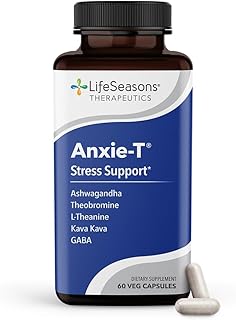


Medication Options: Consult psychiatrists for antidepressants or other prescribed treatments tailored to your needs
Psychiatric medication can be a powerful tool in managing depression and other mental health conditions, but it’s not one-size-fits-all. Antidepressants, mood stabilizers, and anxiolytics are among the classes of drugs prescribed, each targeting specific symptoms or neurotransmitter imbalances. For instance, selective serotonin reuptake inhibitors (SSRIs) like fluoxetine (Prozac) or sertraline (Zoloft) are commonly prescribed for depression and anxiety, often starting at a low dose (e.g., 20 mg/day) and adjusted based on response. A psychiatrist will evaluate your symptoms, medical history, and potential drug interactions to tailor a regimen that aligns with your unique needs.
The process of finding the right medication can be iterative, requiring patience and open communication. Psychiatrists may start with a first-line treatment like an SSRI, but if it’s ineffective or poorly tolerated, they might switch to a different class, such as serotonin-norepinephrine reuptake inhibitors (SNRIs) like venlafaxine (Effexor). Dosage adjustments typically occur every 4–6 weeks, and it can take 6–8 weeks to notice significant improvement. Practical tips include taking medication at the same time daily, using pill organizers, and tracking side effects in a journal to discuss during follow-ups.
While medication can be transformative, it’s not without considerations. Side effects vary widely—SSRIs may cause nausea or insomnia, while tricyclic antidepressants (TCAs) can lead to drowsiness or weight gain. Some medications, like monoamine oxidase inhibitors (MAOIs), require dietary restrictions (e.g., avoiding aged cheeses or cured meats). It’s crucial to report any adverse effects promptly, as psychiatrists can often mitigate them through dosage adjustments or adjunctive treatments. For example, adding a small dose of trazodone (50–100 mg) at night can address insomnia caused by SSRIs.
Medication is often most effective when paired with therapy, lifestyle changes, or other interventions. For adolescents and young adults, psychiatrists may prioritize SSRIs due to their safety profile, while older adults might require lower doses to account for metabolic changes. Pregnant or breastfeeding individuals face additional considerations, as some medications (e.g., paroxetine) carry risks to fetal development. A collaborative approach with your psychiatrist ensures that treatment aligns with your life circumstances and goals, maximizing benefits while minimizing risks.
Ultimately, consulting a psychiatrist for medication is a proactive step toward reclaiming mental well-being. It’s not about masking symptoms but restoring balance to allow for meaningful engagement in therapy and daily life. With advancements in psychopharmacology, options are more diverse than ever, from traditional antidepressants to newer treatments like esketamine for treatment-resistant depression. By entrusting your care to a specialist, you gain access to evidence-based solutions tailored to your biology and experiences, paving the way for sustained recovery.
Music as Therapy: How Curating Playlists Boosts Mental Well-Being
You may want to see also
Explore related products

$16.77 $17.99


Self-Care Strategies: Practice mindfulness, exercise, healthy eating, and consistent sleep to manage symptoms
Mindfulness isn’t about emptying your mind—it’s about observing your thoughts without judgment. Start with just 5 minutes daily. Sit comfortably, focus on your breath, and gently return your attention whenever your mind wanders. Apps like Headspace or Calm offer guided sessions, but simplicity works too: count breaths or notice bodily sensations. Research shows consistent practice reduces symptoms of depression by 20-30%, making it a powerful tool for emotional regulation. Pair it with journaling to track patterns and progress.
Exercise doesn’t require marathons. Aim for 30 minutes of moderate activity, like brisk walking or cycling, 3-4 times a week. For those over 65, low-impact options like swimming or yoga are ideal. Even 10-minute bursts of movement, like dancing or stretching, boost endorphins and reduce stress hormones. Caution: avoid overexertion, especially if you’re new to fitness. Start slow, listen to your body, and consult a doctor if you have health concerns. Physical activity isn’t just about strength—it’s about reclaiming control over your body and mood.
Healthy eating isn’t about restriction—it’s about nourishment. Prioritize omega-3-rich foods (salmon, walnuts) for brain health, and complex carbs (oats, quinoa) for stable energy. Limit processed sugars, which spike blood sugar and worsen mood swings. For busy days, prep meals like overnight oats or veggie-packed salads. Hydration matters too: aim for 8-10 glasses of water daily. Small swaps, like swapping soda for herbal tea, add up. Think of food as fuel for both body and mind—a balanced diet supports serotonin production, directly impacting mood.
Sleep is non-negotiable. Adults need 7-9 hours, but consistency matters more than duration. Establish a routine: dim lights an hour before bed, avoid screens, and keep the room cool (60-67°F). If racing thoughts keep you awake, try the "4-7-8" breathing technique: inhale for 4 seconds, hold for 7, exhale for 8. Limit caffeine after 2 PM and naps to 20 minutes. Poor sleep amplifies depression symptoms, while quality rest enhances resilience. Treat your bedtime like an appointment—your mental health depends on it.
Exploring Medical Marijuana's Potential in Treating Mental Health Disorders
You may want to see also
Frequently asked questions
If you experience persistent feelings of sadness, hopelessness, or anxiety, difficulty functioning in daily life, changes in sleep or appetite, or thoughts of self-harm, it’s time to seek professional help. Trust your instincts—if something feels wrong, reach out.
Begin by consulting your primary care physician, who can provide referrals to therapists, psychologists, or psychiatrists. You can also contact local mental health clinics, use online resources like Psychology Today or BetterHelp, or reach out to helplines such as the National Alliance on Mental Illness (NAMI).
Many organizations offer low-cost or sliding-scale therapy options. Community health centers, universities with psychology programs, and nonprofits often provide affordable services. Additionally, some therapists offer pro bono sessions, and online platforms like Open Path Collective can help connect you with affordable care.
Consider factors like specialization (e.g., depression, anxiety, trauma), therapeutic approach (e.g., CBT, mindfulness), and personal compatibility. Don’t hesitate to interview multiple therapists before deciding. Websites like Psychology Today allow you to filter by location, expertise, and insurance acceptance.
If you or someone else is in immediate danger, call 911 or go to the nearest emergency room. For urgent support, contact the National Suicide Prevention Lifeline at 988 (in the U.S.) or use crisis text lines like Crisis Text Line by texting HOME to 741741. These services are available 24/7.