Lucas Bennett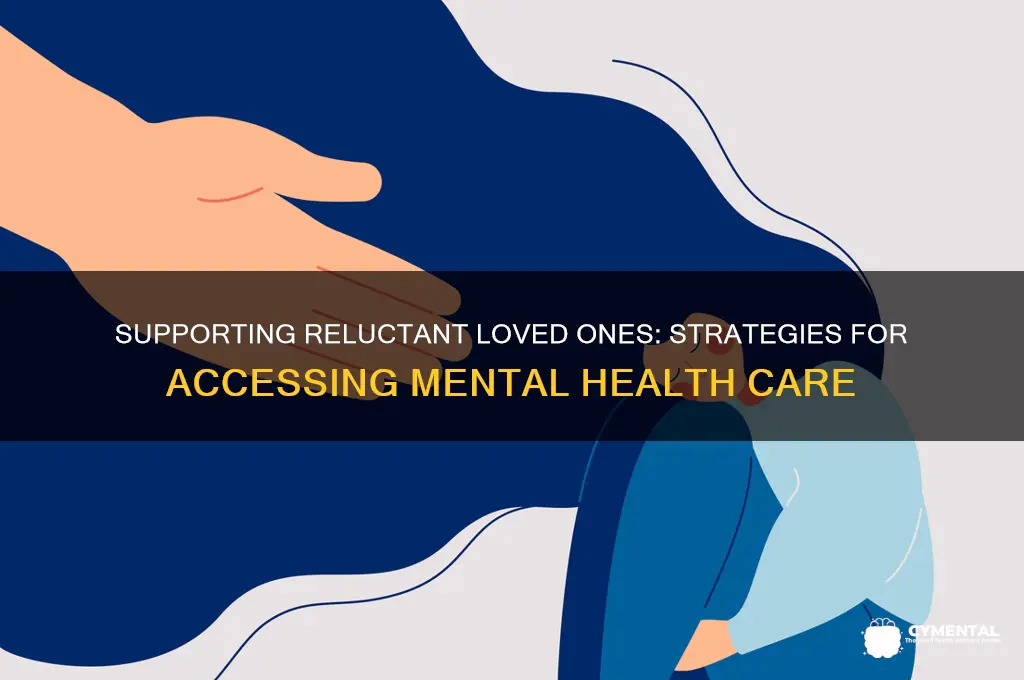
Helping someone access mental health support when they refuse assistance can be challenging but crucial, as untreated mental health issues can worsen over time. It’s essential to approach the situation with empathy, patience, and understanding, recognizing that resistance often stems from fear, stigma, or a lack of awareness about their condition. Start by fostering open communication, expressing concern without judgment, and validating their feelings. Encourage small steps, such as speaking with a trusted friend, joining a support group, or exploring online resources, rather than pushing for immediate professional intervention. If the situation is severe or poses a risk, consider involving a mental health professional or crisis intervention team who can provide guidance or, in extreme cases, initiate involuntary treatment. Ultimately, the goal is to build trust and empower the individual to take control of their mental health journey.
Explore related products


What You'll Learn
- Recognizing Warning Signs: Learn to identify behaviors indicating mental health issues in resistant individuals
- Approaching with Empathy: Use compassionate, non-confrontational methods to initiate conversations about seeking help
- Involving Trusted Allies: Engage friends, family, or professionals to encourage acceptance of support
- Crisis Intervention Options: Understand legal and ethical steps for urgent situations when help is refused
- Building Trust Gradually: Foster a safe environment to reduce resistance and increase openness to assistance

Recognizing Warning Signs: Learn to identify behaviors indicating mental health issues in resistant individuals
Resistant individuals often mask their mental health struggles, making it crucial to recognize subtle warning signs. Look for changes in behavior, such as increased irritability, withdrawal from social activities, or unexplained physical symptoms like headaches or fatigue. These shifts may indicate underlying distress, even if the person denies needing help. For instance, a once outgoing friend who now avoids gatherings might be experiencing anxiety or depression. Observing these patterns early can provide a window for intervention before the situation escalates.
Analyzing communication patterns can also reveal hidden struggles. Pay attention to vague or evasive responses when discussing their well-being. Phrases like "I’m fine" or "It’s nothing" often serve as shields to deflect concern. Additionally, notice if they express feelings of hopelessness or guilt, which are red flags for conditions like depression. For example, a colleague who frequently mentions feeling like a burden may be silently battling low self-worth. These verbal cues, when paired with other behaviors, can help you piece together their unspoken need for support.
Practical steps can make a difference in identifying and addressing these signs. Keep a mental or written log of observed behaviors to track consistency and progression. Approach the person in a non-confrontational manner, using "I" statements to express concern without triggering defensiveness. For instance, say, "I’ve noticed you’ve been less social lately, and I’m worried about you." Offer specific examples of what you’ve observed to show you’re paying attention and care. This approach fosters trust and may open the door for them to share more.
Comparing their current behavior to past norms is another effective strategy. For example, a high-achieving student who suddenly neglects assignments might be overwhelmed by stress or burnout. Similarly, a family member who once enjoyed hobbies but now shows no interest could be experiencing anhedonia, a symptom of depression. By contextualizing these changes within their typical behavior, you can better assess whether their resistance stems from stigma, fear, or lack of awareness about their condition.
In conclusion, recognizing warning signs in resistant individuals requires attentiveness, empathy, and strategic communication. By focusing on behavioral changes, analyzing communication, and comparing current actions to past norms, you can identify mental health issues even when they’re denied. Early recognition not only helps in offering timely support but also builds a foundation of trust, making it easier to guide them toward professional help when they’re ready.
Mental Health Medication: Effective for Co-Occurring Disorders?
You may want to see also
Explore related products


Approaching with Empathy: Use compassionate, non-confrontational methods to initiate conversations about seeking help
Resistance to mental health support often stems from fear, stigma, or a sense of failure. Approaching the conversation with empathy acknowledges these underlying emotions, creating a safe space for vulnerability. Instead of framing the discussion as an intervention, position it as an opportunity to explore feelings and options together. For instance, saying, “I’ve noticed you’ve been feeling overwhelmed lately, and I’m here to listen if you want to talk” invites openness without pressure. This method respects their autonomy while signaling genuine concern.
Empathy requires active listening, not just hearing words but understanding the emotions behind them. Use reflective statements to validate their experience, such as, “It sounds like this has been really hard for you.” Avoid offering solutions or judgments; focus on creating a non-judgmental environment. Research shows that individuals are more receptive to help when they feel understood rather than corrected. For example, a study in *Psychotherapy Research* found that empathetic responses increased willingness to engage in therapy by 40%. Practical tip: Practice pausing before responding to ensure your reaction is thoughtful and supportive.
Non-confrontational methods involve framing help-seeking as a collaborative effort rather than a demand. Suggest low-stakes options like a single counseling session or a mental health app, emphasizing there’s no long-term commitment. For younger adults (ages 18–25), peer support groups can be less intimidating than formal therapy. For older individuals, framing mental health care as part of overall wellness—like physical check-ups—can reduce resistance. Example: “I found this app that helps with stress—want to try it together?” This approach reduces the perceived threat and increases buy-in.
Finally, timing and setting are critical. Choose a calm, private moment when the person is receptive, avoiding times of heightened stress or fatigue. Use “I” statements to express your feelings without assigning blame, such as, “I care about you and want to support you in any way I can.” If they remain resistant, don’t push; instead, let them know you’re available whenever they’re ready. Consistency in empathetic communication builds trust over time, making them more likely to seek help when they feel safe and understood. Remember, the goal is to foster connection, not force compliance.
Pottery Therapy: Crafting Calm and Healing Minds Through Clay Creation
You may want to see also
Explore related products


Involving Trusted Allies: Engage friends, family, or professionals to encourage acceptance of support
Resistance to mental health support often stems from fear, stigma, or a lack of insight into one’s condition. In such cases, leveraging the influence of trusted allies can be a turning point. Friends, family, or professionals who share a strong rapport with the individual can act as bridges, gently guiding them toward acceptance. Their role is not to coerce but to create a safe, non-judgmental space where the person feels understood and supported. For instance, a sibling might share their own experiences with therapy, normalizing the conversation, while a therapist could use motivational interviewing techniques to explore the person’s ambivalence without pressure.
The process begins with identifying the right allies—individuals whose opinions the person values and whose presence feels comforting rather than confrontational. A close friend who has previously offered emotional support or a family member known for their patience might be ideal. Professionals, such as a trusted primary care physician or a counselor, can also intervene, especially if they have an established relationship with the individual. The key is to ensure these allies approach the situation with empathy, avoiding language that could trigger defensiveness, such as “You need help” or “You’re making things worse.” Instead, phrases like “I care about you and want to see you thrive” or “Let’s explore some options together” can open doors to dialogue.
Once the allies are engaged, their involvement should follow a structured yet flexible approach. Start by expressing concern in a way that validates the person’s feelings, acknowledging their struggles without minimizing them. For example, “I’ve noticed you’ve been feeling overwhelmed lately, and I’m here to support you however I can.” Follow this with specific observations about behaviors or changes that have raised concern, avoiding generalizations. If the person remains resistant, allies can suggest small, low-stakes steps, such as attending a single counseling session or joining a support group meeting, framing it as an experiment rather than a commitment.
Caution must be exercised to avoid overwhelming the individual or creating a sense of ganging up. Allies should coordinate their efforts discreetly, ensuring their messages align but are delivered independently to avoid appearing rehearsed. It’s also crucial to respect boundaries; if the person explicitly asks for space, allies should honor that while remaining available for future conversations. Professionals can provide valuable guidance here, offering strategies like staged interventions or suggesting resources tailored to the person’s preferences, such as online therapy for those hesitant to meet in person.
Ultimately, involving trusted allies is about fostering a sense of collective care rather than forcing compliance. By combining personal connections with professional insights, these allies can help dismantle barriers to acceptance, one conversation at a time. Their persistence, patience, and compassion can gradually shift the narrative from resistance to willingness, paving the way for the individual to take the first step toward healing.
Supporting Mental Health: Practical Ways to Help Loved Ones Heal
You may want to see also
Explore related products




Crisis Intervention Options: Understand legal and ethical steps for urgent situations when help is refused
In urgent mental health crises, acting swiftly and legally can save lives, even when the individual refuses help. Understanding the legal frameworks, such as involuntary commitment laws, is crucial. These laws vary by jurisdiction but generally allow for temporary detention and evaluation if a person poses an immediate danger to themselves or others. For instance, in the U.S., many states have criteria like "grave disability" or "imminent risk of harm," which must be assessed by a qualified professional. Knowing these thresholds ensures your actions are both ethical and legally sound.
Ethical considerations are equally vital. Respecting autonomy is a cornerstone of mental health care, but in crises, balancing it with the duty to prevent harm becomes complex. One practical approach is to involve a mental health professional or crisis intervention team early. They can assess the situation objectively, communicate empathetically, and determine if legal intervention is necessary. For example, a crisis team might use de-escalation techniques to build trust before suggesting voluntary treatment, only resorting to involuntary measures as a last resort.
A step-by-step process can guide your actions in such situations. First, document observable behaviors indicating risk, such as suicidal statements or aggressive actions. Second, contact local crisis services or emergency responders, providing clear, factual information. Third, accompany the individual if possible, offering emotional support while professionals take over. Caution: avoid confronting the person alone if they are agitated or violent, as this can escalate the situation. Instead, prioritize safety and rely on trained professionals.
Comparing voluntary and involuntary interventions highlights their distinct purposes. Voluntary treatment fosters trust and long-term engagement, while involuntary measures are reserved for immediate crises. For instance, a person voluntarily seeking therapy is more likely to adhere to treatment plans than someone forced into care. However, in cases where refusal endangers lives, involuntary intervention becomes a necessary, albeit temporary, measure to stabilize the individual before transitioning to voluntary care.
In conclusion, navigating crisis intervention requires a blend of legal knowledge, ethical sensitivity, and practical strategies. By understanding the legal criteria, involving professionals, and prioritizing safety, you can act effectively even when help is refused. Remember, the goal is not to override autonomy but to provide urgent care in situations where the individual’s judgment is impaired by their condition. This approach ensures both compassion and accountability in critical moments.
Mental Health Courts: Reducing Recidivism Through Supportive Justice Approaches
You may want to see also
Explore related products




Building Trust Gradually: Foster a safe environment to reduce resistance and increase openness to assistance
Trust isn't built overnight, especially with someone resistant to mental health support. It's a delicate process, akin to nurturing a fragile plant. Start by creating a safe, non-judgmental space where the person feels heard and understood. Avoid pushing agendas or solutions; instead, focus on active listening. Reflect their emotions back to them ("It sounds like you're feeling overwhelmed") to show you're genuinely engaged. This validates their experience and lays the foundation for trust.
Think of it as a dance: you lead, but only as much as they're willing to follow. Gradually introduce the topic of mental health, not as a problem to be fixed, but as a shared human experience. Share relatable anecdotes or statistics to normalize struggles. For example, "Did you know 1 in 5 adults experience mental health challenges each year? It's more common than people realize." This approach reduces stigma and makes seeking help seem less daunting.
Be mindful of language. Avoid terms like "refusal" or "problem," which can feel accusatory. Instead, use phrases like "exploring options" or "finding what works best for you." Offer small, low-pressure opportunities for engagement, such as watching a TED Talk together or reading a short article. These steps, though seemingly minor, build familiarity with the concept of mental health support without triggering defensiveness.
Consistency is key. Show up reliably, whether through regular check-ins or shared activities. Over time, this predictability fosters a sense of security. Pair this with patience—trust-building is a marathon, not a sprint. Celebrate small victories, like a willingness to discuss feelings or curiosity about a resource. These moments signal progress and reinforce the idea that help is approachable, not threatening.
Supporting Your Child's Mental Development: Finding the Right Help
You may want to see also
Frequently asked questions
It can be challenging to help someone who refuses treatment, but you can start by expressing your concerns in a non-confrontational way, offering support, and encouraging them to seek professional help. Consider involving a trusted friend, family member, or mental health professional to intervene.
Focus on active listening and empathy, acknowledging their feelings and experiences without judgment. Share specific examples of behaviors or situations that concern you, and suggest a mental health assessment as a way to gain insight and understanding. Offer to accompany them to an appointment for support.
Laws vary by jurisdiction, but in some cases, you may be able to pursue involuntary commitment or treatment if the person poses a danger to themselves or others. This typically requires documentation from mental health professionals and a court order. However, this should be considered a last resort, and it's essential to prioritize the individual's autonomy and rights whenever possible.