Harper Lewis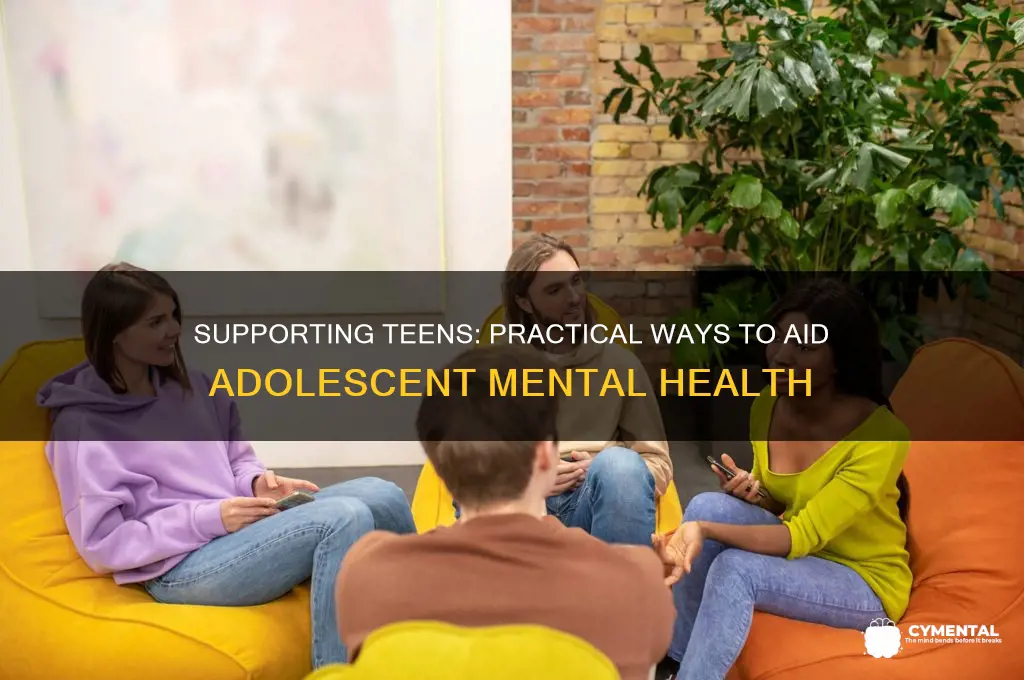
Supporting an adolescent with mental health challenges requires a compassionate, informed, and proactive approach. Adolescence is a critical period of emotional and psychological development, making early intervention and understanding essential. To help, start by fostering open communication, creating a safe space for the teen to express their feelings without fear of judgment. Educate yourself about their specific struggles, whether it’s anxiety, depression, or other issues, and validate their experiences rather than dismissing them. Encourage professional help, such as therapy or counseling, while also promoting healthy habits like regular exercise, balanced nutrition, and adequate sleep. Be patient and consistent in your support, as progress may be gradual. Additionally, involve the adolescent in decision-making processes to empower them and build their confidence. By combining empathy, knowledge, and practical strategies, you can play a vital role in guiding them toward better mental well-being.
Explore related products

$7.97 $18.99




What You'll Learn
- Active Listening: Show empathy, avoid judgment, and give full attention to their feelings and concerns
- Encourage Professional Help: Guide them to therapists, counselors, or mental health resources for expert support
- Create Safe Spaces: Foster trust by ensuring they feel secure and accepted in their environment
- Promote Healthy Habits: Encourage sleep, exercise, nutrition, and mindfulness to support mental well-being
- Stay Involved: Maintain open communication, check-in regularly, and show consistent support and care

Active Listening: Show empathy, avoid judgment, and give full attention to their feelings and concerns
Adolescents often struggle to articulate their emotions, making it crucial to create a safe space where they feel heard. Active listening is not just about hearing words; it’s about understanding the underlying emotions and validating their experiences. When a teenager says, “I feel like no one gets me,” they’re not seeking a solution—they’re seeking acknowledgment. Reflect their feelings back with phrases like, “It sounds like you’re really frustrated right now,” to show you’re engaged and empathetic. This simple act can build trust and encourage them to open up further.
Empathy is the cornerstone of active listening, but it requires intentional effort. Avoid the trap of inserting your own experiences or minimizing their struggles with phrases like, “It could be worse.” Instead, focus on their perspective. For instance, if they express anxiety about school, ask open-ended questions like, “What’s making this feel so overwhelming for you?” This demonstrates genuine interest and helps them explore their own thoughts. Remember, empathy isn’t about fixing—it’s about connecting.
Judgment can shut down a conversation faster than anything else. Adolescents are hyper-aware of criticism, even when it’s unintentional. If they confide in you about self-harm or risky behaviors, resist the urge to react with shock or disapproval. Instead, respond with calm concern: “That sounds really hard. I’m here to support you.” This approach keeps the door open for further dialogue and reassures them that they won’t be punished for being honest.
Giving full attention means putting aside distractions—phones, thoughts of your to-do list, even your own emotions. Maintain eye contact (when culturally appropriate), nod, and use nonverbal cues like a gentle smile or a supportive touch on the shoulder if it feels right. For younger teens (ages 12–14), who may be more literal, summarize their points periodically to show you’re following along. For older teens (ages 15–19), who may crave deeper analysis, ask probing questions that encourage self-reflection without interrogation.
Active listening is a skill that improves with practice, but it’s not always easy. Be patient with yourself and the adolescent. If you slip into advice-giving or judgment, gently redirect the conversation back to their feelings. Over time, this approach can foster resilience, strengthen your relationship, and provide a foundation for them to navigate their mental health challenges. The goal isn’t to solve their problems—it’s to let them know they’re not alone.
Peer Support: How Friends Boost Your Mental and Emotional Well-Being
You may want to see also
Explore related products

$13.48 $15.97

$9.59 $16.99



Encourage Professional Help: Guide them to therapists, counselors, or mental health resources for expert support
Adolescents often resist seeking professional help for mental health issues, fearing stigma or believing they can handle it alone. Yet, early intervention by trained experts can prevent minor concerns from escalating into chronic conditions. As a supportive figure, your role isn’t to diagnose or fix but to gently guide them toward resources like therapists, counselors, or mental health programs. Start by normalizing the conversation around therapy, framing it as a proactive step for self-care rather than a last resort.
Consider this approach: Begin by researching local or virtual mental health resources tailored to adolescents, such as school counselors, community clinics, or telehealth platforms. Familiarize yourself with their intake processes, age-specific services, and insurance requirements. When broaching the topic, avoid phrases like “You need help”—instead, use collaborative language like “Let’s explore some options together.” Offer to accompany them to the first appointment or help them prepare questions for the therapist, reducing anxiety about the unknown.
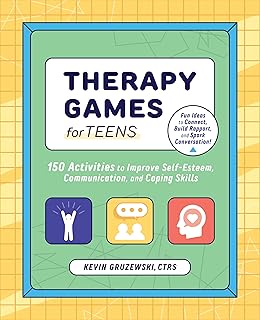
A common barrier is the misconception that therapy is only for “serious” issues. Counter this by highlighting how professionals can assist with everyday challenges like stress management, relationship conflicts, or self-esteem struggles. Share age-appropriate examples, such as cognitive-behavioral therapy (CBT) for anxiety or group therapy for social skills, to demystify the process. For tech-savvy teens, suggest apps like Calm or Headspace as a gateway to understanding mental health tools, while emphasizing they’re not a substitute for human support.
Be mindful of potential pushback. Adolescents may resist due to fear of losing control or being judged. Acknowledge their concerns without dismissing them, and reassure them that therapy is a confidential space to explore their thoughts and feelings. If cost is an issue, research sliding-scale clinics or nonprofit organizations offering low-fee services. For those hesitant to commit, suggest a trial period—three sessions to see if it’s a good fit—rather than pressuring long-term engagement.
Finally, remember that your encouragement is a long-term investment. Mental health support isn’t a one-time fix but an ongoing process. Celebrate small steps, like scheduling an appointment or sharing a positive experience with a counselor. By fostering trust and providing practical pathways to professional help, you empower adolescents to take ownership of their well-being, equipping them with tools they’ll carry into adulthood.
Finding Mental Health Support for Adults in Idaho: A Comprehensive Guide
You may want to see also
Explore related products





Create Safe Spaces: Foster trust by ensuring they feel secure and accepted in their environment
Adolescents grappling with mental health challenges often retreat into isolation, fearing judgment or rejection. Creating safe spaces becomes paramount—environments where they feel seen, heard, and unconditionally accepted. These spaces aren’t just physical locations; they’re cultivated through intentional actions and attitudes that signal trustworthiness and empathy.
Step 1: Establish Boundaries and Consistency
Start by defining clear, respectful boundaries that communicate safety. For example, if an adolescent shares personal struggles, ensure confidentiality unless there’s an immediate safety risk. Consistency is key—adolescents thrive when they know what to expect. A therapist might set a weekly check-in time, while a parent could create a daily 15-minute "open conversation" window. Avoid abrupt changes in rules or reactions, as unpredictability can erode trust.
Step 2: Validate Emotions Without Judgment
Adolescents often fear their emotions will be dismissed or ridiculed. Practice active validation by reflecting their feelings without trying to "fix" them. For instance, instead of saying, "You’re overreacting," try, "It sounds like this situation really hurt you." Research shows that validation reduces defensiveness and fosters emotional regulation. A caution: avoid empty reassurances like "Everything will be fine," which can feel dismissive.
Step 3: Design Physical and Emotional Safe Zones
Physical spaces matter. A therapist’s office with neutral decor, comfortable seating, and privacy fosters calm. At home, designate a "no-judgment zone"—a corner with a cozy chair, soft lighting, and calming tools like fidget toys or journals. Emotionally, model acceptance by sharing your own vulnerabilities (age-appropriate and sparingly). For example, a parent might say, "I felt really anxious before my presentation today," normalizing emotional experiences.
Takeaway: Safety Breeds Vulnerability, Vulnerability Builds Trust
Safe spaces aren’t built overnight. They require patience, consistency, and a commitment to prioritizing the adolescent’s emotional needs. When adolescents feel secure, they’re more likely to express themselves authentically, a critical step in addressing mental health challenges. Remember, trust is fragile—one broken promise or invalidated emotion can undo weeks of progress. By weaving these practices into daily interactions, you create a foundation where healing can begin.
Seeking Support: Discovering Accessible Resources for Guidance and Assistance
You may want to see also
Explore related products


Promote Healthy Habits: Encourage sleep, exercise, nutrition, and mindfulness to support mental well-being
Adolescents need 8–10 hours of sleep nightly, yet over 70% fall short, according to the CDC. Chronic sleep deprivation exacerbates mood swings, anxiety, and cognitive fog—common struggles during these formative years. To counter this, establish a consistent bedtime routine: dim screens an hour before bed, introduce calming activities like reading or journaling, and ensure the bedroom is cool, dark, and quiet. Parents can model this behavior by prioritizing their own sleep hygiene, as teens often mirror observed habits.
Physical activity isn’t just about fitness—it’s a natural antidepressant. Studies show that 60 minutes of moderate exercise daily can reduce symptoms of depression and anxiety in teens. Encourage activities they enjoy, whether it’s team sports, dancing, or hiking. For reluctant starters, break it down into manageable chunks: three 20-minute sessions of brisk walking, cycling, or even active gaming can yield similar benefits. Pairing exercise with social interaction, like joining a local club or inviting friends to a workout, can increase motivation and adherence.
Nutrition plays a silent but pivotal role in mental health. Omega-3 fatty acids (found in salmon, walnuts, and flaxseeds), complex carbohydrates (whole grains, legumes), and antioxidants (berries, spinach) stabilize mood and energy levels. Limit processed foods and sugary snacks, which spike blood sugar and worsen irritability. Involve teens in meal planning and cooking to foster a sense of ownership over their diet. Small swaps, like trading soda for infused water or chips for homemade popcorn, can make a significant difference without feeling restrictive.
Mindfulness isn’t about emptying the mind—it’s about observing thoughts without judgment. Start small: 5–10 minutes of guided meditation or deep breathing exercises daily can reduce stress and improve focus. Apps like Headspace or Calm offer teen-friendly sessions, but simple practices like mindful eating or a gratitude journal work equally well. Encourage consistency rather than perfection; even brief moments of mindfulness can build resilience over time. For skeptical teens, frame it as a tool for gaining control, not a chore.
These habits—sleep, exercise, nutrition, and mindfulness—aren’t isolated fixes but interconnected pillars of mental well-being. Each reinforces the other, creating a foundation for emotional resilience. By integrating them into daily life with flexibility and patience, caregivers can empower adolescents to navigate challenges with greater clarity and confidence. Remember, progress over perfection: small, sustainable changes yield the most lasting impact.
Supporting Student Well-being: Universities' Role in Mental Health Initiatives
You may want to see also
Explore related products


$11.56 $18.99


Stay Involved: Maintain open communication, check-in regularly, and show consistent support and care
Adolescents often retreat into silence when grappling with mental health challenges, making open communication a cornerstone of support. Start by creating a safe, non-judgmental space where they feel heard. Use active listening techniques—reflect their emotions, ask open-ended questions, and avoid interrupting. For example, instead of saying, “You’re overreacting,” try, “It sounds like this situation is really weighing on you. Can you tell me more?” Consistency is key; short, daily check-ins like, “How’s your day been so far?” can feel less intrusive than infrequent, heavy conversations. Remember, the goal isn’t to fix their problems but to validate their feelings and show you’re present.
Regular check-ins are more than just asking, “How are you?”—they’re about observing patterns and responding thoughtfully. For instance, if an adolescent mentions feeling overwhelmed by schoolwork, follow up with specific questions like, “Which subjects are stressing you out the most?” or “Have you talked to a teacher about this?” Tailor your approach to their age and personality. Younger teens (12–14) may respond better to casual, activity-based check-ins, like chatting during a car ride, while older teens (15–19) might prefer more direct, one-on-one conversations. Avoid interrogating; instead, let the dialogue flow naturally, and respect their boundaries if they’re not ready to share.
Consistent support doesn’t mean hovering—it means being reliably available. Establish routines that signal your commitment, such as a weekly family dinner or a nightly “how was your day?” text. Small gestures, like leaving a sticky note with an encouraging message in their room, can reinforce your care. Be mindful of your own tone and body language; adolescents are highly attuned to inconsistency. If you promise to attend their therapy session, follow through. If you’re unsure how to help, admit it—saying, “I don’t have all the answers, but I’m here to figure this out with you,” builds trust.
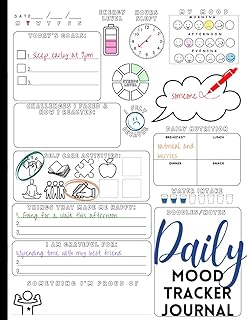
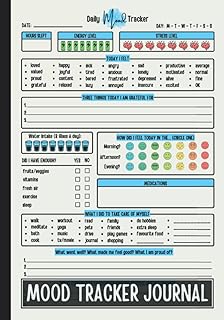
One practical tip is to leverage technology to stay connected without being intrusive. Use messaging apps to send brief, positive reminders like, “You’ve got this!” before a big test or, “Thinking of you today.” For teens who struggle with face-to-face conversations, journaling together can be a powerful tool. Each of you writes in a shared notebook, passing it back and forth to exchange thoughts and feelings. This method allows them to express themselves at their own pace while maintaining a tangible record of your ongoing support.
The takeaway is clear: staying involved isn’t about perfection—it’s about persistence. Adolescents may push you away, test your patience, or seem ungrateful, but consistent, thoughtful engagement can make a profound difference. By maintaining open communication, checking in regularly, and showing unwavering care, you create a foundation of trust that helps them navigate their mental health challenges. It’s not always easy, but it’s always worth it.
Theatre's Healing Power: Boosting Mental Health Through Performance and Creativity
You may want to see also
Frequently asked questions
Look for persistent changes in behavior, mood, or functioning, such as withdrawal from social activities, declining academic performance, irritability, sleep disturbances, or expressions of hopelessness. Physical symptoms like headaches or stomachaches can also be indicators.
Approach them in a calm, non-judgmental way, express your concern, and listen actively without interrupting. Encourage them to seek professional help, such as a counselor or therapist, and offer to support them in finding resources.
Create a safe and open environment for communication, validate their feelings, and respect their boundaries. Encourage healthy habits like regular exercise, balanced nutrition, and adequate sleep, while also allowing them space to process their emotions independently.
Professional help, such as therapy or counseling, provides adolescents with evidence-based strategies to manage their mental health challenges. Mental health professionals can also diagnose underlying conditions and recommend appropriate treatments, ensuring comprehensive care.